

Body Doubling for Household Chores: What It Is and How to Simulate It
Body doubling helps chores feel lighter by adding calm accountability, whether another person is with you or you create a structured stand-in.
If you keep putting off dishes, laundry, or a fridge clean-out until it feels huge, you are not alone. Everyday safety lapses still contribute to about 48 million foodborne illnesses in the U.S. each year, which shows how much simple routines matter when we’re tired or overwhelmed. You’ll get a practical way to make chores more manageable with support, structure, and realistic expectations.
Why Body Doubling Works for Chores
Shared presence reduces friction
The 2017 FDA Food Code highlights five key interventions because people make fewer mistakes when routines are clear and support is built in. Body doubling works on a similar principle: less internal debating, more steady follow-through.
For household tasks, the benefit is emotional as much as practical. A second presence—friend, partner, or virtual coworking buddy—can make starting feel safer, especially when shame or perfectionism has built up around “basic” chores.

Structure beats willpower
A food-safety framework that weighs time, temperature, and context reinforces a useful lesson for home life: outcomes improve when the environment is designed well. In chore terms, that means using timers, checklists, and simple sequencing instead of relying on motivation alone.
Which Chores Benefit Most From Body Doubling
Start with high-friction, high-impact tasks
The U.S. burden of foodborne illness is a strong reminder to prioritize kitchen chores that protect health, not just appearance. If energy is limited, start with dishes, leftovers, counters, and fridge organization before lower-stakes tasks like folding perfectly.
For hot leftovers and meal prep, cooling guidance uses strict checkpoints: move food from 135°F to 70°F within 2 hours, then from 70°F to 41°F or below within the next 4 hours. A body-doubling session is ideal for this window because someone helps you portion, stir, label, and refrigerate on time.

If infant feeding is part of your routine, breast milk storage windows are specific: up to 4 hours at room temperature (77°F or cooler), up to 4 days in the fridge, and 24 hours after thawing in the fridge. These are great tasks for accountability because small timing slips are easy when you’re sleep-deprived.
How to Simulate Body Doubling When You’re Alone
Use “live presence” substitutes
A practical simulation is a 20–30 minute video or voice check-in: one person states a task, both work silently, then both report what got done. If nobody is available, use a voice memo “start/finish” ritual to create a witness effect.

Build time anchors into the session
A fresh-cut produce workflow uses concrete time limits, including rapid cooling and keeping total time in the 41°F–135°F range under 4 hours. You can borrow that logic by setting two alarms: one for “checkpoint” and one for “done and stored.”
For daily home use, a 40°F–140°F danger-zone rule gives an easy script: “Prep, portion, refrigerate, confirm temperature.” Even without another person, this kind of spoken checklist can function like a gentle external coach.
A 30-Minute Body-Doubling Kitchen Reset
A repeatable script
The FDA cooling methods recommend shallow pans, smaller portions, ice-water stirring, and airflow around loosely covered containers. Use this same sequence every session so the process feels automatic on low-energy days.
The Bad Bug Book prevention basics support a simple order of operations: clean hands/surfaces, separate raw and ready-to-eat foods, cook properly, then refrigerate promptly. Pairing that order with body doubling lowers the mental load of deciding what comes next.

0:00–3:00 — Text/call your body double, name one outcome (“clear sink + store leftovers safely”).
3:00–8:00 — Wash hands, clear sink, sanitize prep area.
8:00–15:00 — Portion hot food into shallow containers; start rapid cooling steps.
15:00–22:00 — Label containers with date/time; move to refrigerator with space between items for airflow.
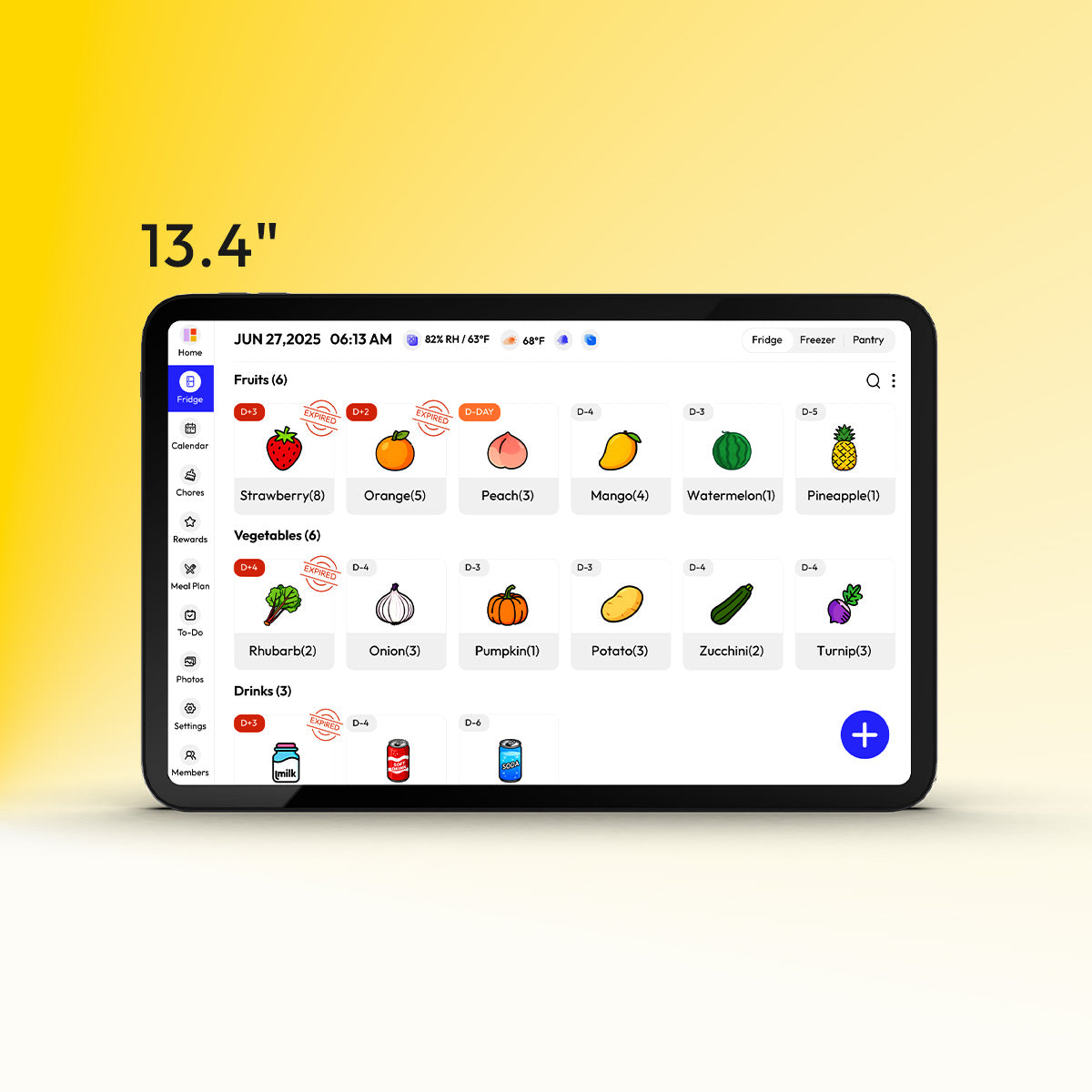
22:00–27:00 — Quick fridge check: oldest foods forward, door clutter reduced.
27:00–30:00 — Share “done list” with your body double and set the next reset time.
Common Pitfalls (and Gentler Fixes)
Turning support into pressure
If body doubling starts to feel like performance, scale down. Shorten sessions, choose one visible outcome, and use neutral language (“I’m practicing consistency”) instead of self-criticism.
For sanitation-heavy chores, FDA disinfection guidance emphasizes label directions and wet contact time. In practice, this means slowing down enough to let products work properly instead of rushing and assuming a quick wipe is enough.
A botulism hazard chapter notes severe outcomes from time/temperature abuse, and it also warns not to treat reheating as your main safety plan. The gentle takeaway is not fear—it is consistency: timely cooling and storage are easier than last-minute rescue.
Practical Next Steps
Pick one chore category for this week and attach a body-doubling format to it: live person, virtual check-in, or self-accountability script. Keep it small enough to repeat, because repetition builds trust faster than intensity.
A plain-language prevention approach works well at home: clean, separate, cook, chill. If you want a simple start, choose one of these tonight:
Do a 20-minute “sink + leftovers” session with a friend on speakerphone.
Set two cooling alarms for tonight’s meal prep and follow the checkpoint script.
Put a sticky note on the fridge with your 4-step reset order and use it daily for one week.
Important Note
The insights and strategies shared here are intended for support and educational purposes only. They do not constitute professional medical advice, clinical diagnosis, or psychological treatment. Neurodiversity and complex family dynamics require personalized care; if you or a family member are experiencing significant challenges, please consult with a licensed healthcare professional or a certified counselor to receive support tailored to your specific situation.
References
https://www.fda.gov/media/110822/download
https://www.fda.gov/media/181882/download
https://www.cdc.gov/breastfeeding/breast-milk-preparation-and-storage/handling-breastmilk.html
https://extension.unr.edu/publication.aspx?PubID=2172
https://www.fda.gov/files/food/published/Bad-Bug-Book-2nd-Edition-%28PDF%29.pdf




Leave a comment
This site is protected by hCaptcha and the hCaptcha Privacy Policy and Terms of Service apply.