




Visual cues can turn stressful transitions into predictable steps, helping autistic teens move between tasks with less conflict and more independence.
When every transition ends in reminders, frustration, or shutdown, families can feel exhausted and stuck. Many autistic students spend up to a quarter of the school day switching activities, so even short transition struggles can add up to hours of stress each week. You can use a simple visual system to lower pressure, support regulation, and make daily routines more manageable for everyone.
Why Transitions Feel So Hard
Why “5 More Minutes” can backfire
Autistic students may spend up to 25% of the school day in transitions, and many also experience time blindness that makes phrases like “later” or “in a minute” hard to act on. When time feels abstract, repeated verbal prompts can sound unpredictable rather than helpful.

New imaging research found a specific link between visual-network and salience-network connectivity and social affect symptoms in children with higher autism likelihood. That does not mean every teen will respond the same way, but it supports a practical idea: visual information is often easier to process than spoken time language under stress.
Evidence legend used in this article: High (guideline-level or comprehensive evidence review), Moderate (multiple controlled or single-case studies), Low (small or indirect studies), Practice-based (clinical/educator experience where stronger studies are limited). The NCAEP evidence review classifies evidence-based practices for children, youth, and young adults with autism.
In daily practice, visual supports are important teaching tools because they make routines concrete and visible. Teens often describe this as “I can see what’s next,” which reduces the emotional load of guessing. Evidence level: High for visual supports as an evidence-based practice in the NCAEP evidence review, with implementation and monitoring checklists in the AFIRM Visual Supports brief packet.
Choosing the Right Visual Cue
Match the cue to the transition type
Common tools include visual schedules, First/Then boards, mini-schedules, and visual timers, and each works best for a different moment. If your teen resists starting work, First/Then usually beats a full-day schedule; if they lose momentum during multi-step tasks, mini-schedules are often easier to follow. Evidence level: Moderate to High for matching cue format to transition type, supported by implementation guidance in the AFIRM Visual Cues: Introduction & Practice packet.

A practical guide to features of good visual supports is to keep them short, consistent, and easy to scan in under 5 seconds. Too many icons, colors, or words can make transitions harder, not easier.
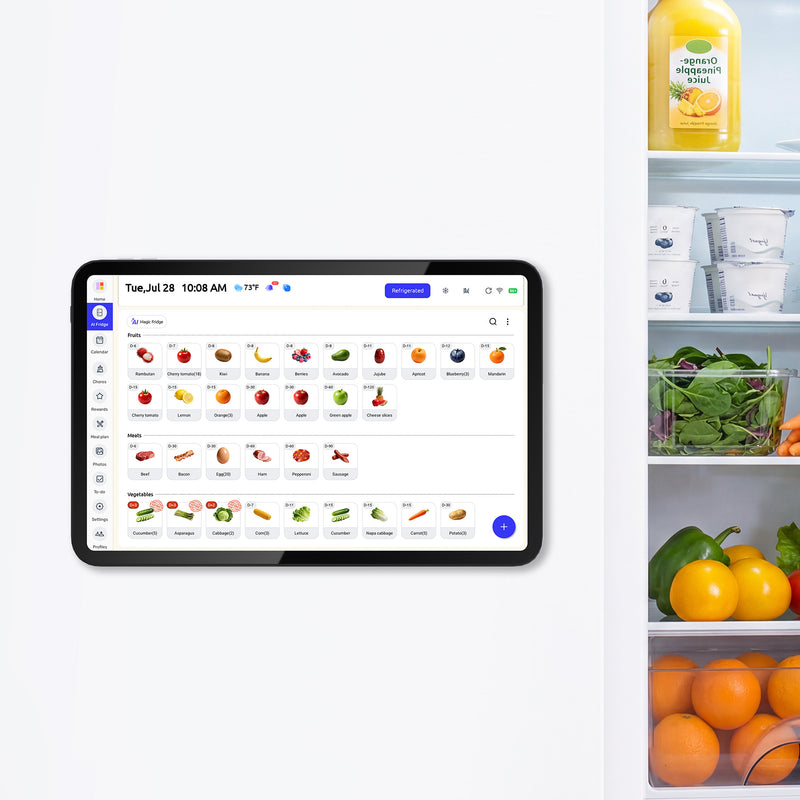
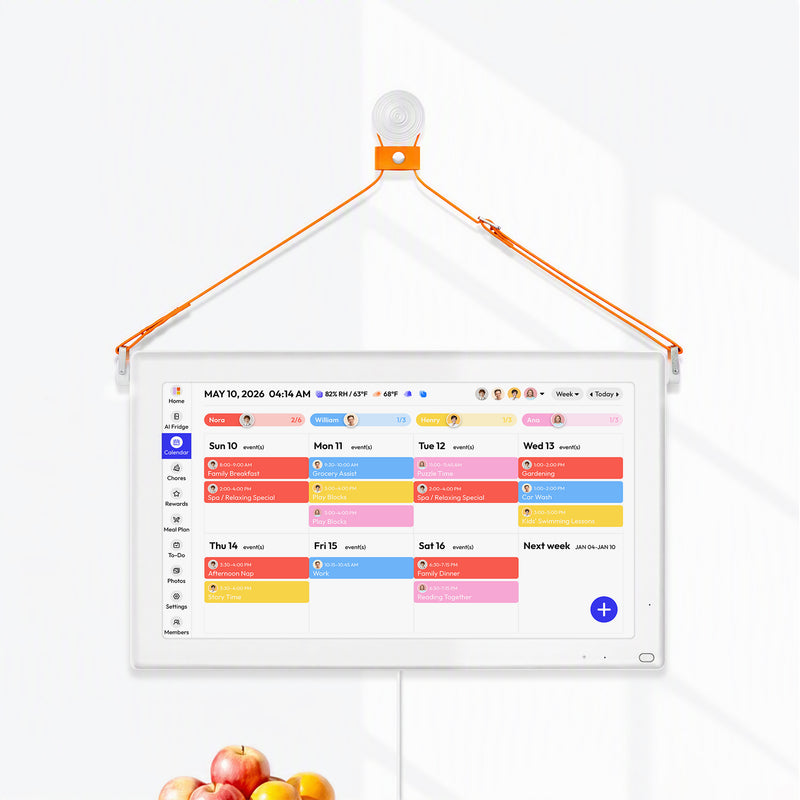
A large shared calendar like a a company can reduce surprise transitions by showing school events, therapy times, and social plans in one place. Visibility matters more than perfection; the best system is the one your teen will actually check.
Transition challenge |
Visual cue to try first |
Why it helps |
Starting a non-preferred task |
First/Then board |
Clarifies payoff and reduces negotiation |
Stopping a preferred activity |
Visual timer + 5/2/1 warnings |
Makes time visible and predictable |
Multi-step task (shower, backpack, chores) |
Mini-schedule |
Cuts overwhelm by showing one step at a time |
Daily routine confusion |
Daily visual schedule |
Reduces repeated verbal prompting |
Week-to-week changes |
Wall/fridge calendar |
Prevents last-minute surprises |
Making Visual Cues Work in Real Life
Use visuals plus reinforcement, not visuals alone
A controlled study with two 6-year-old boys found visual schedules alone were ineffective for transition-related problem behavior, while behavior improved when schedules were paired with consequence-based support. The practical takeaway for teens is that visuals are powerful, but they usually work best with a response plan. Evidence level: Low for this specific study because the sample was very small, while broader confidence in visual supports is higher in the NCAEP evidence review.
In other settings, visual reminders improved volunteer compliance better than repeated verbal instructions. The pattern is familiar at home too: when the cue stays visible, adults can talk less and teens can rely more on the environment.
Using transition warnings at 5, 2, and 1 minutes is a simple add-on that lowers surprise. A calm script helps: “Two minutes left, then shower checklist,” followed by pointing to the same visual each time instead of adding extra explanation. Evidence level: Practice-based to Moderate; countdown warnings are commonly used with visual supports and should be tracked with baseline and progress tools from the AFIRM Visual Cues packet.
Home and School Examples You Can Adapt
School-night flow
A a company can anchor the evening plan in one high-traffic spot: snack, decompression, homework block, movement break, shower, wind-down. Pair each block with a start cue and a clear “finished” marker so transitions feel like completion, not interruption.

Classroom transition variant: moving from whole-group instruction to independent work can use a desk mini-schedule plus a 2-minute tablet timer, with on-time starts reinforced by a brief preferred choice period; this blend fits school-ready technology-aided instruction and intervention.
Weekend and community flow
Visual countdown systems work well before leaving a preferred activity, like ending gaming to go grocery shopping or heading home from a friend’s house. Removing one icon at a time gives a concrete sense of progress that verbal reminders often miss.
After-school handoff variant: at pickup, a photo First/Then card (“car, then snack”) plus a three-step removable countdown strip can reduce protest, and calm transfer can be reinforced with first choice of music for the ride using practical visual cues.
Fading without pulling support too fast
Guidance on strategies for fading visual supports suggests reducing prompts gradually rather than removing everything at once. A realistic sequence is full visual plus timer, then shorter visual, then a checkmark list, then verbal check-ins only when needed. Evidence level: Practice-based for this exact fading sequence, with data-based pacing and fidelity checks supported by the AFIRM Visual Supports brief packet.
Practical Next Steps
A 14-day reset plan
Using a trial-by-trial tracking approach for two weeks can show what is actually improving: record whether each target transition happened with or without major conflict. Keep it simple and specific, such as “7:30 PM gaming to shower: yes/no problem behavior.”
Individual differences are real, and brain-behavior findings reinforce that one format will not fit every teen. If one cue fails, that is feedback, not failure; adjust the cue type, timing, or reinforcement before deciding the whole approach does not work.
- Pick one hard daily transition.
- Choose one visual cue and use it consistently for 14 days.
- Add fixed warnings (5, 2, 1 minutes) and one calm script.
- Reinforce successful transitions right away with brief praise or a preferred activity.
- Review your data after 14 days and change only one variable at a time.
- Keep expectations compassionate: progress often looks like shorter conflicts before smooth transitions.
Coordinate this plan with your teen’s IEP/school mental-health team and keep a shared incident log with who observed the event, when it happened, frequency, antecedent, and response.
Transition target |
Success rate (%) |
Prompt count |
Distress intensity (0-5) |
Recovery time (minutes) |
Example: gaming to shower |
Data-based fading rule: fade one support at a time only after at least 80% successful transitions for 10 consecutive school/home days, with stable or improving distress and prompt counts; if success drops for 3 consecutive days, return to the last effective support level. Evidence level: Practice-based threshold, with structured monitoring aligned to the AFIRM Visual Supports brief packet.
Important Note
When to Contact Professionals
- Same-day team contact: rising transition distress, severe avoidance across settings, or no meaningful improvement after 2 weeks of consistent strategy use.
- Urgent same-day clinical assessment: rapid functional decline in school attendance, sleep, eating, or daily living, or repeated incidents caregivers/staff cannot safely de-escalate.
- Emergency response now: any self-harm behavior, suicidal statements, or immediate risk of harm to others.
A multidisciplinary referral pathway and family involvement in individualized care are outlined in NICE suspected autism management, and immediate safety-focused care is required for self-harm risk in NICE self-harm recommendations.
The insights and strategies shared here are intended for support and educational purposes only. They do not constitute professional medical advice, clinical diagnosis, or psychological treatment. Neurodiversity and complex family dynamics require personalized care; if you or a family member are experiencing significant challenges, please consult with a licensed healthcare professional or a certified counselor to receive support tailored to your specific situation.
References


