
Raw chicken breast is safest for 1 to 2 days in the refrigerator at 40°F or below. If you will not cook it within that time, freeze it as soon as possible.
You pull chicken breasts from the grocery bag at 5:30 PM, the kids are asking about dinner, and you wonder whether tomorrow is still safe. A simple two-day fridge rule, a bottom-shelf habit, and a quick calendar reminder can prevent last-minute waste and worry. Here is how to decide whether to cook, freeze, or toss raw chicken breast with confidence.
The Short Answer: 1 to 2 Days in the Fridge
For fresh raw chicken breast, the safest home rule is to cook or freeze it within 1 to 2 days of bringing it home. The cold food storage chart places poultry pieces, including chicken breasts, in that short refrigerator window.
That timing assumes your refrigerator stays at 40°F or below. The USDA FSIS chicken guidance gives the same practical standard: refrigerate fresh chicken at 40°F or below, use it within 1 to 2 days, or freeze it at 0°F.
In a busy family kitchen, that usually means Monday’s raw chicken breast should become Monday or Tuesday dinner. If Tuesday turns into soccer practice, homework, and cereal night, the better move is to freeze the chicken before the window closes.
Why Raw Chicken Breast Has Such a Short Fridge Life
Raw chicken can carry germs that do not always change how the meat looks or smells. The CDC chicken safety page notes that raw chicken may contain harmful germs such as Salmonella, Campylobacter, and Clostridium perfringens.
That is why time and temperature matter more than appearance alone. A refrigerator slows bacterial growth, but it does not stop it completely. If your fridge runs warm, gets opened constantly, or stores chicken near the door, the safety margin gets smaller.
A practical example helps: if you shop Sunday afternoon and plan chicken Alfredo for Wednesday night, that raw chicken breast has likely sat too long. Instead, freeze it Sunday in meal-size portions, then thaw it safely in the refrigerator the day before cooking.
The Best Refrigerator Temperature for Raw Chicken
Raw chicken breast should be stored at 40°F or below. A small refrigerator thermometer is worth a few dollars because the built-in dial often shows a setting, not the actual temperature.
CDC guidance also recommends placing chicken on the bottom shelf in a sealed container or securely wrapped package so juices do not leak onto other foods. That single habit protects lunches, fruit, leftovers, and cut vegetables from cross-contamination.

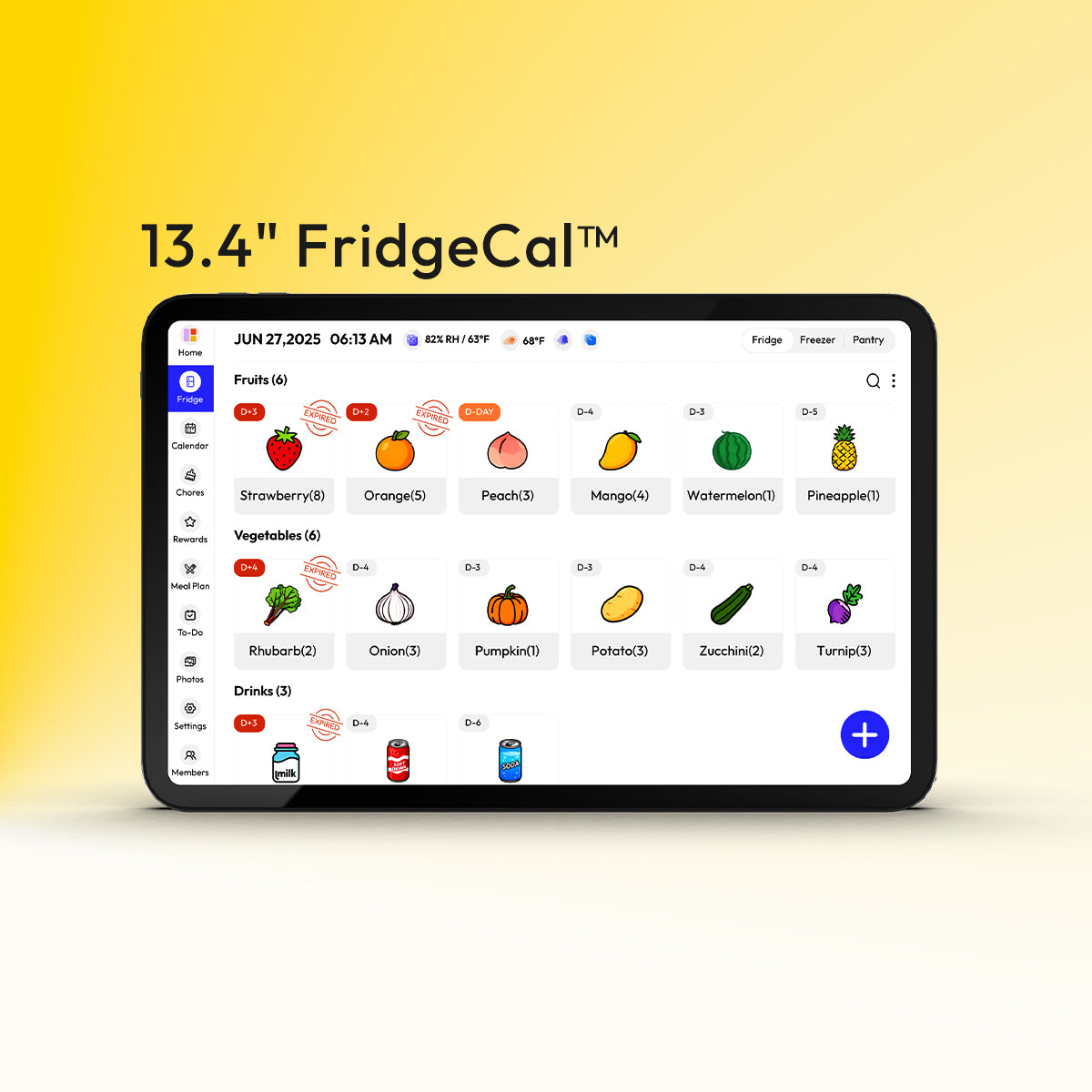
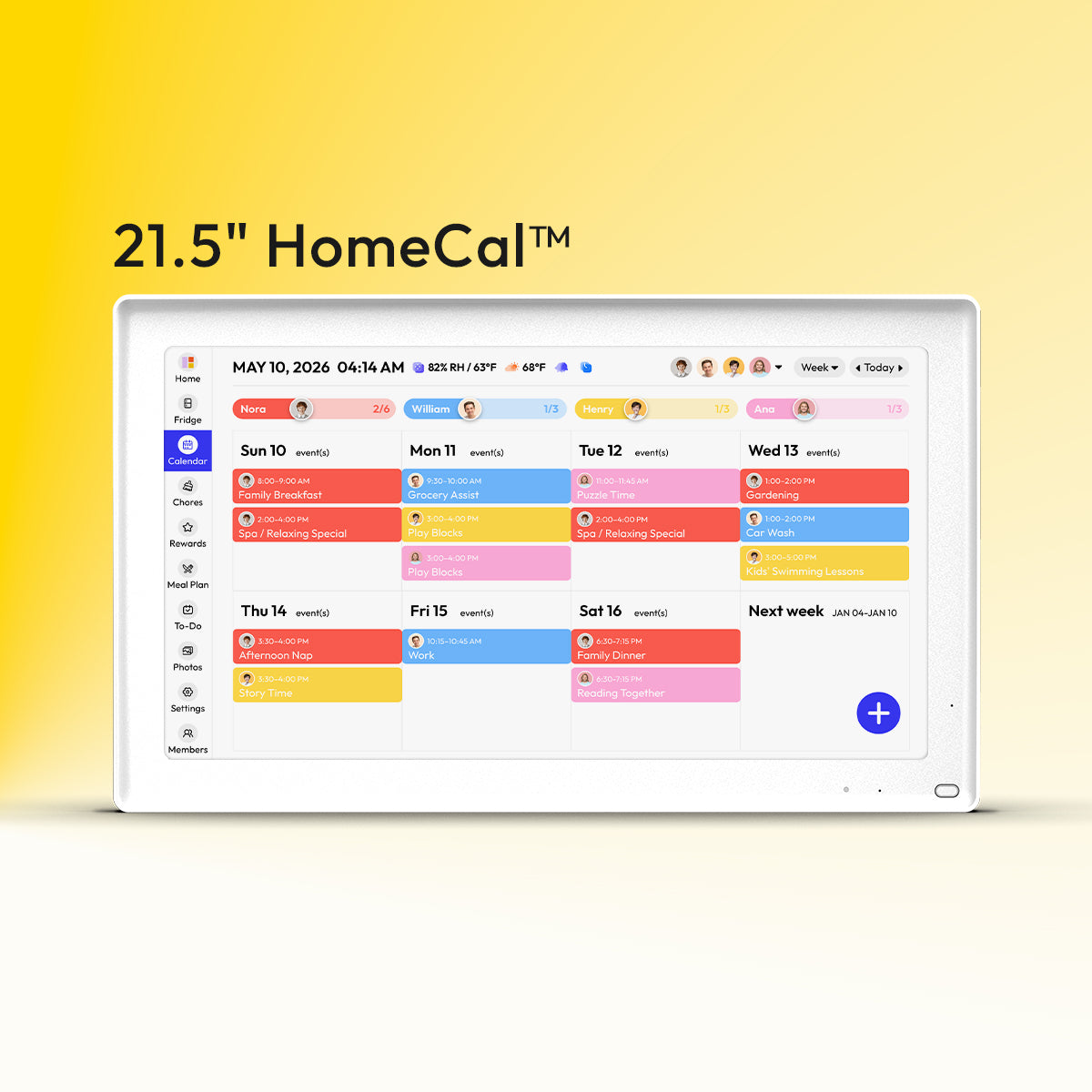
For an easy household system, treat raw chicken like a short-deadline task. Add a fridge calendar note that says “Cook chicken by Tuesday” or “Freeze tonight.” When food safety is visible, it does not depend on memory at the end of a long day.
Where to Store Raw Chicken Breast in the Fridge
The safest place is the bottom shelf, ideally in the coldest part of the refrigerator and inside a rimmed container, bowl, or tray. Raw chicken should never sit above berries, salad greens, juice boxes, lunch meat, or leftovers.
The same home-fridge logic applies: raw chicken should be stored where leaks cannot drip onto ready-to-eat foods. This matters because ready-to-eat foods may go straight into lunch boxes without another cooking step.
If your fridge is crowded, do not rely on the thin store package alone. Keep the original package if it is intact, then place it inside a sealed bag or lidded container. A shallow baking dish also works well as long as it is washed thoroughly afterward.
“Sell By,” “Use By,” and the Two-Day Rule
Package dates can help, but they should not replace the 1-to-2-day refrigerator rule. A “sell by” date helps the store manage inventory, while a “use by” or “freeze by” date is more useful at home only if the chicken has stayed cold the entire time.
USDA poultry guidance reinforces the core rule: fresh chicken belongs in the refrigerator at 40°F or below and should be used within 1 to 2 days. If the date on the package is later than that, the safer choice is still to cook or freeze it within the shorter window.
The simplest interpretation is this: if you bought raw chicken breast today, tomorrow is the preferred cook day and the following day is the last safe-use day. If plans change, freeze it before that deadline instead of trusting your nose later.
How to Tell If Raw Chicken Breast Has Gone Bad
Spoiled raw chicken may smell sour, rotten, or unusually strong. It may feel sticky or slimy, and the color may shift from pale pink to gray, yellowish, or greenish.
Still, the absence of those signs does not guarantee safety. Some harmful bacteria can be present without an obvious smell or color change. That is why chicken breast refrigerated for more than 2 days should be treated with caution, even if it looks fine.
A simple household rule can prevent debate: if no one remembers when the chicken went into the fridge and there is no label or calendar note, throw it out. Losing one package is frustrating, but food poisoning can disrupt the whole family for days.

Should You Freeze Raw Chicken Breast Instead?
Freezing is the best choice when raw chicken breast will not be cooked within 1 to 2 days. For best quality, freeze it as soon as possible after purchase instead of letting it sit in the refrigerator until the last minute.
Guidance on bulk storage recommends freezing poultry promptly and dividing it into meal-size portions so you thaw only what you need. This meal-size packages method is especially helpful for families because one bag can become taco night, soup night, or grilled chicken salad without thawing a full bulk pack.
Storage Choice |
Best For |
Practical Downside |
Refrigerating raw chicken breast |
Cooking within 1 to 2 days |
Very short deadline |
Freezing raw chicken breast |
Meal planning beyond 2 days |
Requires thawing time |
Cooking first, then refrigerating |
Quick lunches and leftovers |
Must cool and store promptly |
Cooking first, then freezing |
Fast future meals |
Texture may be slightly drier after reheating |
To freeze raw chicken breast well, portion it for real meals. If your family usually eats 1.5 lb at dinner, freeze 1.5 lb packages instead of one 6 lb bulk bag. Press out extra air, label the package with the date and amount, and lay it flat so it freezes faster and stacks neatly.

Safe Thawing for Chicken Breast
The safest thawing method is in the refrigerator. USDA thawing guidance recognizes refrigerator thawing, cold-water thawing with the water changed every 30 minutes, and microwave thawing followed by immediate cooking as safe methods.
For family planning, refrigerator thawing is the least stressful. Move the chicken from freezer to fridge the night before, place it in a rimmed container on the bottom shelf, and add a reminder to cook it the next day.
Cold-water thawing works when dinner plans change. Keep the chicken sealed, submerge it in cold water, and change the water every 30 minutes. Microwave thawing is the fastest, but it can partially warm or cook the edges, so cook the chicken immediately after thawing.
Never thaw raw chicken breast on the counter. A package sitting out while everyone gets home, unloads backpacks, and searches for missing cleats can warm unevenly and enter the danger zone before dinner even begins.
Cook Raw Chicken Breast to 165°F
No matter how fresh the chicken is, it still needs to be cooked properly. The CDC states that chicken should reach 165°F when checked with a food thermometer.
For chicken breast, insert the thermometer into the thickest part. Do not rely on color alone, because chicken can look white before it is safely cooked, and fully cooked chicken can still show a slight pink tone near bones or in the juices.
A thermometer also reduces dinner stress. Instead of cutting every piece open and drying it out, you get a clear answer in seconds: safe, not safe yet, or ready to rest.
A Simple Family Fridge System That Works
Raw chicken safety becomes much easier when your kitchen has a repeatable routine. After shopping, put the chicken away first, before pantry items and snacks. Keep it on the bottom shelf in a container that catches leaks. Add a visible cook-or-freeze reminder for the next day.
For a smart fridge calendar or family command center, the reminder can be simple: “Chicken by Tuesday.” If Tuesday fills up, change the task to “Freeze chicken before bed.” That small adjustment turns food safety from a mental burden into a shared household rhythm.
FAQ
Can raw chicken breast last 3 days in the fridge?
It is not recommended. The strongest food-safety guidance from FoodSafety.gov and USDA FSIS gives raw poultry pieces a 1-to-2-day refrigerator window at 40°F or below. If it has been 3 days, the safer choice is to discard it.
Can I cook raw chicken breast on the use-by date?
Yes, if it has been kept refrigerated at 40°F or below, has not exceeded the safe 1-to-2-day home storage window, and shows no signs of spoilage. If the package date conflicts with how long it has been in your fridge, follow the shorter safety window.
Is it safe to wash raw chicken before storing or cooking?
No. Washing raw chicken is unnecessary and can spread germs through splashing. CDC guidance advises against washing raw chicken and recommends relying on proper cooking to destroy harmful bacteria.
How long does cooked chicken breast last in the fridge?
Cooked chicken usually lasts 3 to 4 days in the refrigerator when stored promptly in an airtight container. Keep it separate from raw meat and label it with the cooking date so lunches and leftovers stay easy to manage.
A Calmer Rule to Remember
Raw chicken breast gets 1 to 2 days in the fridge, a bottom-shelf spot, and a clear cook-or-freeze plan. When the routine is simple enough for everyone to follow, dinner feels safer, waste drops, and the fridge becomes one less source of family stress.





Leave a comment
This site is protected by hCaptcha and the hCaptcha Privacy Policy and Terms of Service apply.