

Ripe kiwi usually belongs in the fridge, while unripe kiwi should stay on the counter until it softens. The simplest rule is ripen first, refrigerate second.
Ever find a kiwi that was rock-hard on Monday and too soft by Friday's lunch rush? A 10-second squeeze check plus one fridge-calendar reminder can keep firm fruit ripening on the counter and ready fruit from getting lost in the produce drawer. Here is a family-friendly plan for buying, ripening, refrigerating, and using kiwi without adding another task to your week.
The Short Answer: Store Kiwi by Ripeness
Kiwi changes quickly if you store it in the wrong place. A ripe kiwi gives slightly when pressed, while an unripe kiwi feels firm; one source says a ripe kiwi should feel slightly yielding and smell sweet. In a busy household, that means the storage decision should happen before the fruit disappears into the refrigerator with everything else.
A useful rule is to treat kiwi like a smaller avocado. Firm fruit needs counter time. Ready-to-eat fruit needs cold storage if you are not using it that day. Cut fruit needs the refrigerator right away.
Kiwi Condition |
Best Place |
Best Family Use |
Rock-hard or very firm |
Counter, out of direct sun |
Buy early in the week for later snacks |
Slightly soft and fragrant |
Refrigerator |
Save for lunchboxes, smoothies, or breakfast bowls |
Very soft, wrinkled, cracked, or leaking |
Use immediately if still good, or discard |
Do not pack for school or sports snacks |
Peeled or sliced |
Refrigerator in a covered container |
Use quickly for yogurt, fruit salad, or smoothies |
How to Tell If Kiwi Is Ripe
The most reliable test is gentle pressure. Hold the kiwi in your palm and press lightly with your thumb. If it gives a little, it is ripe; if it feels like a small potato, it needs more time; if it collapses or feels wet, it is past its best.

Freshness matters more than size. A university nutrition page adds a helpful shopping check: size does not affect taste, so choose kiwi that feels slightly firm and avoid fruit that is very soft, cracked, or wrinkled. That reminder helps when kids are helping in the produce aisle and reaching for the biggest fruit in the bin.
For a simple household rhythm, buy a mix if your store offers different firmness levels. If you shop Sunday and need kiwi for Tuesday lunches, choose a few that already yield slightly. If you want fruit for Thursday smoothies or Saturday breakfast, bring home firmer ones and let them ripen slowly on the counter.
Unripe Kiwi: Keep It on the Counter
Unripe kiwi belongs at room temperature until it softens; one source notes that ethylene gas from apples, avocados, and tomatoes can speed ripening and may contribute to early spoilage if you are not paying attention. Ethylene is a natural gas some fruits release as they ripen, and it can be useful or frustrating depending on your timing.
If you want kiwi to ripen faster, a paper bag can help. The same university nutrition page supports that approach by noting that unripe kiwi can ripen faster in a paper bag on the counter. Another source also suggests using an apple or banana in the bag for very hard kiwi, but that works best only if someone will check the fruit daily.
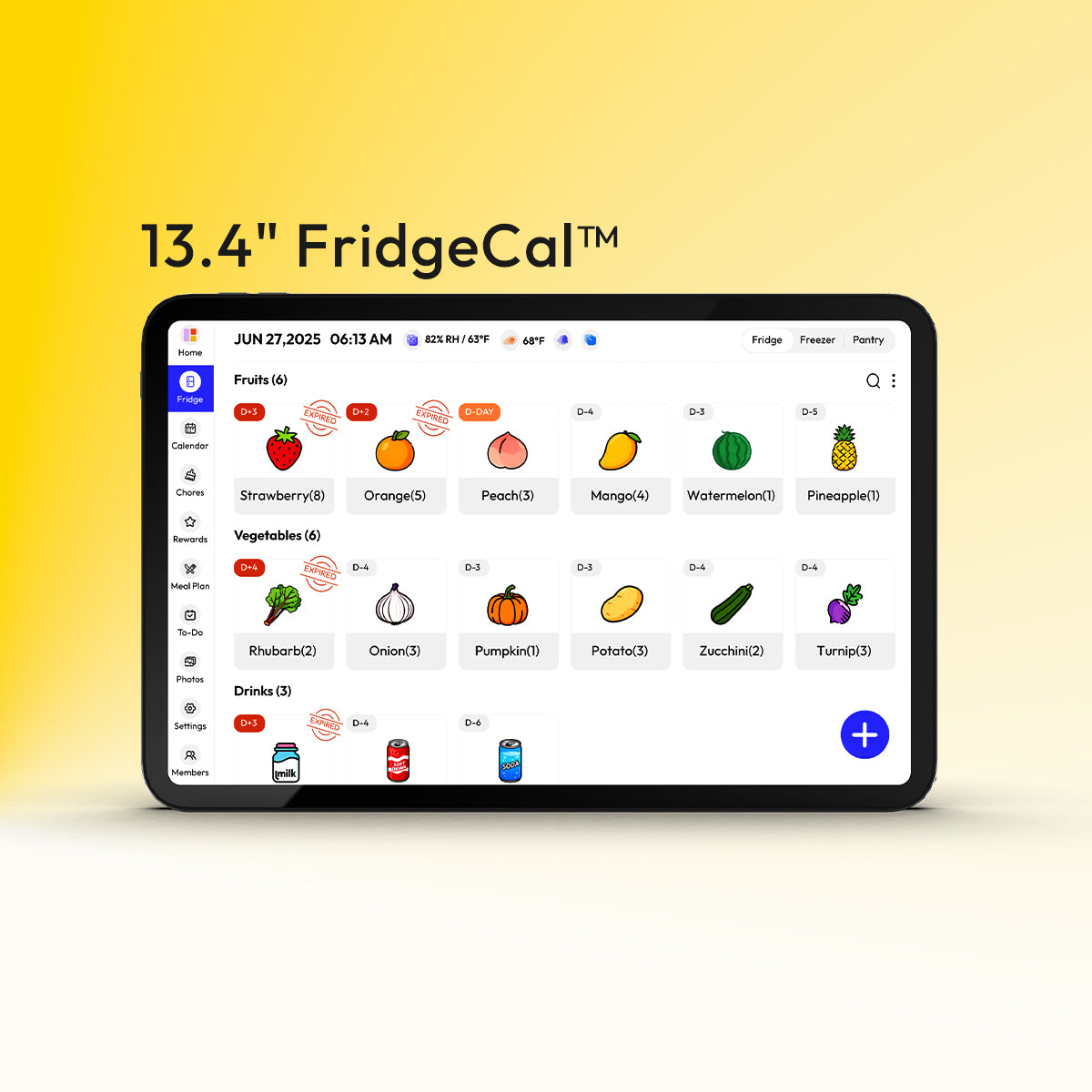
The practical home version is simple: keep firm kiwi in a small bowl on the counter, away from direct sunlight and away from bananas unless you are intentionally speeding things up. If the fruit is for a planned snack, add a reminder to your digital fridge calendar that says "Check kiwi" for the next morning. That small handoff keeps the task from living in one parent's head.

Ripe Kiwi: The Fridge Is Your Friend
Whole ripe kiwi belongs in the refrigerator because chilling slows softening; one source describes the refrigerator as the best place for perfectly ripe kiwis. This is especially helpful when your family likes kiwi, but not always on the same day you buy it.
Shelf-life advice varies by source, and that difference matters. One source puts the practical refrigerator window at five to 10 days, another says ripe kiwi can last about seven days at room temperature and another 10 days in the refrigerator, while the university nutrition page is more generous and lists up to six weeks for ripe kiwi in the refrigerator. Those differences likely reflect starting ripeness, refrigerator conditions, humidity, and whether the fruit gets stacked or bruised.
For a family kitchen, the safest low-stress plan is to use ripe refrigerated kiwi within one to two weeks, and sooner if it was already soft when you bought it. Longer storage may work in ideal conditions, but it is not the best assumption for lunchboxes, toddler snacks, or weekend meal prep.
Where in the Fridge Should Kiwi Go?
The best spot is somewhere cool, dry, and protected from pressure. One source recommends keeping whole kiwi where it will not be stacked under other fruit, noting that whole kiwi can last longer when it is not crowded. Another source suggests a perforated bag or loose produce bag in the crisper, which works well if the drawer is not packed tight.
In a real family refrigerator, the best spot is often the one everyone can see without crushing the fruit. A shallow container labeled "ripe kiwi" works better than hiding it beneath apples, oranges, and snack cheese. If your fridge calendar supports meal notes, connect the kiwi to a real use: "Kiwi with yogurt Wednesday" or "Slice kiwi for soccer snack Friday."

Pros and Cons of Refrigerating Kiwi
Refrigeration is not automatically good or bad. It is a tool. Used too early, it can stall a firm kiwi before it becomes sweet and spoonable. Used at the right moment, it buys time and reduces waste.
Storage Choice |
Pros |
Trade-Offs |
Counter storage |
Helps firm kiwi ripen naturally and keeps it visible |
Fruit can over-ripen quickly near bananas, apples, avocados, or tomatoes |
Refrigerator storage |
Slows softening once kiwi is ripe and gives families more serving flexibility |
Rock-hard kiwi may not ripen well if chilled too soon |
Paper bag ripening |
Speeds up firm kiwi when you need snacks soon |
Requires daily checking so fruit does not overshoot |
Freezing |
Saves ripe fruit for smoothies |
Thawed kiwi is softer, so it is not ideal for fresh slices |
The deciding question is not "fridge or no fridge?" It is "Do I want this kiwi to ripen, or do I want it to hold?" Counter means ripen. Refrigerator means hold.
What About Cut Kiwi?
Once kiwi is peeled or sliced, it should be refrigerated. A food-handling source says cut or sliced produce must always be refrigerated for food safety, which makes this part less flexible than whole-fruit storage.
For the best texture, slice kiwi close to serving time. One source suggests sliced kiwi stays fresh for about two days, while another gives cut kiwi up to four days in the refrigerator. In a household routine, two days is the better planning target for lunchboxes and yogurt bowls, while the longer window is only a backup if the fruit still looks, smells, and tastes fresh.
Store cut kiwi in a covered container or resealable bag. If it starts to smell fermented, looks slimy, or leaks excessively, skip the "maybe it's fine" debate and compost or discard it. Family food routines work best when the rules are clear enough for another adult, a grandparent, or an older child to follow without negotiation.
Should You Wash Kiwi Before Storing?
Do not wash whole kiwi before storing if you want it to last longer. One source recommends waiting to wash kiwi until you are ready to eat it, and the food-handling source explains that extra moisture can contribute to spoilage. That matters because kiwi skin can hold water in its fuzz, even when it looks dry at first.
The better routine is to store whole kiwi dry, then wash it under running water right before eating or cutting. If kids eat kiwi with the skin on, make the wash step visible: put "wash kiwi" on the snack prep note, not just "slice kiwi." That small wording change can prevent the rushed after-school moment when someone grabs fruit straight from the bin.

Can You Eat the Skin?
Yes, kiwi skin is edible if it has been washed well. The university nutrition page notes that the fuzzy skin can be eaten and may add fiber. Some children dislike the texture, so this is a preference issue rather than a storage issue.
For younger kids or texture-sensitive eaters, peeling may make kiwi more appealing. For teens making smoothies, leaving the skin on can save time. The practical choice is the version people will actually eat, because the most nutritious fruit is still the one that makes it out of the refrigerator and onto the plate.
A Simple Kiwi System for a Fridge Calendar
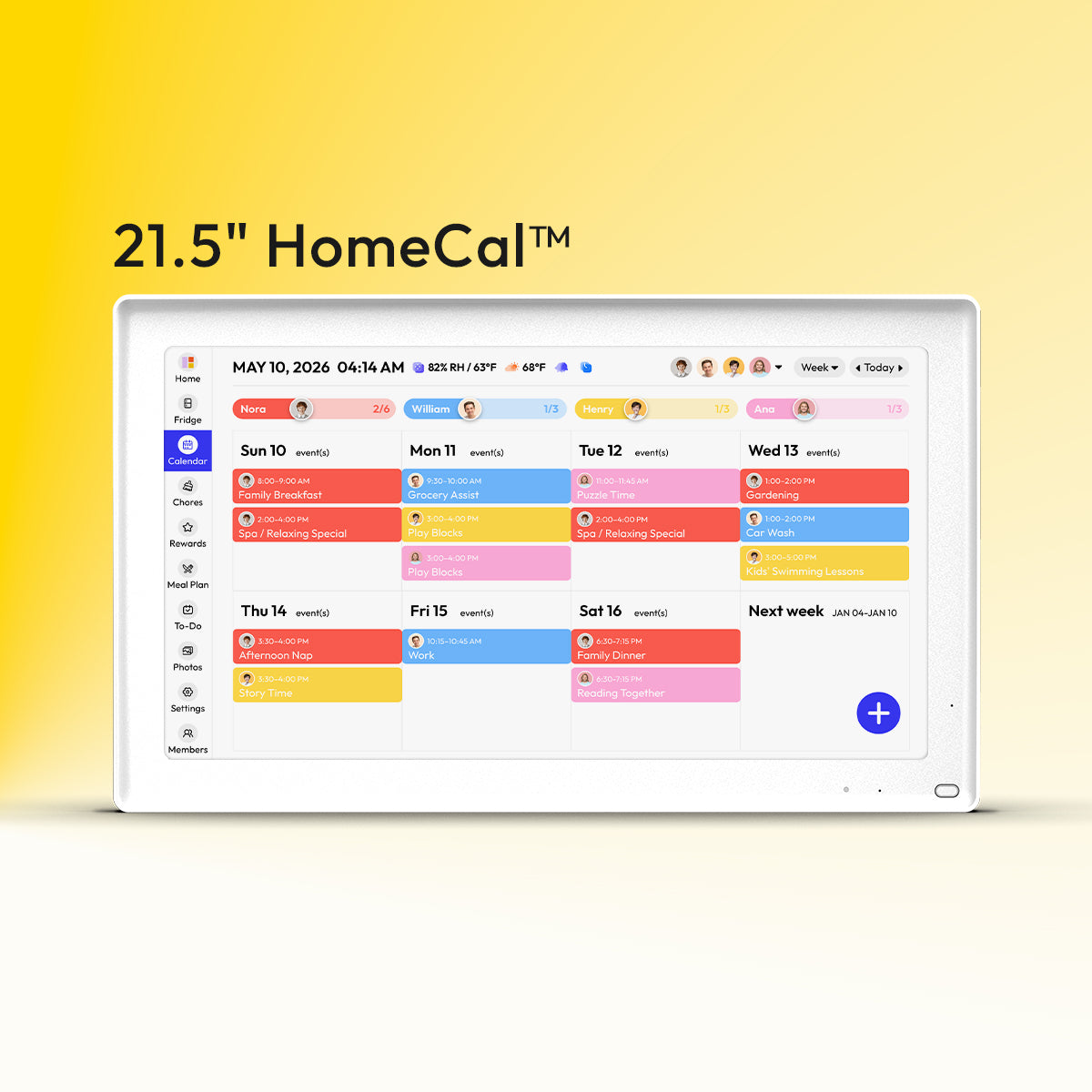
A visible food plan reduces the small household frictions that build up around snacks, lunches, and "what needs using?" decisions. One family-calendar article emphasizes placing a calendar in a shared area and using it for quick household visibility, which fits produce that changes day by day.
In a simple family-fridge routine, kiwi gets a date note, not a guess. When firm kiwi comes home, it goes in a counter bowl with a reminder for the next day. When it gives slightly, it moves to a labeled refrigerator container. When it is sliced, it gets paired with a meal or snack within the next two days.
A calm version looks like this in practice: Sunday groceries include six firm kiwi. Monday morning, the reminder says to check them. Tuesday, two are ripe and move to the refrigerator for Wednesday yogurt bowls. Thursday, the remaining ripe fruit gets sliced for after-school smoothies. No one has to remember the whole chain, because the calendar and the container share the work.
FAQ
Can I put hard kiwi in the fridge?
You can, but it is usually not the best choice if you want it to ripen well. One produce expert warns that very firm kiwi may soften poorly in the refrigerator, so leave hard kiwi on the counter until it gives gently.
How long does kiwi last on the counter?
It depends on ripeness when you buy it. One source gives about five to seven days on the counter depending on ripeness, while another says ripe, uncut kiwi may last about seven days at room temperature. In a warm kitchen or near ethylene-producing fruit, expect the shorter end.
Should kiwi be stored away from apples and bananas?
Yes, unless you are intentionally trying to speed ripening. Apples and bananas can push kiwi along faster, which is helpful for tomorrow's snack but risky for fruit you want later in the week.
Can I freeze kiwi?
Yes, but freeze it sliced rather than whole. One source recommends slicing it first, then freezing the pieces on a tray before moving them to a freezer-safe container. Frozen kiwi is best for smoothies, pops, and sauces rather than fresh fruit plates.
The Calm Family Rule
Let firm kiwi ripen on the counter, move ripe kiwi to the refrigerator, and refrigerate cut kiwi right away. Add one small reminder to your fridge calendar, and kiwi becomes less of a guessing game and more of an easy, cheerful snack your family can actually use on time.


Leave a comment
This site is protected by hCaptcha and the hCaptcha Privacy Policy and Terms of Service apply.