





You stop being the family’s reminder system by moving schedules, chores, and meal plans out of one person’s head and into shared tools everyone can see. The goal is not more nagging; it is visible information, clear ownership, and fewer verbal handoffs.
Are you the person who remembers spirit day, the dog food, the permission slip, and whose turn it is to empty the dishwasher? Families usually get better follow-through when those details live in one shared calendar and one visible home system instead of in one tired brain. This will help you build that setup without turning your house into a second job.
Why One Person Ends Up Holding the Whole Schedule
The work behind the work
What wears people down is mental load: the invisible work of tracking chores, meals, appointments, shopping, school papers, and everyone’s needs before the task even starts. The hard part is often not unloading the dishwasher or getting to soccer. It is remembering that either one has to happen, noticing when it might fall through, and reminding everyone else in time.

Why reminders keep sticking to one parent
That hidden planning work often lands on one parent, and research summaries on family mental labor describe a large gap, including one cited 2022 survey that put women at 21 hours a week of unpaid household management versus 8 hours for men. The point is not to blame one person. It is to notice what often breaks when one adult becomes the default memory for the whole house.
Why “just tell me what to do” is not a fix
Even helpful intentions can backfire because asking what can I do to help still requires someone else to stop, scan the household, decide the next task, and hand it off. If a job still depends on reminders, follow-up, or praise to happen, the planning burden has not really moved. That is why the fix is not better reminding. It is a system that shows the work and assigns it before the last-minute scramble starts.
Give Each Planning Tool One Job
Use the calendar for anything tied to time
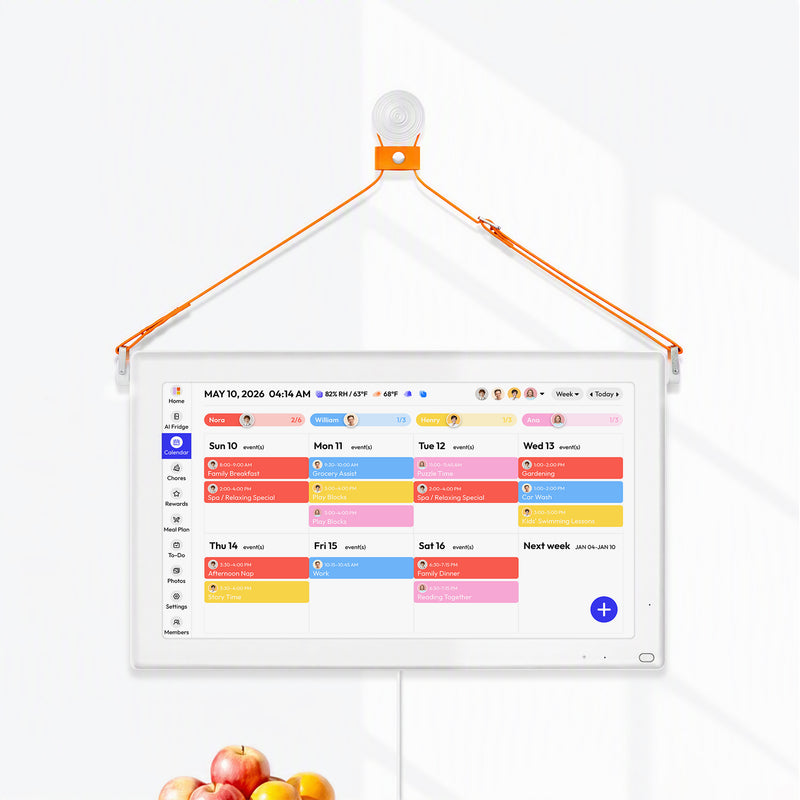
A shared color-coded family calendar works best for time-based commitments: appointments, practices, half-days, bill due dates, pickup changes, and dinner plans that must happen on a certain day. Good calendar items answer two questions fast: when is it, and who is responsible? They should also hold the small detail that prevents a second reminder, like the address, what to bring, or which adult is doing pickup.
Use a chore chart for repeatable household work
A weekly chore rotation is better for repeatable tasks that do not need a calendar event every time. In one family with three children, each child kept the same chore for a full week, then rotated the next week. The routine included about 10 minutes before school and 10 minutes after dinner, and the repetition helped reduce arguing and forgetfulness because the expectation stayed steady.
Use a command center for paper, drop zones, and tonight-tomorrow visibility
A family command center earns its keep when your friction is physical: school papers, mail, keys, backpacks, meal notes, and all the “don’t forget this on the way out” items. The most useful setups sit in a high-traffic spot such as near the kitchen or garage door and hold a visible calendar, a paper area, and a simple drop zone. This is the place for things phones handle badly, like a field trip form that has to leave the house tomorrow morning.

Build the Smallest System That Covers Your Real Friction
App-only works when everyone checks a screen
An app-based family organizer can be enough if every adult already lives by phone alerts and the main problems are schedule changes, grocery lists, and meal plans. Shared calendars, to-do lists, shopping lists, and meal planning live in one place, which can cut down on the “Can you remind me tomorrow?” loop.
Wall-based works when people ignore alerts
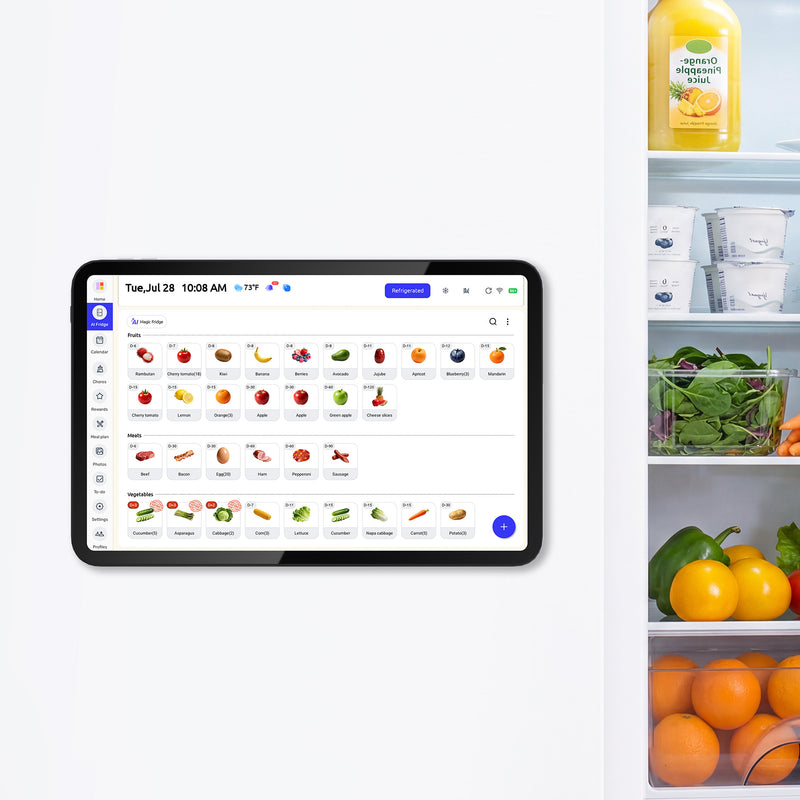
A 2026 comparison of family calendar tools shows the trade-off clearly: app-based options can start free or low-cost, while wall displays can run from $169.99 to $599, with some optional subscriptions on top. That extra cost only makes sense if your family reliably notices a screen on the wall but ignores what is on a phone. In that kind of setup, a wall-mounted shared display such as the Everblog digital calendar can make sense because it gives the household one screen for plans, tasks, chores, and events. If that is not true in your house, a dry-erase board or paper calendar may give you the visibility you want for much less work and money.
Hybrid is usually the sweet spot
A visible home planning station plus a shared phone calendar is often the most durable middle ground. Use the phone for live updates, recurring reminders, and changes from school or work. Use the wall for papers, meal notes, keys, and the fast glance everyone needs before bed or before walking out the door. That split keeps the system small and gives each tool one clear job.
Make Responsibility Visible, Not Just Tasks
Assign full ownership, not helper status
What reduces resentment fastest is full responsibility for a job. In one family gathering system, a shared document assigns dinner cooks, kitchen cleanup, and house cleanup ahead of time, and the person on duty is fully responsible while the person off duty is truly off. That same idea works at home: one adult owns school forms this month, another owns pet care, a teen owns trash day, and nobody needs a second manager standing beside them.

Keep chores stable long enough to become automatic
A repeat-the-same-chore rhythm often works better than daily switching, especially for kids and tired adults. Repetition gives people time to learn what the job includes, where supplies live, and what “done” looks like. If every day feels like a new assignment, reminders multiply because the routine never has time to settle.
Decide what “done” means before the rush
A trial-run chore system is more realistic than trying to design the perfect chart on day one. One family of 12 started by identifying daily needs, matching tasks to capable children, posting the chart, and refining it over the first weeks. That is a useful model for any household: make the standard visible, expect adjustments, and fix the chart instead of turning every miss into a character issue.
Help the System Work for Different Brains
Make executive function visible, not personal
Under stress, mental load can drain executive function, which is the set of skills that helps people start tasks, remember steps, and switch gears. That matters in family life because a person can care about dinner, practice, or the permission slip and still miss it when the cue lives only in a conversation from two days ago. A shared system turns memory into something the room can hold, not just one person’s brain.

Reduce the number of steps between seeing and doing
What may help is a shared family dashboard with fewer places to check, not more. Put meals, schedules, to-dos, and shopping lists where the household already looks. Then pair that with physical cues at the point of action: the backpack hook by the door, the paper tray marked “sign today,” or the dog food scoop stored right by the bin.
Use reminders as supports, not as a second parent
A shared calendar with reminders and agenda emails can support follow-through without turning one adult into the backup alarm for everyone else. This can be especially useful if someone in the home has ADHD traits, forgetfulness under stress, or trouble shifting between tasks. A household planning tool is not treatment, and it will not solve relationship strain by itself, but it can lower the number of verbal prompts needed to keep daily life moving.
Practical Next Steps
You do not need a more impressive planning system. You need one that makes the next decision obvious, shows who owns what, and still works on a busy Tuesday.
- Pick one shared calendar and enter only time-based items for the next 14 days.
- Choose one visible home spot for papers, keys, backpacks, and tomorrow’s must-not-forget items.
- Write down 3 to 5 recurring chores and assign one owner to each for a full week.
- Add one short weekly reset, such as Sunday at 5:00 PM, to update the calendar, meal plan, and school papers.
- Stop using “help” as the default language and switch to ownership: who owns dinner, who owns forms, who owns pet care, who owns cleanup.
- If the system fails, change the cue, location, or assignment before assuming the person does not care.
FAQ
Q: Should we use a digital calendar or a wall command center?
A: Use the tool your household will actually notice. Phones are better for live updates and reminders. A wall setup is better for papers, drop zones, and quick shared visibility. Many families do best with both.
Q: What if my partner says reminders just help them?
A: Occasional reminders are normal. The problem is when the task still depends on one person’s memory every time. Move the job into a shared calendar, checklist, or weekly ownership so the reminder comes from the system instead of from you.
Q: Do kids need their own reminders too?
A: Usually yes, but keep them simple. A color on the family calendar, one weekly chore, and a visible spot for school items often works better than a long list of changing instructions.
Disclaimer
This article is for household planning education only. It is not a substitute for mental health care, medical advice, legal advice, or crisis support. If safety, custody orders, or a diagnosed condition are involved, work with the appropriate licensed professional.
References
- A publication: Mental Load: Examples, How to Talk About It, & More
- A company: Why Mental Load in Relationships Matters and How to Share It
- A company: Understanding Mental Load: A Hidden Burden Women Carry
- A publication: How to Create a Chore Schedule That Actually Works
- A brand: The 10 Easiest Family Command Centers to Get Organized
- A person: Family Meal & Clean Up Chart for Family Gatherings
- A publication: Chore System for Our Family of 12
- A platform: Happy Family Organization
- A brand: Best Digital Family Calendar for Planning & Chores in 2026
- A platform: a platform family organizer


