
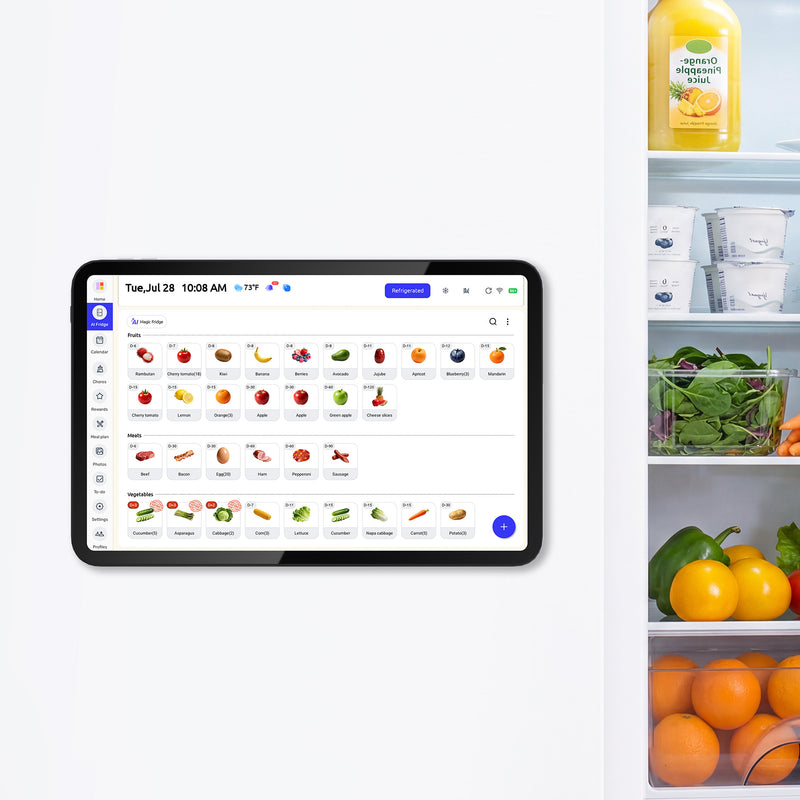


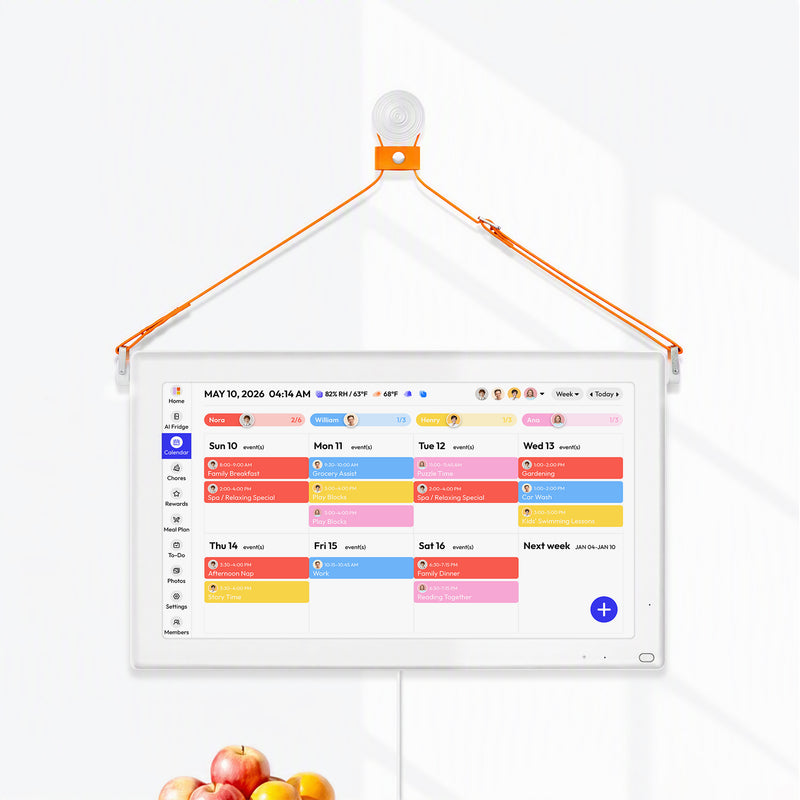



A day planner gives a busy household one clear view of the day so everyone knows what matters and what happens next. When the plan is visible and shared, daily logistics become easier to manage.
Does every Tuesday morning seem to unravel before breakfast, with one child asking about practice, another looking for a permission slip, and you checking three different apps to remember dinner? Homes that feel calmer usually are not less busy. They simply follow one planning rhythm that everyone can see and use.
What a day planner really is
In family life, a day planner is not just a place to write appointments. It is a daily decision tool that shows who needs to be where, what has to happen at home, and what cannot be forgotten before the day gets crowded. A personal calendar can hold one person’s schedule, but a shared family calendar gives the whole household visibility, which matters when children, caregivers, and working parents all affect the same afternoon.

That is why many families outgrow phone-only planning. When schedules live in separate apps, text threads, paper notes, and one parent’s memory, the result is often separate household schedules instead of coordination. In practical terms, a good day planner becomes the one place to check school drop-off, soccer practice, dinner plans, medication reminders, library books due back, and whose turn it is to unload the dishwasher.
How it works in a busy family home
Most families need three planning layers at once. The big picture shows the month’s appointments and school events. The weekly view shows pressure points, such as two late pickups on Thursday. The daily view shows what must happen today, in order, without guesswork. That layered approach is a three-level planning setup because it keeps the family from trying to solve every problem at the same level of detail.
The system works best when it is visible and easy to scan. In practice, that usually means color-coding by person, keeping recurring events consistent, and limiting the screen or page to the details the family needs most. A 10-minute weekly review habit is especially useful because it catches surprises before they become morning stress. In a real home, that review might happen on Sunday evening: add the field trip on Wednesday, block 5:30 PM for tacos and grocery pickup on Monday, and note that Friday needs an early bedtime because Saturday starts with an 8:00 AM game.

A day planner also helps children participate instead of waiting to be managed. A visible refrigerator calendar gives kids a concrete way to see homework, chores, and activities. Children who can see the plan often ask fewer repeated questions and prepare earlier, whether that means setting out swim gear, remembering instrument day, or noticing that Thursday is the night to bring cupcakes for class.
Why a digital day planner often helps families more than a private one
For a busy home, the main advantage of digital planning is not novelty. It is shared access, real-time updates, and reminders that move with the family. A shared family planning system can reduce missed appointments and scheduling conflicts because everyone is working from the same current version rather than an old paper note or a buried text.
Families should still be honest about the tradeoffs. A portable shared planner is easy to carry and share, but it can also bring syncing issues, screen fatigue, battery dependence, and privacy concerns. That is why the best approach is often a mix: phone access for updates on the go and a wall or fridge display for visibility at home. Families usually do not need to choose between digital and visible. They need both.
Setup |
What it does well |
Where it can fall short |
Phone or tablet app |
Easy updates, reminders, portable access |
Kids may not see it, and one parent can still become the default manager |
Wall or fridge display |
Shared visibility, quick check-ins, stronger household habits |
Hardware cost, possible subscription fees, needs good placement |
Paper or magnetic weekly board |
Very simple, child-friendly, no battery needed |
Harder to update remotely, no automatic reminders |
What to put on a family day planner
A day planner should hold only the information that changes behavior. In most homes, that means appointments, school events, work travel, pickup plans, meal notes, chores, and reminders with real deadlines. A family calendar is most useful when it includes not just events but also routines, notes, and task checklists, because family stress rarely comes from one forgotten dentist visit alone. It comes from the dentist visit, the forms, the early dismissal, the delayed dinner, and the dog needing to be fed before everyone leaves again.

A simple example shows why this matters. If Wednesday includes school pickup at 3:15 PM, piano at 4:30 PM, leftovers for dinner, and a reminder to sign a permission slip, that is not too small for the planner. Those details are exactly what keep the day from turning into five separate interruptions.
How to set up a planner your family will actually use
The best setup is usually the one with the least friction. If your family already uses major calendar platforms, start there and combine them into one shared household view. Families that want a stronger kitchen command center often do well with a wall-based calendar or fridge-mounted display because it creates passive visibility without asking everyone to remember one more app.
Placement and routine matter more than extra features. A display or planner in a low-traffic room will be ignored, while one in the kitchen gets checked naturally during breakfast, after school, and before bed. Advice for real households consistently points to the same pattern: keep the weekly review short, assign colors consistently, add recurring events first, and let children participate at their level.

It also helps to resist the urge to overbuild. A calendar app with advanced scheduling tools can handle time blocking, task integration, and automated suggestions, but a busy family does not need every advanced feature on day one. Start with school, work, meals, and transportation. Once that feels stable, add chores, packing lists, or routine checklists only if they solve a real problem.
When a simple planner is enough, and when you need more
A basic shared calendar is enough if your main issue is remembering where everyone needs to be. If the real problem is that one person carries the mental load for meals, chores, reminders, school forms, and logistics, the household usually needs a more visible and collaborative family command center. It does not have to be expensive, but it does have to become the trusted source of truth.
A useful test is simple: if your family still asks, “What’s for dinner?” “Who’s picking me up?” or “Do I have practice today?” several times a week, the current system is probably not visible enough. The planner is not failing because your family is disorganized. It is failing because the information is not reaching people in a form they can act on.
A good day planner will not make family life perfectly tidy. It will make the day easier to see, easier to share, and easier to carry together, which is what most busy homes actually need.


