
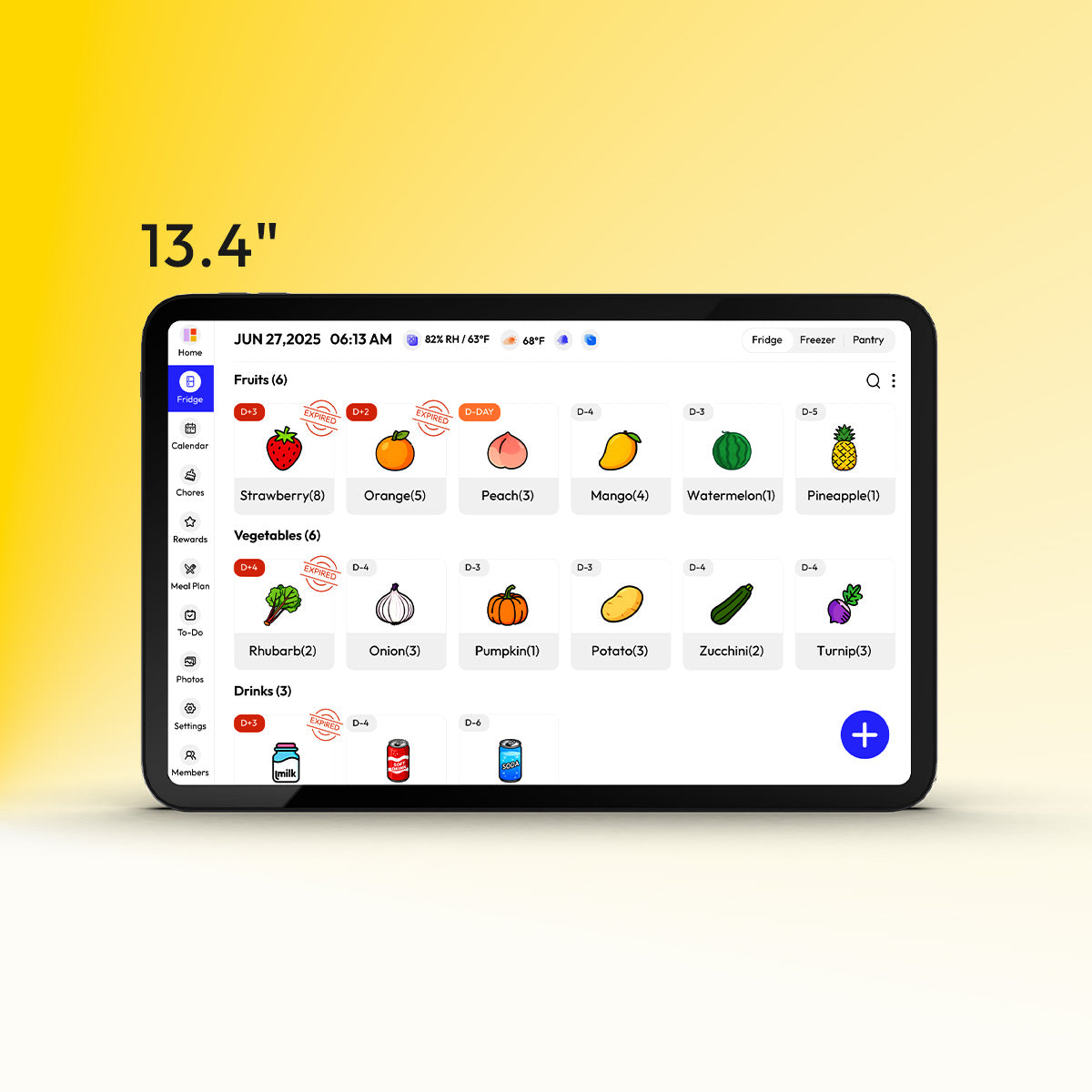
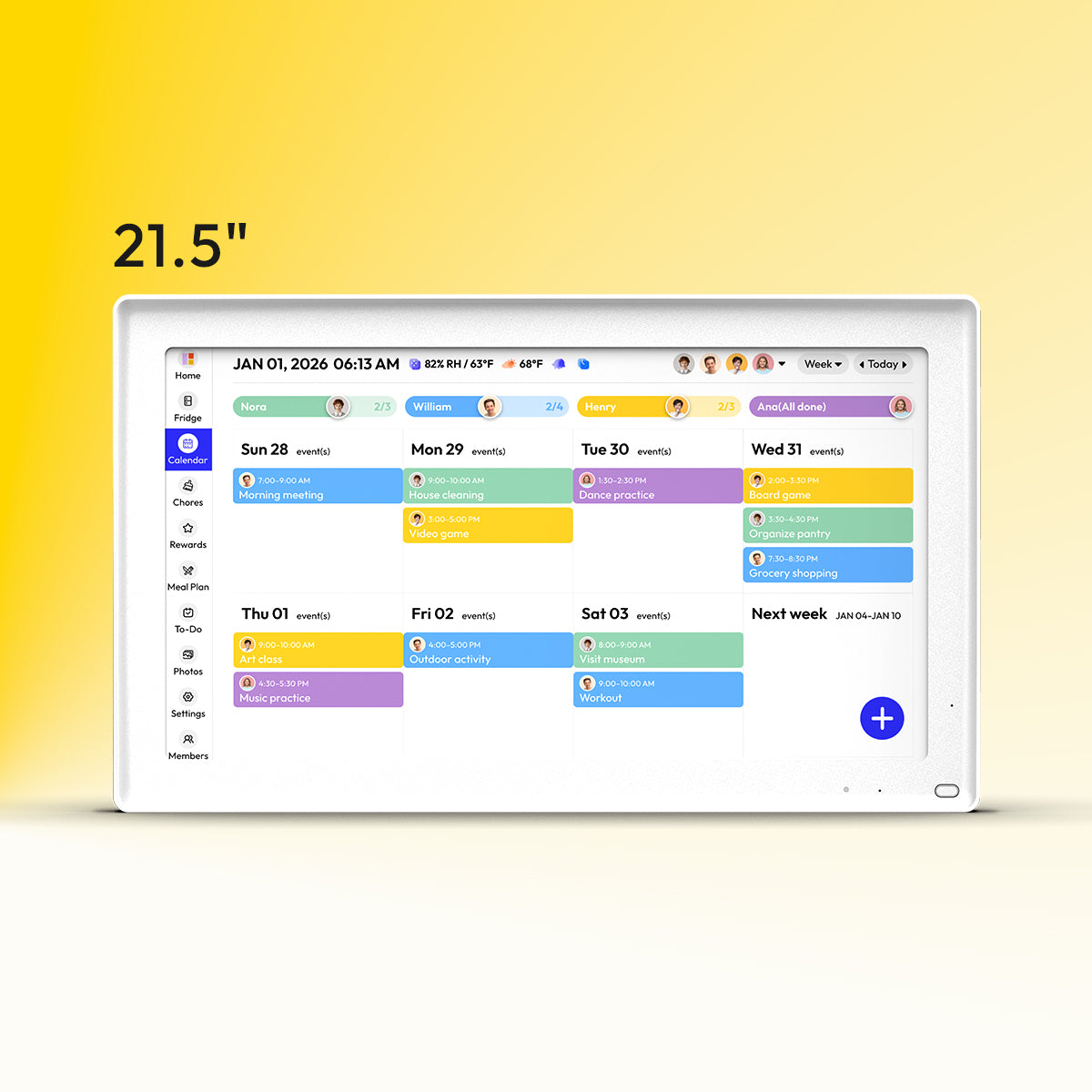
Mental load becomes easier for older kids to understand when they can see the full planning cycle, not just the visible chores. When families share planning ownership through one calendar, one home-organization system, and one meal workflow, Mom is no longer the default reminder for everything.
Ever hear, “I can help, just tell me what to do,” and still feel completely drained by bedtime? In a large U.S. parent survey, moms reported carrying about 71% of household mental-load tasks, which explains why “help” can still feel lonely. You’ll get a clear way to explain this to older kids and a practical system they can actually use.
Why Mom Feels Tired Even When Everyone Is “Helping”
The Work Behind the Work
Mental load often falls on one parent even in homes where both adults care deeply and do visible chores. The exhausting part is usually the invisible layer: noticing what is coming, planning around conflicts, remembering forms, tracking supplies, and reminding everyone before something breaks.

A survey of about 3,000 U.S. parents found mothers reported handling about 71% of household mental-load tasks overall, and about 79% of daily core tasks. Fathers reported lower involvement on those daily tasks and were more likely to see the load as equally shared, which helps explain why families can disagree about whether things feel “fair.”
Show the Full Job, Not Just the Visible Step
Teach the Whole Task Chain
The doctor-visit example is a useful script for older kids: someone has to notice symptoms, pick a provider, schedule, add it to the calendar, arrange transportation, attend, track medication, and book follow-up. Going to the appointment is one visible step; managing the chain is the real job.
The most draining part is future-tracking, so explain mental load in plain family language: chores are “doing,” but mental load is “noticing, planning, and reminding.” Kids usually understand quickly when you compare “taking out trash” with “remembering pickup day, checking bag supply, and replacing liners before they run out.”
Build a Shared System Kids Can Actually Use
One Calendar, One Home Hub, One Meal Plan
A collaborative family calendar setup works best when events, routines, and responsibilities are visible in one place, with color-coding by person and weekly check-ins. This structure supports organization, reduces anxiety, and builds independence, especially for kids who struggle with executive functioning.
Many families run multiple systems at once, like a fridge calendar, shared digital calendar, sports apps, and messaging threads. Centralization lowers missed tasks, but overpacked calendars can raise anxiety, so the goal is not “book every square,” it is “know what matters this week.”
A single shared logistics system with reminders reduces the “I didn’t know” cycle that creates resentment. In practice, this means one family command center for schedule, tasks, and meal/grocery planning, plus automated reminders so memory is not carried by one exhausted person.

Give Older Kids Ownership, Not Reminder-Based Chores
Assign Domains, Not One-Off Tasks
Full-cycle ownership examples show kids what responsibility really means: trash includes liners and pickup timing, laundry grows into full ownership by age 15, and haircut scheduling can shift around age 16. Even the dated checklist updates (7/10/2025, 7/14/2025, 7/16/2025) model that systems improve over time instead of becoming perfect overnight.
A weekly chore system for multiple kids helps if you separate daily chores from weekly chores, rotate high-friction jobs, and make fairness visible on one board or app. Older kids can also mentor younger siblings on paired tasks, which reduces Mom’s reminder load and teaches teamwork.
A a company is one of the strongest ways to transfer both practical and cognitive labor. Start with one fixed dinner night for 8 weeks, use beginner recipes (about 10 ingredients, listed cook time under 30 minutes), and follow safety basics: avoid the 40°F-140°F danger zone, refrigerate perishables within 2 hours, and reheat leftovers to 165°F.

Protect Mom From Decision Fatigue
Reduce Daily Choices Before They Pile Up
Default-parent decision fatigue can build from 7:00 AM to 9:00 PM through nonstop food, school, transportation, health, and prep decisions. Older kids can help most when they reduce repeated choices, not when they wait for instructions at the last minute.
The mental-load gap is tied to stress and burnout, and working mothers are reported as about twice as likely as fathers to consider reducing work due to parenting responsibilities. Framing this for kids is not about blame; it is about fairness, stamina, and making home life sustainable for everyone.
A Thursday scheduling rhythm and Sunday meal-prep routine gives families a repeatable pace that older kids can join. Pair that with a rotating list of 7-10 dinners, a front-door launchpad for school/sports items, and auto-ship essentials so fewer decisions are left for tired evenings.
Practical Next Steps
Start with a 20-minute family meeting this week and name one invisible job each person did that nobody saw. Then pick one shared system for schedule, one for tasks, and one for meals/groceries so older kids can see the full workflow, not just the final chore.
Use this ownership sequence for the next 30 days:
- Assign each older kid one full domain (for example: pet care logistics, one extracurricular, or one dinner night).
- Require end-to-end ownership: planning, calendar entry, supplies, execution, and cleanup.
- Run a weekly Sunday check-in: what worked, what was missed, what gets adjusted.
- Keep standards “good enough” at first, because consistency matters more than perfection.
- Track one family outcome: fewer reminders, fewer conflicts, or fewer missed items.
Important Note
The insights and strategies shared here are intended for support and educational purposes only. They do not constitute professional medical advice, clinical diagnosis, or psychological treatment. Neurodiversity and complex family dynamics require personalized care; if you or a family member are experiencing significant challenges, please consult with a licensed healthcare professional or a certified counselor to receive support tailored to your specific situation.
References
- The Mental Load of Modern Parenting and How to Share It
- Teaching Kids About Mental Load
- The Invisible Load: Default Parent Burnout
- Creating a Collaborative Family Calendar
- How to Organize a Weekly Chore Schedule for Multiple Kids
- Teen Cooking Dinner Weekly Guide
- Mental Load Study Summary
- Shared Calendars and Parenting Stress




Leave a comment
This site is protected by hCaptcha and the hCaptcha Privacy Policy and Terms of Service apply.