







A calmer morning usually starts with a 15-minute reset the night before. Focus on five small moves: check tomorrow's schedule, prep food, stage essentials, tidy the launch zone, and protect bedtime.
Start With the Shared Schedule
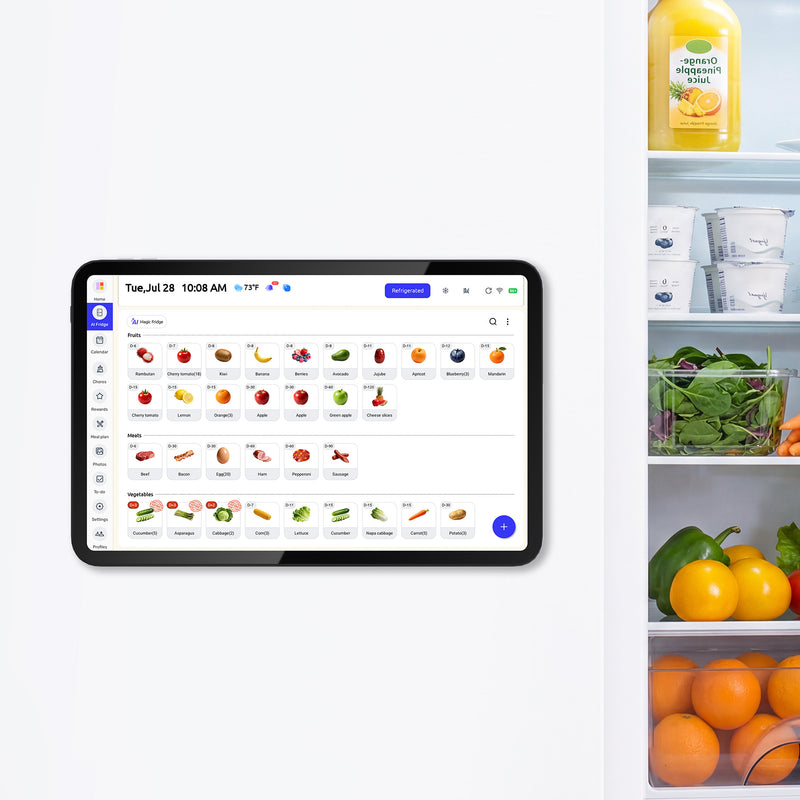
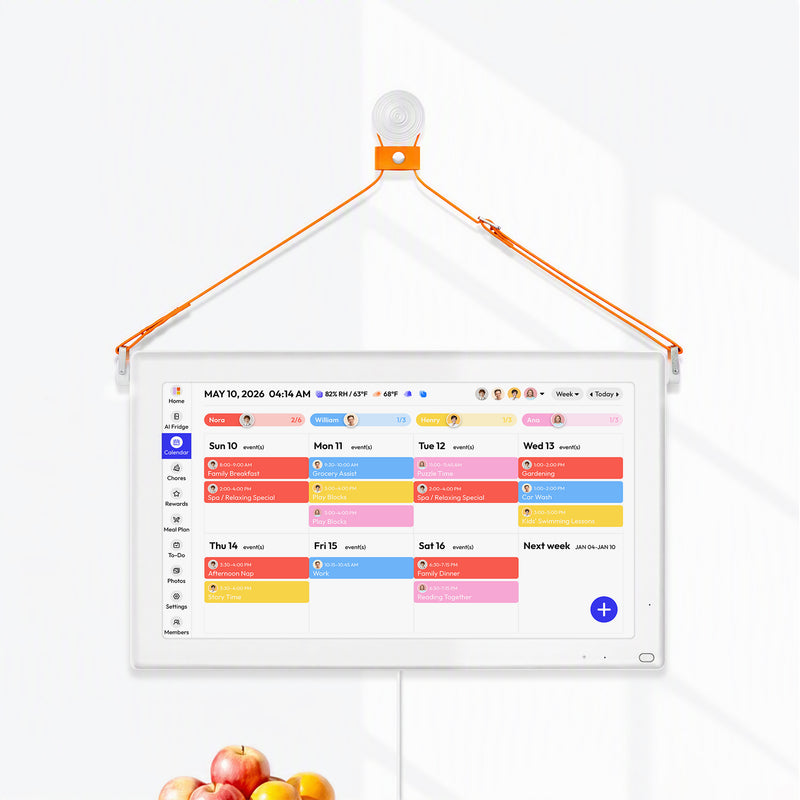
Before anyone disappears into homework, showers, or screens, do a two-minute calendar check. A visible kitchen calendar works because the fridge naturally becomes the family's command center, especially when appointments, school events, meals, and reminders need to be seen by everyone at once.
If you use a digital fridge calendar, sync it with the calendar your family already trusts. Shared systems are most useful when schedules, tasks, and grocery needs are visible instead of sitting in one parent's head, which is why digital calendars can lower the daily mental load.
Quick check:
- Who needs to leave first?
- What needs to be packed?
- Is there a practice, meeting, form, or payment?
- What dinner plan affects tomorrow's lunch?
Prep Food Before Decisions Get Loud
Morning food choices can turn into negotiations, delays, and "we're out of that" moments. Tonight, choose breakfast, pack what you can, and place lunch items together in the fridge.

A weekly meal board can also reduce the nightly "what's for dinner?" spiral; one acrylic fridge calendar review found that planning meals on a visible weekly board helped with groceries, takeout decisions, and mealtime stress.
For kids, make the easy choice the approved choice. Put yogurt, cheese sticks, cut fruit, or packed snacks in one low bin so children can help without digging through the whole fridge.
Set Up the Morning Launch Zone
Pick one place near the door, mudroom, or kitchen counter where tomorrow's essentials land. This is not about creating a perfect home; it is about preventing the 7:18 AM backpack hunt.

Set out:
- Backpacks, laptops, and chargers
- Shoes, coats, sports gear, and instruments
- Keys, wallet, badge, and sunglasses
- Signed forms, returns, and library books
- Clothes or uniforms for the next day
This works best when every family member owns one small piece. A younger child can choose shoes. A teen can plug in a device. A partner can refill water bottles.
Do a 10-Minute House Reset
A short reset is enough. Clear the sink, wipe the main counter, move clutter into baskets, and take out the trash if it will smell by morning.

The goal is not deep cleaning. It is removing the first few points of friction your family will meet after waking up. Evening routine advice often recommends choosing only the tasks that make tomorrow feel lighter, such as dishes, clothes, lunch prep, and a quick planner review; a routine can be as short as 10 minutes.
A useful rule: if it will block breakfast, leaving the house, or finding something important, handle it tonight.
Close the Day So Sleep Can Actually Happen
The checklist should end before it turns into another chore marathon. Set a stop time, dim the house, and write down any loose thoughts that keep circling.
A nighttime routine can reduce bedtime stress by preparing for the next day, and even 15 to 30 minutes of evening prep may make mornings feel less rushed, according to nighttime routine guidance. For many parents, a five-minute brain dump is the difference between resting and mentally rehearsing tomorrow.
The best checklist is the one your family will repeat on a tired Tuesday, so keep it boring, visible, and short.


