







Resentment drops when invisible planning work becomes visible, owned, and reviewable. A fair system is less about doing more and more about assigning the right work clearly.
Do you ever finish a normal weekday and still end up in the same “I carry everything” argument? That pattern usually starts long before the visible chores, inside the invisible work of remembering, planning, and monitoring. This guide gives you a practical framework to split that load fairly, run it with simple tech, and keep it working over time.

Why Resentment Starts in the Invisible Layer
The default manager problem
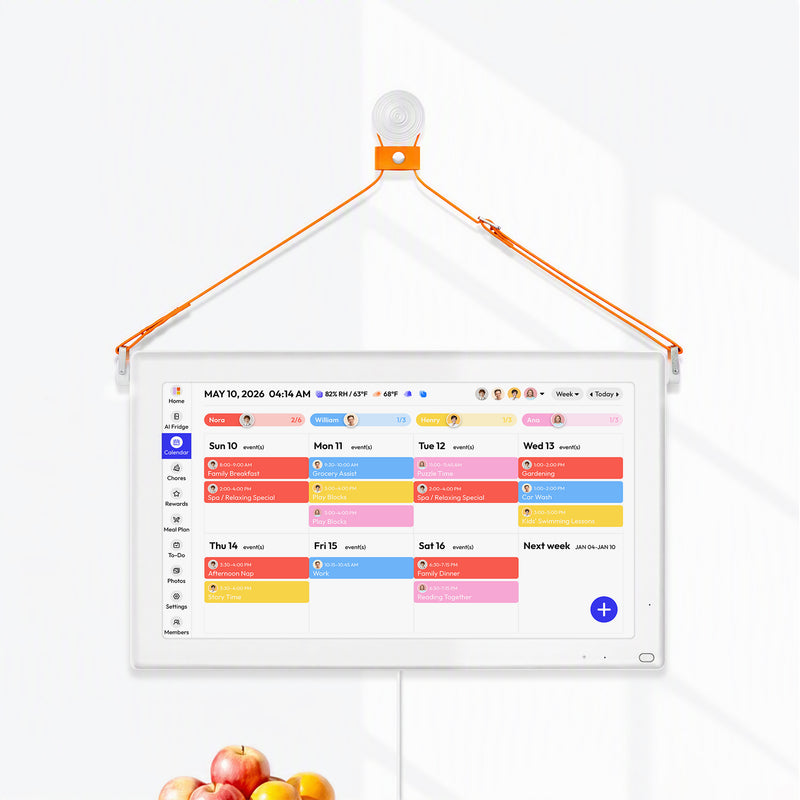
The ongoing cognitive work of schedules, appointments, and household follow-through is easy to miss unless both partners can see it in one place, which is why a a company view matters.
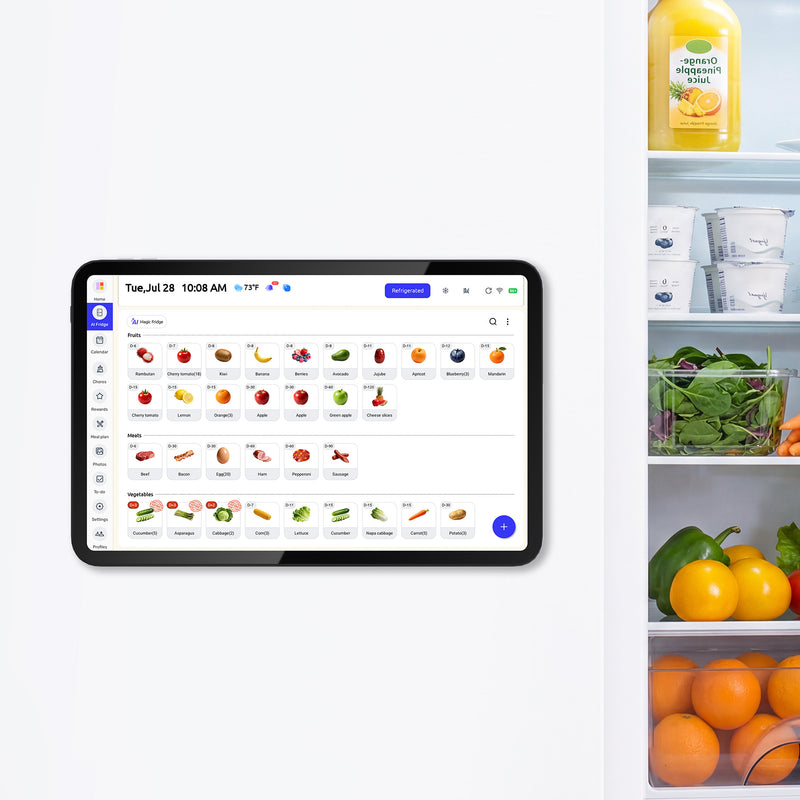
Responsibility drifts to one person when reminders and last-minute updates are private, so a visible kitchen display with color-coded ownership helps both adults act from the same information at the same time through a a company.
Hard-deadline systems show why explicit ownership prevents conflict: missing species ID or entry windows can block participation entirely, even if everything else is complete, which makes species ID and entry deadlines a useful model for household accountability.
A Fair-Play Framework You Can Run at Home
Map each task as an ownership unit
Fairness improves when each recurring job has one owner, one standard, one due time, and one backup, similar to chart-based safety rules that pair actions with clear limits.

Vague standards create repeat arguments, so define measurable quality bars (for example, “laundry folded and put away by 9:00 PM Wednesday”) the same way safety systems rely on clear refrigeration thresholds.
One-owner rules are sustainable only when ownership includes conception, planning, and execution from first reminder to completion, like the single 40°F storage baseline that removes ambiguity in perishable storage.
Task card template
Use this simple template for every recurring task:
- Task name
- Owner (single person)
- Minimum standard of care
- Trigger/date/time
- Backup person and handoff rule
A 30-Day Rollout Plan
Four-week implementation timeline
A working rollout is usually Week 1 audit, Week 2 assignment, Week 3 handoff testing, and Week 4 rebalancing, mirroring step-by-step fair process flow models that separate prerequisites from execution.
In Week 1, build one household source of truth: fixed dates first, recurring chores second, reminders third, using a a company so ownership is visible before tasks become urgent.

In Week 3 and Week 4, run a 10-minute weekly review using a high-visibility board to catch drift quickly, since a company reduce missed handoffs and last-minute escalations.
Use Food Safety Tasks to Make Mental Load Concrete
Convert memory into visible rules
Food routines are a strong pilot category because the rules are objective: official storage temperatures set refrigerator at 40°F or below and freezer at 0°F or below.
You can post plain-language timers for common decisions from cold storage time ranges, such as leftovers in 3–4 days, raw ground meat in 1–2 days refrigerated, and soups/stews frozen around 2–3 months for quality.
Handoff quality should include safety triggers, because danger zone guidance identifies 40°F to 140°F as the range where food risk rises and fast action matters.
Failure Points That Break Fair Systems
What to fix before resentment returns
Fair systems usually fail when visibility is optional, even though two basics of safe practice in risk-control environments are always clear standards plus consistent storage of shared information.

Update chaos is another failure point, so define one official household update channel and cadence, just as dates and times subject to change workflows specify where revised information will appear.
Over-automation also backfires, so keep reminders focused on decisions that affect safety, deadlines, or money; using home cold-storage priorities as a model helps filter signal from noise.
Practical Next Steps
14-day starter checklist
The fastest start is one visible command center that both partners use daily, because a company habits make planning work observable instead of assumed.
- List all recurring weekly tasks, including planning and reminder work.
- Assign one owner per task (no shared ownership).
- Write a minimum standard of care for each task.
- Add due times and reminders in one shared system.
- Define a backup person and handoff rule for each task.
- Run a 10-minute review every week at the same time.
A first meaningful rebalance is realistic within 30 days when you combine visibility and weekly ownership checks through a company.
Important Note
The planning templates and organizational systems provided here are intended as adaptable blueprints. Every family’s needs, dietary requirements, and physical capabilities are different. We recommend tailoring these schedules to your specific health needs and household dynamics. Results from productivity or meal-planning systems may vary, and consistency remains the responsibility of the individual user.
References
- https://everblog.com/products/21-5-inch-everblog-calendar
- https://everblog.com/products/everblog-13-4-inch-fridgecal-calendar
- https://extension.purdue.edu/county/kosciusko/4-h-storage/2026-rule-book.pdf
- https://www.foodsafety.gov/food-safety-charts
- https://www.fsis.usda.gov/food-safety/safe-food-handling-and-preparation/food-safety-basics/refrigeration
- https://ask.usda.gov/s/article/At-what-temperature-should-perishable-foods-be-stored
- https://www.foodsafety.gov/print/pdf/node/15?id=foo-bar-baz
- https://www.foodsafety.gov/es/food-safety-charts/cold-food-storage-charts


