


A calming kitchen setup works best when you combine slow nature visuals with gentle broadband sound, then tune both so they soften clatter without masking important cooking cues.
Does your kitchen feel visually busy and sonically sharp even when it is clean and organized? In a December 2023 study with 27 people who experience visual snow, longer exposure to dynamic visual noise temporarily made the flicker weaker or even invisible for most participants. You can borrow that same adaptation idea to make everyday prep feel steadier, with a setup you can build in one short session.
Start With the Calm End State
What “visual white noise” means in a real kitchen
Research on visual adaptation shows dynamic visual noise can temporarily reduce visual snow, and longer exposure tends to extend relief. For kitchen design, that translates into one practical principle: use gentle, continuous movement (rain on glass, tree canopies, shoreline mist) instead of sharp edits and high-contrast motion graphics.

In practice, aim for a “soft background window” effect. In a typical 10 ft x 12 ft kitchen, place the visual source off to the side of your primary prep line so you can glance at it, not stare at it. You want atmosphere in your peripheral vision, not a second screen competing with your knife work.
Your success metric is simple: after 10 to 15 minutes of prep, your shoulders and eyes feel less tense, and conversation is still easy at normal speaking volume. If the scene pulls your attention away from food tasks, the visuals are too active or too bright.
Choose Your Loop Materials and Trade-Offs
Visual layer options
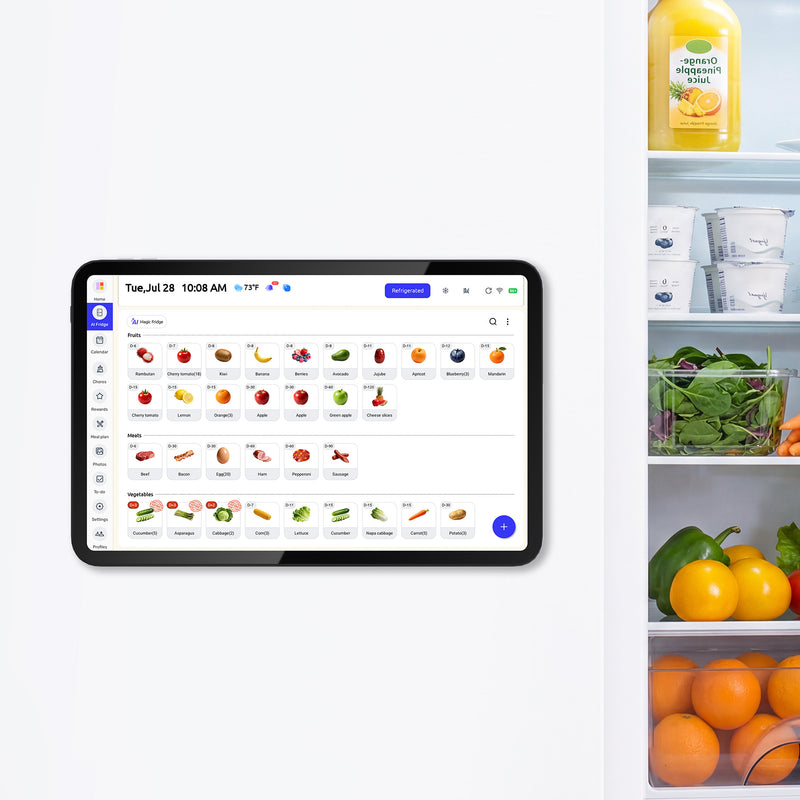
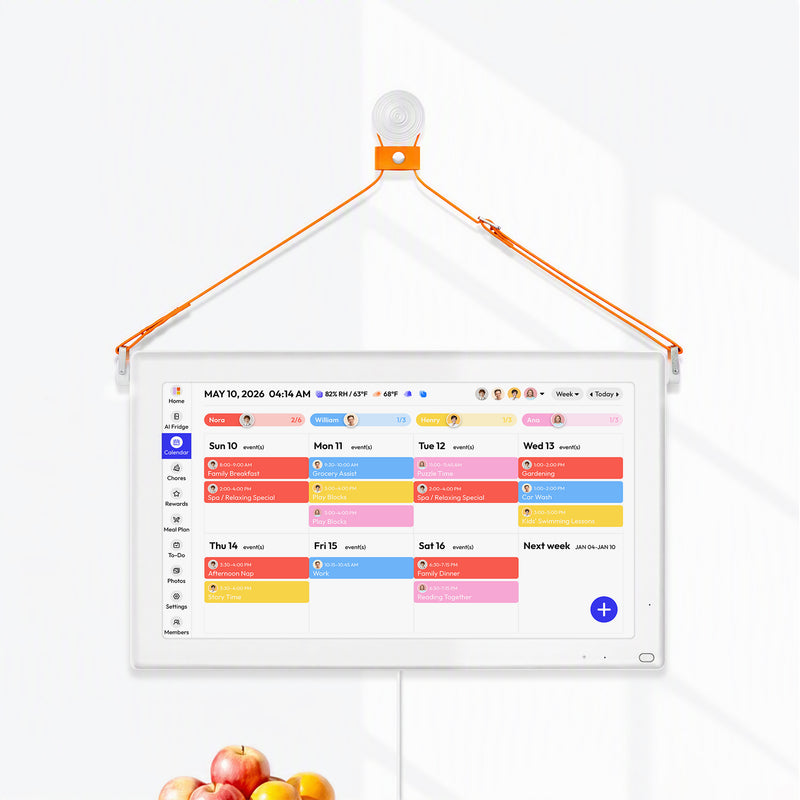
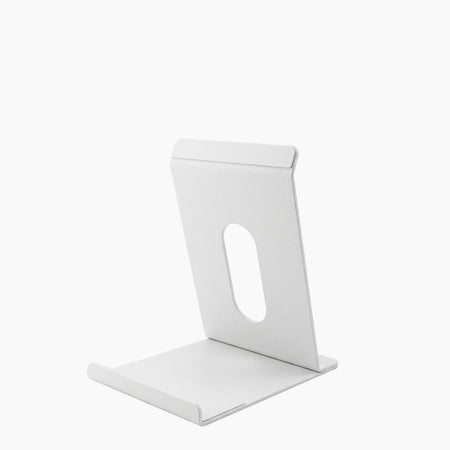
A tablet is fast to deploy and easy to reposition; a larger monitor gives more “window” effect from farther away. Tablets win for flexibility and lower counter footprint, while monitors win for immersion and consistency if you cook in the same zone every day.

Audio layer options
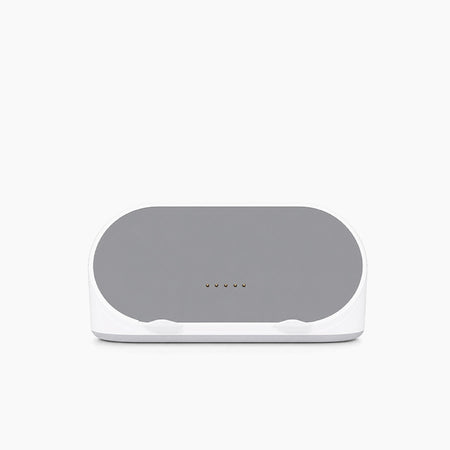
A small speaker gives richer natural ambience, while a dedicated noise machine is usually more predictable for long sessions. Speaker setups are better for custom mixes and personal style; noise machines are better for reliability and quick one-knob control.
Quick trade-off table
Option |
Best for |
Trade-off |
Flexible placement, custom scenes |
More app and notification management |
|
Strong visual immersion |
Takes more permanent space |
|
Fast setup, stable playback |
Less visual calming effect |
|
Visual only (no audio) |
Minimal equipment |
Doesn’t soften sharp kitchen clatter as well |
Pick the simplest system you will actually use daily. A “good-enough” setup that runs every evening beats a perfect setup you skip.
Build the Atmosphere in 15 Minutes
Setup sequence
Set this up once, then treat it like any other kitchen station. Keep cords tidy, keep equipment away from splash zones, and make small adjustments over a few sessions rather than chasing perfection on day one.
- Place your visual device 3 to 6 ft from your main prep position, outside sink and stove splash paths.
- Start one slow nature loop with no jump cuts and no on-screen text.
- Add a low, steady sound bed (rain, wind, or soft water) and keep volume just under conversation level.
- Run a 10-minute cooking task and note distractions: visual pull, repetitive audio edge, or missed cues.
- Lower brightness first if you feel overstimulated; lower volume first if timers become hard to hear.
- Save this as your default “prep scene” and reuse it at the same time daily.
After setup, do one stress test while chopping and sautéing: can you hear timers, pan sizzle changes, and someone speaking from across the room? If yes, you’re in the right zone. If no, reduce sound level by one small step and retest.
Keep Food Safety Non-Negotiable
Calm is useful only if safety stays clear
In U.S. retail food guidance, 48 million illnesses each year are still estimated from foodborne disease, and risk factors include improper holding temperatures, inadequate cooking, contaminated equipment, unsafe sources, and poor personal hygiene. Your calming setup should lower stress, not lower vigilance.

FDA labeling guidance states “keep refrigerated” can be inadequate, because shoppers often cannot tell safety-critical refrigeration from quality-only refrigeration at a glance. While you use ambient loops, make label-reading an active step, especially for opened packaged foods that look pantry-stable.
USDA canning guidance notes commercial canning uses 250°F heat, with pantry storage best below 85°F, and opened leftovers needing refrigeration. Also keep rejecting bulging, leaking, deeply dented, or heavily rusted cans, no matter how calm the room feels.
Troubleshoot Common Mistakes
If the room feels busier, not calmer
Problem: the loop has too much motion contrast.
Fix: switch to slower scenes with fewer focal events, dim brightness by about 15% to 25%, and move the screen farther into peripheral view.

If playback skips or restarts
Problem: background interruptions and unstable routing.
Fix: disable nonessential notifications during cooking blocks, keep one playback app active, and avoid switching audio outputs mid-session.
If you miss timers or food cues
Problem: masking important sound information.
Fix: reduce ambience volume, keep timer tones in a higher pitch range, and avoid dense sound mixes when frying, pressure cooking, or baking multiple items.
Practical Next Steps
Action checklist
- Pick one visual loop and one audio bed for this week only.
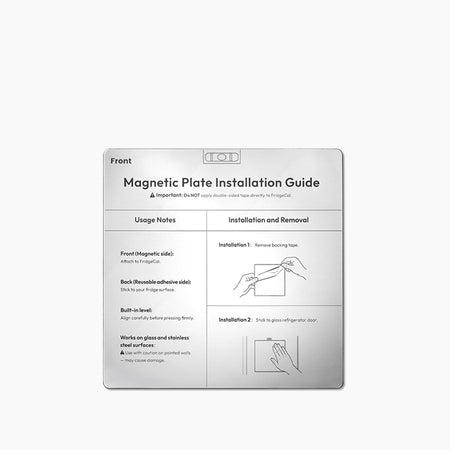
- Place devices safely: dry zone, stable surface, clear cable path.
- Run a 10-minute prep test at 6:00 PM or your usual cook time.
- Adjust one variable per day (brightness, volume, or placement).
- Lock in your baseline scene by day 5 and stop tweaking.
For maintenance, wipe screens and controls weekly, check cable wear monthly, and review saved scenes each season so your setup still matches daylight changes and your cooking routine. This keeps the system dependable instead of turning into another tech chore.
To level up, build two presets: “active prep” (slightly brighter visuals, lower sound) and “wind-down cleanup” (dimmer visuals, softer sound). That small split usually gives better results than one all-purpose profile.
FAQ
Q: Should I use white noise or nature sounds?
A: Start with nature sounds if you want a biophilic feel, then blend in a little broadband noise only if clatter still feels sharp.
Q: How long should a session run?
A: Use 20 to 60 minutes for prep and cleanup blocks, then reassess. If you feel mentally fresher and still catch cooking cues, duration is working.
Q: Can this replace better kitchen lighting or layout?
A: No. It complements them. Good task lighting, clear prep flow, and safe storage still do most of the heavy lifting.
Safety & Warranty Disclaimer
This installation and decor guide is for general reference and creative inspiration. Physical home modifications carry inherent risks, including structural damage or electrical hazards. Always prioritize your product’s official installation manual and ensure compliance with local building codes. If you are uncertain about performing a task, please seek assistance from a certified professional. [Brand Name] is not responsible for any damage or injury resulting from DIY applications of these suggestions.
References


