

A fridge calendar cuts the guesswork out of recovery meal planning by keeping dietary phases, medication timing, and food inventory visible to everyone in the house. When a family member comes home from surgery or a serious illness, the kitchen becomes a medical support system, not just a place to make dinner.
Why Recovery Meal Planning Breaks Down Fast
Feeding a recovering family member is significantly more complex than regular meal planning. The rules change week by week, the patient's appetite is unpredictable, and the caregiver is already stretched thin.
Dietary Restrictions Change by the Week
Recovery diets move through phases: clear liquids, then soft foods, then a gradual return to a normal diet. What is safe to eat on day three may be off-limits on day one, and what is still restricted in week two may be fine by week three.
Planning without tracking these phases is one of the most common mistakes caregivers make.
Appetite and Food Preferences Become Unpredictable
Medications frequently suppress appetite or alter taste. A meal the patient loved before surgery may now feel unappealing or cause nausea.
Most recovery guidelines also recommend four to six small meals per day instead of three standard ones. That creates more daily decisions for the caregiver.
One Person Ends Up Managing Two Separate Menus
The recovering family member needs meals that match the current recovery phase and meet specific nutritional needs. The rest of the household still needs regular food.
This dual-menu problem is a major contributor to caregiver burnout. According to a study by Avalere Health and the Academy of Nutrition and Dietetics, malnourished patients are 54% more likely to be readmitted within 30 days than those who are well-nourished. Poor meal coordination after discharge is not just inconvenient. It carries real health consequences.

What a Fridge Calendar Does That a Phone App or Paper List Cannot
A fridge calendar lives in the kitchen, in plain sight, all day. That single difference changes how the whole household relates to the recovery meal plan.
Always-On Visibility Changes Household Behavior
A meal plan stored in a phone requires someone to open the app, find the right screen, and remember to check it. A fridge calendar shows the plan to anyone who walks into the kitchen, without any action required.
Kids can see that dinner is already handled. A neighbor dropping off food can read the dietary restrictions directly. The second caregiver coming on shift does not need a briefing.
Connecting Food Inventory to the Meal Plan
Paper lists and most phone apps treat the grocery list and the fridge contents as separate problems. A digital family calendar with a built-in fridge tracking feature connects them.
When you log what is in the fridge and set expiration alerts, the meal plan stops being theoretical. You can see whether the soft-food ingredients for Wednesday are actually in the fridge on Tuesday, not at 5 PM when it is too late to shop.
Coordinating Outside Help Without a Text Thread
When friends and neighbors want to bring meals, someone has to coordinate them. Without a shared, visible system, the result is three lasagnas on the same night and nothing soft enough for the patient to eat.
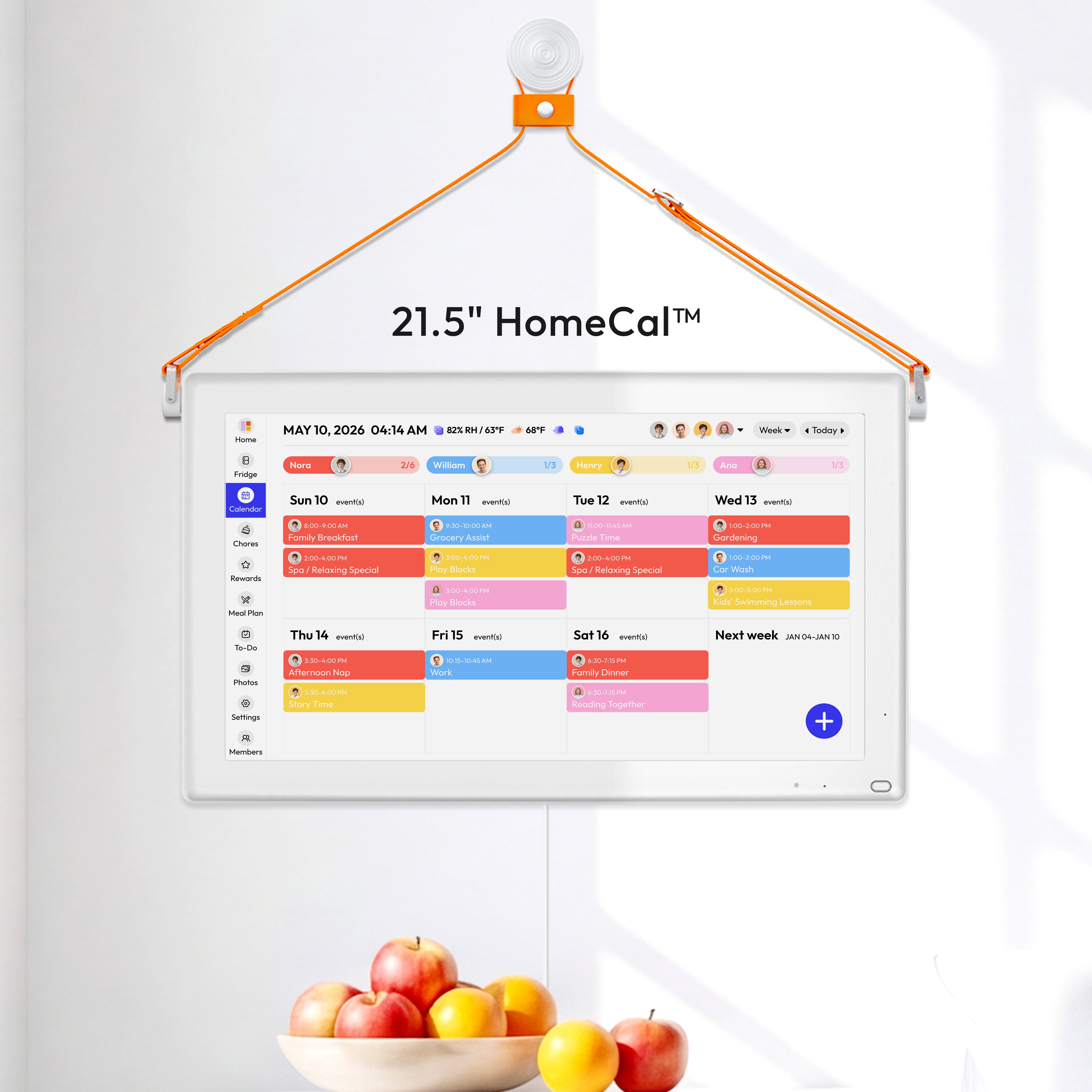
A fridge calendar used as a shared recovery meal planner gives every volunteer one place to check: what is needed, what is already covered, and what the dietary restrictions are.
The table below shows how a smart digital fridge calendar compares to the two most common alternatives for recovery meal coordination.
|
Feature |
Paper List |
Phone App |
Smart Digital Fridge Calendar |
|
Visible to whole household without unlocking a device |
No |
No |
Yes |
|
Links meal plan to fridge inventory |
No |
Rarely |
Yes |
|
Tracks food expiration dates |
No |
Some |
Yes |
|
Syncs with outside helpers in real time via companion app |
No |
Yes |
Yes |
|
Shows medication and meal timing together |
No |
No |
Yes |
|
Requires no daily manual check-in |
No |
No |
Yes |
Among these three formats, a smart digital fridge calendar stands out by covering all six needs without requiring anyone to actively open an app. Outside helpers can access the shared plan through the companion app on their phones, so the calendar stays current for everyone involved.
How to Set Up Your Fridge Calendar as a Recovery Meal Planner
Setting this up once correctly can reduce daily decision-making significantly throughout the recovery period. The setup has five steps, and the order matters.
Step 1: Map the Recovery Phases Before Planning Any Meals
Start with the discharge paperwork or the dietitian's written guidelines. Block the dietary phases directly on the calendar before adding any specific meals.
Label the restricted phase (liquids or soft foods), the transition phase, and the return-to-normal phase based on the dates in the discharge paperwork. Timelines vary by surgery type, so use the specific schedule your care team provides. This prevents one of the most avoidable errors: cooking the right food for the wrong week.
Step 2: Build a Short Rotating Meal Template for Each Phase
Create a list of five to seven approved meals per phase. Five to seven options provide enough variety to prevent repetition without creating too many options to choose from.
Pin the template visibly next to the meal plan so any household member can prepare the right meal without asking. If the caregiver is not home, the right meal still gets prepared.
Step 3: Add Medication and Meal Timing to the Same Calendar
Many recovery medications must be taken with food, or specifically avoided with certain foods. Keeping these on a separate reminder system creates gaps.
Add meal windows directly to the calendar alongside the medication schedule. A simple note like "lunch between 11:30 AM and 12:30 PM, pill at 1 PM" prevents missed doses and accidental conflicts between medication and food.
Step 4: Track What Is Actually in the Fridge, Not Just What You Planned to Buy
Recovery specialty items such as high-protein soft foods, broths, electrolyte drinks, and specific supplements expire faster than standard groceries and are harder to replace quickly.
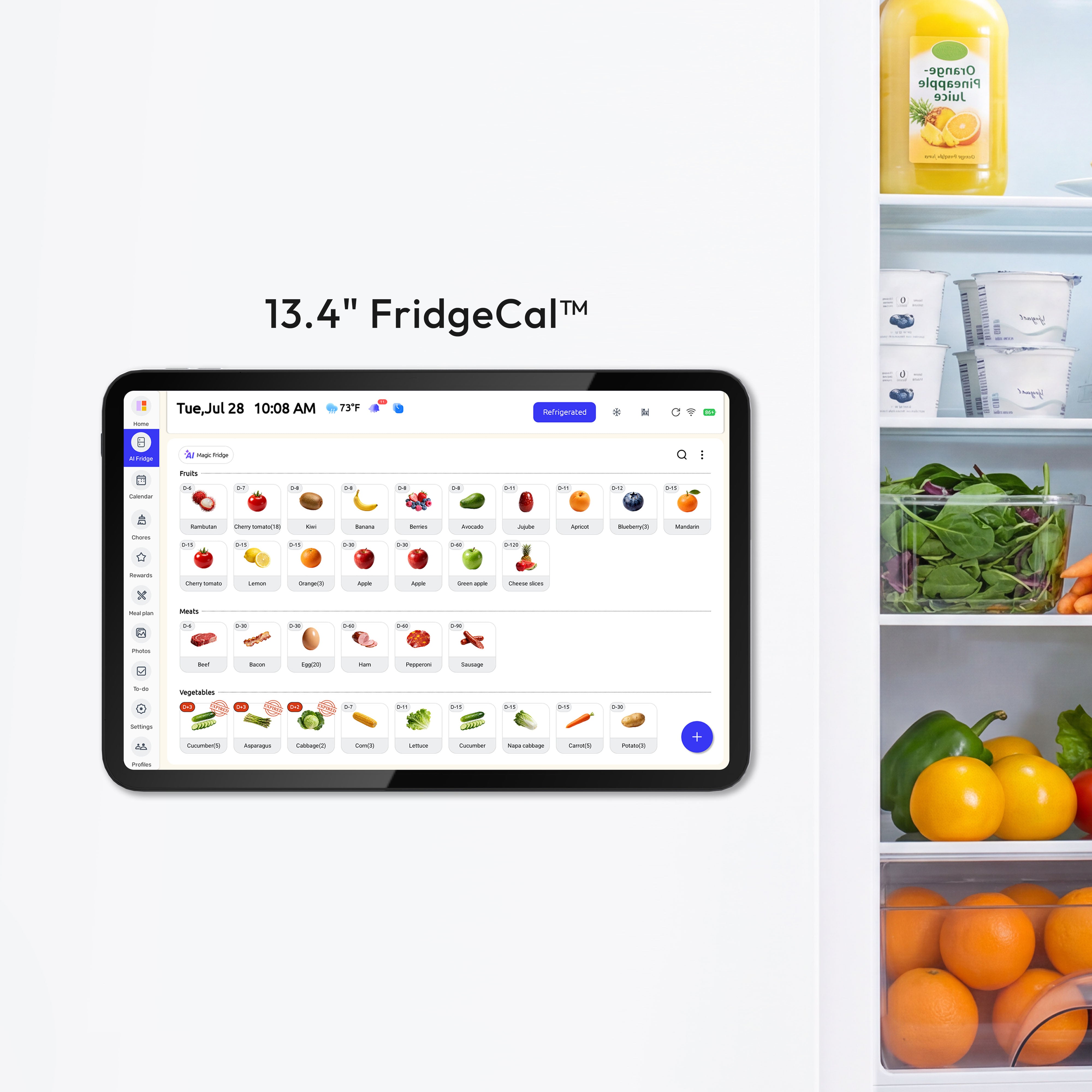
Log these items into a fridge meal tracker with their purchase and expiration dates. If manually entering every item feels like too much, the photo feature on Everblog FridgeCal™ Calendar lets you add events directly to the calendar by taking or uploading a photo, for example, logging a drop-off appointment or a dietary restriction note from a prescription label. Open the Calendar tab, tap the plus button, and choose Camera or Photo. The app extracts details like date and title automatically, so it takes seconds.
Step 5: Use the Calendar to Coordinate a Meal Train
Assign specific dates for friends or neighbors to bring meals. Note the current dietary phase, all restrictions, and the preferred drop-off window directly on the calendar.
Anyone who wants to help can check the calendar without calling first. This removes the coordination burden from the primary caregiver and prevents duplicate meals or foods the patient cannot eat during their current phase.

Sick Day Meal Ideas to Fill Your Recovery Calendar Right Now
The following options are organized by the physical constraints patients typically face during recovery.
Soft, High-Protein Meals for the First Week
Protein is the primary nutrient for tissue repair after surgery or illness. These options work during the soft-food phase and require minimal preparation.
- Scrambled eggs with soft cheese provide protein without requiring any cutting or chewing effort.
- Shredded rotisserie chicken in warm broth is easy to eat, easy to portion, and easy for someone else to prepare.
- Greek yogurt with mashed banana works as a snack or light meal and requires no cooking.
- Smooth nut butter on soft white bread delivers calories and protein in a format most patients tolerate well.
Easy Meals for Shoulder and Arm Surgery Recovery
Shoulder and arm surgeries leave patients unable to cut food, stabilize a plate, or carry dishes safely. This group needs meals that work with one hand and require no assembly.
- Spoonable soups and stews in wide, low bowls are accessible without the patient needing to stabilize the dish.
- Pre-portioned, lidded containers that can be reheated in a microwave require only one hand to open and manage.
- Smoothies with a wide straw work well for patients who cannot lift a glass consistently.
Mark these meals on the calendar with a clear label so any helper knows exactly what format to use, not just what food to make.
Freezer Meals to Prepare Before Surgery
If the surgery date is known in advance, batch cooking before the procedure removes weeks of daily decision-making from the recovery period.
Cook and freeze individual portions of soups, stews, and soft casseroles. Label each container with the dietary phase it belongs to (soft-food or normal) and the freeze date. Log them in the fridge tracker so nothing gets forgotten at the back of the freezer.
Three Mistakes Families Make When Planning Recovery Meals
These three mistakes appear consistently across recovery meal planning situations and are worth addressing before they happen.
Cooking Without Checking the Dietary Phase First
A well-intentioned family member prepares a nutritious, normal meal on day four of a soft-food restriction. The patient cannot eat it. The caregiver has to improvise. This wastes time, wastes food, and creates frustration on all sides.
The fix is straightforward: make the current dietary phase the most visible thing on the calendar, not a buried note in a discharge document.
Letting One Person Carry the Entire Coordination Load
Recovery periods last weeks, not days. A single caregiver managing all meal planning, shopping, cooking, and outside coordination will burn out before the patient is fully healed.
A visible shared calendar distributes the load. Other family members can check what is needed. Volunteers can see where they fit. The primary caregiver does not have to brief everyone individually.
Ignoring the Rest of the Household's Needs
A recovery meal plan that treats the patient's diet as the only priority creates resentment in other household members and adds guilt for the patient.
Plan both sets of meals on the same calendar. Many recovery-appropriate meals, such as soft proteins, soups, and grain-based dishes, can be adapted for the whole family with minor additions. Using the same base saves cooking time and keeps the household eating together.
Start Using Your Fridge Calendar for Recovery Meals Today
A fridge calendar works for recovery meal planning because it keeps the right information visible to the right people at the right time. Map the dietary phases first, build a short rotating template per phase, and add medication timing. Then set expiration alerts for specialty ingredients and use the calendar to coordinate outside help.
The Everblog FridgeCal™ Calendar combines a meal planner, fridge inventory tracker, and family schedule in one 13.4-inch touchscreen that mounts directly on the fridge with a built-in magnetic mount. It runs on an 8,400mAh battery with no subscription required. Changes made in the companion app sync instantly to the screen, so any household member can update the plan without being in the kitchen.
FAQs About Fridge Calendars and Recovery Meal Planning
Q1. Are Fridge Calendars Magnetic?
Most fridge calendars use built-in magnets to attach directly to the refrigerator door. If your fridge has a non-magnetic surface, such as glass or certain stainless steel finishes, adhesive magnetic stickers can be applied to the door first.
Q2. How Do You Clean a Fridge Calendar?
For dry-erase boards, wipe with a dry eraser or a damp cloth. For digital fridge calendars, use a soft, lint-free cloth to clean the screen. Avoid abrasive materials or liquid cleaners that could damage the display.
Q3. Are Digital Fridge Calendars Worth It?
Yes, for families managing complex schedules or recovery meal plans. Digital models sync with apps, send expiration alerts, and update in real time, covering needs that paper boards cannot, at a higher upfront cost.
Q4. How Long Do Fridge Calendars Last?
Paper and dry-erase boards last until the surface wears out, typically one to several years with regular use. Digital fridge calendars are built for long-term daily use, with software updates delivered automatically to extend functionality over time.
Q5. Does a Fridge Calendar Need to Be Charged or Use a Battery?
Yes. The FridgeCal™ Calendar has a built-in 8,400mAh battery and charges via USB-C with 18W fast charging. With continuous use, the charge lasts around 3 to 5 days before needing a recharge, and the device can be charged while mounted on the fridge.


