




If you're tired of the nightly scramble to figure out what’s for dinner, you’re not alone. The good news is that the best meal planner and grocery list app isn't some mythical unicorn—it’s just a matter of finding the one that actually fits your family’s life. The options available in 2026 go way beyond a simple shared note, offering tools for everything from recipe discovery and budgeting to nutrition tracking.
Finding Your Family's Perfect Meal Planning App

It feels like a new meal planning app pops up every month, and for good reason. More and more families are ditching paper lists and spreadsheets for a central hub that handles the whole process. We're all looking for a smarter, more organized way to manage our kitchens.
At the end of the day, an easy family meal planner isn’t just about listing out what you’ll eat. It’s about building a system that cuts down on stress and saves you time.
Matching App Features to Your Household
The right app should feel like a command center for your kitchen. But the trick is to match its features to your family's biggest headaches. Are you trying to manage a picky eater and a gluten-free diet at the same time? Or is your main problem just getting everyone on the same page about the grocery list?
Think about what you really need the app to do:
- For busy parents: Look for apps that let you import recipes from anywhere online and automatically generate a shopping list. This alone can save you hours every week.
- For families with dietary needs: Don't settle for basic notes. Prioritize apps with strong filters for allergies, intolerances, and diets like vegetarian or keto.
- For households that need to collaborate: If multiple people are shopping and cooking, real-time syncing is a must. When someone adds milk to the list from their phone, everyone else should see it instantly.
The best way to choose an app is to pinpoint your single biggest mealtime problem. Is it the mental load of deciding what to make, disorganized shopping trips, or just boredom with the same ten meals? The right tool will solve that specific problem first.
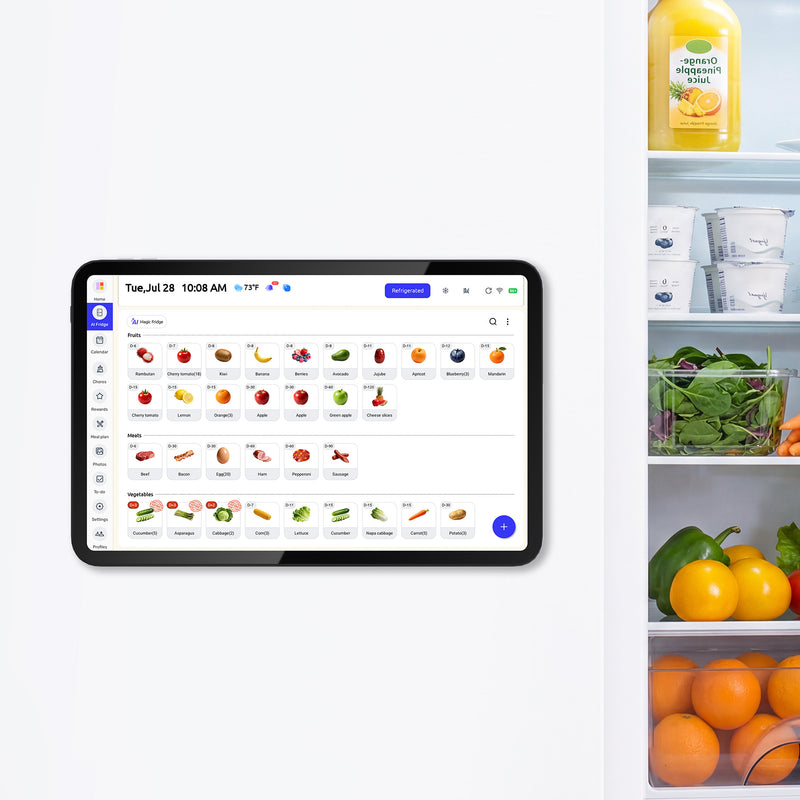
Of course, a phone app isn't the only solution. Integrated hardware like Everblog offers a completely different approach by providing an always-on kitchen hub. Instead of being buried on a phone, the meal plan and grocery list are always visible on a central screen, which makes it easier for the whole family to stay involved. We dig into this workflow in our guide on creating a family meal planner system.
What to Look for in a Meal Planning App
Before you dive into comparing apps, it helps to know what separates a decent meal planner from one that will actually make your life easier. The best app does more than just show you what's for dinner; it actively cuts down on the mental work of running a kitchen and becomes a tool you can truly rely on.
First up, a non-negotiable: seamless recipe importing. A great app lets you clip recipes from any website or blog with a single click, automatically grabbing the ingredients and instructions. This feature turns the entire internet into your personal cookbook and saves you from the soul-crushing task of manual data entry.
Just as important is how the app handles your grocery list. Basic apps just give you a blank space to type, but the best ones create the list for you. This is where the market is heading—apps that automatically generate a shopping list from your chosen meals are solving a huge pain point for busy families. You can see this trend in action in this 2026 side-by-side review of apps with built-in grocery lists.
Collaboration and Day-to-Day Usefulness
If you're not planning meals for just one person, collaboration is everything. Look for a shared account where everyone can see the week's meals and add items to the grocery list in real time. This single feature puts an end to duplicate purchases and frantic "did you remember to add...?" texts from the grocery store aisle.
Beyond sharing, think about how you'll use the app in the real world:
- Offline Access: Can you pull up your shopping list in the back corner of a supermarket with spotty cell service? If the app needs a constant internet connection, it’s going to fail you when you need it most.
- Intuitive Design: The interface has to be clean and simple. If you need to read a manual just to figure out how to add a recipe, it's not designed for a busy life.
- Cross-Device Syncing: Your plan needs to be available on your phone, tablet, and computer. Any change made on one device should show up instantly on all the others.
A modern meal planning app's main job isn't just to plan—it's to coordinate. If an app doesn't make it effortless for the whole household to see and contribute, it's already failed at its most important task.
Advanced Customization and Health Tracking
Finally, the best apps offer powerful customization tools. You should be able to filter recipes for specific dietary needs, whether it's gluten-free, vegetarian, or dairy-free. This is a lifesaver for families managing allergies or specific health goals.
Many top-rated apps now also include nutritional data, giving you a clear breakdown of calories, protein, and other macros for your meals. This information empowers you to make healthier choices without doing all the math yourself. For a deeper look at how these tools can work for your household, check out our guide on choosing the right grocery list app for your family.
Comparing the Top Meal Planner Apps
Finding the best meal planner and grocery list app isn’t about picking the one with the longest feature list. It’s about finding the tool that actually solves your family's specific dinnertime chaos.
A serious home cook who geeks out on collecting recipes needs something very different from a busy parent juggling three different dietary restrictions. This comparison cuts through the noise, looking at the top contenders through the lens of how they’re actually used in real life.
Instead of a generic pro/con list, we’ll look at what each app was built to do and who it serves best. This will help you see the trade-offs between total manual control, automated suggestions, and pure recipe organization.
Best for Recipe Power-Users: Paprika 3
If you treat your recipe collection like a prized digital library, Paprika 3 is in a league of its own. Its main job is to grab, organize, and scale recipes you find anywhere online. The browser extension is legendary for how cleanly it pulls ingredients and instructions into a simple, standard format.
Paprika 3 is all about giving you complete control. You can tweak imported recipes, add your own notes, and build out reusable menus for weeks at a time. While its grocery list is smart—automatically combining ingredients and sorting them by aisle—the app assumes you're the one in the driver's seat from start to finish.
Paprika's Standout Feature: Unmatched recipe management. It feels less like a meal planner and more like a powerful digital cookbook that just happens to have great planning and list tools. Since it’s a one-time purchase, it’s a fantastic value if you plan to stick with it for years.
Best for Budget-Conscious Families: Plan to Eat
Plan to Eat is built for one core purpose: letting you plan meals using your own hand-picked recipe collection. It’s perfect for families who know what they like and want to stick to a budget. The whole idea is simple—you add the recipes, and the app handles the organization.
The app doesn't push recipe suggestions on you, which gives you total authority over your menu. Its drag-and-drop calendar is dead simple for slotting your favorite meals into the week. Once the plan is set, it generates a shopping list that groups similar items. The ability to share that list with a partner and even assign items to different stores is a huge win for coordinating grocery runs.

This decision tree helps frame the first big question: are you planning alone, or do you need to coordinate with someone else? That one choice immediately points you toward a different type of app.
Best for Managing Dietary Needs: Mealime
If your biggest headache is dealing with allergies, picky eaters, or specific health goals, Mealime is a game-changer. Unlike Paprika and Plan to Eat, which rely on your recipes, Mealime is all about recipe discovery.
You start by telling the app your family's dietary restrictions, dislikes, and taste preferences. From there, it generates a personalized meal plan just for you. This automated approach is a lifesaver for anyone exhausted by the daily "what's for dinner?" debate. It's especially useful for individuals and couples, since the plans are so tightly customized.
While you're weighing the options, it’s also smart to check out reviews of the best nutrition tracking apps. Many of them overlap with meal planners and can give you a better sense of which features are truly must-haves for your health goals.
Feature Comparison of Leading Meal Planning Apps
To make it easier to see the differences at a glance, this table breaks down how the most popular meal planning apps stack up for families.
| App | Best For | Collaboration Features | Grocery List Automation | Pricing Model |
|---|---|---|---|---|
| Paprika 3 | Recipe collectors and power-users | Syncs plans/lists across devices (same account) | Consolidates and sorts items from planned recipes | One-time purchase |
| Plan to Eat | Budgeting and planning with existing recipes | Full account sharing with a partner | Consolidates and sorts; assign items to stores | Subscription |
| Mealime | Automated planning and dietary restrictions | Family plans available; lists can be shared | Fully automated from the generated meal plan | Freemium with paid Pro tier |
While each of these apps excels in its own niche, you'll notice a common trade-off: you either get total control (Paprika, Plan to Eat) or helpful automation (Mealime), but rarely both in one place. For families trying to coordinate everything, this often means piecing together a workflow across multiple apps.
Here is the rewritten section, designed to sound completely human-written and match the provided examples.
A Different Approach: The Integrated Family Hub

Mobile apps are great for portability, but they share a fundamental flaw for families: they're invisible. When your meal plan lives on your phone, it’s out of sight and out of mind for everyone else. This makes getting help with planning and shopping a constant struggle.
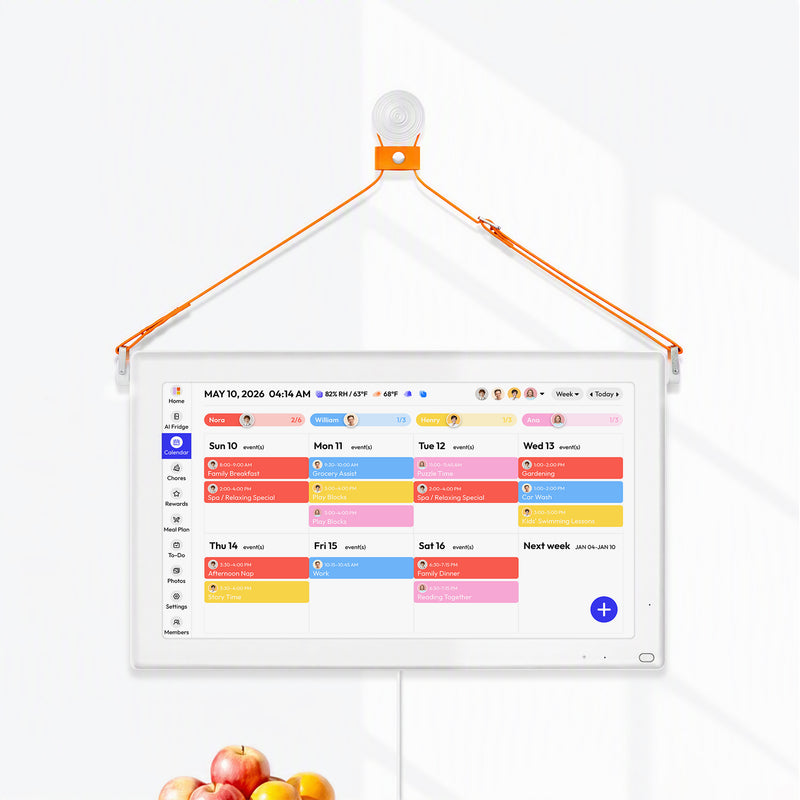
But what if your planner wasn’t just another app? Imagine a large, wall-mounted screen in your kitchen that serves as your family’s command center. A device like the Everblog digital calendar moves beyond being just the best meal planner and grocery list app and becomes an always-on system designed to keep everyone in the loop without anyone having to pull out a phone.
This simple shift solves one of the biggest problems with digital planning. The daily "what's for dinner?" chorus finally fades away when the menu for the whole week is right there for everyone to see.
How a Hub Creates Real Teamwork
The real magic of an integrated hub is how it turns meal prep from one person's chore into a shared family responsibility. When the grocery list is always visible, anyone can add to it at any time. It’s a small change that makes a huge difference.
Here's how it works for busy families:
- Voice-Activated Grocery List: Anyone can add items just by speaking to the hub. Use the last of the milk? Just say, "Add milk to the grocery list," without stopping what you're doing. No phone, no pen, no forgetting.
- At-a-Glance Weekly View: The entire week's meal plan is laid out in a clean calendar format. Kids know what to expect, and partners can see where they can jump in to help without having to ask.
- One Screen to Rule Them All: It brings your meal plan, family calendar, and to-do lists together in one spot. This gets rid of the digital clutter from juggling three or four different apps to run your household.
An integrated hub gets your family's plans off a personal phone and puts them out in the open. It’s designed for teamwork, keeping essential info visible and accessible to everyone, all the time.
A Complete System With No Subscriptions
A key difference in this hardware-first model is the all-in-one cost. While most apps lock their best features behind monthly or yearly subscriptions, a hardware solution like Everblog includes all of its powerful software—the meal planner, shared calendars, and task managers—with the one-time purchase of the device. No recurring fees.
For families trying to create a single source of truth for their home, this approach is a game-changer. It’s about moving beyond a patchwork of apps and building a unified system that actually works for the whole family. You can see how a central screen brings order to a busy home by exploring what’s possible with a digital family command center.
Building Your Digital Meal Planning Workflow

Choosing the best meal planner and grocery list app is a great start, but the real win comes from building a system that actually sticks. The fanciest tool in the world is useless if it doesn't fit into your life. The goal is to turn meal planning from a chore you dread into a simple, proactive habit.
This isn’t about just downloading an app and hoping for the best. It’s about creating a simple, repeatable process that brings order to your kitchen and frees up your mental energy.
A good workflow doesn’t have to be complicated. In fact, the simpler, the better. It just needs to be consistent enough to turn the daily dinner chaos into a straightforward checklist.
Create a Weekly Planning Ritual
The single most important part of any good meal planning system is consistency. Find 30 minutes once a week—maybe Sunday afternoon or Wednesday night—and block it off on your calendar. Treat it like a real appointment.
This is your dedicated time to map out the week’s meals. No multitasking. This simple habit stops the 5 PM scramble and the endless "what's for dinner?" debate. It trades daily panic for a few minutes of focused, weekly control.
Build Your Recipe Foundation
A new app is like an empty cookbook. Your first job is to fill it with the meals your family actually likes to eat. Start by adding your 10-15 go-to recipes—the ones you know are always a win. Whether you’re importing them from a website or manually typing in grandma's chili recipe, getting this done upfront is key.
Once you have this core library, weekly planning becomes incredibly fast. You can just drag and drop proven winners onto your calendar instead of starting from zero every time. That initial effort pays you back every single week.
A well-curated recipe book is your most valuable asset. It's not just a collection of meals; it's a pre-approved list of successes that removes guesswork and ensures everyone at the table is happy.
Use Theme Nights and Pantry Scans
To beat decision fatigue, give certain nights a theme. Think "Meatless Monday," "Taco Tuesday," or "Pizza Friday." This little trick immediately narrows your options and makes filling out the week's plan a whole lot easier.
Then, before you finalize your plan, take two minutes to scan your pantry and fridge. See what you already have—that half-bag of quinoa, the extra can of crushed tomatoes, the chicken in the freezer. This quick check stops you from buying duplicates, cuts down on food waste, and saves you money on every grocery run. It’s the final step that connects your digital plan to your actual kitchen.
Common Questions About Meal Planning Apps
Deciding to go digital with your meal plan is a great first step, but it usually brings up a few practical questions. You're probably wondering how these apps work in a real, chaotic household and which features actually matter.
Let's cut through the noise. Here are straightforward answers to the most common questions people ask when choosing a meal planning app.
Can Multiple Family Members Edit the Same Grocery List at Once?
Yes, and honestly, this is a non-negotiable feature for most families. The best meal planning apps are designed for real-time collaboration.
This means you can have a single household account that everyone can access. While you’re adding bananas from your desk, your partner can add paper towels from their phone on the way home. Everything syncs instantly. It’s the easiest way to stop buying two of the same thing or forgetting the one thing you really needed.
How Much Should I Expect to Pay?
Prices are all over the place, which is good news—there's an option for just about any budget. Most apps fall into one of three buckets:
- Freemium: You get the basic planning and list-making tools for free. If you want extras like nutrition info or advanced recipe filters, you can upgrade for a small monthly fee, usually around $2.99 to $5.99.
- Subscription-Only: These apps often have the most polished features and aim to be an all-in-one solution. Expect to pay somewhere between $30 and $50 per year.
- One-Time Purchase: Some apps, like the popular Paprika 3, charge you once and you own the software forever. The Everblog home hub works this way, too—the one-time purchase includes all its meal planning and grocery list software with no subscriptions.
Do These Apps Connect with Grocery Delivery Services?
Many of them do, and it can be a huge time-saver. Top-tier apps often integrate directly with services like Instacart, Amazon Fresh, or Walmart Grocery.
Once your meal plan is set, the app generates your grocery list. With a single tap, you can send that entire list over to your preferred delivery service’s shopping cart.
Be warned: the quality of these integrations varies. If you rely on grocery delivery, make sure to test this feature during a free trial. A clunky integration can be more trouble than it’s worth.
What Is the Difference Between a Standalone App and an Integrated Hub?
A standalone app is software that lives on your phone or tablet. It’s perfect for individuals or anyone who wants a private, portable planner they can manage on the go.
An integrated hub, like the Everblog digital wall calendar, is a central, stationary device for the whole family. Its biggest advantage is visibility. The meal plan and grocery list are always on display in a shared space like the kitchen, so everyone is on the same page without having to check their phones. It turns planning into a team effort.
Ready to move your family’s plans from scattered apps to one central hub? With its always-on meal plan display and collaborative grocery list, Everblog brings everyone together. Learn more about creating a more organized, connected home.


