


You're probably staring at product photos, roof diagrams, and a few contractor bids that all make skylights sound simple. They aren't. A skylight frame isn't just trim around glass. It's the structural piece that has to hold glazing, connect to flashing, handle roof movement, and stay weather-tight through heat, cold, wind, and rain.
That's where most homeowners get misled in a typical skylight frames review. They compare frame materials in isolation, then wonder why a “good” skylight still leaks or drafts later. In the field, the frame only performs well when it matches the glazing package, the flashing system, and the roof conditions it's being installed into.
I'd rather see a homeowner buy a modest skylight with the right integrated components than an expensive unit forced into the wrong roof assembly. If you understand that one point, you'll avoid most of the expensive mistakes.
Choosing Your Skylight Frame Beyond Just Looks
A skylight changes how a room feels faster than almost any other upgrade. It can brighten a dark hall, open up a kitchen, or make a living room feel taller. But if you choose based only on appearance, you can end up with the wrong product for your roof and your climate.
The frame is the backbone of the unit. It affects insulation, condensation risk, expansion and contraction, and how well the skylight mates with the flashing kit. The glass matters too. The flashing matters just as much. Homeowners often separate those decisions because manufacturers market them separately. On the roof, they act as one assembly.
A skylight doesn't fail because one brochure spec looked weak. It fails when the frame, glass, and flashing weren't chosen to work together.
That's the lens I use when reviewing skylights for real homes. I'm looking at three practical questions:
- Will it stay dry: Leak prevention starts with roof pitch, curb or deck mounting, underlayment, and flashing detail. A durable frame won't save a bad water-management design.
- Will it stay comfortable: Good daylight isn't enough if the room overheats in summer or feels cold underneath in winter.
- Will you still like it later: Maintenance, interior finish wear, seal longevity, and serviceability matter more after year two than they do on installation day.
What homeowners often miss
A wood interior frame may look perfect in a finished room, but if it's paired with poor ventilation in a humid bathroom, you may spend years dealing with swelling trim, finish wear, or moisture staining. An aluminum frame may look sleek, but if thermal performance isn't handled well, it can feel colder than expected.
The right way to compare
Use this sequence instead of shopping by catalog photo:
- Choose the skylight function first.
- Match the frame material to the room and climate.
- Confirm compatible glazing and flashing from the same system.
- Review installation details before approving the bid.
That process gives you a better result than chasing the prettiest unit on the page.
Fixed Venting or Tubular Skylight Frames
The first real decision isn't wood versus vinyl or premium versus budget. It's function. You need to decide what job the skylight is doing in that room.
| Skylight Type | Main Purpose | Best Locations | Main Advantage | Main Trade-Off |
|---|---|---|---|---|
| Fixed | Bring in daylight | Living rooms, stairwells, vaulted ceilings | Fewer moving parts, simpler weather seal | No airflow |
| Venting | Light plus ventilation | Bathrooms, kitchens, upper-floor rooms | Helps release heat and humidity | More parts to maintain |
| Tubular | Deliver focused daylight through a small opening | Hallways, closets, interior baths | Fits tight spaces well | Doesn't create the same open-sky effect |

Fixed skylight frames
A fixed skylight is the simplest option. It stays closed and exists for one purpose: daylight. That simplicity matters. Fewer moving components usually means fewer points where seals, hinges, or operating hardware can become a long-term service item.
For a high ceiling over a family room or stairwell, fixed skylights are often the cleanest answer. They work especially well where the room doesn't need extra airflow and where the homeowner wants a low-maintenance assembly. If leak prevention is your top concern, this category gives installers the least complicated weatherproofing task.
Venting skylight frames
A venting unit opens, manually or electrically, so it can exhaust warm air and moisture. This matters most in kitchens, bathrooms, and upper-story spaces where heat builds up.
The trade-off is straightforward. You gain ventilation, but you add mechanical complexity. More gaskets, more hardware, and more operating components mean more things to inspect over time. That doesn't make venting skylights a bad choice. It means they need to be selected more carefully and maintained more consistently.
Practical rule: Put venting skylights where air movement solves a real problem. Don't pay for operable hardware in a room that only needs light.
Tubular skylight frames
Tubular skylights solve a different problem. They're designed for places where a full skylight opening would be excessive, difficult, or visually out of scale. Hallways, interior closets, laundry areas, and compact bathrooms are the classic use cases.
They don't create a dramatic architectural feature the way a larger fixed skylight does. What they do well is deliver useful daylight with less framing disruption. On homes with tricky attic runs or limited roof area, that can make them the most practical option in the whole category.
A Deep Dive Into Skylight Frame Materials
Frame material affects comfort, upkeep, durability, and how forgiving the skylight will be over the years. Most residential buyers end up comparing aluminum, wood, and vinyl or composite. Each can work. Each can also be the wrong choice if the room conditions don't support it.
Here's the quick comparison homeowners usually need first.
Skylight Frame Material Comparison
| Material | Thermal Efficiency | Durability | Maintenance | Typical Cost |
|---|---|---|---|---|
| Aluminum | Moderate unless thermally improved | Strong and weather-resistant | Low | Mid to higher |
| Wood | Good natural insulation | Durable if kept dry and finished | Higher | Higher |
| PVC/Vinyl/Composite | Good in many residential applications | Resists moisture well | Low | Often moderate |
Aluminum frames
Aluminum skylight frames are strong, stable, and common in modern designs. They're a practical fit when you want slim sightlines and solid exterior durability. They also hold up well in exposed conditions.
The drawback is thermal behavior. Metal transfers heat and cold more readily than wood or many composite materials unless the unit is engineered to interrupt that transfer. That doesn't mean aluminum is a bad product. It means you need to look closely at the complete assembly, not just the frame label.
For homeowners comparing broader categories of energy-efficient window frames, the same general lesson applies to skylights. Frame material influences performance, but the full unit design determines whether the room feels comfortable.
Wood frames
Wood gives you the warmest interior appearance. In the right house, it looks integrated instead of added on. It also offers strong natural insulating qualities, which is why many higher-end residential skylights still use wood on the interior side.
But wood asks more from the homeowner. Moisture is the issue. In bathrooms, kitchens, or homes with poor humidity control, wood can become a maintenance commitment. Paint, clear finish, and interior seals need attention. If condensation forms repeatedly, the frame finish usually shows it before the glass does.
If you love the look of wood, make sure the room has the ventilation to support it. Beauty doesn't stop moisture damage.
If interior finish matters most to you, it helps to compare that decision to other visible trim elements in the home, like a wooden frame wall display, because the same principle applies. Natural materials look better to many homeowners, but they also expect more care.
Vinyl and composite frames
Vinyl, PVC, and composite skylight frames are often the most forgiving option for everyday family use. They handle moisture well, don't need repainting the way wood does, and generally make sense in bathrooms, kitchens, or homes where low maintenance is a priority.
Their weakness is rarely outright failure. It's aesthetics and fit for the project. On a high-end custom renovation, some homeowners feel vinyl lacks the interior finish character they want. On a straightforward practical install, though, it's often the material that causes the fewest complaints later.
How I'd choose by house type
For a modern home with clean lines, aluminum often fits the design language. For a traditional home with stained trim and visible craftsmanship, wood can make the skylight feel intentional. For a busy household where ease of ownership matters most, vinyl or composite usually wins.
Here's the trade-off in plain terms:
- Choose aluminum when structural stability and slimmer profiles matter, and you've confirmed the unit handles thermal performance well.
- Choose wood when interior appearance matters enough to justify maintenance.
- Choose vinyl or composite when you want solid residential performance with fewer upkeep demands.
Most skylight frame reviews stop at “wood looks nice, vinyl is easy, aluminum is durable.” That's too shallow. The better question is which material still fits your room after humidity, sun exposure, repainting, and seasonal movement enter the picture.
Performance Metrics That Actually Prevent Problems
A skylight spec sheet can look technical fast. Most of it boils down to three things: how well the unit insulates, how much solar heat it lets in, and how much visible light passes through. Those numbers matter, but they only matter when you connect them to real rooms and real roof conditions.

U-factor and room comfort
U-factor tells you how readily heat moves through the skylight assembly. Lower values generally mean better insulation. For homeowners, that translates into whether the space under the skylight feels comfortable in winter and whether the HVAC system has to work harder to compensate.
A common mistake is focusing on glazing alone. The frame influences this too. A well-insulated glass package paired with a thermally weak frame can still create a cold-feeling perimeter, especially on winter mornings.
SHGC and overheating
Solar Heat Gain Coefficient, often shortened to SHGC, tells you how much solar heat comes through the unit. In a sunny room with a lot of roof exposure, this matters a lot. Too much heat gain and the room gets bright but uncomfortable. Too little, and you may give up some of the passive warmth or light quality you wanted.
For a south- or west-facing roof area, I usually tell homeowners to think in terms of seasonal behavior, not showroom impressions. The skylight that looks great in mild weather can create the biggest comfort complaints during peak summer sun.
Visible transmittance and usable daylight
Visible Transmittance, or VT, is about daylight, not heat. It tells you how much visible light gets through. A skylight should brighten a room without creating glare or forcing you to add shades immediately after installation.
That balance matters more than many buyers expect. Daylight quality is what makes a skylight feel successful from inside the house. If the room becomes harsh or washed out, the installation may be technically sound but still disappointing to live with.
Good skylight performance means the room gets brighter without becoming hotter, colder, or more humid.
Leak resistance is an assembly issue
This is the point most homeowners need to hear. Leak resistance is not a frame feature by itself. A strong frame can still fail when the flashing kit, curb detail, underlayment, and roof pitch don't match the product.
A lot of “the skylight leaked” complaints start one level above the frame. Water gets driven under roofing, the flashing sequence is wrong, sealant is used where layered metal should direct water, or the installer mixed components from systems that weren't designed to work together.
When I review a skylight proposal, I want answers to these questions:
- Is the flashing designed for this exact roof material and pitch
- Is the glazing package suited to this room's sun exposure
- Is the frame material appropriate for the room's humidity and maintenance level
- Is the manufacturer treating frame, glass, and flashing as one tested system
If those answers are vague, the bid isn't ready.
Understanding Installation Complexity and Compatibility
Installation is where a skylight goes from a nice product to either a reliable roof opening or a future callback. Homeowners often compare unit prices without realizing that frame choice changes labor, trim work, finishing, and risk.
Standard units versus custom work
A standard-size vinyl or composite skylight usually installs more predictably than a custom wood-framed configuration. That doesn't automatically make it better. It means the installer is working with more repeatable details, more readily available flashing kits, and fewer field modifications.
Custom work can look excellent, but every custom dimension and finish choice puts more pressure on the installer's craftsmanship. If the contractor is strong in finish carpentry but weak in roof detailing, that imbalance shows up later.
Glazing and frame have to match
Skylight glazing choices matter just as much as frame material. Homeowners should ask whether the unit uses insulated glass, whether safety glazing is included where needed, and whether the glazing package suits the room below.
A heavy or more advanced glazing package changes how the frame carries loads and how the skylight is built at the factory. That's why I don't like pieced-together combinations unless the manufacturer explicitly supports them. Compatibility isn't a bonus. It's basic risk control.
Flashing details are where good frames go bad
I've seen solid skylights undermined by poor termination details, weak corner treatment, and improvised flashing choices. Even small accessories matter when they close vulnerable edges. On roof assemblies where edge protection and cap treatment come into play, contractors often rely on compatible parts such as Contractor's Den Dek Cap style flashing accessories to finish exposed transitions cleanly.
That doesn't replace a skylight-specific flashing kit. It reinforces the bigger point. Water management works when every edge condition has been thought through.
Don't approve a skylight just because the unit looks solid. Approve it when the contractor can explain the full water path from top flashing to roof drainage.
Questions that reveal whether the installer has a plan
Bring these up before the order is placed:
- Is this deck-mounted or curb-mounted, and why
- Which flashing kit is being used with this exact unit
- How will underlayment tie into the roof opening
- What interior finish work changes because of this frame material
- Can you show how your crew handles integrated build details, similar to the process transparency shown on Everblog's build approach page
A contractor who can answer those clearly usually has a system. A contractor who gets vague around flashing usually doesn't.
Matching the Right Skylight to Your Room
The right skylight on paper can still be wrong in the room. Room use decides more than most specs do.

The steamy master bathroom
A bathroom skylight deals with two things every day: moisture and privacy. In most homes, a venting skylight with a vinyl or composite frame is the practical answer. You get daylight and a way to help release humid air, while the frame material is less demanding in a wet environment.
Wood can work here, but only if the room has strong ventilation and the homeowner accepts upkeep. Most don't want that commitment over a shower.
The high-ceiling living room
Fixed skylights particularly shine. A large fixed unit often makes the most sense because the room usually wants daylight and openness more than ventilation. If solar exposure is intense, glazing selection becomes critical so the room doesn't turn into a heat trap by midafternoon.
I'd usually lean toward a well-insulated assembly with a frame that matches the design of the house. In a contemporary space, aluminum may look right. In a traditional room, a wood interior can feel more natural.
The dark interior hallway
This is tubular skylight territory. A full skylight may be excessive, difficult to frame, or hard to route through attic space. A tubular unit brings targeted light where a hallway would otherwise need electric fixtures all day.
It's not dramatic. It is useful. For many homeowners, that's the better investment.
The kitchen that gets hot fast
Kitchens carry heat, moisture, and changing light conditions. A venting skylight can help exhaust warm air, but only if it's placed thoughtfully and paired with the right glazing. This is a room where too much sun through the wrong glass can make the benefit of extra light feel like a penalty.
The organized family hub
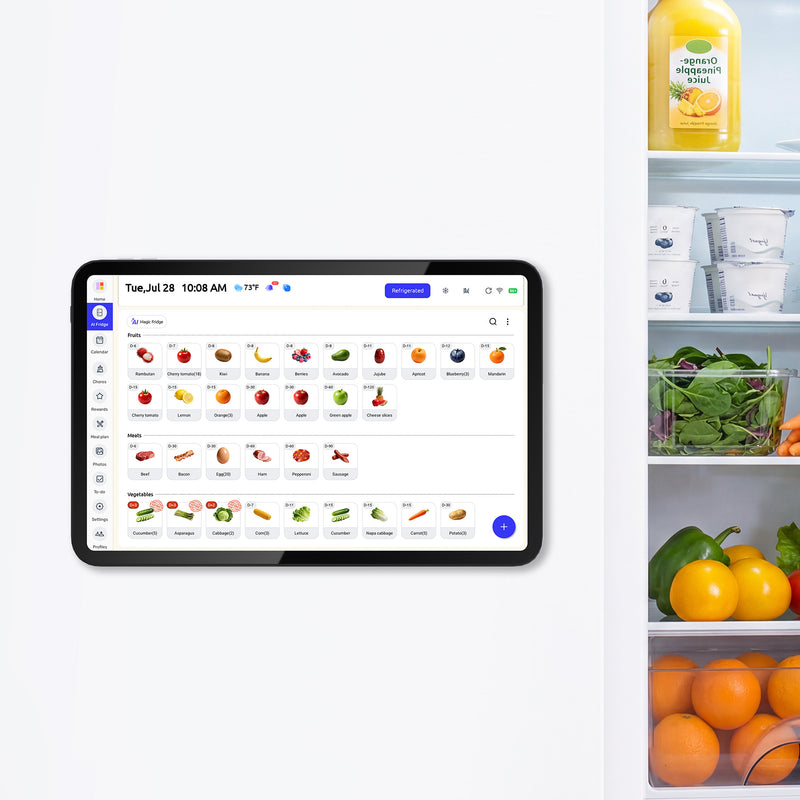
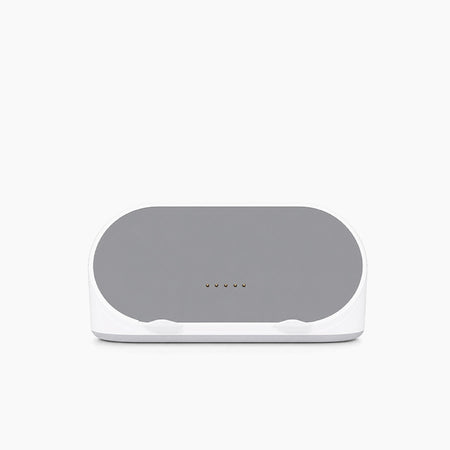
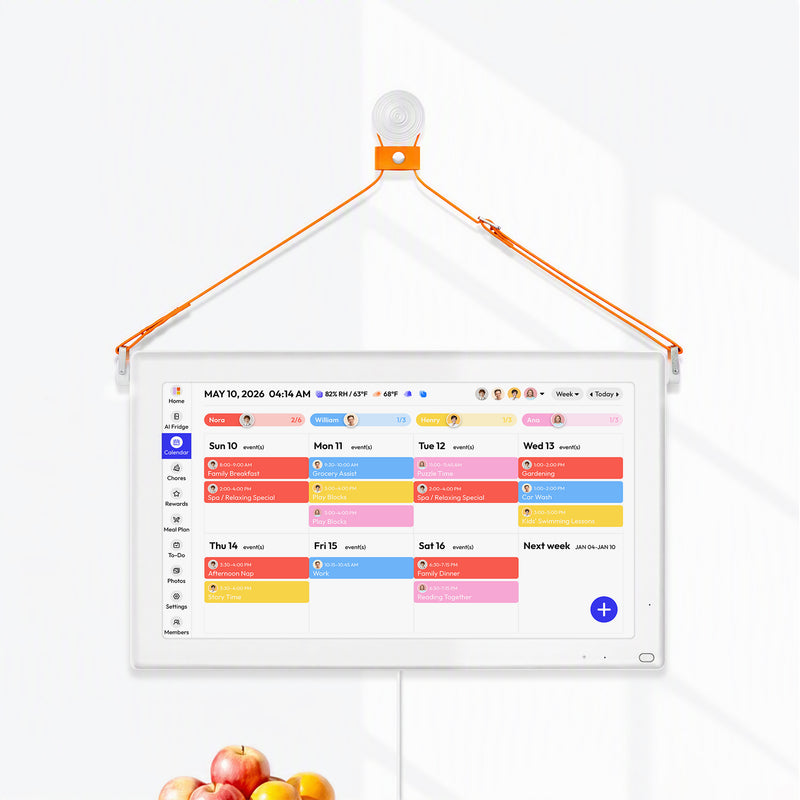
Some households don't need another roof opening. They need a better way to centralize schedules, chores, meal planning, and family photos on a wall-mounted display. Devices in this category have become established consumer products. For example, one review of the 15-inch Skylight Frame listed a $399 RRP, 1920×1080 IPS resolution, 8GB of storage, and said emailed photos could appear in under 60 seconds on the device, with storage described as enough for 8,000+ photos in that review's testing and summary at Digital Reviews' Skylight Frame review. A product like Everblog serves a related but different use case as a digital family wall calendar for shared household coordination rather than a roof-installed skylight.
That distinction matters because some homeowners searching “Skylight frames review” are deciding between daylighting a room and adding a visible family information hub indoors. They solve different problems.
Your Skylight Frame Buying and Maintenance Checklist
A good purchase decision usually comes down to a short list of questions and a few habits after installation.
Before you buy
- Ask for system compatibility: Confirm the frame, glazing, flashing kit, and mounting method are designed to work together.
- Ask for room-based reasoning: Make the contractor explain why this skylight type fits this room, not just why it's available.
- Ask about service access: Venting units need practical access for cleaning, seal checks, and hardware service.
- Ask for warranty documents in writing: Review the terms before work starts. If you want a model for how warranty information should be presented clearly, look at Everblog's warranty page.
After installation
- Inspect interior finishes: Watch for paint movement, staining, or trim swelling around the opening.
- Clean weep paths and tracks: Venting models need occasional cleaning so debris doesn't interfere with operation.
- Watch humidity-heavy rooms: Bathrooms and kitchens show condensation issues first.
- Schedule roof checks: After severe weather or roof replacement work, have the flashing area inspected.
A skylight frame doesn't need to be flashy to be a good choice. It needs to fit the room, the roof, and the full assembly around it.
If your household challenge is less about bringing in daylight and more about keeping schedules, chores, meals, and family visibility in one place, Everblog is worth a look. It's a wall-mounted digital family calendar built for shared household coordination, with tools for planning and organization in a single display.


