






The Complete Guide to Coparenting Calendars (And Why They Matter)
Whether you’re newly navigating separation or have been coparenting for years, one thing becomes clear very fast: communication can make or break the experience.
Between school drop-offs, dentist appointments, extracurriculars, holidays, and just trying to remember who’s supposed to pick up dinner—things get complicated. That’s where a coparenting calendar can be a lifesaver.
But not just any calendar. A structured, shared, neutral tool can help reduce misunderstandings, manage expectations, and most importantly—give your kids a sense of stability.
In this article, we’ll walk through what makes a great coparenting calendar, how to set one up, what to include, and the tools available (from paper charts to smart displays).
What is a Coparenting Calendar?
A coparenting calendar is a shared scheduling tool designed to help two parents coordinate responsibilities after separation or divorce. It allows both parties to:
-
Track parenting time and custody schedules
-
Log school events, sports, family gatherings
-
Plan holidays and travel time
-
Manage chores, duties, and pickups
-
Keep communication clear and neutral

Think of it as a digital (or physical) agreement that keeps everyone aligned—most importantly, for the sake of the kids’ routine and emotional security.
Why a Coparenting Calendar Matters

You're not just splitting time; you're building trust.
Coparenting without a structured system often leads to one of three problems:
-
Miscommunication – “I thought you were picking her up today.”
-
Forgotten commitments – “No one packed their homework.”
-
Emotional tension – which kids pick up on even when they don’t talk about it.
Using a shared calendar isn’t just about organization—it’s about creating peace.
What to Include in Your Coparenting Calendar
To make it effective, your coparenting calendar should cover:
-
Weekly custody rotations and hand-off logistics
-
School / daycare schedules
-
Special events (birthdays, recitals, parent-teacher conferences)
-
Medical appointments
-
Holidays and vacations
-
Chore responsibilities and household tasks (especially if you use a reward system for kids)
-
General reminders (e.g., buying school supplies or submitting forms)

The goal is transparency and fairness. If it’s on the calendar, there’s less room for conflict.
Top Tools for Coparenting Calendars
There are many ways to keep a coparenting schedule. Here’s a breakdown of popular approaches:
📝 1. Paper Calendars or Printables
Good for minimalists. But they don’t sync and need to be updated manually—easy to fall off the fridge and harder to share if you don’t live together.
📱 2. Apps
Tools like Cozi, OurFamilyWizard, or Google Calendar are popular. They allow shared access and mobile updates—but often require both parents to download and use the app consistently. Some have subscription fees.
🖥️ 3. Smart Family Calendars
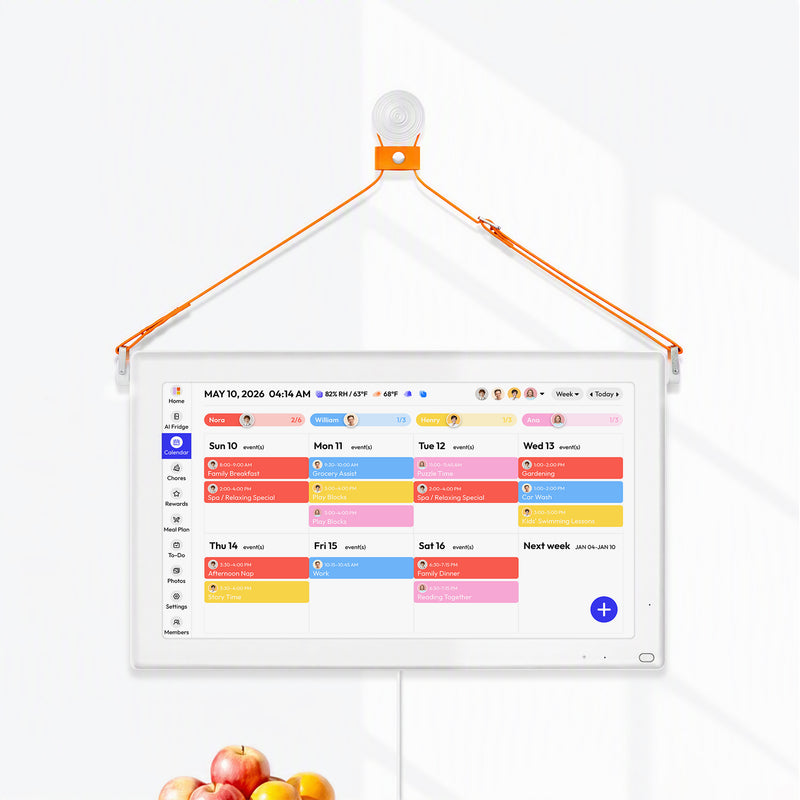
A new solution that’s gaining popularity: smart digital calendars like the Everblog Calendar, which syncs with your phone but lives on the wall like a family center—providing a visual reminder you can’t miss. Kids can also see their schedules without needing devices. Bonus: Some even offer reward systems for chores and interactive features that reduce daily nagging.
Want to know more about how smart calendars work for coparenting? Check out our guide to shared family scheduling solutions.
Common Coparenting Calendar Mistakes to Avoid
Even with the right tool, parents often run into problems. Here's what to watch out for:
-
Not updating consistently
-
Refusing to compromise on scheduling
-
Using the calendar to call out or “track” the other parent
-
Not involving kids in reviewing or understanding their routine
-
Keeping changes in messages instead of updating the shared calendar
Remember: the calendar is a tool to build trust, not drag up old issues.
Expert Tips for Using a Coparenting Calendar
-
Set a weekly review session (even 10 minutes on Sunday)
-
Agree on naming conventions (e.g., “Soccer Practice – Mom Pickup”)
-
Use reminders and color coding
-
Be transparent with changes—always update the shared space
-
Include your kids if they’re old enough to see their own routine
Coparenting Calendar Example: What It Can Look Like
Here’s a simple snapshot you can start with:
| Date | Activity | Parent Responsible | Notes |
|---|---|---|---|
| Mon, Dec 2 | School Drop-off 7:45am | Mom | Lunch packed |
| Tue, Dec 3 | Piano @5pm | Dad | Bring sheet music |
| Thu, Dec 5 | Dentist | Mom | No snacks before appointment |
| Sat, Dec 7 | Dad Time (overnight) | Dad | Return Sun 6pm |
Even a simple chart like this can help everyone stay aligned.
Final Thoughts: A Coparenting Calendar is More Than Logistics
Raising kids in two households is never easy, but clear expectations and shared planning go a long way toward making it joyful and workable.
A well-set-up coparenting calendar isn’t just a schedule—it’s a structure that gives your kids the stability they deserve.
Whether you’re using a paper planner or upgrading to a smart calendar that sits on the wall, make sure both parents are committed, collaborative, and kind.
Because in the end, it’s not just about who’s picking up the kids.
It’s about showing up for them.


