




One rotisserie chicken can cover dinner plus four follow-up meals if you portion it on purpose the day you bring it home.
You know the pattern: great first-night chicken, then random leftovers nobody wants by day three. Households waste about 3.5 lb of food per person per week, so this is less about creativity and more about having a reliable system. Use this plan to turn one bird into five clearly different meals, with safety rules and storage checkpoints that keep quality high.
Build the 3-Day Plan Before You Serve Dinner
A five-meal rotisserie workflow works best when you assign each part of the chicken before the first plate: prime pieces now, breast meat for a cold meal, dark-meat leftovers for a hot meal, scraps for a mixed dish, and bones for broth.
The rotisserie shortcut format stays interesting when each reuse changes structure (salad, bowl, skillet, taco, soup) rather than repeating “chicken and sides” every night.
A safe cold-storage setup keeps this system reliable: keep the refrigerator below 40°F (target around 35°F), move cold items in quickly, and freeze what you will not use soon.
Quick Allocation Template
Chicken Part |
Planned Meal |
Action on Day 0 |
Crispy skin + best dark meat |
Fresh dinner |
Serve immediately |
Breast meat |
Chicken salad or cold wraps |
Shred/chop and chill |
Wings + remaining dark meat |
Pasta, grain bowl, or skillet |
Store as “heat-and-add” protein |
Small scraps |
Tacos, pot pie, stew |
Collect in one container |
Carcass + gelatin/fat bits |
Broth |
Refrigerate for next simmer or freeze |
Build 5 Meals That Do Not Taste Repetitive
A repeatable assembly pattern makes fast variety practical: shred chicken, add one creamy or spicy element, add one crisp element, and change the base. This is how 5-minute chicken salad and ~10-minute rice bowls feel like different meals instead of leftovers.
The five-use sequence gives a simple progression:

- Day 0 dinner: eat it fresh while skin is still crisp.
- Day 1 cold meal: chopped breast with mayo, celery, pickles, and a little dressing.
- Day 1 or 2 hot meal: wings/dark meat folded into pasta, grain bowls, or soup.
- Day 2 mixed dish: tiny scraps into tacos, pot pie, or stew.
- Day 2 or 3 base prep: simmer carcass with onion, carrot, celery, optional bay leaf for broth.
A format-switch approach solves “leftover fatigue”: serve chicken salad as a sandwich today, a wrap tomorrow, and a bowl the next day using different toppings.
Use Non-Negotiable Food Safety Rules
The core temperature and timing rules are simple and strict: keep fridge foods cold, freezer at or below 0°F, and discard perishable food left out more than 2 hours (or 1 hour above 90°F).
A low-risk fridge layout reduces cross-contamination: keep raw meats on lower shelves, keep ready-to-eat foods above them, and avoid overpacking so cold air can circulate.

A review on salt and weak organic acids found salt can increase survival of pathogens like E. coli O157:H7 and Salmonella in acidic environments, so vinegar-plus-salt dips should not be treated as a food-safety kill step.
Cut Waste With Early Freezing and Better Storage
A household food-waste baseline shows why this matters: about 30–40% of purchased food is wasted, with around $1,500 in annual loss for a four-person household in 2022.
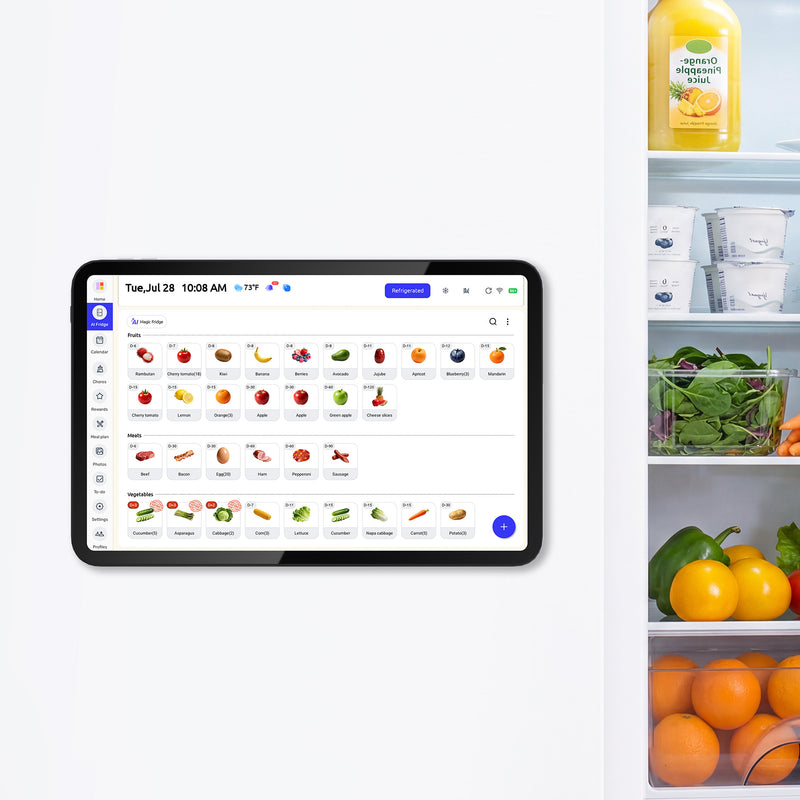
A waste-prevention routine keeps your chicken meals supported by usable produce: plan the week, check fridge/pantry before shopping, refrigerate produce in breathable conditions, and separate ethylene producers (like apples and bananas) from sensitive items (like lettuce and cucumbers).
The carcass-to-broth method closes the loop: simmer bones with aromatics for 1–2 hours, strain, then refrigerate or freeze in small portions (including ice-cube sizes for sauces and quick soups).

Add a Shelf-Stable Backup for Busy Weeks
A shelf-stability framework highlights four control points: water activity, pH, oxygen exposure, and temperature. In practice, this means storing backup staples in cool, dry, sealed conditions and rotating on a schedule.
A Costco-ready emergency option can cover no-cook days: ReadyWise kits were listed online-only with examples like a 150-serving bucket at $79.99 after discount and larger bundles up to 5,400 servings.
A quarterly FIFO protocol keeps long-life food practical instead of forgotten: label open dates, inspect seals, and rotate every 3 months.
Final Takeaway
Treat rotisserie chicken like a small production system: assign parts on day one, vary meal formats, enforce temperature rules, and freeze early. That combination gives you better weeknight speed, less waste, and a repeatable plan.
Action Checklist
- Buy one rotisserie chicken and assign all parts before serving dinner.
- Pack breast meat, dark meat, scraps, and carcass into separate labeled containers.
- Keep fridge temperature near 35°F and freezer at or below 0°F.
- Build five formats: fresh plate, cold salad, hot bowl/skillet, mixed dish, broth.
- Freeze unused portions early in freezer-grade containers.
- Run a 3-month FIFO check on shelf-stable backup foods.
Important Note
The planning templates and organizational systems provided here are intended as adaptable blueprints. Every family’s needs, dietary requirements, and physical capabilities are different. We recommend tailoring these schedules to your specific health needs and household dynamics. Results from productivity or meal-planning systems may vary, and consistency remains the responsibility of the individual user.
References
- Preserving vegetables and reducing household waste
- Home food storage and safety temperatures
- Salt and weak organic acids in pathogen survival
- Science-backed long-storage factors and protocols
- Costco ReadyWise emergency food kit pricing
- Five meals from one rotisserie chicken
- Meals built around rotisserie chicken


