
Tweens build real independence when chores are specific, scheduled, and connected to the daily systems that keep a home running, especially meal planning and shared cleanup.
If you are tired of repeating the same reminders about dishes, laundry, and simple food prep, the problem is usually not motivation alone. Families get better follow-through when chores are broken into clear steps, matched to a tween’s actual readiness, and tied to a visible routine in the family calendar or command center. What follows is a practical system for turning cooking and cleaning into steady, useful independence.
Why Tweens Need Real Household Jobs
A shared chores system works well for ages 10-12 because this is the stage when kids can usually handle multi-step tasks with fewer reminders, but they also notice fairness quickly. That combination matters: tweens are ready for more responsibility, yet they cooperate better when the workload feels visible, balanced, and consistent across the household.

Age-appropriate chores and responsibilities are meant to grow gradually through the school years, so use readiness alongside age: if a tween can finish a 3-step job with few reminders, remember the cleanup standard, and repeat the task consistently for two weeks, they are usually ready for a slightly harder version.
Cleaning and cooking chores are especially useful because they are not abstract. Vacuuming a common area, unloading the dishwasher, wiping counters, or making a simple breakfast all produce a result the family can see right away. That makes chores easier to teach, easier to check, and easier for a tween to connect with contribution rather than punishment.
Independence grows faster when chores are meaningful
A middle school life-skills approach treats chores as preparation for the teen years, not just a way to keep the house tidy. When tweens begin handling laundry, simple kitchen work, and room upkeep with light supervision, they practice planning, sequencing, and follow-through in real situations.
This is also where home organization matters. A tween who knows where the hamper goes, where cleaning cloths live, and which night is their dinner-help night has a much easier time succeeding than a tween who gets verbal instructions in the moment.
Choose the Right Chores First
A useful chore chart is specific, consistent, and fair for the child’s age, capacity, and schedule. For tweens, that means choosing jobs with a clear finish line: load the dishwasher, wipe the bathroom sink area, fold and put away laundry, vacuum the living room, or make a simple breakfast. “Help more around the house” is too vague to build independence.

The best starting mix is one daily task and one weekly task for the first two weeks. That keeps the load manageable while the family learns where reminders are still needed. After that, add one more responsibility only if the first two are happening consistently.
Good starter chores for ages 10-12
A family chore chart should define what “done” means. For example, “clean the bathroom sink” can mean wipe the sink, clean the mirror, put toiletries back in place, and replace the hand towel if needed. “Do laundry” might mean sort clothes, move them to the dryer, fold them, and put them away the same day.
For cooking, start with tasks that fit naturally into family meal planning: washing produce, assembling sandwiches, making cold cereal or oatmeal, packing a lunch, setting the table, or helping with one simple dinner component. These jobs build skill without overwhelming the child or the adult supervising.
Parents and caregivers should make sure the kitchen is safe before cooking begins and match jobs to maturity, so if a tween is not yet steady with sharp tools or heat, swap in readiness-building alternatives like washing produce, measuring, setting out ingredients, unloading the dishwasher, or handling the cold parts of lunch prep until those basics are reliable.
Build a Weekly System, Not a Daily Argument
A weekly chore schedule reduces conflict when it separates daily tasks from weekly tasks and spreads work across the week. For example, a tween might reset their bedroom daily, then handle vacuuming on Monday, the bathroom sink on Tuesday, dishwasher duty on Thursday, and supply checks on Sunday. That pattern is easier to remember than a long undifferentiated list.
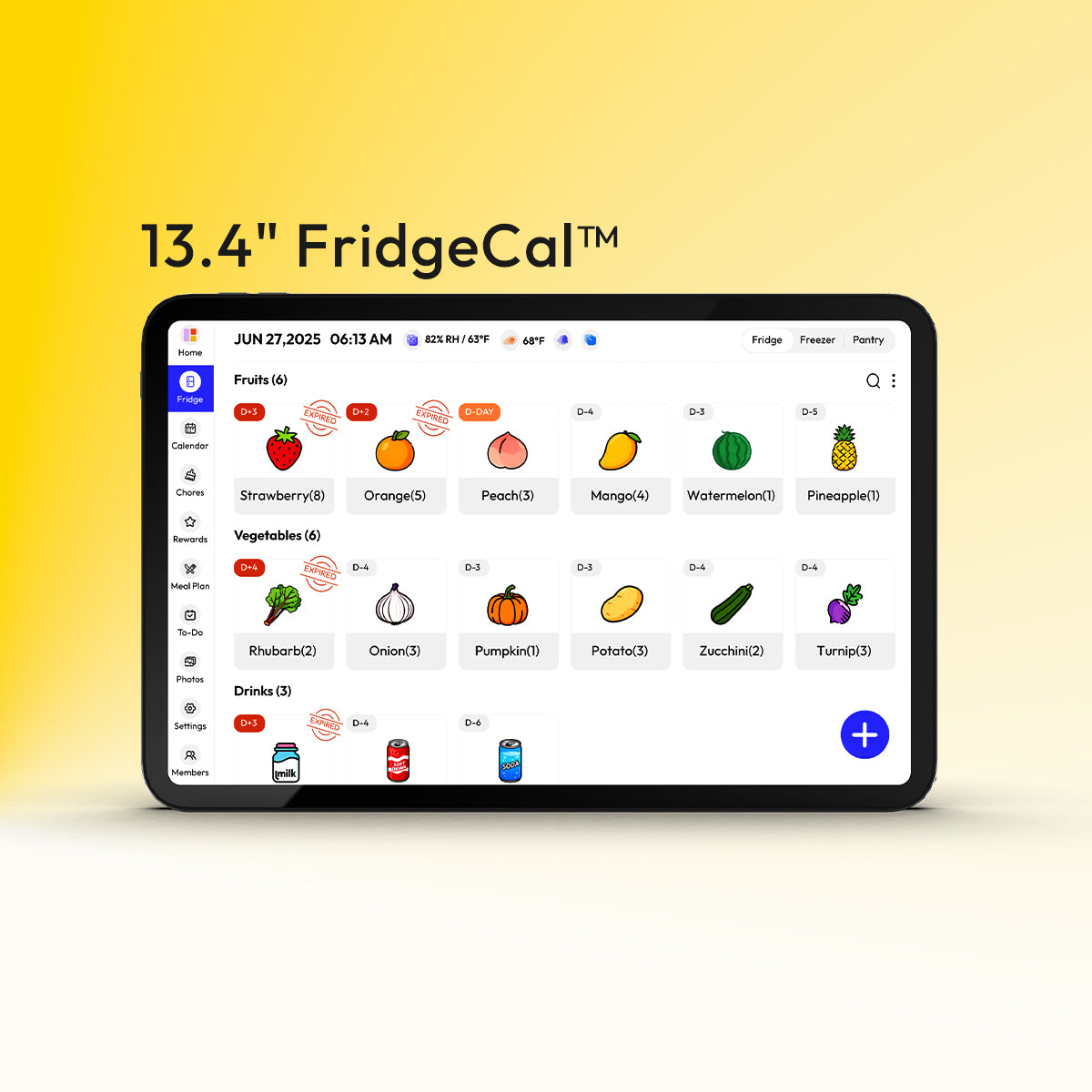
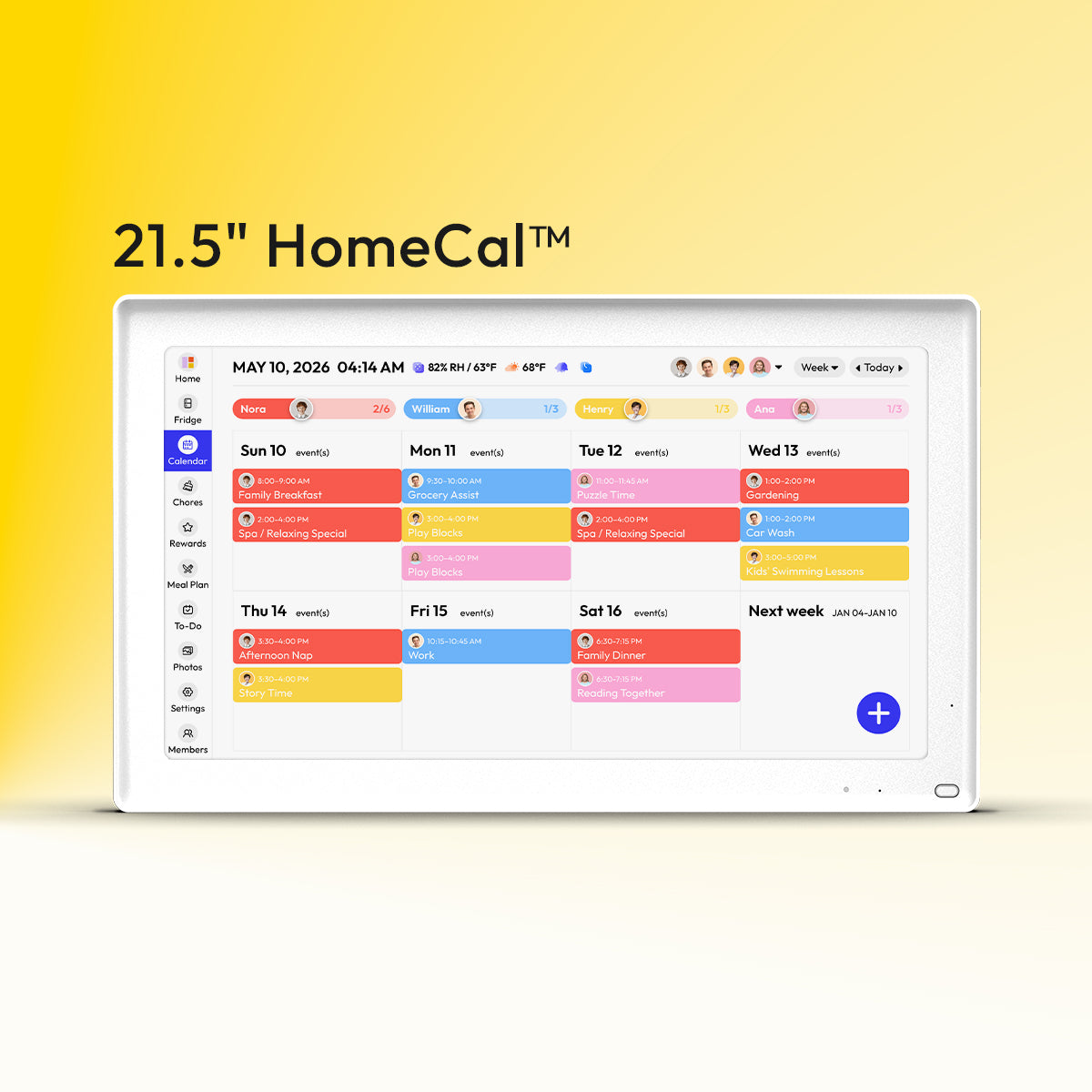
Digital systems are useful here because they keep the workload visible to everyone in one place. In families that prefer an app-based setup, Cozi lets each person have their own list while also showing the full household view, with recurring chores set daily or weekly. That is a strong fit for families already using a shared calendar and meal-planning workflow.
Use routines that connect chores to time and place
A daily checklist for preteens works best when it is tied to a predictable moment: after breakfast, after school, before screen time, or during a Sunday home reset. Written appliance instructions, labels, timers, and one stored bathroom bin for hygiene supplies all reduce the number of reminders a parent has to give.
A family work-time model can also help. One simple version is a Sunday block from 9:00 AM to 12:00 PM for laundry, room resets, restocking bathrooms, updating the family calendar, and prepping part of the week’s meals. Repeating the same rhythm every week matters more than making it elaborate.
Use Cooking to Teach Planning, Not Just Food Prep
A meal-planning routine becomes much easier when each family member suggests one meal per week and the family keeps a written list of favorite meals. For tweens, this lowers the thinking load. Instead of inventing dinner from scratch, they choose from familiar options like tacos, grilled cheese and soup, pasta, or a simple casserole.

Meal planning also teaches resource awareness. When a tween helps choose meals based on what is already in the freezer, fridge, and pantry, they start to understand how families reduce waste and control spending. A leftovers night, one quick-meal night, and one flexible night make the week feel more manageable for everyone.
A practical tween cooking ladder
A weekly teen-led dinner system can be adapted for tweens by scaling down the responsibility. In the first phase, the tween makes one component, such as pasta, salad, rice, or roasted vegetables, while an adult handles the rest. In the next phase, the tween helps plan one simple dinner with a short ingredient list and a fixed cook night.
Keep the boundaries clear. Choose beginner meals with about 10 ingredients or fewer, use one-pot or sheet-pan formats when possible, and assume the real cooking time may be twice what the recipe says. That keeps meal night calm and gives the child room to learn pacing, cleanup, and recovery when something runs late.
Make Safety and Cleanup Part of the Skill
A kitchen-skills approach for tweens should include cleanup from the start, not as an optional final step. Washing dishes, wiping counters, washing vegetables, and unloading the dishwasher are part of cooking independence because they teach the full workflow of making food and restoring the space.
Safety instruction needs to be simple, repeated, and visible. Tweens should know the rules for hot surfaces, sharp tools, handwashing, and what counts as finished cleanup. They also need clear limits: which appliances require permission, when an adult must be nearby, and where cleaning products are stored.
Kitchen safety works best when the rules are concrete: tuck fingertips while cutting on a stable board and keep the blade moving away from the body, require an adult within sight and reach for stovetop, oven, or hot-pan work, wash hands before food prep and again after raw foods, trash, or bathroom breaks, and define cleanup as counters wiped, tools washed, food put away, and the floor free of obvious crumbs. If a cut or burn happens, stop immediately and get an adult before continuing.
Define “done” clearly in both rooms and kitchens
A no-nag household system works better when parents assume missed steps are often inexperience, not defiance. If a tween “cleaned the kitchen” but left crumbs, full trash, and food containers on the counter, the task definition needs work. A better checklist might say: load dishes, wipe counters, sweep obvious crumbs, empty trash if full, and put leftovers away.

The same rule applies to bedrooms and laundry. “Do your laundry” should include start, transfer, fold, and put away. “Clean your room” should include bed made, clothes in the hamper, desk cleared, and floor visible. Clear standards reduce friction and make accountability fair.
Motivation Works Better When Tweens Have Some Control
A a company works best when motivation comes from values, autonomy, recognition, and natural consequences rather than constant bargaining. Tweens respond well when they can choose between two equivalent jobs, rotate less-favorite tasks, or decide whether to do their weekly cleaning job on Friday or Saturday.
Family meetings are useful because they shift chores from parental commands to shared household maintenance. When kids help name the jobs that keep the home running, they are more likely to see dishwashing, laundry, meal prep, and bathroom resets as normal contributions.
Keep fairness visible
A simple rotation system is often enough to prevent the “why do I always do this?” argument. One tween might handle dishwasher duty for a full week while a sibling does trash, then they switch. Repeating the same job for a week lowers forgetfulness and makes routines stick before the next rotation begins.
If rewards are used, keep them secondary. Regular chores should usually function as expected participation in family life, while extra jobs can earn privileges, a later bedtime, or a small amount of money. That keeps the core system stable and avoids constant negotiation over every task.
Practical Next Steps
Start with one visible system for the whole home: calendar, meal board, and chores in one place. Then make the work concrete enough that a tween can succeed without a running commentary from an adult.
Action checklist
- List the household’s cooking and cleaning jobs as daily, weekly, and seasonal tasks.
- Assign each tween 1 daily task and 1 weekly task for the first two weeks.
- Write a clear “done” definition for every assigned chore.
- Add one fixed food task each week, such as packing lunch, making breakfast, or helping cook one dinner component.
- Tie chores to routine moments like after school, before screen time, or Sunday reset time.
- Use one visible tracking system, either a paper command center or a shared app with recurring reminders.
- Review the system weekly and adjust for fairness, school load, and skill growth.
Tweens do not need more nagging; they need a home system that makes responsibility easier to see, easier to practice, and easier to repeat. When cooking, cleaning, meal planning, and scheduling work together, independence stops being a goal and starts becoming normal family life.
Important Note
The planning templates and organizational systems provided here are intended as adaptable blueprints. Every family’s needs, dietary requirements, and physical capabilities are different. We recommend tailoring these schedules to your specific health needs and household dynamics. Results from productivity or meal-planning systems may vary, and consistency remains the responsibility of the individual user.
References
- Cozi Chores
- Best chores chart by age
- Teach teens how to meal plan
- Teen cooking dinner weekly guide
- Age-appropriate chores for 10-year-olds
- How to create a family chore chart
- Chores for kids by age
- Create an effective weekly chore chart
- Preteen routine daily checklist
- Tween chores and middle school life skills
- Get your kids to do their chores
- How to get teens to do chores




Leave a comment
This site is protected by hCaptcha and the hCaptcha Privacy Policy and Terms of Service apply.