


Spring cleaning can feel like a home emergency when every room needs attention at the same time. The fix is not a heroic all-day marathon. It is a calm, visible schedule with short cleaning rounds, clear finish lines, and just enough game structure to keep everyone moving.

This works especially well for busy families because it reduces the real problem: mental load. When the plan is visible, the jobs are small, and the reward is immediate, deep cleaning stops being one person's invisible project and becomes a shared routine.
Quick Action Checklist
- Pick four high-friction zones: kitchen, main bathroom, bedrooms, and entryway/living room.
- Schedule 20- to 30-minute weekday rounds and one longer weekend block.
- Give each person one mission per round, with a clear definition of done.
- Use soap and water for routine cleaning first; cleaning alone removes most germs in most situations.
- Use a simple score system: 1 point for reset tasks, 3 points for scrub tasks, 5 points for finishing a donation bag or problem area.
- Open windows, never mix bleach with other cleaners, and keep products in original containers and out of reach of kids and pets.
If guests are coming soon, do not start with storage bins or sentimental clutter. Start where people walk, eat, and get ready.
Turn the Schedule Into a Game
Keep the rules simple enough that nobody needs a second meeting about the rules.
Run weekday rounds for 20 to 30 minutes. That is long enough to make visible progress and short enough that kids, teens, and tired adults will actually start. On weekends, do one 60- to 90-minute block for the week's deep-clean zone, then stop. Exhaustion is not the goal.
Make every task specific. "Clean the bathroom" invites avoidance. "Wipe the mirror, sink, toilet exterior, and empty the trash by 7:00 PM" is concrete. Each person should know what they own, when it ends, and what finished looks like.
Start with the mix that fits your household, because there is no single answer for chores across different ages, abilities, and family dynamics. A young-kids version can use shorter 10- to 15-minute rounds and 1-point pickup jobs, a two-working-parent version can shift most scrub points to the weekend, and a solo-or-large-home version can award one bonus for finishing a full zone; after one week, trim points or round length if effort, time, or fairness feels off.

Use team rewards more than individual prizes. Let the winning team choose Friday dessert, control the playlist, pick the family movie, or claim first shower. Rewards that reduce friction work better than rewards that add more stuff to the house.
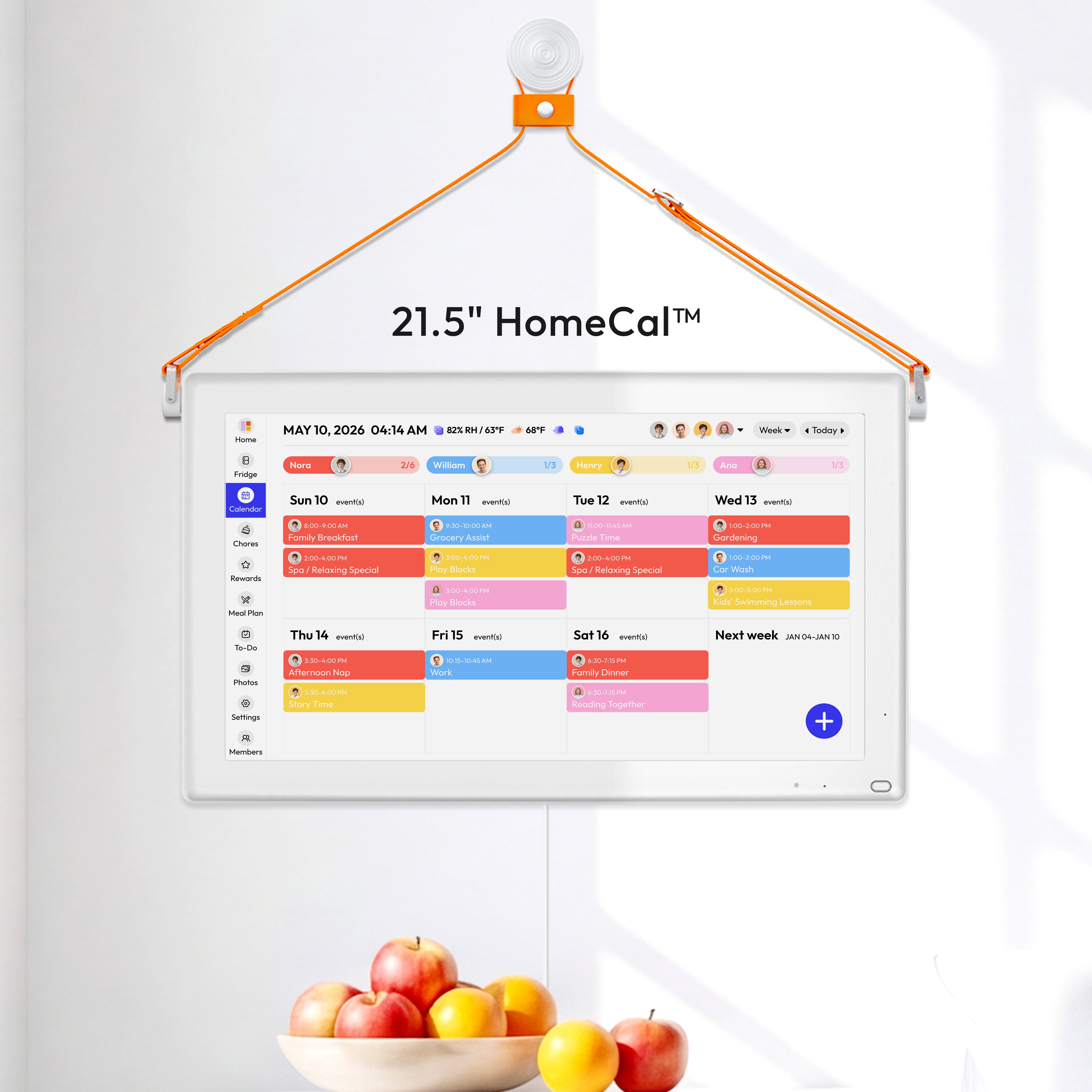
Most important, keep the schedule somewhere people already look. For families juggling school, work, and activities, a tool like the Everblog 21.5" Digital Calendar can put shared schedules, chore blocks, and rewards on one large wall display instead of leaving the plan scattered across phones and sticky notes.
A 4-Week Spring Cleaning Plan
Treat each zone the same way every week: remove trash and obvious clutter first, clean surfaces and floors second, then reset the room so it stays usable.
Week 1: Kitchen, Pantry, and Fridge
Adult lead: clear expired or questionable food, wipe refrigerator shelves, degrease cabinet pulls, clean appliance fronts, and plan three "use it up" dinners from what is already in the house. Kids and teens: match food containers, sort snack bins, wipe lower cabinet fronts, and carry recycling out.
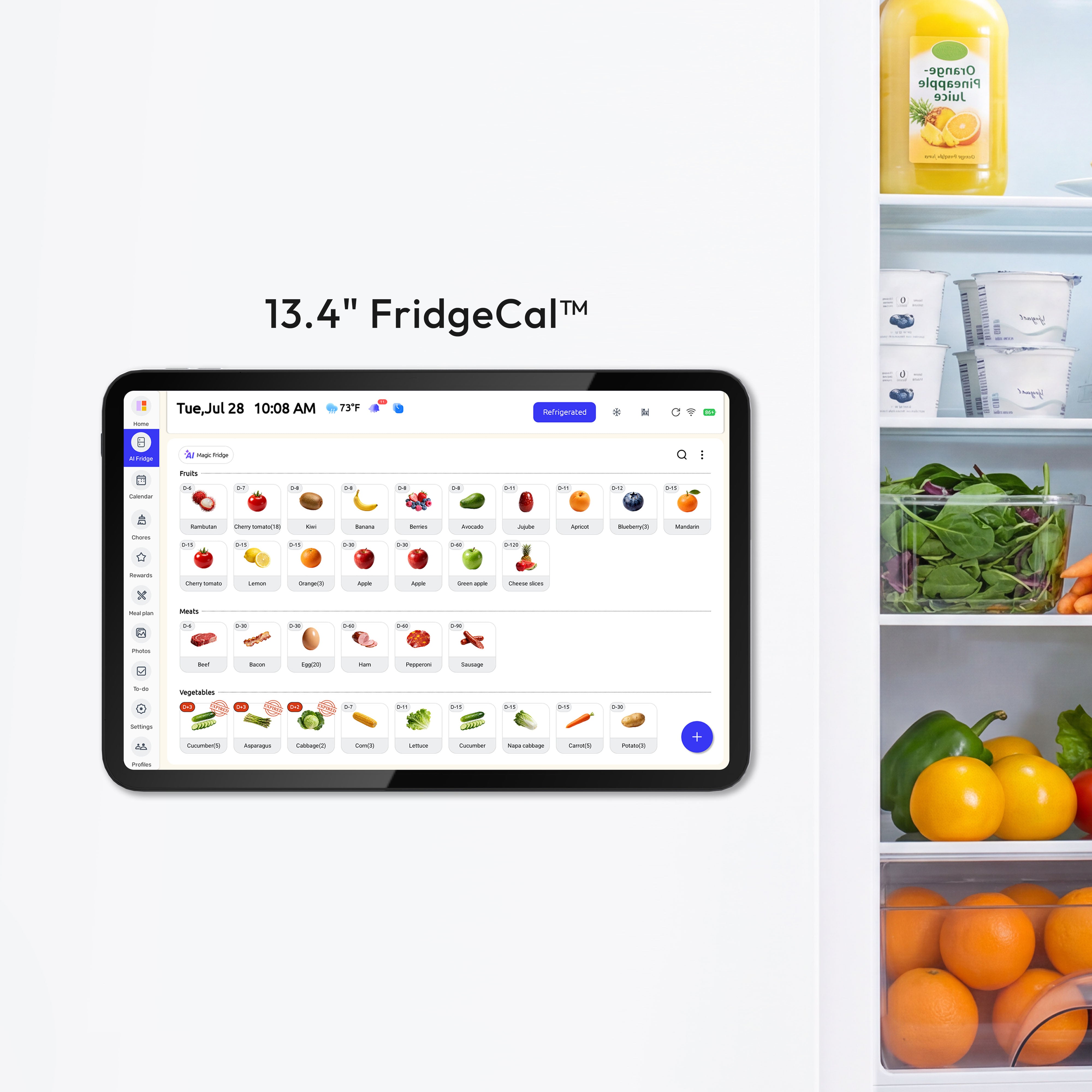
Done means the refrigerator is at or below 40°F and you are following the two-hour rule for perishables, the sink is empty, and the next few dinners are no longer a mystery. If this is the zone that breaks down first, a fridge-mounted Everblog 13.4" FridgeCal Calendar can keep meal plans, grocery lists, and expiration reminders on the fridge door.

For this zone, done also means washing hands and food-contact surfaces often, keeping raw-meat tools separate from ready-to-eat foods, refrigerating leftovers promptly, and making sure expired or leaking items never go back on a shelf.
Week 2: Bathrooms and Laundry Recovery
Adult lead: scrub the tub or shower, sink, toilet, mirrors, and baseboards, then wash bath mats and hand towels. Kids and teens: collect laundry, restock toilet paper, empty trash, sort hair accessories or bath toys, and wipe cabinet exteriors.
Done means each bathroom has only the products people are actually using, fresh towels are out, and the floor is clear enough to mop without moving ten things first. Bonus points go to the person who resets the shower curtain or liner and puts fresh soap where it belongs.
Week 3: Bedrooms and Closets
Adult lead: strip beds, vacuum under furniture, dust nightstands and blinds, and set out one donate bag per room. Kids and teens: clear floors, sort clothes into keep/donate/too-small, pair socks, and reset nightstands.
Done means no clothing is living on the floor, beds are remade, and the donation bag leaves the house within 24 hours. That last step matters. A full donation bag that sits in the hallway for three weeks is not progress; it is delayed clutter.
Week 4: Living Room, Entryway, and Paper Piles
Adult lead: clear paper stacks, vacuum couch cushions, wipe high-touch surfaces, and mop traffic lanes. Kids and teens: pair shoes, return books and games, empty backpacks, and wipe fingerprints from doors and light switches.

Done means the front path is clear, the dining table is not acting as storage, and every daily-carry item has a landing zone for the next morning. If you only have time for a fast rescue before a holiday meal or houseguests, do Week 1 and Week 4 first. Those zones change how the house feels fastest.
What NOT to Do
- Do not empty multiple closets, drawers, or bins at the same time. Finish one contained zone before opening the next.
- Do not let the plan live in one person's head. Visible schedules reduce reminders, resentment, and "I didn't know" arguments.
- Do not treat routine cleaning like a disinfecting emergency. Save disinfecting for illness, a recent sick visitor, or a truly high-risk mess.
- Do not mix cleaning products, and do not use stronger cleaners in a closed room.
- Do not pour cleaners into drink bottles or keep mystery leftovers just to avoid waste. Bad storage creates more problems than it solves.
Make It Stick After Spring
Once the four-week reset is done, keep one 15-minute Sunday block for an entryway pickup, a fridge check, and a laundry reset. That small maintenance round is what prevents the next cleaning emergency.
If the family likes the game format, keep the score system but shrink the tasks. Deep cleaning works better when it becomes a predictable rhythm, not a once-a-year punishment.
FAQ
Q: What if I only have one weekend before guests arrive?
A: Focus on the kitchen, main bathroom, entryway, and living room. Skip storage bins, garage corners, and sentimental clutter. Clean traffic paths, visible surfaces, and the fridge first.
Q: Do I need to disinfect every room during spring cleaning?
A: No. Routine cleaning usually starts with soap and water, and that is enough for most household situations. Disinfect when someone is sick, a sick guest recently visited, or you are handling a higher-risk mess.
Q: Can young kids help safely?
A: Yes. Give them low-risk jobs like sorting, matching, dusting with a dry cloth, carrying laundry, or wiping lower surfaces with a damp cloth. Adults should handle strong cleaners and any bleach-based product.
Safety Note
The "rescue" strategies and immediate actions suggested in this article are designed to assist with common household challenges. However, in any true emergency—especially those involving structural damage, fire, or immediate health hazards—prioritize your personal safety and contact professional emergency services first. These AI-assisted recommendations serve as a secondary resource and should be applied with discretion based on your unique household environment.
- If someone has trouble breathing, collapses, or has a seizure after cleaner exposure, call 911 right away.
- For fumes, skin, eye, or swallowed-cleaner exposure, stop the task and use the matching first-aid basic: fresh air for fumes, contaminated clothing off, running water for skin or eyes, then contact Poison Help for next steps.
- Do not make anyone vomit or try home remedies after a swallowed cleaner, and keep local emergency contacts plus Poison Help at 1-800-222-1222 posted before deep-clean days.
References


