







A shared calendar works best when it becomes the single source of truth for parenting time, school events, swaps, and handoffs. The right setup reduces avoidable arguments by replacing memory, scattered texts, and last-minute surprises with one visible plan.
Are you tired of the Thursday-night text that says pickup changed, a practice got missed, or nobody is sure whose weekend it is? Families that centralize logistics in one shared system consistently see practical benefits noted across these sources: fewer double-bookings, fewer repeat explanations, and far less friction around routine decisions. You will leave with a clear way to choose the right tool, set it up so both homes actually use it, and handle schedule changes without turning every update into a conflict.
Why shared tech matters in co-parenting
A shared scheduling system for co-parenting is simply one system both parents can see and update for parenting time, school events, holidays, travel, activities, and appointments. That definition matters because many co-parenting problems are not really about the event itself; they start when each parent is working from a different version of the plan.

In day-to-day family organization, one shared family calendar as the single source of truth is one of the most reliable ways to reduce mental load. That principle becomes even more important across two homes, where "I thought you knew" can turn into missed handoffs, rushed packing, or a child standing in the wrong place at the wrong time. In practice, the calmer households are usually not the ones with perfect communication. They are the ones with fewer places for information to hide.
There is also a simple emotional benefit for children. When the schedule is visible and consistent, kids spend less energy decoding adult tension and more energy knowing what comes next. A shared system cannot fix every co-parenting issue, but it can remove a large category of avoidable stress: confusion.
What shared tech should actually include
The most useful co-parenting systems do more than show dates. Co-parenting apps that reduce conflict typically centralize scheduling, communication, and sometimes expenses, which matters because conflict often spills across all three. If a pickup change lives in text, the game schedule lives in email, and reimbursement lives in memory, the calendar alone will not carry the full load.
A good setup usually includes clear event titles, exact times, exact locations, and any special instructions stored inside the event itself. Co-parenting calendar guidance also emphasizes naming conventions, child-specific labeling, recurring events, and document attachments. That may sound small, but it changes the tone of the interaction. "Soccer" is vague. "Emma soccer, Field 4, cleats and blue jersey, 5:30 PM drop-off" prevents a surprising number of arguments.
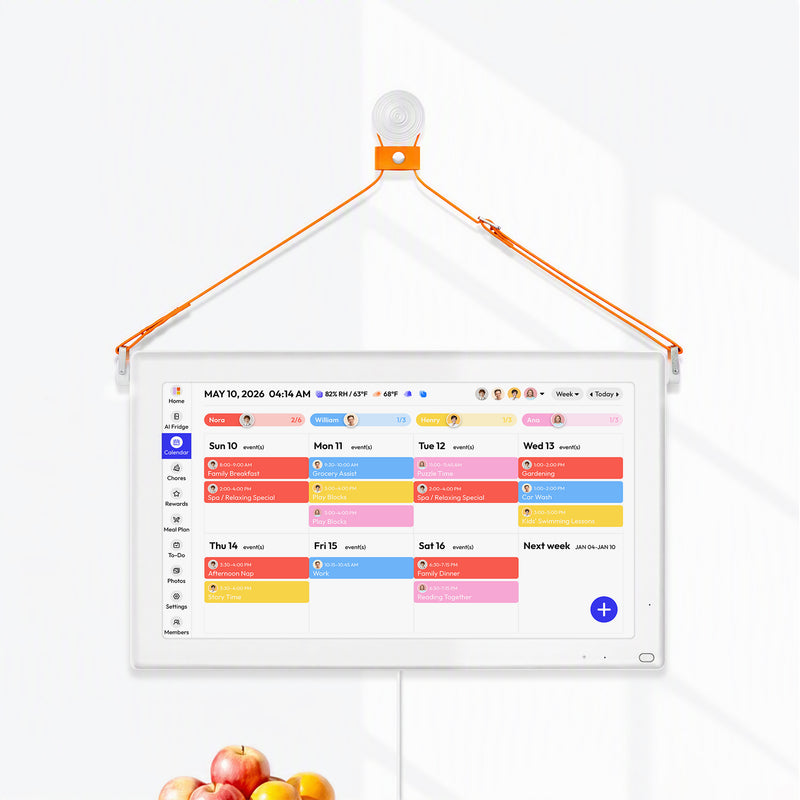
For many families, a hybrid system works best. Hybrid organization systems combine a digital master calendar with a visible home command center. In co-parenting, that could mean the phone app is the legal and logistical source of truth, while a kitchen display or wall calendar helps children see the week at a glance.

When a simple shared calendar is enough and when it is not
A shared family calendar app can be enough when both parents are mostly cooperative, already use the same device ecosystem, and mainly need scheduling rather than evidence-grade communication records. General calendar and family organizer apps are practical options for recurring events, visibility, and fast setup. If the main problem is accidental double-booking, a lighter tool may solve it.
That said, not every co-parenting situation is a good match for a general family organizer. A dedicated co-parenting platform is designed for higher-conflict or more formal custody arrangements, with time-stamped records, structured communication, expense tracking, and tools that help keep messages calmer and less reactive. The tradeoff is obvious: more accountability often means more cost and more formality.
Here is the simplest way to think about the choice:
Situation |
Best fit |
Main advantage |
Main drawback |
Low-conflict, scheduling-heavy |
Shared family calendar |
Easy setup and low friction |
Weak documentation |
Moderate-conflict, frequent swaps |
Co-parenting app |
Better structure for changes |
More setup and learning |
High-conflict or court-sensitive |
Dedicated co-parenting platform |
Strong records and transparency |
Higher annual cost |
If you are deciding between a free or low-cost tool and a more formal platform, start with the problem, not the app. If your recurring issue is "we forgot," choose ease and visibility. If the recurring issue is "that's not what you said," choose documentation.
How to set up a calendar that actually reduces conflict
The best family calendar systems work because everybody knows where to look first. For co-parenting, that means agreeing on one master calendar and one rule: schedule decisions are not final until they are entered there. Without that rule, the app becomes another place to check instead of the place to check.
Start by loading the nonnegotiables for the next 12 months: school dates, known holidays, regular exchanges, sports seasons, therapy or medical appointments, and work constraints that affect pickups. If a child has two weekly practices, one monthly orthodontist visit, and alternating weekend parenting time, that is already enough moving parts to justify doing this carefully. In a single month, even one child can easily create more than a dozen time-sensitive entries, which is exactly when memory stops being reliable.

Then standardize the details. Clear naming and exact event information matter more than most parents expect. Choose a format such as "Child - event - location - pickup parent," and keep using it. Add addresses, room numbers, uniform notes, medication reminders, or required forms inside the description instead of scattering them across texts.
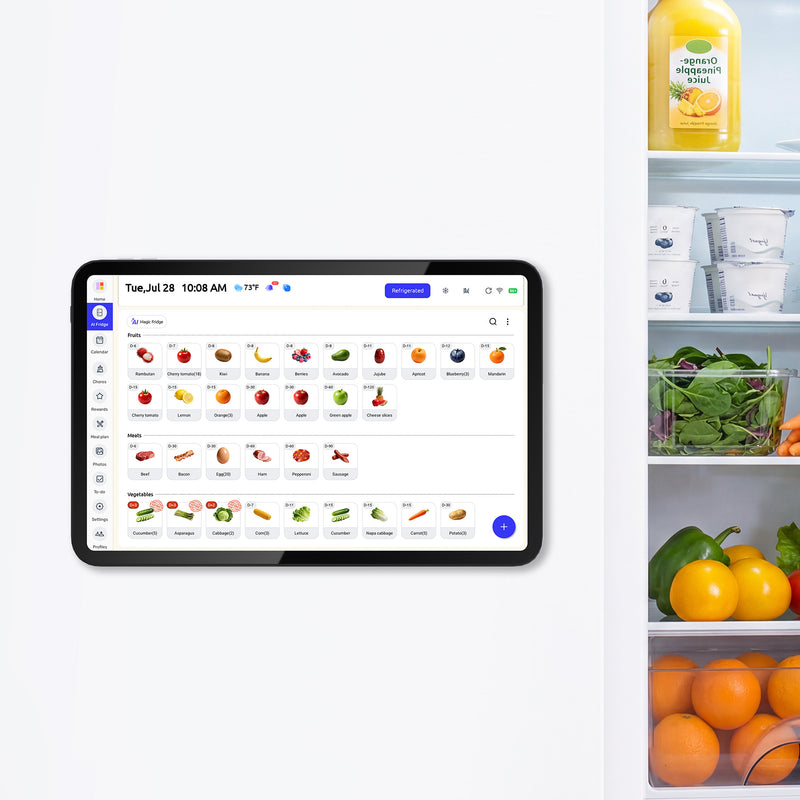
Finally, make the system visible in both homes. A centralized communication space helps the digital plan stick in real life. That could be a smart digital fridge calendar, a kitchen display, or a simple hallway screen. The point is not decoration. The point is lowering the odds that a child, backpack, or permission slip gets left behind because the plan lived only on one parent's cell phone.
The features that prevent the most arguments
The most useful co-parenting app features are the ones that reduce ambiguity. Color-coding by child or event type helps both parents scan the week quickly. Recurring entries reduce re-entry errors. Notifications reduce missed updates. Swap-request tools are better than informal texts because they turn "Can you switch?" into a visible yes-or-no decision.
For families with tense communication, documented messages and structured records can be worth paying for. When messages cannot be quietly edited or deleted later, there is less room for "I never got that" or "That's not what I meant." Some parents will find that formality excessive. Others will find it is exactly what lowers the emotional temperature.

There is one caution here. More features do not automatically mean less stress. Overcomplicated family systems often fail because nobody keeps them updated. If one parent will only use the calendar but not the expense tracker, or will check the app but never a task board, build around that reality. The best system is the one both households will actually open every day.
How to handle changes without restarting the fight
A weekly review habit is one of the simplest ways to stop small problems from becoming big ones. Co-parents do not need a long meeting. A short, predictable review can be enough: confirm the next week's exchanges, note any school exceptions, and flag anything that needs approval. Calm structure beats constant improvisation.
Holiday planning deserves special treatment. Holiday scheduling is a common conflict point because it overrides the normal rhythm and carries more emotion. Put those dates in early, with exact handoff times and locations, rather than waiting until the week of Thanksgiving or Christmas. The earlier the decision goes into the calendar, the fewer emotional negotiations happen under pressure.
It also helps to treat changes as tradeoffs, not as proof of bad intent. If one parent requests a weekend switch because of a reunion or work trip, the calmer path is usually to record the proposed swap inside the shared system, note the makeup time, and close the loop there. That turns a personal dispute into a practical adjustment.
The limits of tech
A shared calendar can reduce double-booking and overscheduling but it cannot create trust where none exists. It also cannot decide what schedule is best for a child, settle major legal disagreements, or solve a pattern of one parent ignoring the plan. Tech is a tool for clarity, not a substitute for judgment.
This is where it helps to be honest. If your conflict is mostly logistical, shared tech is often a strong solution. If your conflict is driven by hostility, control, or repeated refusal to cooperate, a more structured platform may help, but outside support may still be needed. The schedule should make family life more predictable, not turn the app into another battleground.
A calmer co-parenting system usually starts with one practical decision: one calendar, one process for updates, and one shared expectation that the child should never have to carry the schedule in their head. When the plan is easy to see, easier to trust, and easier to follow, conflict loses some of the space it used to occupy.


