







One shared planning hub works best when it gives both homes one clear, visible source of truth for custody time, school details, and daily logistics.
Are you tired of the 7:30 PM text asking who has pickup tomorrow, or hearing your child wonder which house they are sleeping in tonight? Families usually feel calmer when schedule changes, handoff details, and school events live in one shared place instead of inside two adults’ heads. This approach helps you set up that system, choose tools that fit your situation, and make it easier for both homes to stay in sync.
Why Co-Parenting Schedules Break Down So Easily
Most co-parenting schedule problems are not really calendar problems. They start when information is split across texts, memory, school emails, paper notices, and separate phone calendars. One parent updates an event, the other misses the change, and the child ends up carrying the stress.

A co-parenting plan is the written agreement that explains parenting time, decision-making, and the rules around child-related logistics. Courts and family-law resources consistently stress that the schedule should be specific, child-focused, and detailed enough to prevent avoidable arguments. California court guidance on a clear, detailed order reflects the same practical lesson many families learn the hard way: vague plans create repeat conflict.
A shared planning hub solves a different problem than a legal plan. The legal plan says what should happen. The planning hub shows what is happening this week, what changed, who is responsible, and what the child needs to bring. That distinction matters because even a solid custody order can still fail in daily life if nobody can see the moving parts.
What a Shared Planning Hub Actually Means
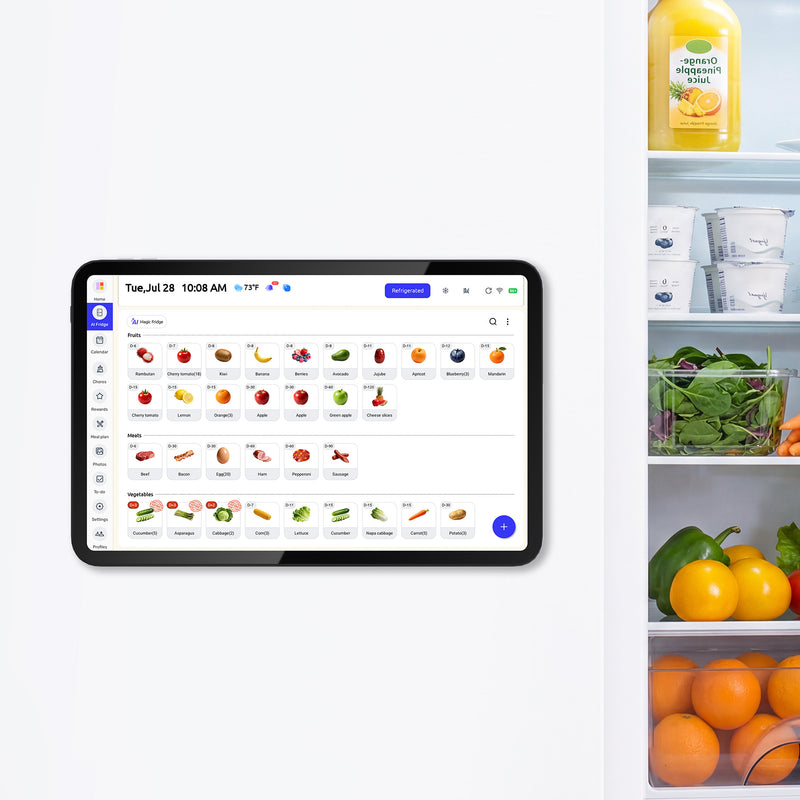
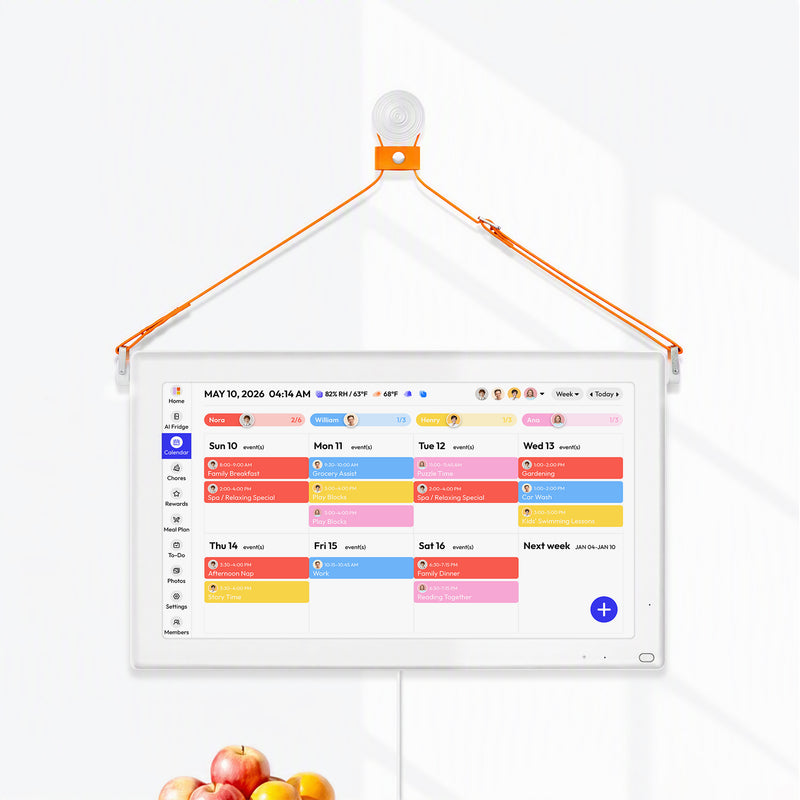
A shared planning hub is one central system for the child’s schedule across both homes. In practice, it usually includes a shared digital calendar, a rule for who can edit recurring custody blocks, and a visible display in the kitchen or entry area so the schedule is easy to check before school, dinner, or bedtime.
The best family calendar setups use the kitchen or fridge area because that is where people naturally pass several times a day, and a visible weekly calendar lowers mental load by moving reminders and ownership out of one adult’s memory and into a shared system. That is the core value of a visible kitchen calendar: not more technology, but fewer “Wait, who’s doing that?” moments.

The weekly view is usually the sweet spot. A monthly view often hides too much detail, while a daily view forces everyone to tap around. A good weekly screen shows parenting time, school events, practices, appointments, travel time, and pickup responsibility in plain language.
The Best Setup for Most Two-Home Families
For many families, the most stable approach is simple: one shared custody calendar, one communication rule, and one in-home display. A shared custody calendar setup works better when it is used only for parenting logistics rather than mixed with work meetings and personal errands.
That means each recurring custody block should be entered once and then repeated, each parent should have a color, and every child-related event should answer the same questions in the title or description: who, where, when, transportation, and what to bring. “Maya orthodontist, Dad pickup, leave at 3:40 PM, retainer case” prevents far more confusion than “Appointment.”
One small rule prevents a surprising amount of friction: designate one parent to manage the repeating custody structure, while both parents can add child events and notes. That recommendation appears in guidance around shared calendar use because duplicate editing on recurring events often creates messy conflicts. In lower-conflict situations, that structure keeps the system clean without making either parent invisible.
A real-world example helps. Imagine a 2-2-3 schedule where exchanges happen after school. Instead of entering vague labels, the calendar shows “Mom overnight,” “Dad overnight,” and “school exchange” at the exact transition. Soccer practice, a medication refill, and picture day live on the same calendar. The child sees the week on the kitchen screen, and both homes see the same update on their phones.

When a Basic Shared Calendar Is Enough and When It Is Not
Not every family needs a specialized co-parenting app. If communication is mostly respectful and the main problem is forgotten logistics, a familiar shared calendar or general family organizer can be enough. General family tools such as a family organizer with lists and chores are useful when you also want shared lists, chores, and meal planning alongside the calendar.
The tradeoff is that simple calendar tools do not always create a strong record of contested changes, swaps, or communication. That is where dedicated co-parenting apps become more valuable. Families dealing with frequent last-minute changes, disputed exchanges, or court-sensitive documentation may need scheduling features built for custody patterns, swap requests, and clearer audit trails. The market comparison at low-conflict versus high-conflict tool choices makes that divide plain: low-conflict families can often use lightweight tools, while high-conflict families often benefit from software designed to preserve records.
One mid-range option is a custody-focused scheduler that supports common custody templates, customizable schedules, real-time updates, day swaps, and calendar integration, which makes it appealing for irregular or changing schedules. Its strengths are visibility and usability, but families should still verify privacy settings, subscription-sharing rules, and court-export quality before relying on any tool in sensitive disputes.
A Smart Display Helps Children as Much as Adults
A shared phone calendar helps the adults. A home display helps the whole family. A digital wall calendar gives children quick visual confirmation of where they will be, what is happening next, and how close a transition or special event is.
That visibility matters more than many parents expect. Children often do better when transitions feel predictable. Oklahoma State University’s parenting-plan guidance emphasizes predictable contact, developmentally appropriate timing, and child-focused transfers, especially for younger children and school-age kids whose routines involve school, sports, and friends. That makes a visible schedule more than a convenience; it becomes an emotional regulation tool rooted in developmentally appropriate parenting plans.

The display also works best when it is not overloaded. Show the next seven days, not every possible detail for the month. If you want chores, dinner, or grocery reminders in the same hub, keep the custody layer visually clear so the child can quickly answer the biggest question: “Where am I tomorrow?”
The Most Important Details to Build Into the Hub
A planning hub should reflect the parenting plan, not replace it. That means the recurring custody schedule, holidays, vacations, pickup and drop-off procedures, school events, medical appointments, and communication expectations all need a clear place. Good parenting plans also define how changes are handled, who makes major decisions, and how parents review the arrangement over time. Those points are central in both co-parenting plan basics guidance and more detailed parenting-plan checklists from family-law tools.
One overlooked detail is exchange design. If one parent drops off at school and the other picks up, that can reduce direct contact during tense transitions. Another is backup planning. If a child has practice at 5:30 PM and one parent’s workday runs late, the event should show the backup driver before the day becomes chaotic.
Another detail that matters is how you log changes. If one parent gives up an overnight for a school trip or family event, write the change clearly and record how makeup time will be handled. Some families use “night credits” or a separate spreadsheet for trades because the calendar alone may not show the fairness of the exchange over time. That is especially useful when the family wants transparency without turning every adjustment into an argument.
A Simple Comparison of Your Main Options
Option |
Best for |
Strengths |
Limits |
Shared digital calendar |
Low-conflict families who want free, familiar scheduling |
Easy sharing, recurring events, reminders, flexible access |
Weak documentation for disputes, easy to clutter |
General family organizer |
Families who want a calendar plus lists and chores |
Good household coordination, simple shared use |
Not custody-specific, lighter conflict tools |
Custody-focused app |
Families with recurring swaps or irregular schedules |
Custody templates, swap workflows, real-time updates |
Subscription costs, privacy and record quality vary |
Smart fridge or wall calendar |
Families who need a visible home hub |
Child-friendly visibility, lowers mental load, supports routines |
Works best as a display layer, not the only system |
Important Cautions Before You Set This Up
No shared system fixes an unsafe situation. If there is abuse, coercion, stalking, threats, or serious noncompliance, the first step is not better color-coding. Parenting resources from Oklahoma State University and California courts both emphasize safety and the need for professional or court support when a child’s or parent’s safety is at risk. In those situations, a neutral, well-documented communication tool and a more formal legal structure may be necessary before any shared-hub approach will help.
It is also wise to separate daily use from proof. A family may love a simple shared calendar for daily logistics and still need a more formal app or records process for disputes, reimbursement tracking, or court review. That is not overkill. It is simply matching the tool to the level of risk.
How to Make the Hub Stick
The system only works if both homes can trust it. That means using one source of truth, updating changes immediately, naming events clearly, and reviewing the coming week at a consistent time. A short Sunday evening check-in often prevents 10 scattered messages later.
Children benefit when the adults keep the display calm and readable. Avoid coded labels, sarcasm, or passive-aggressive notes. Keep the child’s week visible, the handoffs predictable, and the responsibilities specific. Over time, that reduces not just missed pickups, but the background anxiety that comes from never quite knowing what tomorrow looks like.
A better co-parenting schedule is not really about finding the fanciest app. It is about giving both homes, and especially the child, one dependable place to look. When that hub is clear, visible, and updated, the whole family spends less energy managing confusion and more energy living their lives.


