







Lawn mowing and outdoor chores can help teens step away from screens by replacing passive scrolling with visible, purposeful work. When the routine is clear and fair, families often see less conflict and more follow-through.
Does your teen drift from one video to the next, promise to help “in a minute,” and then lose half the afternoon on a cell phone? A set outdoor job at the same time each week can give families a simple, testable reset: less arguing, more movement, and one visible job fully done. You get a calm plan for using lawn mowing and yard work to reduce screen pull while building responsibility and family trust.
Why outdoor chores work better than another lecture
For many families, high screen use is tied to less physical activity, less face-to-face time, and more tension around boundaries. That is why outdoor chores help: they do not ask a teen to “want less screen time” in the abstract. They replace passive consumption with a concrete task that uses the body, creates a visible result, and ends with a clear sense of completion.

Pediatric guidance on teen chores is direct on this point. Teens are capable of real household work, including mowing the yard, weeding, spreading mulch, washing the car, and helping maintain shared spaces. In practice, this matters because screen struggles often improve when responsibility becomes routine rather than negotiable. A teen who knows that Saturday at 10:00 AM is lawn time has less room for endless delay than a teen who hears random reminders all weekend.
There is also an emotional reason this works. Mindful digital use means using screens intentionally and in moderation, not treating technology as the enemy. Outdoor chores support that balance. You are not trying to erase phones from a teen’s life; you are teaching them that entertainment fits around family contribution, sleep, school, and movement.
What “digital detox chores” actually mean
A useful definition is simple: digital detox chores are offline household responsibilities that temporarily remove a teen from the screen environment and put them into purposeful physical work. The goal is not punishment. The goal is attention recovery, routine, and competence.
Lawn mowing and outdoor work stand out because they are hard to do halfway. A teen cannot convincingly “multitask” a mower, rake, or weed bed while scrolling. That built-in focus is part of the value. In many homes, indoor chores compete with TVs, tablets, and constant notifications, while outdoor work naturally creates a cleaner break.
That said, outdoor chores are not magic. Some teens resent them at first, especially if chores only appear after conflict. The better approach is to present them as part of normal family life, the same way schoolwork, sports practice, and meals already are.
Why lawn mowing is especially effective for screen-addicted teens
Lawn mowing works well as a normal teen responsibility because it combines structure, effort, and visible payoff. The start and finish are obvious. The teen can see progress row by row. Parents can also avoid vague arguments such as “be more helpful” and replace them with a clear standard: front yard, back yard, edge the walkway, and put equipment away.

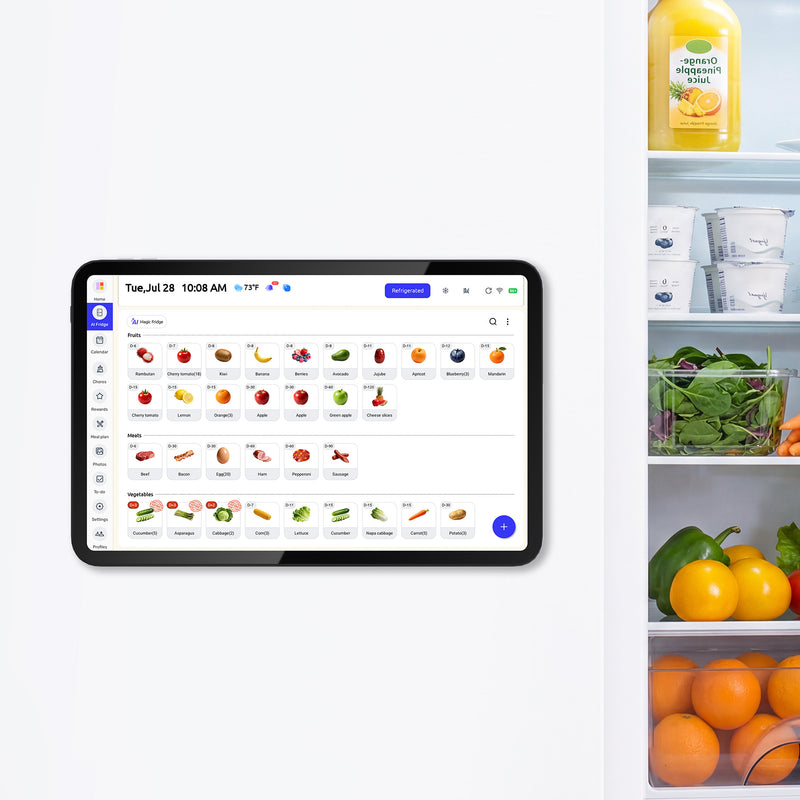
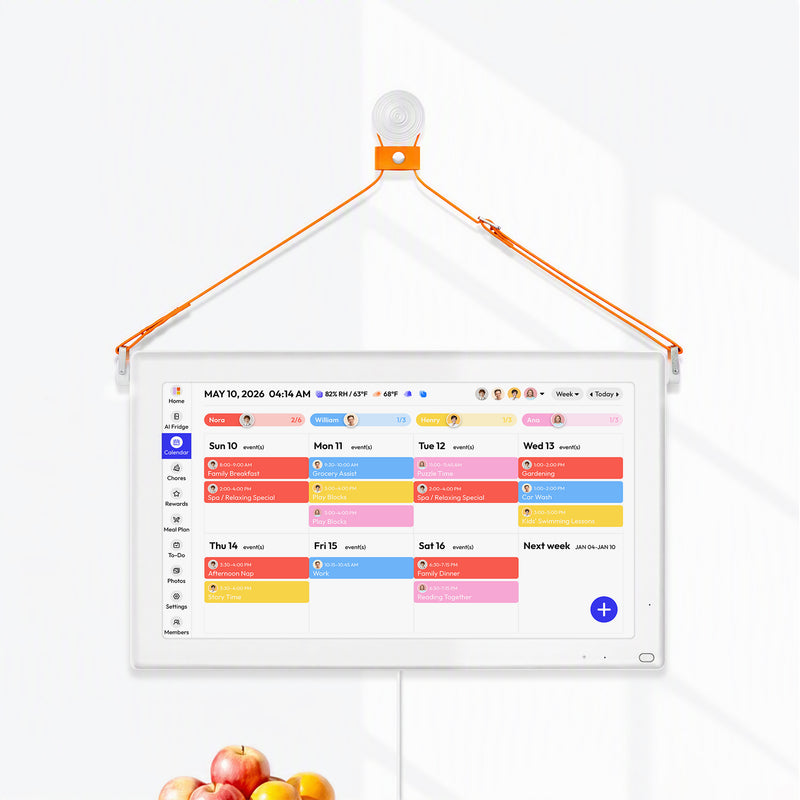
The strongest family benefit is often reduced mental load. A shared family organization system can centralize schedules and reminders, but the real win comes when the system supports offline action instead of more nagging. On a smart fridge calendar or shared family app, “Mow lawn, Saturday, 10:00 AM” is much easier for everyone to track than a dozen texts and repeated verbal reminders. Visibility lowers friction.
There is a second benefit many parents underestimate: pride. Teens who spend a lot of time online often get quick hits of stimulation but fewer chances to feel solid, earned competence. Finishing a yard, hauling bags of clippings, or cleaning up a flower bed creates a different kind of reward. It is slower, but it is real.
Pros and cons families should weigh
Chore type |
Main benefit |
Main drawback |
Best use |
Lawn mowing |
Strong focus, visible result, weekly rhythm |
Needs safety training and weather judgment |
Teens who do better with a clear start and finish |
Weeding or mulching |
Lower skill barrier, steady movement |
Can feel repetitive |
Teens new to outdoor chores |
Trash, bins, and yard pickup |
Fast wins, easy to repeat |
Less physical payoff |
Busy weeks or resistant teens |
Car washing or driveway cleanup |
Immediate visual reward |
Less routine in some homes |
Teens motivated by visible transformation |
Outdoor work can improve mood, movement, and responsibility, but families still need to be honest about tradeoffs. It also brings weather limits, equipment safety issues, and occasional pushback. If your teen already feels overscheduled, adding a large chore without removing something else can backfire. The point is rhythm, not overload.
A practical rule is to start smaller than you think. A 20- to 40-minute outdoor task done consistently usually works better than a 2-hour yard session that makes everyone miserable.
How to set it up without turning it into punishment
Family media agreements tend to work better when teens know the rules in advance and have some input. The same is true here. Instead of announcing, “You’re addicted to your phone, so now you mow,” frame the change calmly: every family member contributes, outdoor jobs help reset after long screen stretches, and the schedule will be predictable.
A visible household system helps. Shared family calendars are useful because they make chores feel like part of family operations, not a parent’s personal complaint. A smart fridge calendar is especially effective in busy homes because the task stays in view when teens walk through the kitchen. If you already use a shared display or app for practice, appointments, and meals, put chores in the same system rather than creating a separate tracker nobody checks.

One nuance matters here. Family tech tools can reduce friction and create more in-person connection, but only if they stay simple. The goal is not to give a screen-dependent teen another app to ignore. Use one shared reminder, one recurring time, and one standard for completion.
A realistic family routine that lowers conflict
Color-coded family scheduling helps families spot conflicts early, which is important for teens with sports, jobs, and summer plans. In practical terms, that means choosing a recurring outdoor slot before the week gets crowded. Many families do well with Friday after school, Saturday morning, or Sunday late afternoon.
A routine often works like this in real homes: the chore is posted on the family calendar, the phone goes inside or on Do Not Disturb, the teen completes one defined outdoor job, and screen leisure returns afterward. That sequence is calm, predictable, and easier to enforce than vague limits like “spend less time online today.”
The sweet spot is usually one anchor chore plus one backup task. If rain cancels mowing, the teen still weeds the beds, pulls the bins in, trims edges, or sweeps the driveway. That prevents weather from becoming a loophole.
Safety, fairness, and age-appropriate expectations
Parents should treat chores as a normal expectation, but “normal” still includes training. If a teen is mowing, you need to show the full job, not just point at the yard. Walk the route, explain where rocks or toys must be cleared, show where equipment is stored, and define what “done” means.
Fairness matters too. A teen will usually resist less when outdoor work is part of a shared family standard. If one child mows, another might handle dishes, laundry, or pet care. If both parents expect contribution but only one enforces it, the system weakens quickly. The calmer approach is consistent follow-through from all adults, with the same visible schedule and the same completion standard each week.

If your teen is new to chores or defensive about screens, begin with success. Have them mow only the front yard, or handle yard cleanup for two weeks before taking on the mower. Early competence lowers later resistance.
When digital support helps and when it gets in the way
A central command center for family schedules can support this plan, especially when it keeps chores visible alongside school and family logistics. That fits well with smart digital fridge calendars and other family organization systems because everyone can see the same expectation without repeated reminders.
But more technology is not always better. Basic family coordination tools are useful when they reduce confusion, yet a screen-dependent teen does not need chore management turned into another scrolling session. The best setup is usually one recurring event, one reminder, and a quick checkoff, followed by actual outdoor work.
The most effective family systems do something simple but powerful: they use technology to organize the offline life you want, not replace it.
A weekly outdoor chore can become one of the healthiest resets in your house. When the task is visible, fair, and routine, lawn mowing stops being one more fight and starts becoming a steady way to build responsibility, reduce screen pull, and give your teen a solid place in family life.


