





Packing the backpack at night helps children picture and manage tomorrow. A simple evening routine can reduce morning stress while building planning, memory, and responsibility over time.
Does your evening suddenly get louder the moment someone remembers a library book, a permission slip, or gym shoes at 8:15 PM? When backpack prep happens at the same time every night, families usually see fewer morning scrambles, fewer repeated reminders, and more child follow-through. A simple routine can lower stress tonight while teaching planning, memory, and responsibility over time.
Why Backpack Packing Matters More Than It Looks
A backpack is not just a bag full of school supplies. It is one of the clearest daily practice zones for executive function, the set of skills children use to plan ahead, remember steps, organize materials, start tasks, and check their own work. When a child packs with support in the evening instead of reacting in the morning, they are practicing future thinking in a concrete, visible way.

A consistent next-day preparation routine can reduce morning stress by shifting key decisions to the night before, and that matters because rushed mornings leave very little room for learning. In real family life, children do not build planning skills when everyone is searching for folders by the front door. They build them when the routine is calm enough for them to notice what is missing, fix it, and repeat the pattern the next day.
The household benefit is just as important. A shared planning system can lower the invisible coordination burden that often falls on one parent, especially when routines, calendars, meals, and school logistics are handled in one place. A shared weekly planning routine can reduce mental load, which makes backpack packing far more sustainable than relying on one person to remember everything.
What an Effective Backpack Routine Actually Includes
The best evening routine is short, predictable, and easy to repeat on an ordinary Tuesday. It does not need to be elaborate. A useful version usually includes checking the school calendar, reviewing papers, packing homework, returning signed forms, refilling the water bottle if needed, placing lunch items where they belong, and setting the bag in the same launch spot every night.
A clear family routine works best when everyone knows what needs to happen, who is responsible, and when it happens. For a young child, that may mean a parent sits nearby and prompts each step. For an older child, it may mean they follow a posted checklist, then ask for a final review only if something unusual is on tomorrow’s schedule. The goal is not perfect independence on day one. The goal is a repeatable sequence that gradually moves responsibility from you to your child.
The physical setup matters more than many families expect. A routine-based command-center setup for lunch packing, school papers, and daily essentials makes the process easier to repeat. If the lunch box is in one cabinet, the permission slips are in another room, and the backpack ends up wherever it was dropped, the child is not learning organization so much as coping with a broken system. Keep the school bag, charger, shoes, forms, and lunch gear within a few steps of each other whenever possible.

How to Teach the Skill Without Becoming the Entire System
Children learn executive function best when adults provide structure without taking over every move. That is the middle ground many families miss. If you do the whole backpack routine yourself, the morning may run smoothly, but the child does not practice planning. If you expect full independence too early, the routine often collapses into conflict.
A simple family command center works best when materials have a clear home and the sequence is easy to follow. That means your child should know where to find school papers, where completed homework goes, and where the packed backpack waits overnight. In practice, this can look like a parent saying, “Check the folder, check tomorrow’s activities, then pack from the checklist,” instead of asking 10 separate reminder questions.
Ownership also grows when children get limited choices. One child may prefer to pack immediately after dinner. Another may do better after bath time and before reading time. One may want a written checklist; another may respond better to a photo-based visual sequence. The structure stays the same, but the child has some control inside it, which reduces power struggles and improves follow-through.
There is one tradeoff worth naming plainly. A structured routine gives children clarity and predictability, but if it becomes too complicated, it creates another burden to manage. A system should reduce mental load rather than add complexity. If your routine needs five apps, three alarms, and constant parental correction, it is too heavy. Shorten it until your family can actually keep it.
Why Evening Is Better Than Morning for This Skill
Evening routines work because they create time for thinking before urgency takes over. Morning routines are about execution. Evening routines are where planning lives. That distinction is important for children who struggle with distractibility, transitions, or remembering multi-step directions.
Good time management depends on planning, prioritizing, and reducing distractions, and those skills improve when tasks are scheduled before the deadline window arrives. The planning habits that reduce stress start before the last minute, which is exactly what backpack packing teaches in a child-sized way. “Tomorrow is library day, so the book goes in tonight” is basic planning, but it is real planning.

Contrast between calm evening preparation and rushed morning routine
The emotional tone matters too. Evenings often go better when children have a steady transition into the routine instead of being pulled into it abruptly. Families often do well with a brief pause after dinner, a quick tidy, and then backpack packing before the bedtime wind-down begins. A predictable evening structure can make prep tasks easier, especially when the routine includes a few minutes of focused parent attention rather than only commands.
Using a Smart Family Calendar to Support the Routine
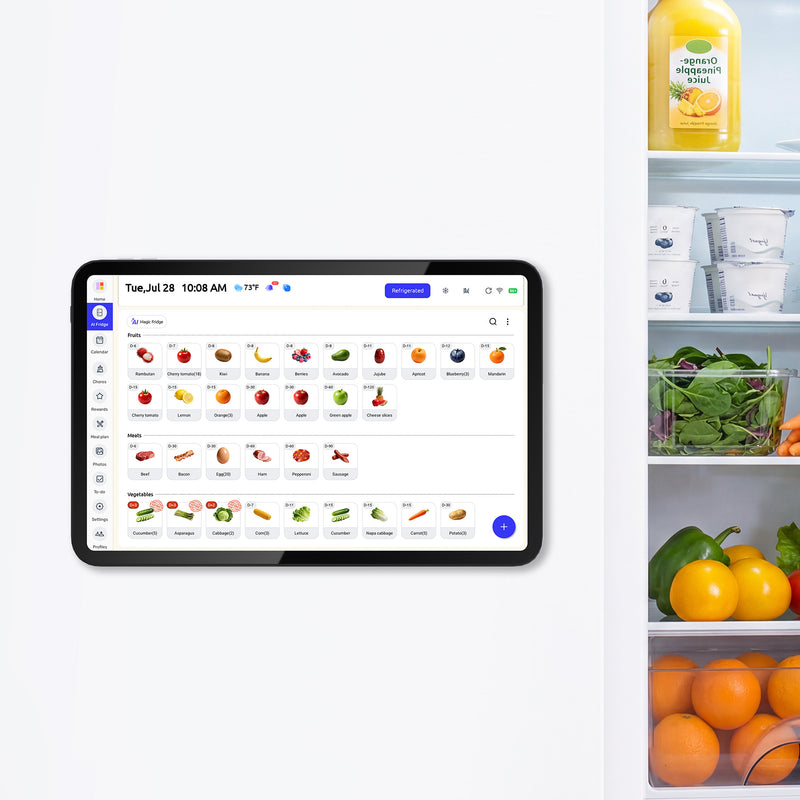
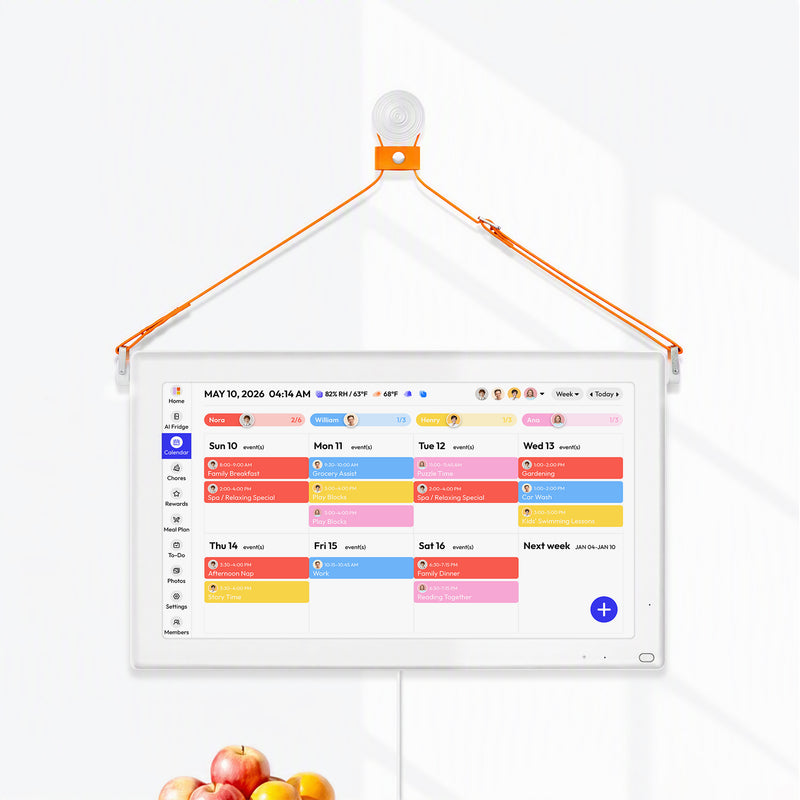
For busy households, the backpack routine works best when it connects to one visible source of truth. That is where a digital fridge calendar or shared family display can be genuinely useful. If tomorrow includes soccer, show-and-tell, an early dismissal, or a band instrument, the backpack routine should reflect that without one parent carrying the whole reminder system in their head.
A visible family calendar helps children see what is coming next, which turns vague evening reminders into specific actions. Instead of “Get ready for tomorrow,” your child can see “Field trip at 9:00 AM” or “Art class after school,” then pack the right items. That visibility is especially helpful for children who need concrete cues.

A shared digital family calendar is strongest when it stays current across the household, because it reduces missed updates and repeated verbal reminders. The practical win is simple: if the calendar changes, the backpack check changes with it. That keeps the routine current without rewriting paper notes every day.
There are drawbacks. Digital tools can become expensive, and not every family needs a dedicated screen. Consumer-focused calendar comparisons suggest that the best system is the one people actually use. If a wall display helps everyone see tomorrow at a glance, it can be worth it. If nobody checks it, a simple shared calendar plus a paper checklist near the launch spot may be the smarter system.
A Realistic Example for a School Night
Picture a school night that starts feeling ragged around 7:00 PM. Dinner is done, one child is tired, another cannot find a worksheet, and you still need lunches packed. Instead of waiting until bedtime panic begins, the family shifts into a 10-minute reset. Papers come out of folders. Tomorrow’s calendar is checked. The library book goes in. The permission slip gets signed and returned to the front pocket. The lunch box is placed beside the bag in the same spot by the door.
That example works because it combines routine, environment, and visibility. Night-before school prep can make mornings smoother by organizing school bags, clothes, and key papers ahead of time. For a younger child, you might stand beside them and ask, “What does tomorrow need?” For an older child, you might only review the checklist at the end. In both cases, the child is learning to scan, sort, and complete a sequence.
When to Adjust the Routine
If the routine leads to nightly arguments, the answer is usually not more reminders. It is usually a better fit. Some children need the backpack packed before they get too tired. Some need a visual checklist. Some need fewer steps. Some families need to move lunch packing out of the backpack routine entirely so the child can focus on school items first.
A family system works better when you start small. Give a new routine enough time to become familiar, but do not confuse consistency with rigidity. If the checklist is too long, shorten it. If the launch spot is cluttered, clear it. If one parent is still holding all the planning, redistribute the work so the system is truly shared.
The calmest mornings usually begin the night before, with one small routine repeated often enough that it becomes part of the family rhythm. When the backpack gets packed in a steady, visible, low-drama way, your child is not just getting ready for school. They are learning how to think ahead, and that skill lasts longer than any school year.


