



Teaching organization to an ADHD child works best when you treat it as a systems problem: make things easy to see, easy to start, and easy to put back.
Does your child build an entire LEGO city, then freeze when it is time to clean up, find homework, or get to dinner? Families usually get better results with short routines, visible storage, and fewer decisions than with lectures, pressure, or prettier bins. You will leave with a practical way to connect LEGO play, school materials, family calendars, and mealtime rhythms into one calmer home system.
Start With the Right Problem
It is not a motivation problem
For many families, organization struggles in ADHD are usually a systems problem, not a discipline problem. A child may want to clean up and still struggle with planning, sequencing, shifting attention, or remembering where things go once the room feels visually loud.

Parents often feel pulled between compassion and frustration, especially when the same mess returns every afternoon. That tension makes sense. Children with ADHD usually do better when home expectations are clear, routines are predictable, and the setup matches their actual ability level rather than the level adults wish they had.
Structure supports the whole household
A more organized and structured home environment can improve self-management for children with ADHD, and it also lowers stress for everyone else in the room. When LEGO pieces, backpacks, shoes, and snack wrappers all compete for attention at once, the child is not the only one getting overloaded.
That is why this topic is bigger than toy storage. If LEGO cleanup always collides with homework, dinner, and bedtime, the real goal is not “make the bricks disappear.” The goal is to build a home flow that helps your child move from play to schoolwork to family time with fewer collisions.
Make LEGO Storage Visible and Easy
Choose a system your child can actually reset
For ADHD brains, visible but contained storage tends to work better than closed, complicated systems. If cleanup requires opening drawers, lifting lids, sorting tiny categories, and remembering exact labels, the system will probably fail even if it looks great on day one.
A workable LEGO setup is usually simple: one main area for regular bricks, one tray or basket for builds in progress, one place for finished builds, and one home for instruction booklets. For younger children, shallow bins are often easier than deep tubs because they reduce digging and let a child see what they have. For mixed-age homes, keep DUPLO and small LEGO fully separate so cleanup is faster and little siblings stay safer.

Start with fewer categories than you think
Many families make the mistake of over-sorting too early. A better starting point is 5 to 8 categories, such as minifigures, wheels, special parts, base bricks, projects, and mixed pieces. That is usually enough structure to make building easier without turning cleanup into a 20-minute sorting job.
If your child wants more control, let them help choose the categories. Kids are more likely to use a system they understand and helped create. A “mixed” drawer is not failure, either. It is often the pressure-release valve that keeps the whole setup usable on tired school nights.
Tie Cleanup to Family Routines
Put LEGO into the after-school rhythm
Predictable family routines reduce stress and support independence, which matters because LEGO clutter is rarely just about LEGO. It usually shows up during the hardest transition of the day: the after-school window when children are hungry, overstimulated, and asked to switch tasks quickly.
A gentler rhythm often works better than “clean this whole room right now.” Try a sequence like this: snack, 10 minutes of movement, 10-minute LEGO reset, then homework start. That order respects the fact that many children need to regulate before they can organize. It also protects play by making cleanup a short bridge, not a punishment.
Use weekly anchors, not constant correction
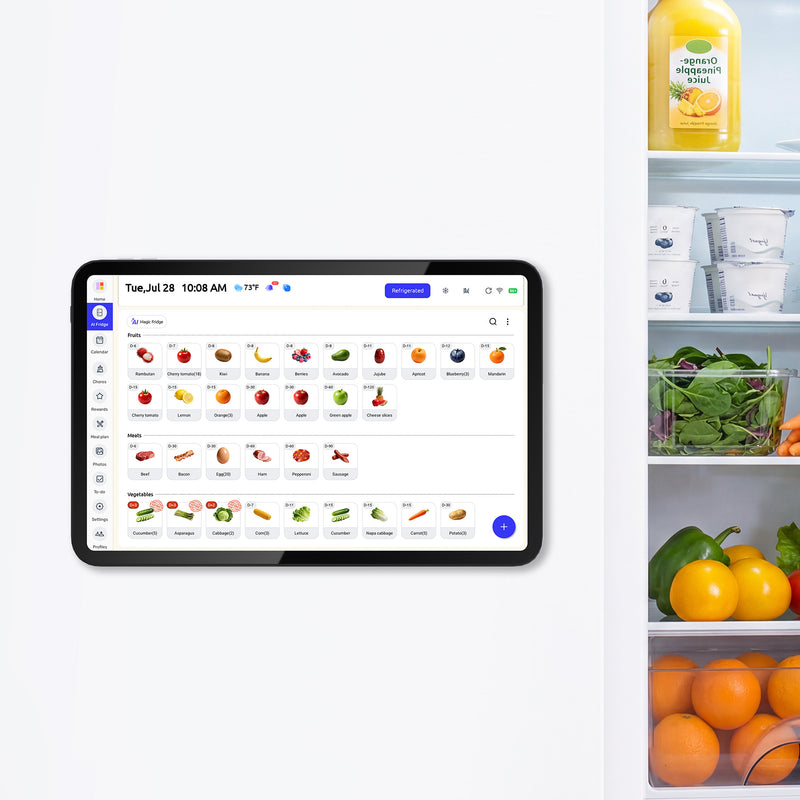
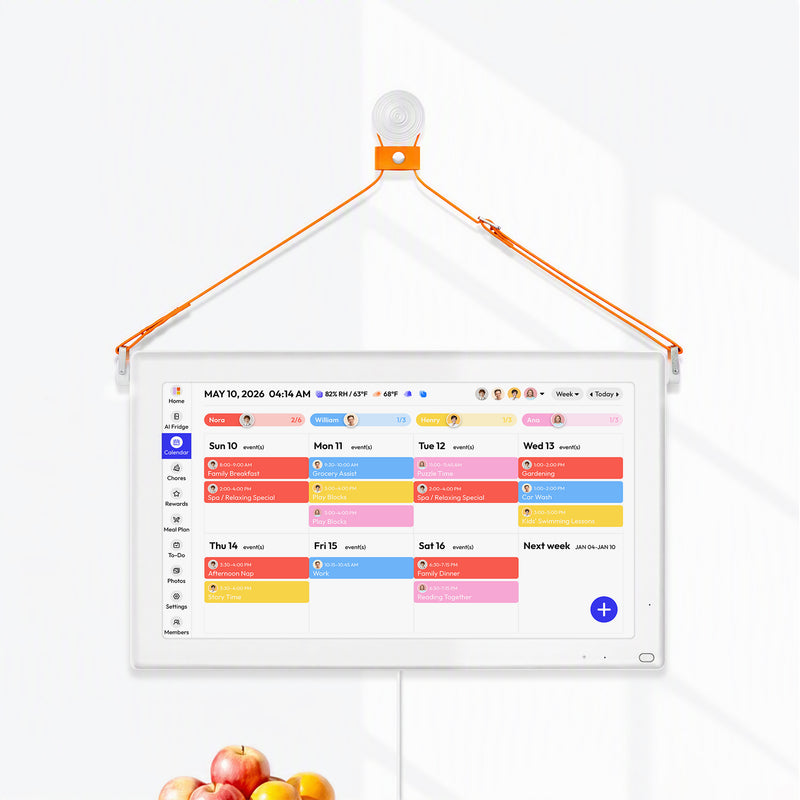
Families often benefit from Sunday Sessions and a visible weekly calendar so the week stops feeling like a surprise. This is where the client-industry basics matter: a shared family calendar, a predictable launch area by the door, and a regular planning moment can prevent LEGO projects, library books, permission slips, and activity gear from scattering across the house.
A simple weekly reset can include three steps: clear the LEGO station, check the school week, and plan dinners. When those three things happen together, children start to feel that home has a rhythm. That feeling of predictability often matters as much as the containers themselves.
Use Smart Supports Instead of Repeated Reminders
Externalize the steps
Children with ADHD often respond better when visual reminders reduce working-memory load and make expectations concrete. That can look like a picture cleanup guide on the LEGO shelf, a short after-school checklist, or a first-then board that says “First reset bricks, then choose your snack.”
Keep these tools short and visible at the point of performance. A cleanup chart on the refrigerator will not help much if the child is standing in the bedroom surrounded by bricks. A better setup is a laminated card right by the LEGO area with 4 to 6 steps and a small timer nearby.
Use a shared calendar that is low-friction
For busy parents, low-friction family organizer apps can be more realistic than trying to remember everything later. Voice capture, shared reminders, and one 10-minute weekly review can hold the things your child should not have to keep in their head alone: school project dates, brick club nights, supply lists, and “bring finished build on Friday” reminders.
This is especially helpful if your household has more than one caregiver or more than one home. A child who already struggles with transitions should not also have to be the memory system for the entire family.
Reduce Daily Decisions Around Meals and Materials
Less choice often means more success
In ADHD households, decision fatigue is real, and it does not only show up at dinnertime. It also shows up when your child has to decide where every LEGO piece goes, what snack to eat, when to start homework, and which school papers matter first.
That is why “default” systems help. You might keep one homework-start ritual, one snack bin for after school, one shelf for in-progress builds, and one standard cleanup song or timer. The goal is not rigidity. The goal is to remove tiny choices that quietly drain the child before the hard part even starts.

Keep dinner simple on purpose
For many families, ADHD-friendly meal planning works best when dinner choices stay simple and repeatable. A rotating set of 5 easy dinners, theme nights, and a recurring grocery list can reduce the 5:30 PM scramble that often overlaps with unfinished play and late homework.
This matters because home organization breaks down fast when dinner is chaotic. If meals are low-step and predictable, parents have more bandwidth to coach cleanup calmly, and children move through the evening with fewer abrupt transitions. In real life, a wrap night, pasta night, sheet-pan night, leftovers night, and freezer backup night can support organization better than an ambitious meal plan nobody wants to cook by Wednesday.
Teach Independence With Micro-Steps
Break cleanup into start actions
Children usually do better when written task lists and routines act like scaffolding. “Clean your LEGO mess” is vague and heavy. “Put minifigures in the red bin,” “move unfinished build to the tray,” and “clear the floor path” are concrete and startable.
This also protects your relationship. Specific, shorter prompts feel more neutral and less shaming than repeated verbal correction. Over time, those micro-steps can be faded as the child internalizes the routine, but in the beginning, visible support is usually kinder and more effective than expecting independence on command.
Use short resets instead of marathon cleanups
Most ADHD-friendly chore systems work better with short resets and fixed roles than with long weekend overhauls. A 10-minute nightly reset and a 30-minute weekly reset are easier to start, easier to repeat, and less likely to trigger shutdown.
For LEGO, that might mean your child handles bricks and project trays while you handle trash, dishes, or the shared family calendar. Small, repeatable jobs teach organization more effectively than waiting until the room is overwhelming and everyone is upset.
Aim for Functional, Not Perfect
A beautiful system can still be the wrong system
Many ADHD households find that traditional organizing systems fail because they are too hard to maintain. If a setup depends on perfect folding, exact categories, matching labels, or long attention spans after school, it may look organized while quietly setting your child up to fail.
A functional system is usually a little plain. It favors open baskets over complicated drawers, broad categories over tiny ones, and daily use over visual perfection. If cleanup takes too long, the categories are probably too detailed. If your child dumps every bin to find one part, the pieces are probably too hidden.

Change the system before blaming the child
Sometimes the most compassionate move is to simplify again. Keep the bins that get used. Remove the labels that confuse. Move the LEGO area closer to where your child actually plays. Reduce the number of active pieces if the collection has grown beyond what your child can manage independently.
That kind of adjustment is not giving up. It is responsive parenting. The system should support the child you have now, in the season your family is in now, with enough room for messy days, busy weeks, and ordinary human limits.
Practical Next Steps
Start with one trouble spot, not the whole house. If LEGO cleanup is the daily flashpoint, set up one visible brick station, one in-progress tray, and one 10-minute reset tied to the same point in the after-school routine every day.
Then add one support in each of the other two anchor areas. For home organization, post a short visual checklist where cleanup happens. For family planning, hold one weekly calendar check-in. For meals, choose 3 to 5 default dinners and repeat them. When those three supports work together, organization feels less like constant correction and more like a home that quietly helps your child succeed.
Important Note
The insights and strategies shared here are intended for support and educational purposes only. They do not constitute professional medical advice, clinical diagnosis, or psychological treatment. Neurodiversity and complex family dynamics require personalized care; if you or a family member are experiencing significant challenges, please consult with a licensed healthcare professional or a certified counselor to receive support tailored to your specific situation.
References
- How to Create a Home Environment That Supports Your Child With ADHD
- Simplifying, Organizing, and Structuring the Home Environment
- Daily Routine Schedule for ADHD Kids
- Guide to Creating ADHD Family Systems and Routines That Work
- ADHD Meal Planning
- Build a Chore System for Families Where Everyone Has ADHD
- How to Set Up Home Systems When You're a Parent With ADHD
- A Back-to-School Toolkit for When Kids and Parents Have ADHD
- Best ADHD Family Organizer Apps
- Visual Reminders for ADHD
- Meal Planning ADHD
- Meal Planning With ADHD When Decision Fatigue Is Real


