






Discreet coordination is about protecting a child’s dignity, not hiding important information. A role-based system helps your team share only what is necessary while keeping care steady.
When a child realizes adults are discussing their court date in hallways, the day can feel exposing before it even begins. Teams that anchor high-stress days to concrete routines, like predictable meals and clear transition windows, usually prevent many avoidable blowups. You can use the structure below to keep communication private, care compliant, and transitions emotionally safer.

Protect Privacy With a Need-to-Know Map
Decide who gets full details
Because Oklahoma foster home standards focus on safety and care conditions rather than court-date or bio-parent visit scheduling, organizations need an internal confidentiality workflow. A simple rule is that legal details go only to people who must act on them directly.
A practical model is three access levels. Level 1 includes legal and case staff who need full court and visit details. Level 2 includes caregivers who need timing, transportation, and child-specific supports. Level 3 includes school or activity partners who only need attendance-impact information.
Share logistics without sharing personal history
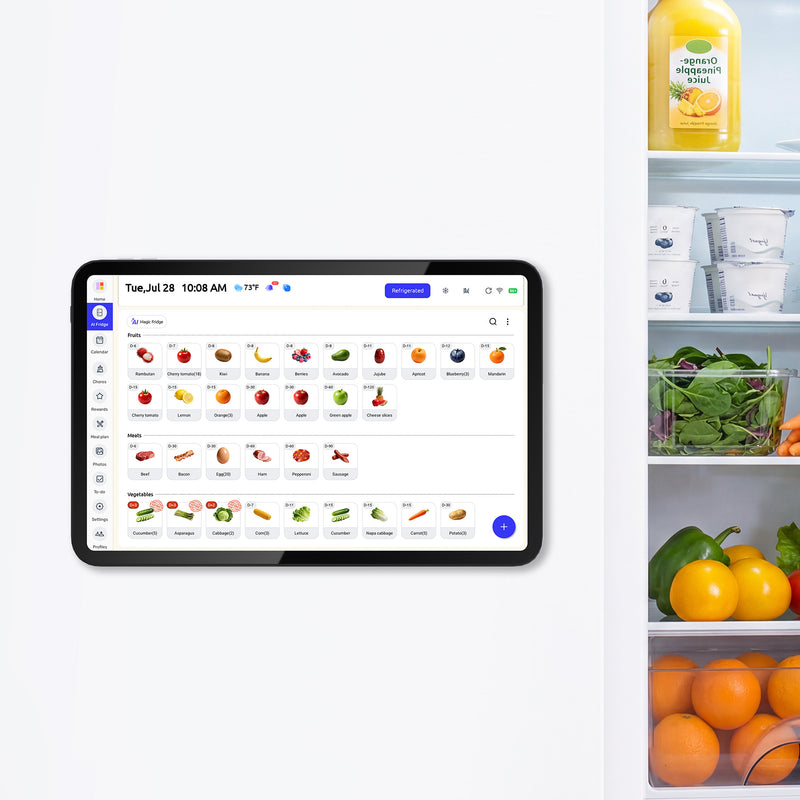
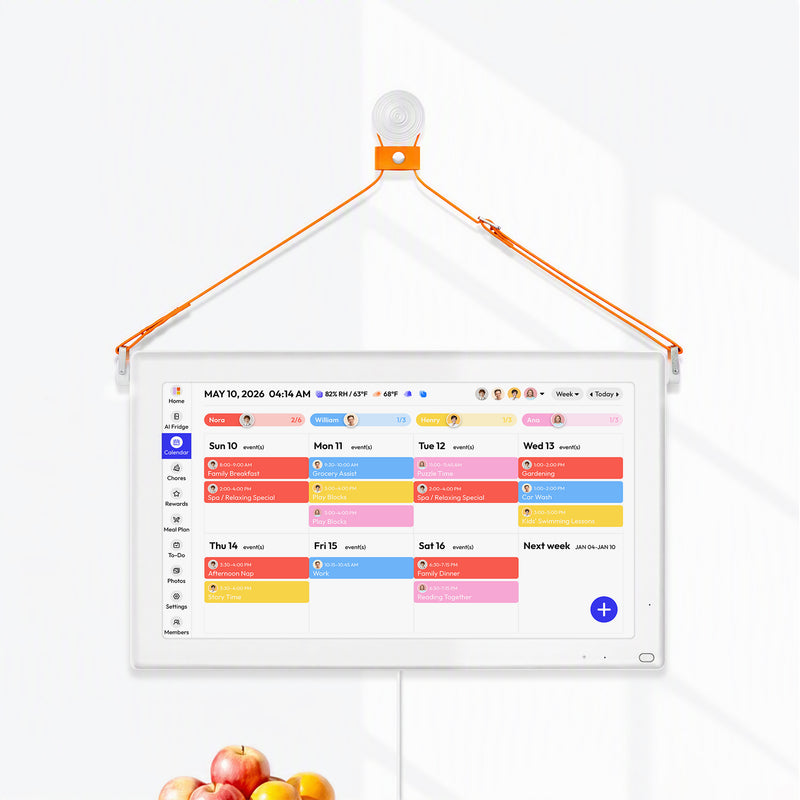
Use neutral language in shared calendars and text threads. “Family meeting at 3:30 PM, pickup at 2:45 PM” protects privacy better than “bio-parent supervised visit after hearing.” This keeps planning clear while reducing accidental disclosure in group chats, printed schedules, or carpool conversations.

Stabilize Court Days With Non-Negotiable Routines
Use time anchors, not guesswork
A Texas CPS minimum meal schedule sets useful anchors for disrupted days: 3 meals and at least 1 snack, no more than 4 hours between daytime eating opportunities, and no more than 14 hours overnight. Even if you are in another state, these intervals are a strong planning baseline.
For example, if court starts at 9:00 AM and a visit is at 3:30 PM, you can pre-plan breakfast, a late-morning snack, lunch, and a post-visit snack so no child goes too long without food. That predictability often lowers irritability and emotional flooding.
Keep meals and food handling simple
On long days, Clean, Separate, Cook, Chill is a realistic standard for packed meals and leftovers. Keep cold items at 40°F or below, avoid cross-contact from raw foods, and skip “counter thawing” shortcuts on rushed mornings.
After court, offer a low-pressure check-in instead of immediate questions. Many children regulate better with a short quiet period, water, and food before talking about what happened.
Plan Bio-Parent Visits With Emotional Boundaries
Protect the child’s story
The Utah home requirements require privacy locks for bathrooms and structured sleeping arrangements, and that same privacy mindset helps with visits. Give children options about what they want to share afterward rather than requiring a full report.

A helpful script is: “You can tell me as much or as little as you want right now. If later feels easier, we can talk then.” This validates the child’s control and reduces pressure to perform emotionally right after contact.
Plan the transition window
Build a consistent transition period after each visit, such as 20-30 minutes for snack, shower, journaling, music, or quiet play. Keep adults nearby but not intrusive. When this happens every time, children learn what to expect and need fewer reminders to re-enter routines.
Secure Medication and Health Information Every Time
Lock, label, and limit access
The Utah medication requirements are clear: medication is administered as prescribed, stored locked when not in active use, kept in original packaging, and not stopped without provider approval. This is especially important on days with court transport, visit supervision, or caregiver handoffs.
Build a 60-second handoff
Before a child leaves for court or a visit, use a short verbal handoff:
- Next dose time.
- Dose amount and route.
- What to monitor (sleepiness, nausea, mood change, rash).
- Who to call first if a dose is missed or refused.
If side effects are severe or unexpected, contact the child’s healthcare provider immediately. Keep handoff language factual and brief so private health details are not discussed in front of others.
Build Home Safety Into the Schedule, Not Around It
Safety checks before transport days
Meeting minimum home-safety standards, such as smoke and carbon monoxide detectors, accessible fire extinguisher placement, and safe sleeping setups, reduces last-minute chaos when legal schedules change. The less time spent firefighting home issues, the more emotional energy you have for children.

Keep emergency options obvious
The Oklahoma requirements also emphasize clear exits, hazard control, and secure weapon storage, which are useful reminders for any foster organization. Court and visit days already carry emotional load, so physical safety systems should feel automatic, not negotiable.
Why structure lowers stress
Children do not need perfect adults; they need predictable adults. Discreet communication plus reliable routines sends a steady message: “Your life is private, your needs matter, and the adults are prepared.”
Practical Next Steps
A short written workflow beats memory under pressure, especially when meal timing rules and medication safeguards still apply on court and visit days.
- Create a three-level “who knows what” matrix for legal, caregiving, and logistics staff.
- Replace sensitive calendar labels with neutral, operational wording.
- Pre-build a court-day template with meal/snack times and transport checkpoints.
- Standardize a post-visit transition block (20-30 minutes) with child-choice calming options.
- Use a one-minute medication handoff script for every transport day.
- Audit home safety monthly so urgent hearings do not destabilize the household.
- Review and adapt all practices to your state rules and each child’s court orders.
Important Note
The insights and strategies shared here are intended for support and educational purposes only. They do not constitute professional medical advice, clinical diagnosis, or psychological treatment. Neurodiversity and complex family dynamics require personalized care; if you or a family member are experiencing significant challenges, please consult with a licensed healthcare professional or a certified counselor to receive support tailored to your specific situation.
References


