
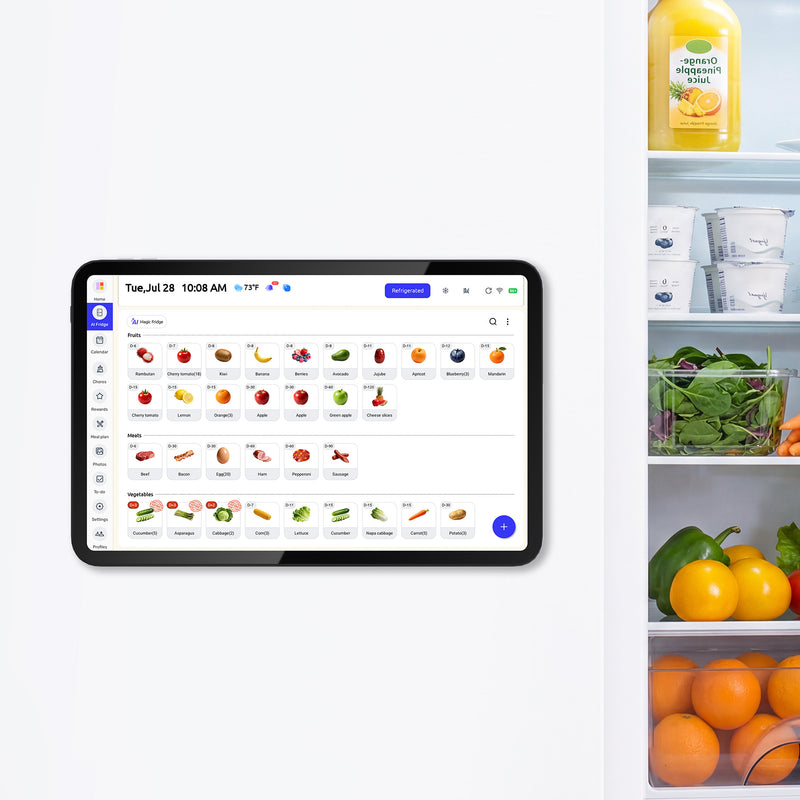



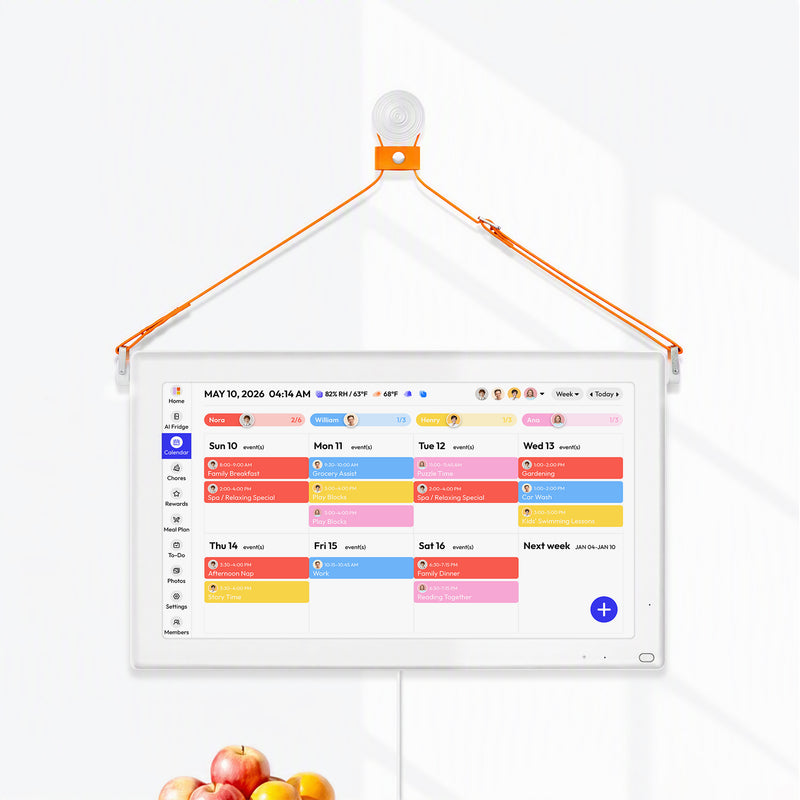




When the week is visible to everyone, opposite planning styles have less room to collide. The calendar stops being one person's memory and becomes a shared household system.
Does the week keep turning into surprise pickups, late meal decisions, and a lot of “I thought you were handling that”? A shared calendar and a 15- to 30-minute weekly check-in can turn that scramble into one plan the whole household can see. The rest of this piece shows what to make visible, how to split ownership, and which setup tends to work best for different families.
Why Opposite Planning Styles Turn Into Arguments
The conflict is usually not about the calendar itself. It is about invisible mental load, which is the behind-the-scenes work of planning, anticipating, remembering, and following through that often sits with one parent. When that work stays private, the other adult only sees reminders, corrections, and last-minute requests.

That is where friction starts. One parent may want to plan ahead. The other may prefer to deal with things as they come up. Neither style is automatically wrong. The trouble starts when the household system depends on memory, text messages, and “can you just” requests instead of one shared place to check.
What often breaks
Private planning creates a default manager and a default helper. The manager notices the school form, the library book, the birthday gift, the meal plan, and the daycare closure. The helper gets the task only after the deadline is already close.
That pattern makes small things feel personal. A missing pickup turns into “you never told me.” A forgotten snack turns into “you should have known.” A visible weekly system helps move the conversation from blame to logistics.
What Visibility Changes
A shared family calendar moves the plan out of one parent’s head and into a place the household can check. That shift matters because it reduces the number of times people have to ask, guess, or remember something different from everyone else.
Visibility also helps kids. When they can see repeated cues like “trash tonight,” “library books due Thursday,” or “tacos Friday,” the week becomes more predictable. That does not remove responsibility, but it does make expectations easier to follow.

Use one tool for one job
The cleanest systems usually separate the work by type.
- Calendar for appointments, pickups, school events, daycare closures, and due dates
- Meal planner for dinner, groceries, and food prep
- Shared list for chores, supplies, and purchases
When one tool tries to hold everything, people stop checking it. A calendar should not become a dumping ground for grocery lists, and a notes app should not be the only place an appointment lives.
What to Put in the Shared System
A family command center works best when it reflects the actual flow of the house. The point is not decoration. The point is to make the next step easy to see.
Command center setups usually work best in a high-traffic place like the kitchen, hallway, mudroom, entryway, or a spot near bags and shoes. That is where people naturally pass through, so the system has a better chance of getting used.

Start with three visible lanes
Most households do well when they begin with only three lanes.
- Schedule items
- Meal information
- Chores or home tasks
That is enough to cover most of the day-to-day planning friction without making the wall or screen feel crowded. If the system becomes too dense, people stop trusting it.
Add the practical pieces
A useful command center usually includes a calendar, a paper inbox, hooks, bins, and a whiteboard. Some homes also use folders for school papers, a charging dock, or clipboards for each family member.
The goal is simple. Papers should have a landing spot. Keys should have a hook. Notes should have one place to live. The less a family has to improvise where things go, the less often the week falls apart in small ways.
How to Keep the System Working Each Week
A shared system only helps if someone actually resets it. That is why a weekly check-in matters. A good starting point is 15 to 30 minutes total, with about 10 minutes for the schedule, 10 minutes for food and supplies, and 10 minutes for chores and exceptions.
That short meeting is not a therapy session. It is a logistics review. The question is not “How do we feel about the week?” The question is “What is coming up, what is missing, and who owns what?”
Split ownership by category
Ownership works better than one-off help. If one adult owns meals, that means more than cooking a dinner once in a while. It means planning the meals, buying the food, and following through when the plan changes.
The same is true for school logistics, pet care, bills, or chores. A category owner does not have to do every physical task alone. But that person should know what is coming, what needs attention, and what still needs follow-up.

Give kids one job at a time
Children do better when the system is simple. One age-appropriate job is enough at first. That might be checking library day, watching for trash night, putting out snacks, or handling part of laundry.
This is where a visible week helps. Kids do not need the whole mental load. They need a clear cue and a repeatable job. That lowers reminders, and it gives them a better sense of how the house runs.
Picking the Right Setup
If your family changes plans often, a digital family calendar can help because updates show up on each signed-in device. A platform creates a shared family calendar automatically when a family is set up, and it can be opened on any signed-in device through a calendar app Family calendar.
A company also creates a shared family calendar through a family group, and it appears in a web calendar and mobile app shared family calendars. That kind of setup works well when one parent is usually away from home or when schedules change often during the week.
Digital or paper
Digital calendars are strongest when live updates matter. Paper calendars are stronger when the problem is visibility. If everyone walks past the kitchen wall but nobody opens the app, the wall may win.
Some households use a dedicated wall screen, and one option is the Everblog 21.5" Digital Calendar, a large touch display designed for wall mounting that helps families view plans, tasks, chores, and events on one screen. Those can run about $169.99 to $599. That is not required. A simple wall calendar and whiteboard often cover the basic needs just as well.
Practical Next Steps
- List current responsibilities separately for 30 minutes, then compare notes.
- Choose one shared calendar as the household source of truth for time-based items.
- Keep meals in one place and chores in another place.
- Put the system where people already pass, like the kitchen or entryway.
- Hold a 15- to 30-minute weekly check-in at the same time each week.
- Give each category a clear owner, not just a helper.
- Assign kids one visible job at a time.
FAQ
Q: Why does a visible family calendar reduce arguments?
A: Because it removes a lot of “I thought you knew” conversations. When everyone can check the same week, fewer decisions depend on memory, texting, or one person carrying the whole plan.
Q: What should go on the family calendar versus a separate list?
A: Put anything time-based on the calendar: appointments, pickups, school events, closures, and due dates. Keep meals on a meal planner and chores or shopping on a shared list so each tool has one job.
Q: What if one parent likes to plan ahead and the other does not?
A: Use a system that does not depend on everyone planning the same way. A shared calendar, a short weekly check-in, and clear category ownership let different styles work in the same house.
Key Takeaways
The goal is not to make every adult think the same way. The goal is to make the week visible enough that the household stops relying on hidden memory and last-minute rescue work.
When schedules, meals, and chores live in shared view, opposite planning styles usually fight less because the plan is no longer private. It is just the house plan, and everyone can see it.
Disclaimer
This article is for household planning education only. It is not a substitute for mental health care, medical advice, legal advice, or crisis support. If safety, custody orders, or a diagnosed condition are involved, work with the appropriate licensed professional.
References


