






Parent reminder fatigue is usually not a motivation problem. It often means the family plan lives in one person’s head, phone, or text thread instead of in a place everyone can see and use.
You can feel this at 7:40 AM, when pickup changed, one child still needs a form signed, and someone asks what is for dinner again. The same pattern shows up in research and in real home setups: when the plan is shared in a visible way, fewer tasks fall back to one parent for chasing and follow-up. What often breaks is not effort, but visibility, ownership, and handoff design.
Why Reminders Keep Landing on One Parent
The work is not just doing the task
Reminder fatigue builds when one parent becomes the household’s backup memory. In a study of 3,000 US parents, mothers managed 71% of household tasks that require mental effort, which helps explain why planning, tracking, and follow-up so often collect around one person.

That load is bigger than chores. Invisible mental load includes knowing what must happen, for whom, by when, and then monitoring until it is done. That is the school lunch count, the dentist reminder, the grocery gap for tomorrow’s breakfast, the field trip form, and the second reminder after the first one did not work.
When that planning stays in the background, the family does not really share a system. It shares access to one person who remembers more than everyone else. That is why “just tell me what to do” can still feel like more work, not less.
What a Visible Family Plan Actually Looks Like
Visibility means more than “we have an app”
A plan is visible when people can notice it at the moment they need to act on it. Paper calendars are visible but outdated, while phone calendars are current but not visible, which is why many families still end up with accurate information that no one else sees in time.
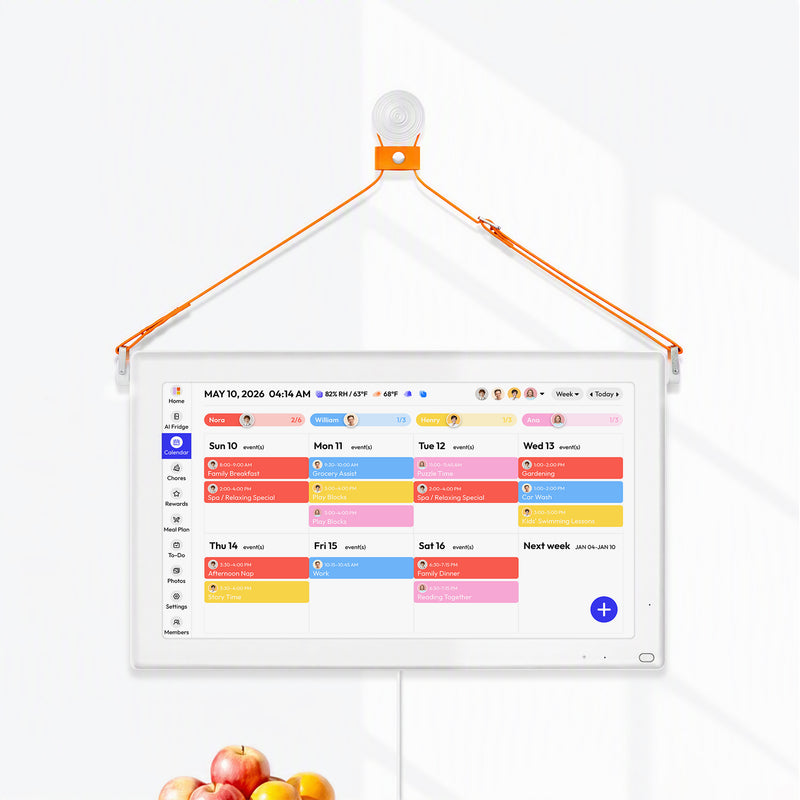
A truly visible plan answers four questions fast: what is happening, when it happens, who owns it, and what needs to go with it. “Piano lesson Tuesday 4:30 PM” is helpful. “Piano lesson Tuesday 4:30 PM, Dad pickup, book in backpack, leave by 4:10 PM” is much easier to act on without another reminder.
Placement changes behavior
Location matters as much as format. In one family command center setup, a planner near a side door “didn’t get used” until it moved to a high-traffic wall. That is a useful household rule: if the system is not in the path of real family traffic, it is still mostly invisible.

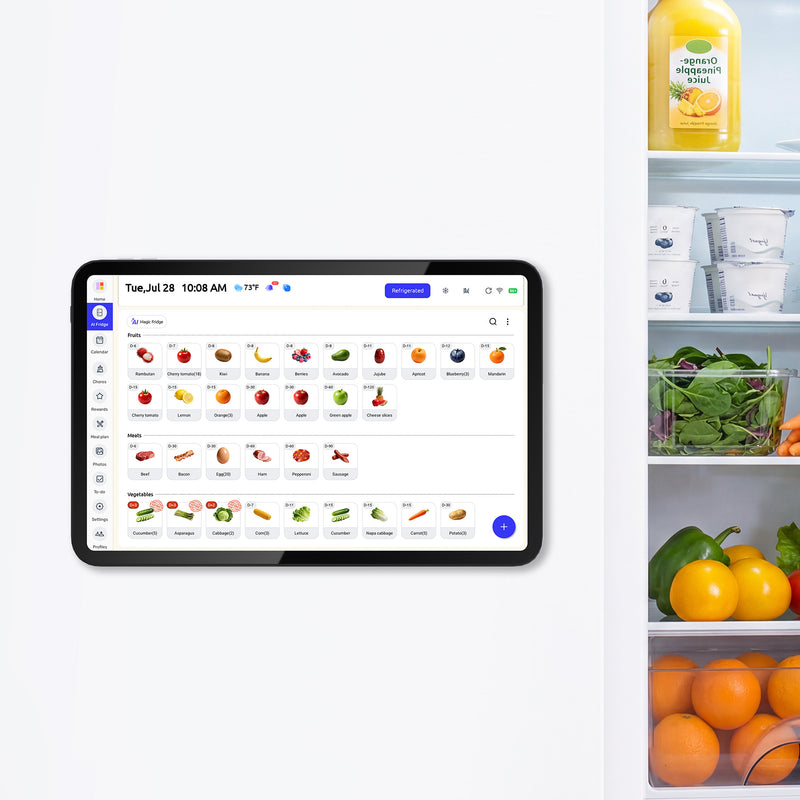
This is why kitchens, hallways, mudrooms, and the wall near the backpack drop zone often work better than a small board in a home office. For families using a wall-mounted digital home base, something like the Everblog display can fit naturally here because its large touch display is designed for wall mounting and helps keep plans, chores, and events in one shared view. A plan has to compete with shoes, lunch boxes, and the rush out the door. If it is not easy to glance at, it will not reliably reduce reminders.
How to Connect Calendar, Meals, and Chores Without Creating More Admin
One home base lowers confusion
What may help most is one clear home base for recurring logistics. One visible shared family calendar or planner, with color coding and a short weekly check-in, usually works better than scattered tools that hold separate pieces of family life.
That home base should not stop at appointments. If the calendar says late practice on Thursday, the meal plan, carpool timing, and cleanup plan should reflect that too. Otherwise the family is still coordinating by surprise at 5:15 PM.
Ownership works better than helper mode
Families often get more relief when they divide full responsibility by domain, not by one-off tasks. Asking “What can I do to help?” can add work because someone still has to notice the need, decide what matters most, and delegate it.
A better setup might look like this: one parent owns school communication for the week, another owns dinner and groceries, and older kids own specific reset jobs like emptying sports bags or checking tomorrow’s schedule. The key is end-to-end responsibility. If a job still depends on reminders from someone else, the ownership is not fully transferred yet.

Meals and chores belong beside the schedule
A family schedule is not separate from meals, laundry, and household tasks. A functional command center usually includes calendars, meal plans, to-do lists, papers, and chore tools in one place because those things affect each other every day.
That matters in ordinary ways. A 6:00 PM game changes dinner. A school spirit day changes the laundry plan. An early doctor visit changes dog walking, lunch packing, and who leaves work first. Keeping those pieces together reduces the need for repeated verbal updates.
What Often Breaks, Even With Good Intentions
Hidden updates still create reminder debt
The first failure point is private updates. A digital tool can be perfectly synced and still fail if only one person checks it, if kids never see the screen, or if the important change stays buried in notifications. Some tools show real-time updates within seconds, but speed does not solve a visibility problem by itself.
The second failure point is adding a new tool without changing household behavior. About 63% of families rely on one person for most planning, so a calendar or app can quietly become one more thing that same person has to maintain unless everyone else also checks it, adds to it, and acts on it.
Working memory is a real limit
Executive function is a plain-English way to describe the brain skills that help people start, sequence, and finish tasks. When stress is high, sleep is short, or a parent or child has ADHD traits or another neurodiverse profile, holding a multi-step plan in mind can be harder. That does not mean anyone is careless. It means external cues may help more than another spoken reminder.
This is where visible systems earn their keep. A wall calendar, meal board, or shared checklist can reduce the number of things people must hold in working memory at once. The goal is not to control everyone more tightly. The goal is to make the next action easier to see.

Upkeep still matters
Even a good system needs a reset rhythm. Routine updates matter because paper fills up, lists get stale, and “temporary” notes become background wallpaper if no one clears them.
A simple weekly reset is usually enough. Clear old papers, confirm next week’s pickups, refresh the meal plan, restock needed items, and check who owns which recurring jobs. When that reset happens on purpose, reminder fatigue usually drops because fewer loose ends roll into the next week.
Practical Next Steps
You do not need a complicated setup to start. You need one visible plan, fewer hidden handoffs, and clear ownership for recurring work.
Use this checklist to test whether your current system actually reduces reminders:
- Put one shared planning view in a place the family passes at least twice a day.
- Show four facts for each key item: what, when, who owns it, and what needs to go with it.
- Keep meals, grocery needs, and chores next to the schedule instead of in separate hidden lists.
- Assign recurring domains end-to-end for a week at a time, not just one-off tasks.
- Hold a 10-minute weekly reset to review the next seven days and clear stale notes.
- Remove tools nobody checks, even if they seem smart on paper.
If you are building a physical command center, test the layout with paper first before you mount anything. If you go digital, keep the display in a kitchen, hallway, or mudroom and make sure updates can still be made from normal phones. A visible system should reduce repeat questions within a week or two. If it does not, the usual problem is placement, ownership, or too many hidden steps.
FAQ
Q: Is a shared phone calendar enough?
A: Sometimes, but only if everyone actually sees it in time. Many families do better with a visible home view plus phone access for updates.
Q: Should we use paper or digital?
A: Use the format your household will notice and maintain. Paper is easy to see. Digital is easier to keep current. A hybrid often works best.
Q: What if one parent still does most of the planning after we set this up?
A: Check whether ownership is truly shared. If one person is still entering every task, translating every schedule change, and reminding everyone to look, the tool changed but the system did not.
Disclaimer
This article is for household planning education only. It is not a substitute for mental health care, medical advice, legal advice, or crisis support. If safety, custody orders, or a diagnosed condition are involved, work with the appropriate licensed professional.
References
- https://www.bath.ac.uk/announcements/mothers-bear-the-brunt-of-the-mental-load-managing-7-in-10-household-tasks/
- https://www.gidgetfoundation.org.au/gidget-blog/mothers-are-drowning-under-the-invisible-mental-load-this-is-how-we-can-help
- https://www.thehartcentre.com.au/shouldering-the-mental-load-why-it-matters-and-how-to-share-it/
- https://www.largefamilyarrows.com/post/the-best-way-to-create-a-functional-command-center-for-your-family
- https://familymind.ai/5-ways-to-reclaim-hours-each-week-with-smarter-family-planning/
- https://familymind.ai/family-planning-isnt-just-about-scheduling/


