







School-night dinner gets easier when one shared calendar shows the real evening schedule and one visible home system shows the meal plan, grocery needs, and cleanup jobs. The goal is not a perfect routine. It is fewer last-minute surprises and clearer handoffs.
Does 5:15 PM feel like a race between homework, practice pickup, and a dinner plan that only exists in one person’s head? Many families already learned they do better with more structure: 53% in one family mealtime survey said they made changes they wanted to keep for the school year. A simple setup can give you that structure without turning dinner into another full-time job.
Start With One Shared Picture of the Evening
Put schedule facts in one place
A shared family calendar works best when it shows every pickup change, practice, late meeting, and dinner handoff in one place. If one adult is looking at a work calendar, another is reading school emails, and the kids only know practice times, dinner gets derailed before anyone starts cooking.

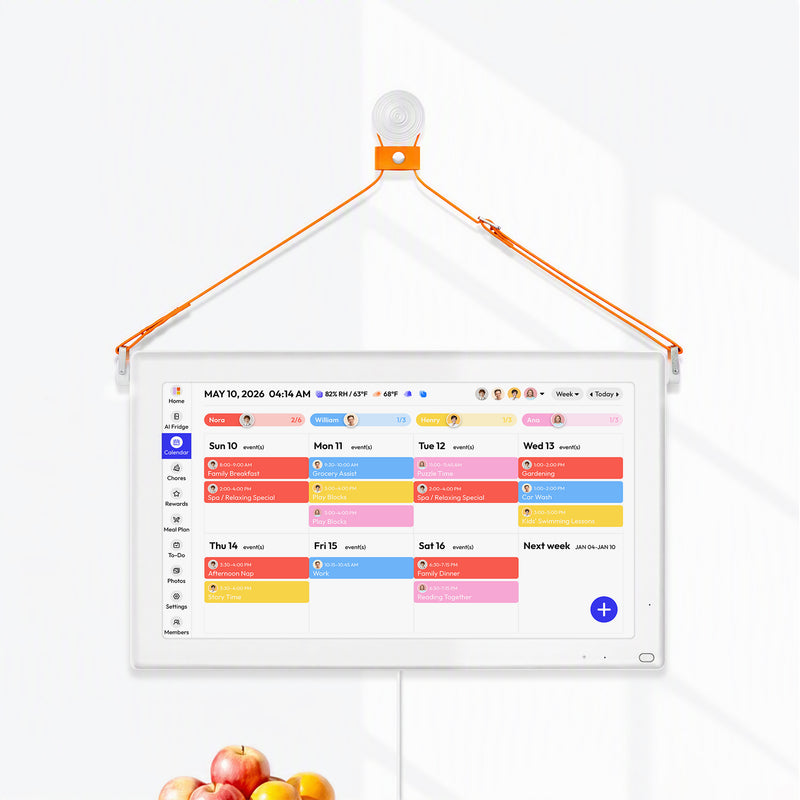
A shared calendar and dinner plan become much more useful when they live beside grocery lists and to-dos. That way, “pasta tonight” is tied to the actual night when one parent gets home at 6:30 PM and one child needs to leave again at 7:00 PM.
Decide what belongs on the calendar
A free shared family calendar is enough for most families if it answers four questions fast: Who is home for dinner, what time do they walk in, who is cooking, and what is the backup if plans shift. Color coding helps, but the bigger win is having one place everyone trusts.
For school nights, keep dinner details simple. Add the meal, the cook, and any pickup note like “thaw chicken” or “buy tortillas.” Skip extra planning fields that only one person will update.
Build a Command Center People Actually See
Choose the right surface and location
A family command center works because it puts school papers, meal plans, calendars, and reminders in one visible spot near the flow of real life. The best location is usually not the prettiest wall. It is the wall by the garage door, mudroom, kitchen, or laundry area that people already pass several times a day.
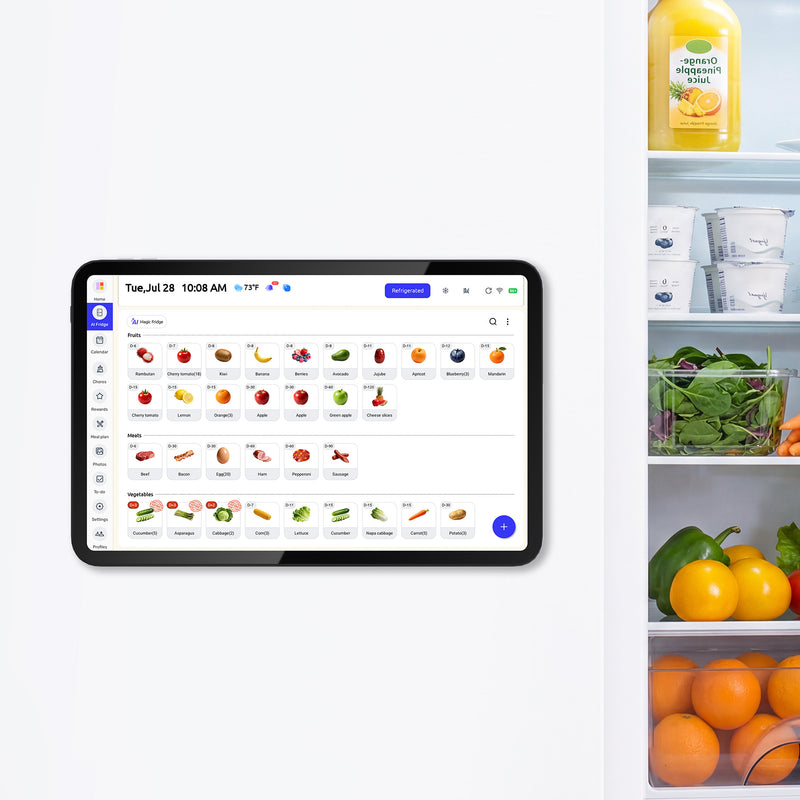
An effective command center is easier to maintain when you build it around space, priority, and attainability. In plain English, that means using the space you actually have, posting only what your family truly needs, and choosing a setup you can reset in a minute or two. In some homes, a wall-mounted digital calendar such as the Everblog 21.5" Digital Calendar can help families view plans, tasks, chores, and events on one screen.

Keep it lean enough to use
A command center does not have to be one giant station to work. One family might use a kitchen whiteboard for the week’s dinners and a nearby basket for school papers. Another might use a small wall calendar plus hooks for backpacks and keys.
Start with just five pieces: a weekly calendar, a dinner list, a grocery note area, a paper drop zone, and one chore surface. If you add charging stations, bill folders, or sports forms later, fine. The first job is making tonight easier.
Assign Roles That Reduce Hidden Work
Trade vague help for named jobs
A simple chore zone system can take pressure off the adult who usually notices everything. In one example, daily zones covered dishes and counters, shared-space straightening and laundry, and the table, floor, and bathroom. That matters on school nights because dinner rarely fails from one big problem. It fails from six small jobs nobody claimed.
For dinner hours, give each person a clear role instead of saying “help with dinner.” One child unloads the dishwasher before 4:30 PM. Another clears and wipes the table. One adult cooks. The other handles pickup or helps with homework. Even young kids can carry napkins, fill water cups, or check the fruit bowl.

Rotate jobs so the system stays fair
A weekly rotation helps kids practice different skills and keeps one person from owning the same annoying task every day. It also fits real family life better than trying to create a perfect permanent chart in a season when sports, school projects, and work deadlines change constantly.
A task app with recurring chores and reminders can help when verbal reminders disappear into the noise of the evening. The point is not surveillance. The point is making responsibility visible so fewer tasks stay hidden in one parent’s head.
Use a Weekly Rhythm and a Backup Dinner Plan
Plan once a week, then check once a day
A school-year dinner routine is more likely to stick when families pace themselves and reassess schedules instead of trying to “be better” every single night. A 15-minute weekly reset often does enough: check the calendar, pick five dinners, note one leftover night, and write one backup meal for the hardest evening.
A shared planner with lists and dinner planning makes that weekly reset easier because you can turn the meal plan into a shopping list right away. That keeps grocery planning tied to the actual week instead of turning it into a separate chore that gets postponed.

Expect the rough nights
A family dinner habit does not require everyone sitting down at the same minute every night. Split-shift dinners count. If one child has practice until 6:45 PM, feed the younger kids first and plate the rest for later. The goal is coordination, not a picture-perfect table.
An evening chore flow works better when cleanup starts from a known pattern. Some families wash prep dishes before dinner, eat, then move directly into table clearing, counters, and the floor. That reduces the common problem where dinner ends and everyone drifts away while one person faces the entire kitchen alone.
Pick Tools That Match Your Follow-Through
Choose based on behavior, not features
A family organizer app is useful when adults are moving in different directions all day and need updates on phones and computers. Notifications, shared lists, and one calendar can solve a lot when the main problem is scattered information.
A visible home setup is useful when kids need reminders they can actually see and when papers still matter. A whiteboard near the kitchen can do more for weeknight dinners than a fancy app nobody opens after 3:00 PM.
Hybrid usually beats all-or-nothing
A hybrid system is often the easiest option for busy families: digital for schedule changes away from home, visible for what matters tonight. That keeps the phone useful without forcing everyone to remember one more app in the middle of a rushed evening.
Here is a simple way to think about the trade-offs:
Setup |
Best for |
Watch out for |
App only |
Parents with split schedules and older kids with phones |
Kids may not check it, and papers still pile up |
Wall only |
Younger kids and highly visual households |
Updates can lag when plans change away from home |
Hybrid |
Most busy families |
Needs a short weekly reset to stay current |
A shared household app can also help if you want chores, shopping, chat, and reminders in one place. Just keep the rule simple: if a tool adds more taps than clarity, it is too much for a school night.
FAQ
Q: Do we need a special app to make this work?
A: A shared family calendar is enough to start. What matters most is having one source of truth that everyone checks, not having the most advanced tool.
Q: What if my kids ignore the chore board?
A: A recurring task system works better when jobs are small, visible, and tied to a time like “before dinner” or “right after dinner.” If the board is being ignored, the usual fix is not more reminders. It is fewer tasks and clearer timing.
Q: How often should we plan dinners?
A: A weekly dinner planning rhythm is usually enough for busy families. Then do a quick same-day check by midafternoon so you can switch to leftovers, breakfast-for-dinner, or a split-shift plan before everyone gets hungry.
Practical Next Steps
A budget-friendly command center does not need much more than a calendar, a whiteboard, hooks, and one paper drop zone. The real value is not the supplies. It is having one place where dinner, chores, and school-night logistics stop competing for attention.
Use this checklist for the next seven days:
- Pick one shared calendar and put every school-night activity into it.
- Set up one visible command-center spot near the kitchen, mudroom, or garage entry.
- Write five dinners, one leftover night, and one backup meal for the week.
- Assign clear dinner roles like cook, table reset, dishwasher, and floor sweep.
- Hold a 15-minute weekly reset on the same day each week.
- Do a 2-minute afternoon check to confirm tonight’s meal still fits the schedule.
If the first week feels imperfect, that is normal. Keep the system small, visible, and easy to repeat. School-night dinner gets easier when the plan is shared, the jobs are named, and tonight does not depend on one tired person remembering everything.


