







The easiest way to share grocery shopping is to use one family system for meals, lists, and timing, then make it visible enough that every adult actually checks it. When the list, the calendar, and the handoff live in one place, you cut down on duplicate trips, missed ingredients, and the “I thought you were getting it” problem.
Ever end up with two bags of lettuce, no milk, and no clear dinner plan for Tuesday? Families tend to do better when grocery planning is tied to a simple weekly routine, a shared view of the schedule, and a short list of who does what. You do not need a perfect system. You need one that helps the next seven days run with fewer surprises.
Pick One Shared Home Base
Digital, wall-based, or both
A shared family organizer works best when it gives every adult the same live view of schedules, grocery lists, and reminders. That matters more than fancy features. If one person shops after work, another handles pickup, and a third adult cooks, they all need the same current information.
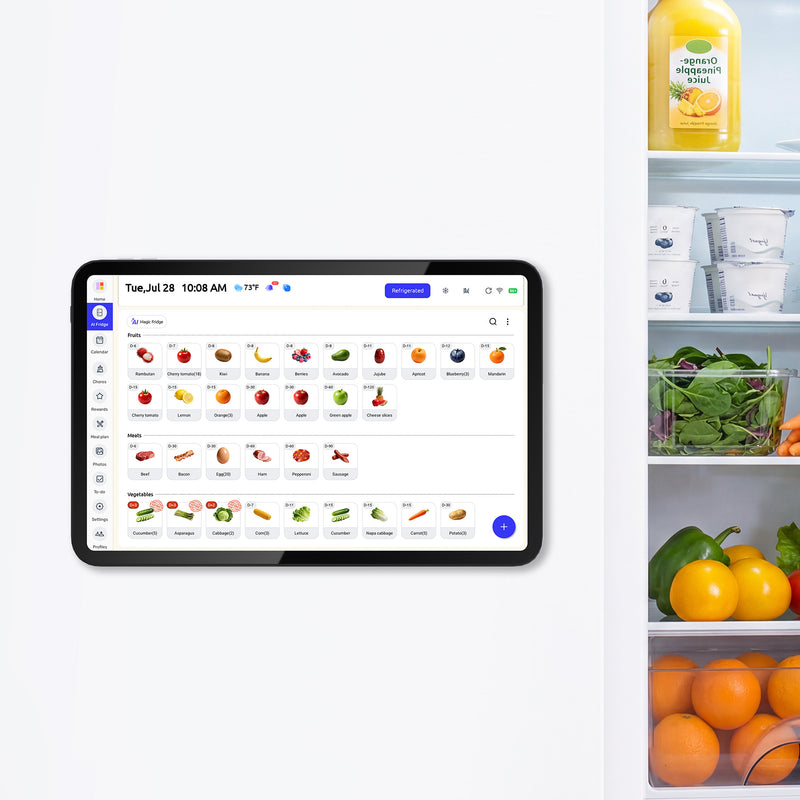
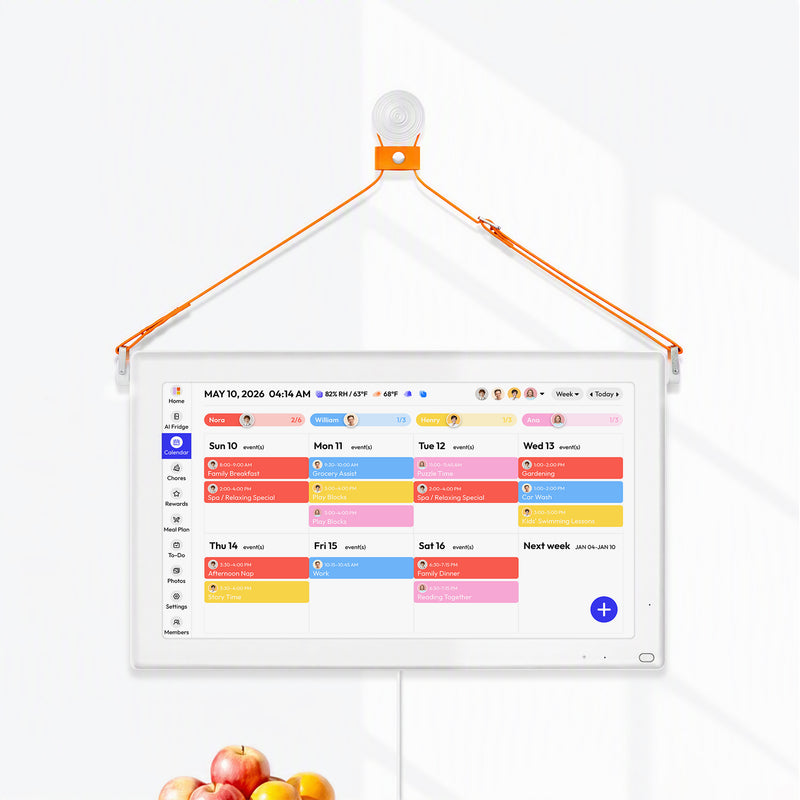
Some families do better with a phone-first setup. Others follow through better when the plan is on the refrigerator or a wall they pass all day. A family command center can fit on a narrow wall, a cabinet door, or a small kitchen corner with tools like whiteboards, clipboards, baskets, and labeled bins. A fridge-door setup such as the Everblog 13.4" calendar can fill a similar role by keeping meal plans, grocery notes, and freshness tracking where everyone already looks.

Choose based on friction, not trends
A fridge-based command center can work well when digital calendars keep getting ignored. One family used a monthly calendar for activities, a weekly dinner menu, and two shopping lists on the refrigerator because half the household preferred paper and half preferred digital tools. The main benefit was not style. It was constant visibility and fewer repeated questions.
If your household already uses phones all day, stay digital. If people forget to open the app, add one visible surface at home. A simple hybrid setup often works best: the live list stays in an app, and the weekly meals and shopping day stay on a dry-erase board.
Make the Grocery System Visible Enough to Survive a Busy Week
Put the list where people naturally notice it
A wall-mounted grocery list works because it catches items at the moment people run out of them. That is the real issue in multi-adult homes. Most grocery mistakes happen before shopping, when nobody records that the last cereal box was opened or the toothpaste is nearly gone.
Visible systems do not need much space. A command center can include a grocery list, key hooks, meal notes, and a paper drop zone in one small area. If young kids are part of the household routine, visual labels or simple picture cues can help them participate too.
Keep the capture step painfully simple
A reusable grocery list setup can be as low-tech as a laminated list and a dry-erase marker. That works well for families that want one fixed place to add items during the week without opening an app or sorting papers.
If you prefer digital capture, use a list that updates instantly and groups items by aisle. A platform with instantly synced shared lists suggests common items as you type and organizes groceries by category. That reduces one common failure point: a messy list that makes shopping slower and easier to ignore.

Connect the Meal Plan to the Shopping List
Plan meals before you shop
A weekly meal plan usually saves more stress than trying to “shop smart” without a menu. It also makes handoffs clearer. When adults know that Wednesday is tacos and Thursday is pasta, it is much easier to tell whether tortillas, ground turkey, sauce, or fruit need to go on the list.
Keep this light. Start with two or three dinners if full-week planning feels like too much. A running list of family-approved meals helps when nobody wants to decide at 5:30 PM. Busy families also do better when the menu matches the week: easier meals on late-work or sports nights, slower meals on calmer days.
Build meals around what is already in the house
A meal-planning workflow for busy families gets stronger when it starts with the fridge, freezer, and pantry instead of a blank page. That is how you use the chicken already in the freezer, the rice in the pantry, or the vegetables that need to be eaten soon before they turn into waste.
Batch cooking can lower grocery pressure too. Doubling a recipe, cooking extra protein, or freezing a couple of 2-cup portions gives the household a backup meal when the week goes sideways. That is often what prevents the extra store trip on Thursday night.
Use tools that turn meals into ingredients
A shared meal planner with grocery lists is useful when the list can be created directly from the weekly menu. That removes a hidden step that usually falls on one adult: translating “chicken bowls on Monday” into rice, salsa, chicken thighs, lettuce, and limes.
This is where digital tools earn their keep. If a recipe or meal slot can push ingredients into the shopping list, the system is less dependent on memory. That matters even more in households where two adults alternate cooking days or one person shops while another plans meals.
Split Roles So One Adult Is Not Carrying the Whole Load
Assign roles by step, not by “helping”
A good family calendar system works when one shared system is used consistently, not when every adult uses a different method. The practical fix is to divide grocery work into steps: one person updates the meal plan, one person checks staples, one person does the main shop, and one person handles weekend prep or unpacking.
That is different from saying, “Can you help with groceries?” Vague jobs get dropped. Specific jobs are easier to repeat. For example: Adult 1 plans dinners on Friday, Adult 2 adds missing staples by Saturday morning, Adult 3 does pickup at 11:00 AM, and the adult home first puts produce in the prep bin.
Use simple rules for handoffs
A shared account with real-time shopping lists helps because multiple adults can see items added by others while shopping. Color-coded calendars and reminders also make it easier to connect groceries to real events like late meetings, school concerts, or travel days.
Short rules matter more than detailed instructions. Try rules like these: if you open the backup, add it to the list; if you finish the last one, text only if it is needed within 24 hours; if you swap meals, update the board or app the same day. These small rules reduce the “hidden manager” problem where one adult is quietly tracking everything in their head.
Build a Weekly Rhythm That Keeps the System From Falling Apart
Give the week a repeatable shape
A simple family grocery rhythm is easier to keep than a system based on willpower. Many families do well with a three-part cycle: review the week and meals on Friday, shop on Saturday, and prep a few basics on Sunday. The exact days do not matter as much as repeating them.

Use the same checkpoints each week. Check the family schedule, look at what food is already on hand, write the meal plan, and only then finish the list. That order matters because it cuts duplicate buying and helps you notice what can be used up first.
Expect the weak spots
A command center that lasted for years still needed regular updating and steady participation. That is normal. Grocery systems usually break in predictable places: people forget to add items, the meal plan is too ambitious, or one adult stops checking the system.
Keep the repair simple. If the list is stale, move it closer to where food gets used. If dinners keep failing, plan fewer full-cook nights and add one backup meal. If adults ignore the app, pin the weekly menu on the refrigerator. The goal is not more tools. The goal is fewer missed handoffs.
FAQ
Q: Should busy families use a grocery app or a paper list?
A: Use the one your household will check without being reminded. If phones are already central to your routine, a shared app with instant sync is usually easier. If people ignore apps, a fridge board or command center may get better follow-through. Many families do best with both: digital for the live list, visible at home for the weekly plan.
Q: How many adults should be able to edit the grocery list?
A: Anyone who notices items running low should be able to add to it. That usually means all adults in the home, and sometimes older kids too. The key is one shared list, not several personal notes.
Q: What if meal planning feels too heavy right now?
A: Start smaller. Plan two or three dinners, keep one backup freezer meal, and use a short family-approved meal list. A system that survives a hard week is better than a detailed plan nobody can maintain.
Practical Next Steps
Start with one visible system, not five. For the next seven days, choose one shared list, one place for the weekly meal plan, and one shopping day. Then give each adult one clear step in the process.
Action checklist:
- Pick one home base: shared app, wall command center, or a simple hybrid.
- Set one weekly planning time, such as Friday at 8:00 PM.
- Write 3 to 5 dinners before building the grocery list.
- Add a rule that anyone who opens the backup item adds it to the list.
- Assign the handoffs: planner, shopper, pickup person, and prep person.
- Keep one backup meal ready for the night the plan slips.
- Review what failed after one week and change only one thing.


