





A visual schedule shows the steps of a routine using pictures, words, or movable cards. For a child with ADHD, it can provide a reference for what to do next instead of relying only on spoken instructions. Start with one routine, teach the child how to use the schedule, and adjust it to the support they need.
A schedule is an organizational aid. It does not guarantee fewer reminders, treat anxiety, or replace an ADHD care plan.
What Is a Visual Schedule?
A visual schedule shows activities in an order the child can follow. It might be photos of clothes, breakfast, and shoes; a written bedtime checklist; or a short sequence displayed on a device.
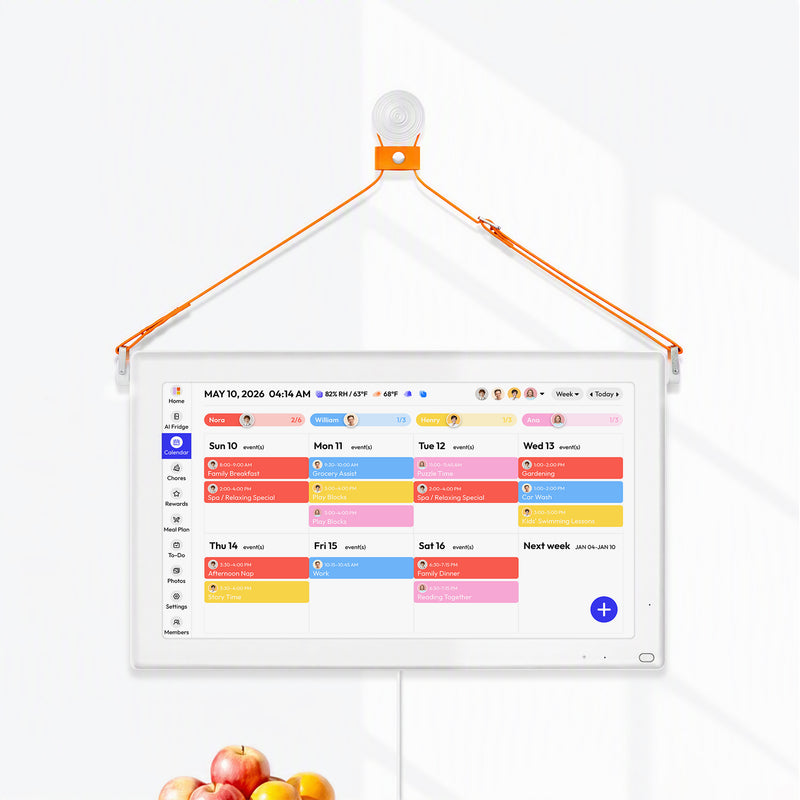
A family calendar and a task schedule serve different purposes. A calendar might say “school departure at 7:45.” A task schedule shows what needs to happen before leaving. Some children may need both, while others need only a few steps near the place they do them.
Choose pictures or wording the child understands. Reading ability does not automatically make a long written checklist the right format.

Why Might a Child With ADHD Need Routine Support?
CDC describes difficulties with organizing, finishing tasks, following instructions, and remembering routine details among inattentive ADHD symptoms. A child may know how to complete each action yet lose track of the sequence.
Keeping instructions available gives the child somewhere to return when they forget the next step. This is a practical way to support a routine; it does not mean the schedule improves working memory or repairs executive functioning.
Order and duration are also different. A row of pictures shows what comes next, but not necessarily how long each activity takes. If estimating time is difficult, try a clock or timer alongside the schedule and observe whether it helps. A countdown that adds pressure may need to be changed or removed.
What Does the Evidence Support?
A 2022 systematic review of visual activity schedules for children with ADHD aged 5–12 included four studies with differing designs and interventions. It reported encouraging findings but called for more research to improve generalizability. Some included approaches involved classroom activities or broader psychosocial support, so their findings cannot be attributed to a household chart alone.
The evidence does not establish that a visual schedule will reduce anxiety, protect family relationships, or make every child independent. Findings from autism research should not automatically be presented as ADHD-specific results either.
Separately, CDC's guidance for parents recommends routines, brief directions, smaller task steps, and realistic goals. These suggestions support the approach below, but do not validate a particular digital calendar or guarantee a result.
Choose a Visual Schedule Format
| Format | Consider it when | Example and limitation |
|---|---|---|
| First-Then board | A longer sequence is too much to follow | “First put on shoes, then go to the car.” Shows two steps, not the whole morning |
| Picture routine | Familiar photos or symbols are easier to use than text | Clothes → breakfast → backpack; check that each image means something to the child |
| Written checklist | The child prefers short written instructions | “Put lunchbox in backpack”; avoid packing several actions into one line |
| Task strip | One activity needs to be broken into smaller actions | A short handwashing sequence near the sink; teach the actions as well as the symbols |
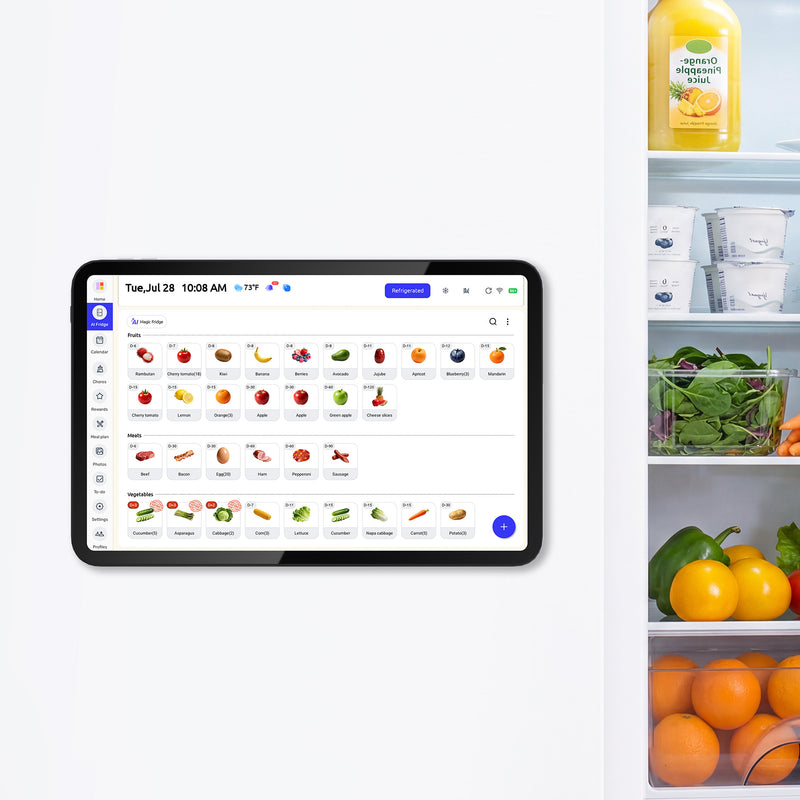
| Digital schedule | Plans change often or the child already uses a device comfortably | A daily agenda with a few routine steps; check readability, distractions, and access |
There is no fixed age at which a child should switch from pictures to words or from paper to digital. Start with the simplest format that lets them find and understand the next action.
Build One Routine Step by Step
1. Choose a specific point where things get stuck
Instead of scheduling the entire day, choose getting dressed, starting homework, or leaving the house. Watch where the difficulty occurs: remembering the next action, finding supplies, beginning the task, or completing the action itself.
A chart cannot supply missing shoes or teach a skill the child has not learned. Address those obstacles alongside the schedule.
2. Write observable actions
Replace “get ready” with “put on socks” or “put lunchbox in backpack.” Keep the number of steps manageable for this child. A few steps are a starting example, not a prescribed treatment dose.
Let the child help choose wording and pictures. Check comprehension by asking them to show what a card means rather than assuming an icon is obvious.
3. Put the prompt where it is needed
Place a dressing sequence near the clothes or a packing list beside the bag. A kitchen overview may be convenient for adults but too far away for a child doing a task in another room.
Make the schedule easy to reach and read. Avoid relying on color alone to distinguish steps.
4. Teach how to use it
Practice at a time when you are not rushing. Show how to look at a step, do the action, and mark it finished. Use a checkmark, movable card, or another completion method the child can manage.
At first, the child may need reminders to look at the schedule. Reduce prompts only when they can manage that part; needing help is not a failure.
5. Show changes explicitly
If an appointment changes the morning, replace or move the relevant step and explain the difference. An “unexpected change” symbol is useful only if the child has learned what it means.
Keep necessary choices available. A schedule should not turn every preference into a rule or require finishing a distressed routine without help.

Example: Getting Out the Door
Suppose school departure is at 7:45 a.m. The following is an editable example, not a ten-minute completion target.
| Step | Child-facing instruction | Preparation or support |
|---|---|---|
| Backpack | Put the ready lunchbox in the bag | An adult checks that needed school items are available |
| Shoes | Put on socks and shoes | Keep them in a known place; separate these steps if needed |
| Jacket | Put on or carry the jacket chosen for today | Decide what is needed before the final rush |
| Departure | Meet the adult at the door | Adult remains responsible for leaving safely |
Allow time based on what the routine actually takes. If shoes repeatedly cause a delay, investigate fit, fastening, location, or the need for help instead of simply adding another alarm.
For more general chart-layout ideas, see morning routine charts. Adapt the steps to your child rather than treating another family's schedule as a clinical standard.
Check Whether the Schedule Is Helping
Choose a concrete observation: does the child find the next step, need less help on one action, or report that the sequence is easier to follow? Compare similar situations and note what support was still needed. A difficult morning does not by itself show that the schedule failed.
| What happens | What to try |
|---|---|
| The child does not look at it | Move it closer and practice checking it together |
| They check a box but cannot do the task | Teach the skill, prepare supplies, or split the action |
| The whole board feels overwhelming | Show fewer steps or only the current and next action |
| A timer increases distress | Remove or change it; use a different cue |
| The routine works only with adult help | Keep the useful support and adjust expectations before fading it |
| Plans change and the chart becomes inaccurate | Update the affected steps and explain the change |
Persistent distress or substantial difficulties at home or school deserve discussion with the child's clinician or school team. A visual schedule can sit alongside professional support; it should not be used to explain away every difficulty.
Is a Digital Calendar Necessary?
No. Paper, photos, and reusable cards may be enough for one routine. Consider a digital option only if it solves a specific problem, such as updating a shared agenda or providing a format the child prefers.
Check whether the actual device can display the needed steps clearly, whether unrelated apps distract, and who maintains the information. A shared household display should not expose private health details unnecessarily. This guide does not recommend a product for managing medication or delivering ADHD treatment.
Common Questions
Can older children and teens use visual schedules?
Yes. They may prefer a brief written checklist or a private digital agenda. Ask what feels useful and respectful rather than assuming a picture board or public display is appropriate. Evidence from younger children should not be treated as proof of the same effects in teens.
What if my child ignores the schedule?
Check whether they understand it, can access it, and can do the task. Practice together and simplify where necessary. Do not assume ignoring a chart means defiance or that more prompts will solve the underlying obstacle.
Should I include rewards?
Rewards are optional. CDC includes praise and other rewards among behavior-management suggestions, with realistic goals. If used, recognize a specific achievable action and keep support available. Essential needs and help should not depend on earning a reward.
Start with one useful sequence. Keep the parts that help your child, change the parts that do not, and let their actual experience guide the next adjustment.


