







Weekly meal planning works best when it is simple, visible, and flexible. A realistic routine can reduce dinner-time stress, shorten grocery trips, and make leftovers part of the plan.
Does 5:30 PM feel like the moment everyone gets hungry at once and nobody knows what dinner is? A simple weekly routine can cut the nightly decision loop, shorten grocery trips, and turn leftovers into part of the plan instead of a disappointment in the fridge. You can build a system that fits real family life, including sports practice, late meetings, and nights when energy is low.
What weekly meal planning actually means
Weekly meal planning means deciding ahead of time what your household will eat over a set period, usually one week, so shopping and prep match your real schedule. It is different from meal prep, which is the hands-on work of chopping, cooking, portioning, or storing food in advance.

That distinction matters because many busy parents quit before they start. Planning is the decision step; prep is optional support. If you think meal planning requires a full Sunday of batch cooking, you are setting the bar too high for most family weeks. A workable plan might cover only dinners, leave lunches to leftovers or easy staples, and keep one night open for takeout or breakfast for dinner.
Why it helps families so much
Planning food ahead helps reduce reliance on takeout, supports better ingredient control, and lowers the stress of deciding dinner at the worst possible time. In practice, that means fewer emergency grocery runs, less money spent on duplicate ingredients, and less mental energy spent answering the same question every evening.
There is also a family-rhythm benefit. When dinner is visible on the calendar or refrigerator, kids know what is coming, adults can coordinate who is cooking, and complaints often drop because the decision was already made earlier in the day. That predictability does not make family life rigid; it simply removes one avoidable source of chaos.
Start smaller than you think you should
A realistic starting point is planning just two or three dinners for the week instead of trying to manage every meal. This works especially well for families who are busy on weekdays but still want a stronger routine around dinner.
A practical example looks like this: you cook on Monday, Wednesday, and Thursday; Tuesday is leftovers; Friday is takeout or pantry night; and the weekend stays flexible. That is still meal planning. In fact, it is often better meal planning because it respects your actual capacity. One common mistake is building a seven-night cooking schedule for a week that clearly includes two late practices, one work event, and one exhausted parent.

Match meals to your real calendar
Using your family schedule as the backbone of meal planning is one of the fastest ways to make the habit stick. Busy nights need low-prep meals, while quieter evenings can handle recipes that take more chopping, simmering, or cleanup.
For example, if Wednesday includes a 6:30 PM game and a late work call, that is not the night for lasagna from scratch. It is the night for tacos with pre-cooked meat, a sheet-pan meal, soup from the freezer, or sandwiches with cut fruit. If Sunday is calmer, that is when you can roast chicken, cook rice, or prep vegetables that help two later meals come together quickly.
Build a short master list so you stop reinventing dinner
A reusable meal list is one of the most helpful tools for busy families because it reduces decision fatigue. Instead of searching for recipes from scratch every week, keep a running list of meals your family actually eats.
This list works best when it reflects real life rather than ideal life. Include five or six fast dinners, a few slow-cooker or one-pan meals, two meatless options, one or two freezer-friendly meals, and several meals that another family member can make. A sample family list might include burrito bowls, pasta with turkey sauce, grilled cheese and tomato soup, breakfast for dinner, rotisserie chicken wraps, chili, baked salmon, quesadillas, and fried rice. You are creating a menu of repeatable wins, not auditioning for a cooking show.

Shop your kitchen first
Checking what you already have before you choose meals is one of the easiest ways to save money and cut waste. Look at the pantry, freezer, and refrigerator first, especially for ingredients close to expiring or items you bought for one recipe and forgot about.
A simple version is to pick three ingredients already on hand and build around them. If you have black beans, tortillas, and shredded cheese, one dinner is halfway planned. If there is a bag of spinach that needs to be used, it can go into pasta, omelets, soup, or quesadillas. Families who do this consistently tend to waste less because the plan starts with what exists, not with an aspirational grocery haul.
Make leftovers intentional, not accidental
Cook once, eat twice is a strong strategy for households with uneven energy across the week. Leftovers work best when they are planned from the start, not treated as an afterthought.
That might mean doubling chili on Sunday so Wednesday dinner is already solved, or roasting extra chicken so tomorrow's lunch wraps and Thursday's pasta both get easier. Brown Health and Harvard both support this basic logic: extra portions save time later and make healthier home meals more available on rushed days. The tradeoff is that not every family enjoys repeated meals, so it helps to repurpose leftovers when possible. Roast chicken can become tacos, soup, or fried rice instead of simply reappearing unchanged.

Keep the system visible and shared
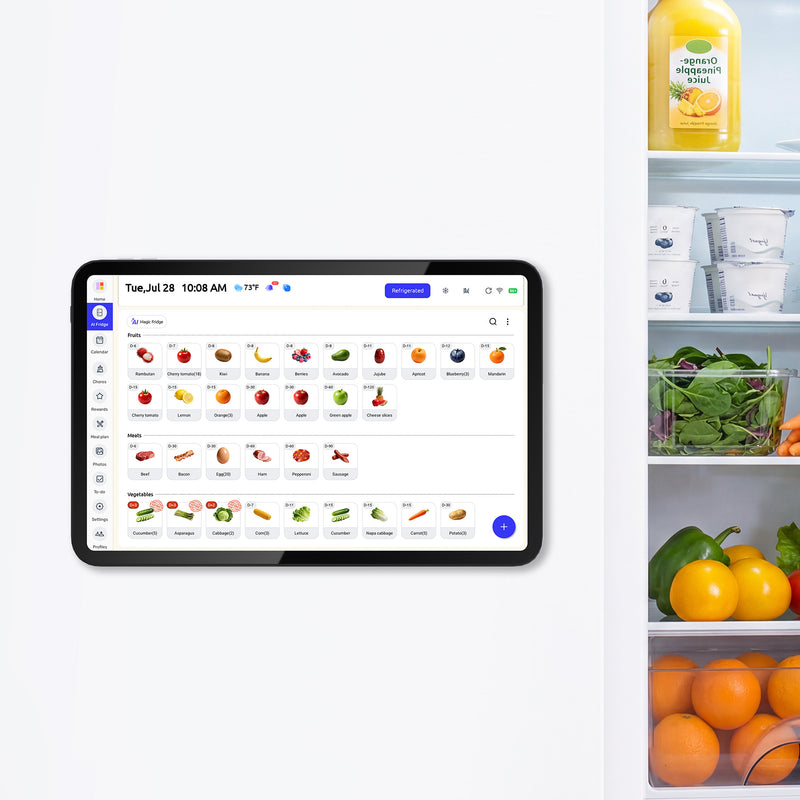
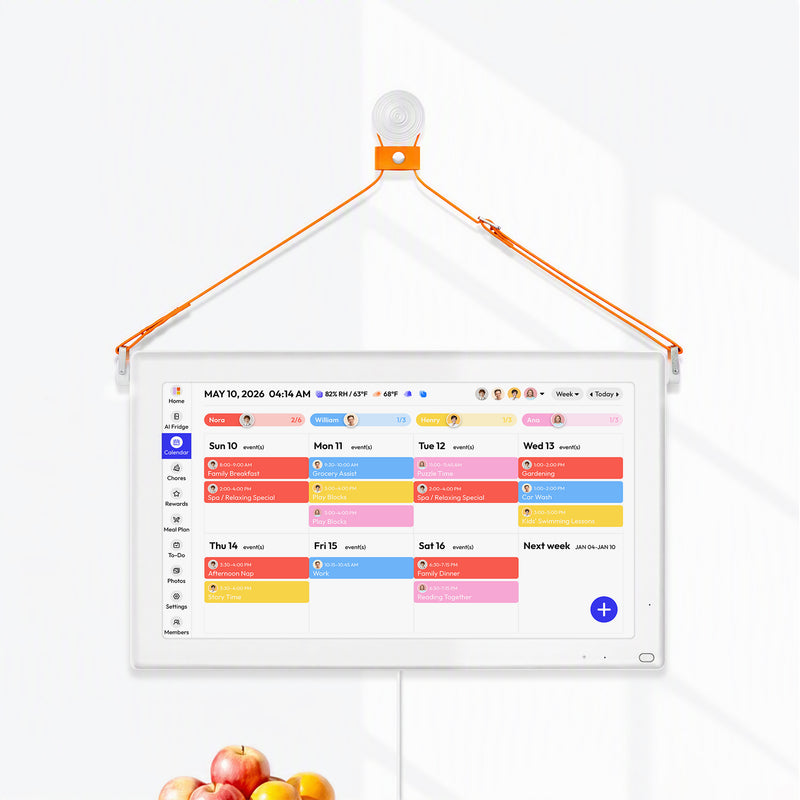
A visible household plan reduces repeated questions and spreads responsibility more evenly. Whether you use a digital refrigerator calendar, a shared app, or a paper chart on the refrigerator, the best system is the one every family member can actually see and use.
This is where digital family organization can help. Shared calendars and family dashboards are useful when one person shops, another cooks, and everyone has a changing schedule. A single source of truth is especially helpful for co-parents, older kids, or households where one adult needs to pick up groceries while another handles dinner. The main downside is complexity: if the tool is harder than the habit, the tool becomes the problem. Start with the lightest setup that keeps meals, shopping, and schedule constraints in one place.
Prep only the parts that buy back time
Small prep tasks often deliver most of the benefit without turning Sunday into a second workday. Washing produce, chopping onions, cooking a pot of rice, marinating chicken, boiling eggs, or labeling leftovers can make weekday cooking feel much lighter.
Storage matters more than many families realize. Harvard notes that labeling food with dates, keeping older items visible, and storing prepared foods safely helps reduce waste and keeps make-ahead plans usable. If you prep vegetables on Sunday but lose them behind yogurt containers by Tuesday, the prep did not really help.
Keep flexibility in the plan
Flexible planning styles can make weekly meal planning more sustainable than a rigid day-by-day schedule. Some families do best with exact assignments like Tuesday tacos, while others do better with a short menu of busy-night meals and normal-night meals that they can swap as the week changes.
Different sources reach roughly the same conclusion for different reasons. Some recommend assigning meals by day because visibility helps execution, while others prefer a looser system because family schedules shift. Both approaches can work. The deciding factor is whether your household needs structure more than freedom. If missed plans make you feel defeated, use a flexible weekly menu instead of locking each meal to a date.
A simple weekly routine that is easy to keep
Setting a regular planning window is what turns meal planning from a good intention into a household system. For many families, that means 20 to 30 minutes before the main grocery trip, often on Saturday or Sunday.

A calm routine can look like this in real life: you glance at the family calendar, check the refrigerator and pantry, choose three to five dinners from your master list, write them where everyone can see them, and make a grocery list by store section. If one partner cooks and the other shops, both should be able to access the same plan. If kids are old enough, let them help choose one dinner each week. That increases buy-in and gradually builds food skills at home.
A good meal plan does not ask your family to become different people. It gives the week a little more shape so dinner stops feeling like an emergency. When the plan is simple, visible, and flexible, it becomes one of the quiet routines that makes the whole household feel calmer.


