






When each child has a schedule but the household cannot see the whole week in one place, the system starts failing. The fix is usually not more reminders. It is one visible shared plan that covers who is going, who is driving, and what has to happen before the door closes.
Ever find out about piano, soccer, and an early school pickup in the same half hour? That usually means the schedule exists, but only in pieces. A visible planning setup helps families cut missed handoffs, repeated questions, and the quiet planning work that keeps falling back on one adult.
Separate Calendars Create Blind Spots
The problem is not too many events
When scattered schedules live across school emails, team apps, paper flyers, and one parent’s phone, each child may look organized on paper while the household still feels chaotic. The breakdown happens between calendars: the soccer practice overlaps with a work call, the half-day dismissal never gets added to the pickup plan, or the dentist visit is on one calendar but not the family dinner plan.
A shared family schedule matters because home life runs on connected tasks, not isolated events. One child’s 5:30 PM game changes dinner, transportation, sibling supervision, and sometimes bedtime. If those pieces are not visible together, families end up solving the same problem over and over in real time.
Hidden work collects on one adult
For many homes, the real issue is not the calendar app. It is that one person becomes the household memory bank. A common information holder problem forms when one adult carries pickup plans, school deadlines, gear lists, and who already said yes to what.
The strain shows up in the numbers too. Managing the family schedule is difficult for many parents, and that same source cites survey data showing nearly 60% of parents say scheduling is somewhat or very difficult, while 74% want more partner help with household logistics. In real life, that looks like one parent answering five texts at 3:45 PM because the plan was never visible enough for everyone else to use without asking.

A Plan Is Only Useful If People Can See It
Visible means easy to check during normal life
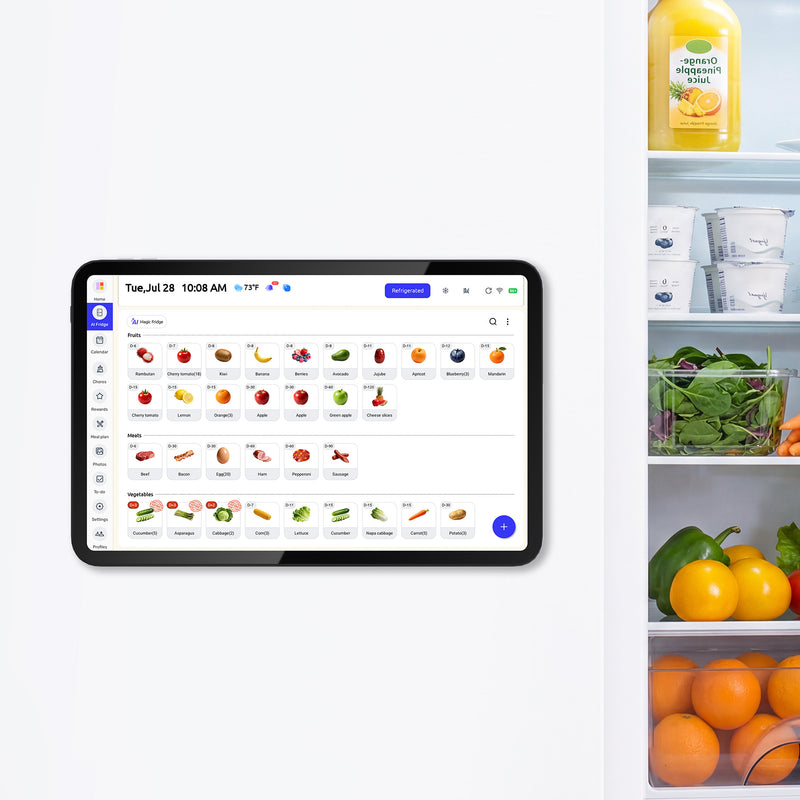
A family command center works best when it sits in a central, easy-to-find spot such as the kitchen, hallway, mudroom, or home office corner. Visibility does not mean pretty. It means a tired adult can glance at it while packing lunches, and a child can check it before asking what happens after school.
A high-traffic location matters more than the exact product you use. A calendar hidden in a tab, a cabinet, or a back room might still be technically shared, but it will not guide the day. Families use what they can see while walking in and out of the house.
Visibility should exist on the wall and on the phone
A shared family calendar helps because everyone with access can see and edit the same events across signed-in devices. That solves one problem: the plan travels with the adults. But phones alone still miss the child who cannot see next Tuesday at a glance, the grandparent helping with pickup, or the parent who only notices conflicts when opening an app too late.
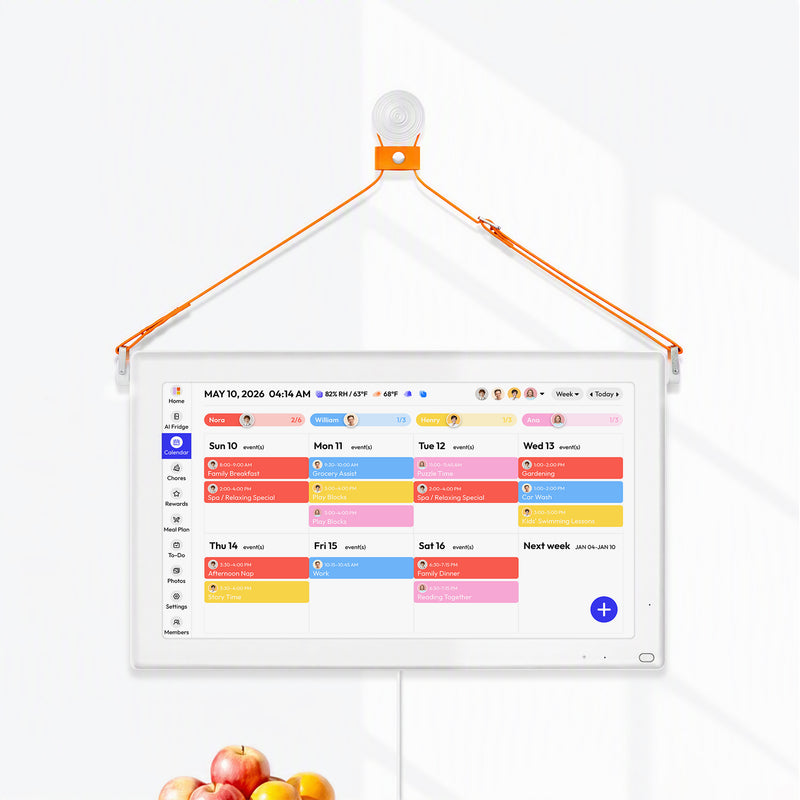
A hybrid setup is usually the most durable for busy homes: one digital source of truth, plus one visible home surface. That can be as simple as a shared digital calendar feeding the week, with a dry erase board or kitchen display showing today, tomorrow, meals, and rides. In some homes, an Everblog digital calendar such as the Everblog digital calendar can serve as that shared master view.

Build One Master View First
Start with the non-negotiables
A centralized calendar tool works best when fixed items go in first: school hours, work blocks, medical appointments, custody exchanges, recurring practices, and bedtime routines. These are the events that shape everything else. If they are missing, the week will look open when it is not.
In practice, this means building the calendar from the least flexible items outward. Put in the Tuesday 4:00 PM tutoring session, the Thursday 6:00 PM game, the Friday early release, and the parent work meeting that cannot move. Only then add playdates, errands, and optional extras. That order keeps families from overpromising the same hour twice.
Keep categories simple enough to read fast
A color-coded shared calendar helps because people can tell at a glance who an event belongs to and who is involved. The best systems usually stay simple: one color per person, or one color per type such as school, activities, medical, meals, and chores. More categories are not always better if nobody can read them at 7:10 AM.
A calendar with visible widgets and alerts can support follow-through, especially when chores and upcoming events need to show up on a home screen. The key is not the feature list. The key is that the family can answer three questions fast: What is happening today? Who owns it? What has to happen before it starts?
Connect the Schedule to Meals, Chores, and Transportation
The calendar should drive the rest of the house
A shared planner that combines calendar, lists, and meal planning is useful because family life is not only appointments. If one child has practice across town at dinner time, the meal plan changes. If both adults are out during pickup, chores need to move earlier, and someone has to confirm who is covering the younger sibling.
This is where many separate kids’ calendars break down. They show the event, but not the impact. A 6:00 PM recital also means “eat by 5:00,” “pack dance shoes by 4:30,” and “swap dishwasher duty with your brother.” When those support tasks stay off the family planning surface, the event still happens, but the day feels rushed and fragile.

Put handoffs inside the event, not in someone’s head
A shared household calendar works better when events include pickup and drop-off details, not just the activity title. For a soccer practice, write the location, departure time, driver, needed gear, and who handles the younger sibling. For a doctor visit, add which parent is going, how long it should take, and whether medication pickup is part of the errand.
A shared organizer with agenda emails and notifications can reduce the number of reminder texts families send each other. But even with alerts, the event description still has to carry the handoff details. “Emma swim” is not enough. “Emma swim, leave 4:40 PM, Dad drives, goggles in front pocket, Mom starts dinner” is a usable plan.
Keep the System Alive With a Simple Rhythm
A good calendar routine is boring on purpose
A monthly and weekly planning cadence helps because family logistics change before they explode. A monthly look-ahead can cover the next 30 to 60 days, while a weekly catch-up checks for field trips, supply needs, schedule gaps, and transportation conflicts. This is usually enough structure for most homes without turning planning into another major project.
A quick daily check-in can be very short. Ten minutes on Sunday and two minutes after dinner often works better than one long meeting nobody wants. The point is to make changes while there is still time to act, not while everyone is already in the car.
Roles matter as much as reminders
A shared command center stays useful when upkeep is assigned, not assumed. One adult can own school communications. The other can confirm rides and work conflicts. An older child can check the next day’s gear after dinner. A younger child can look at the board and name tomorrow’s after-school plan. That is still coordination, but it is visible coordination.
A shared calendar with editable access also helps distribute the load. If the system only works when one person updates it, the family has not built a shared tool. It has built another dependent workflow around the same exhausted person.
FAQ
Q: Should each child still have a separate calendar?
A: Yes, but the household still needs a combined shared view. Separate colors or categories are helpful. Separate systems with no master view are where planning starts to fail.
Q: Is paper or digital better for a family with multiple kids?
A: A centralized, visible system matters more than the format. Digital is easier to update and share in real time. Paper is easier to notice at home. Many families do best with both: digital for updates, visible board for daily use.
Q: What if our home is small and we do not have room for a full command center?
A: A small central area is enough. You do not need a full wall. A calendar, one paper bin, a short meal note, and a hook for keys near the kitchen or entry can still create a visible household system.
Practical Next Steps
A better family calendar does not need a full home reset. It needs one week of clearer visibility, fewer hidden handoffs, and one place people actually check. Even a basic setup can work if it is visible, shared, and reviewed on purpose.
- Pick one master calendar for the household this week.
- Add non-negotiables first: school, work, appointments, practices, and pickups.
- Create one visible home surface in a high-traffic spot.
- Write handoff details inside events, not on separate scraps of paper.
- Review the next 7 days every Sunday and do a 2-minute daily glance.
- Assign upkeep roles so one adult is not carrying the whole system.
- Keep meals, chores, and transportation tied to the same weekly view.


