
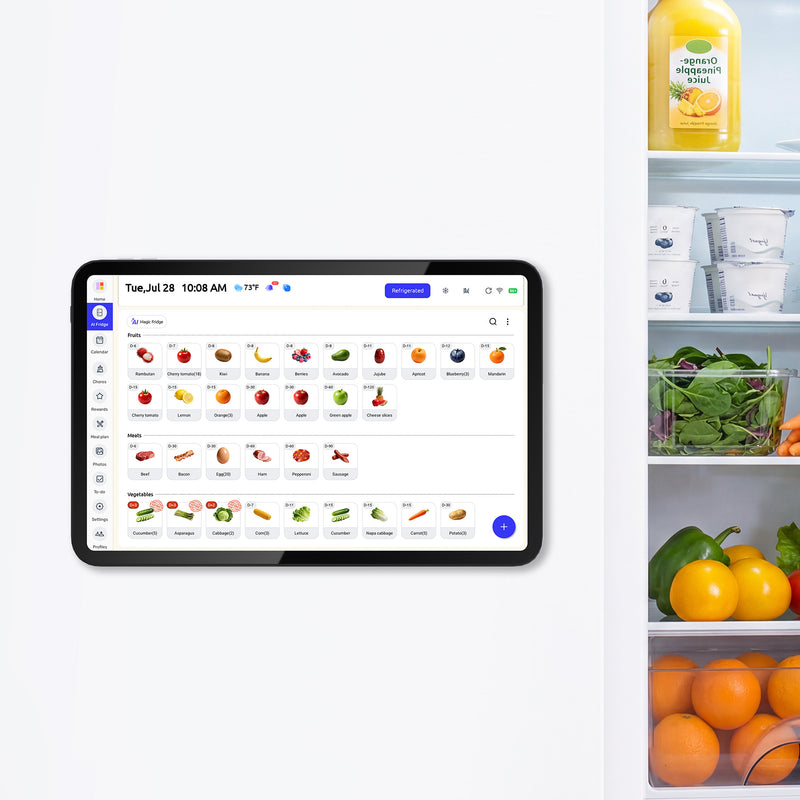


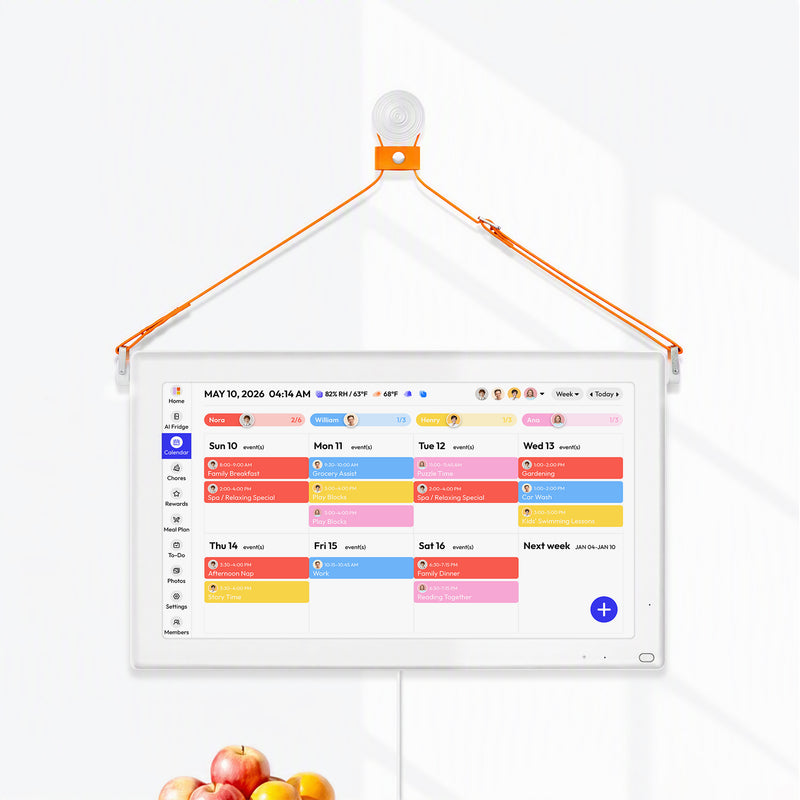


Managing regular meals keeps blood sugar levels stable, but trying to handle every detail from memory adds unnecessary mental weight to an already stressful routine. Bringing a fridge calendar into the kitchen centers your routine right where your food lives, allowing the whole family to stay aligned effortlessly. When your meal plan sits on the center of the refrigerator door, looking after a diabetic household member stops feeling like a solo balancing act and becomes a shared, seamless part of the daily routine.
Why Meal Timing and Consistency Matter So Much for Diabetes
Sticking to a predictable routine is one of the most reliable ways to maintain steady energy and stable health every single day. Here is why keeping your food schedule visible in the heart of the home changes how you manage this condition.
Irregular Eating Patterns Affect Blood Sugar Levels
Eating at unpredictable hours forces your body into a continuous guessing game with glucose and insulin production. When meals arrive at different times every day, your body struggles to smooth out the spikes and crashes that follow. Keeping a steady schedule helps stabilize these daily numbers naturally.
The Hidden Cost of Skipping Meals or Eating at the Wrong Time
Going too long without food risks a sudden, dangerous crash in glucose levels, known as hypoglycemia. Conversely, waiting too long often leads to overeating later, which sends your numbers skyrocketing. Consistency removes this frantic cycle from your day entirely.
How Written Plans Work Better Than Memory Alone
Mental notes easily slip away during a chaotic afternoon, leading to late dinners and missed medication windows. A physical schedule anchored on the refrigerator door takes the guesswork out of the evening rush. It serves as a visual anchor that keeps everyone grounded without mental strain.
How a Fridge Calendar Helps Diabetics Stay on a Meal Schedule

Bringing your meal planning directly onto the refrigerator surface ensures that your daily schedule is always front and center when you stand in the kitchen.
Mapping Meals by Day and Time on a Shared Display
A visible schedule shows everyone exactly what is cooking and when it will be served. When your family looks at the refrigerator door, they see the day's timeline without having to ask you what comes next. It sets clear, predictable expectations for breakfast, lunch, and dinner.
Linking Meal Plans to Grocery Shopping So Nothing Gets Missed
A reliable blood sugar meal plan requires having the right ingredients available in the kitchen exactly when you need them. Jotting down ingredients next to your planned meals ensures your shopping list matches your health needs. You will always know what to grab before the week begins.
Adjusting the Plan When Schedules Change Without Losing Track
Life rarely goes exactly as planned, but a flexible display lets you move meals around without throwing off the entire week. If an afternoon meeting runs late, you can shift the dinner slot quickly. This prevents a busy day from completely derailing your health goals.
Managing More Than Just Meals: What Else Goes on the Calendar
A central kitchen display handles much more than just breakfast, lunch, and dinner; it coordinates all the vital moving parts of daily care.
|
Management Needs |
Memory Alone |
Centered Fridge Calendar |
|
Meal Timing |
Easy to delay or skip when busy. |
Visible at a glance whenever you enter the kitchen. |
|
Medication Tracking |
Relies on alarms that are easy to silence and forget. |
Written next to the meal so you see it before eating. |
|
Doctor Appointments |
Buried inside a phone app or a private paper planner. |
Shared openly so the entire household stays aware. |
Managing health routines from memory often introduces stress, whereas a centralized kitchen display brings complete clarity to the whole family. Moving your daily schedule to the refrigerator ensures that no critical task gets lost in the shuffle.
Medication and Insulin Reminders Tied to Mealtimes
Many medications must be taken exactly with your first bite of food to work safely and effectively. Writing your dosages right alongside your lunch or dinner slots creates an unbreakable visual link. You see the reminder exactly when you reach for your plate.
Tracking Doctor Appointments and Lab Test Dates
Routine checkups and quarterly lab visits are crucial for keeping long-term health numbers moving in the right direction. Placing these deadlines on the main kitchen hub ensures they never conflict with your daily routine. The entire household can see what is coming up on the horizon.
Logging Food Expiration Dates to Avoid High-Risk Ingredients
Fresh vegetables and lean proteins can spoil quickly, leaving you without healthy options at the last minute. Marking expiration dates directly on the screen helps you use your fresh groceries before they go bad. It saves money and prevents sudden trips for fast food.
How Families and Caregivers Can Use the Fridge Calendar Together
Managing diabetes should never rest entirely on one person's shoulders, and a shared kitchen tool naturally invites everyone to help.
Keeping a Diabetic Family Member on Schedule Without Constant Check-ins
Nagging a loved one about their food intake can create unnecessary tension and stress in the home. A clear, visible schedule allows family members to check the status of the day silently. It replaces constant verbal reminders with quiet, independent accountability.
Color Coding Meals and Medications for Different Household Members
Using distinct colors helps separate general family dinners from specific medical needs instantly. You can use green for the weekly menu and red for essential insulin reminders. This visual distinction ensures that critical health tasks catch your eye immediately.
Syncing with a Spouse or Caregiver's Calendar for Shared Accountability
When multiple people share caregiving duties, keeping everyone on the exact same page is absolutely vital. A shared display allows a spouse or helper to see exactly what needs to be prepared next. It creates a seamless handoff without any stressful miscommunications.
Common Diabetes Meal Planning Mistakes a Fridge Calendar Helps You Avoid
Without a clear visual guide in the kitchen, it is incredibly easy to slip back into old habits that complicate your health journey.
Buying the Wrong Groceries Because There Was No Plan
Walking into the grocery store without a clear menu often leads to impulse buys and processed foods. When your meal planning for diabetics is mapped out visually, you buy only what supports your body. This keeps your pantry stocked with nutrient-dense options.
Missing a Medication Dose Because Mealtime Ran Late
When a busy afternoon pushes lunch back by two hours, standard medication alarms often lose their context. Tying your medical reminders directly to the meal layout ensures you take them when you actually eat. This keeps your body safe regardless of daily delays.
Letting a Good Week Slip Because the Routine Wasn't Visible
Maintaining a healthy routine requires keeping your positive habits visible where you cannot ignore them. When your progress and plans sit hidden inside a smartphone app, it is easy to forget them by midweek. Keeping the plan on the refrigerator door maintains that positive momentum all week long.
Streamline Household Management with a Digital Fridge Calendar
Organizing your daily kitchen routine does not have to feel like an extra chore for busy moms or caregivers. Choosing the right digital planner brings peace of mind by turning your kitchen into a supportive, organized hub where everyone stays connected automatically. The Everblog FridgeCal™ Calendar clips right onto your refrigerator door, combining the ease of a traditional magnetic board with the power of a smart calendar. This sleek digital fridge calendar syncs seamlessly with your existing family schedules, ensuring everyone knows exactly when meals are served and when medications are due. Let your kitchen do the heavy lifting so you can enjoy a lighter, more connected home life.
FAQs About Fridge Calendars and Diabetes Meal Planning
Q1. How many meals a day should a diabetic eat?
It depends on your personal medication schedule and lifestyle, but most professionals recommend three balanced meals and one or two healthy snacks spaced evenly throughout the day. Tracking these intervals on a digital fridge calendar ensures you never let a busy afternoon push your next meal past its safe window. Eating at regular intervals prevents sudden blood sugar drops and keeps your daily energy levels steady.
Q2. What foods should diabetics avoid at home?
You should limit highly processed foods, sugary drinks, white breads, and snacks packed with refined sugars or trans fats. Keeping these items out of your kitchen pantry makes it much easier to stick to your healthy eating habits without facing constant temptation.
Q3. What is the best meal plan for a diabetic?
There is no single plan for everyone, but a balance of lean proteins, non-starchy vegetables, and healthy fats works best. Mapping out a customized blood sugar meal plan right on the refrigerator door allows you to visualize and adjust your weekly nutrition goals at a glance.
Q4. Should diabetics eat on a schedule?
Yes, eating at predictable times every day helps your body manage insulin levels much more effectively. Displaying your daily food timeline on an Everblog FridgeCal™ Calendar ensures the entire household respects these set times, keeping your routine stable and stress-free.
Q5. What is a good dinner meal for a diabetic?
A great option is a serving of grilled salmon paired with roasted broccoli and a small portion of quinoa. This combination offers plenty of protein, healthy fiber, and clean fats without causing a sharp rise in your evening glucose levels.


