




Let's be honest, running a family sometimes feels like you're an air traffic controller in a blizzard—without a control tower. If you’re tired of missed appointments, forgotten permission slips, and the relentless chorus of "What's for dinner?", a family command center is your answer. It's the ultimate tool to end the chaos, creating a centralized hub for every schedule, meal plan, and note that matters.
This single spot doesn’t just get you organized; it gives you back your time and your sanity.
Ending Family Chaos With A Central Hub
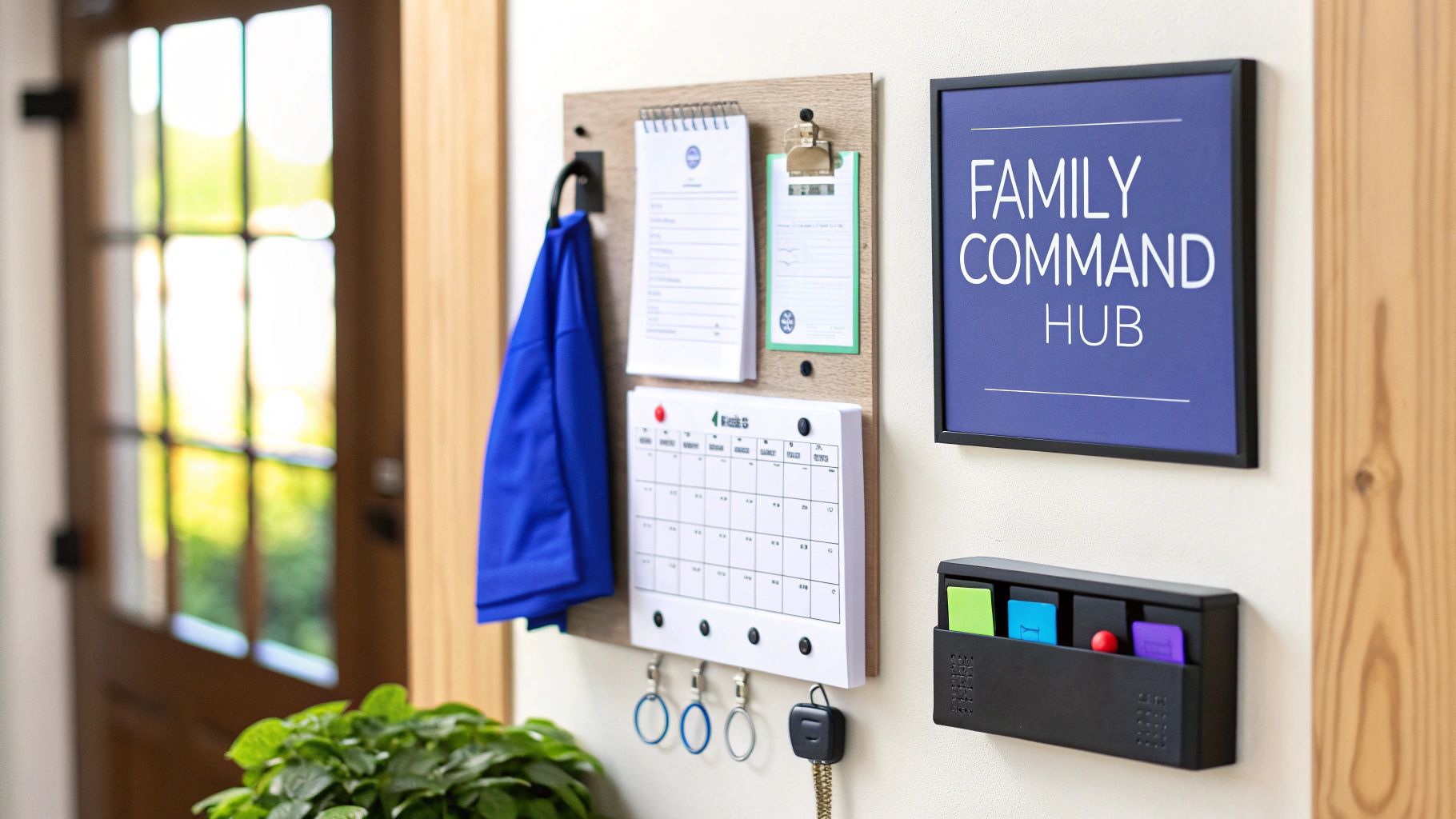
You're juggling multiple schedules, tracking endless to-do lists, and managing a constant influx of school papers and bills. It’s a surefire recipe for stress. This is exactly where a family command center makes a real, tangible difference.
Think of it as your family's dedicated headquarters for all things logistical. It’s not just another decluttering project; it’s about creating a system that brings genuine calm to the daily storm.
Why A Central Hub Just Works
The idea of a command center isn't new. It’s borrowed from professional operations—like mission control rooms and hospital nerve centers—that are designed to make complex tasks run smoothly. When hospitals implement command centers, they can cut patient wait times by as much as 25% by using real-time data. Imagine bringing that level of efficiency home. A well-designed family hub can easily reduce household chaos and improve time management by 20-30%.
A family command center really is a cornerstone of a well-ordered home. For more great ideas on transforming your entire living space, check out these tips on how to get organized at home.
By creating a single source of truth for your family, you eliminate confusion, reduce repetitive questions, and empower everyone—including the kids—to be more independent and responsible.
To make your command center truly effective, it needs to cover all the bases. Here’s a quick look at the essential zones that every hub should have to tackle different aspects of home management.
Essential Zones of an Effective Family Command Center
| Zone | Primary Function | Essential Tools |
|---|---|---|
| Scheduling | Tracks all appointments, events, and deadlines. | Large calendar (dry-erase or digital), color-coded markers. |
| Chores | Manages daily/weekly tasks and responsibilities. | Chore chart, to-do lists, magnetic trackers. |
| Meals | Plans dinners and organizes grocery shopping. | Meal planning board, tear-off grocery lists, recipe cards. |
| Information | Stores important documents, contacts, and mail. | Mail sorter, file folders, bulletin board, key hooks. |
Having these distinct areas prevents clutter and ensures that everyone knows exactly where to look for what they need, making your command center the true heart of your home's operations.
The Real-World Benefits
Putting a central hub in place offers so much more than just a tidy wall. It directly addresses the biggest pain points of modern family life, delivering benefits you’ll feel every single day.
- Better Communication: Everyone knows exactly where to look for the day's schedule, upcoming events, and important reminders. No more excuses!
- A Lighter Mental Load: Stop trying to remember every single detail yourself. The command center holds all that information for you, freeing up precious mental energy.
- More Accountability: With chores, tasks, and responsibilities clearly displayed, it’s much easier for everyone to know what’s expected of them.
- Smoother Routines: Those frantic morning rushes and evening scrambles become a thing of the past when the day’s plan is visible and accessible to all. It's a key part of creating a stay-at-home mom daily schedule that actually works.
Ultimately, it’s all about creating a system that stops logistical headaches before they even start.
Finding the Perfect Spot for Your Command Center
Let’s be honest: the most beautiful, perfectly organized command center is useless if it’s tucked away in a corner nobody ever goes to. Location is everything. You want this hub right in the middle of the daily chaos, making it almost impossible for anyone to ignore.
Before you even think about grabbing a drill, just watch your family for a day. Where do the backpacks get dumped the second they walk through the door? Where does the mail pile up? These little "clutter hotspots" are pure gold. They're high-traffic areas, which makes them the perfect real estate for your new command center.
Scout Your Family’s Natural Pathways
Think of your house as a roadmap of your family's daily life. There are main highways—the entryway from the garage, the path to the kitchen island, the hallway everyone uses to get to their bedrooms. Planting your command center right on one of these routes means it becomes part of your existing routine, not another new thing you have to force everyone to do.
Got a narrow entryway? No problem. That's a perfect spot for a vertical command center. You can use wall-mounted file holders, a tall and skinny calendar, and some key hooks to make the most of that small footprint. On the other hand, if you have a big mudroom or a wide-open kitchen wall, you can go for a sprawling horizontal layout with multiple boards, bins, and maybe even a small desk area.
Here’s a fantastic example of someone turning a small but central wall into a command station that’s both functional and stylish.
I love how this setup uses vertical space so brilliantly without looking cluttered. It’s proof that you don't need a huge wall to create a powerful organizational tool.
Think About Practicality and Accessibility
Once you’ve got a couple of potential spots picked out, it's time to get practical. Is there enough light to actually read the calendar, or will you be squinting in a dark hallway? Good lighting is one of those tiny details that makes a massive difference in whether the command center gets used or not.
Accessibility is the other big piece of the puzzle. This thing needs to work for everyone in the family.
- For the Grown-Ups: Place key hooks, mail slots, and the main calendar at a comfortable eye level.
- For the Kids: Mount their chore charts, homework bins, and personal schedules lower down. They need to be able to see and reach their own stuff without asking for help.
This kind of tiered setup means every family member, from your tallest teen to your littlest one, can actually use the system on their own.
A command center should feel like a helpful assistant, not another chore. If it’s inconvenient to get to or hard to see, it’s just going to turn into expensive wall art.
Before you commit, do this one simple trick: measure your space, then use painter's tape to mark out where the big pieces (like your calendar or whiteboard) will go. This helps you visualize how it will all fit and feel in the space. Trust me, taking five minutes to do this can save you from the massive frustration of realizing that gorgeous acrylic calendar you ordered is two inches too wide for the wall you chose.
Designing Your Core Organizational Zones
Alright, you’ve scouted the perfect location. Now for the fun part: actually bringing your command center to life. This is where we move beyond just picking a wall and start building a system that really works. The secret? Thinking in "zones." These are dedicated spots for specific tasks, designed to tackle your family's biggest organizational headaches head-on.
A well-designed command center groups related items together, making it second nature for everyone in the family to use. Instead of a random jumble of boards and baskets, you're creating a powerful, intuitive workflow. This approach cuts down on visual clutter and makes sure every single piece has a clear purpose.
This little diagram breaks down the process for finding that perfect spot before you start designing.
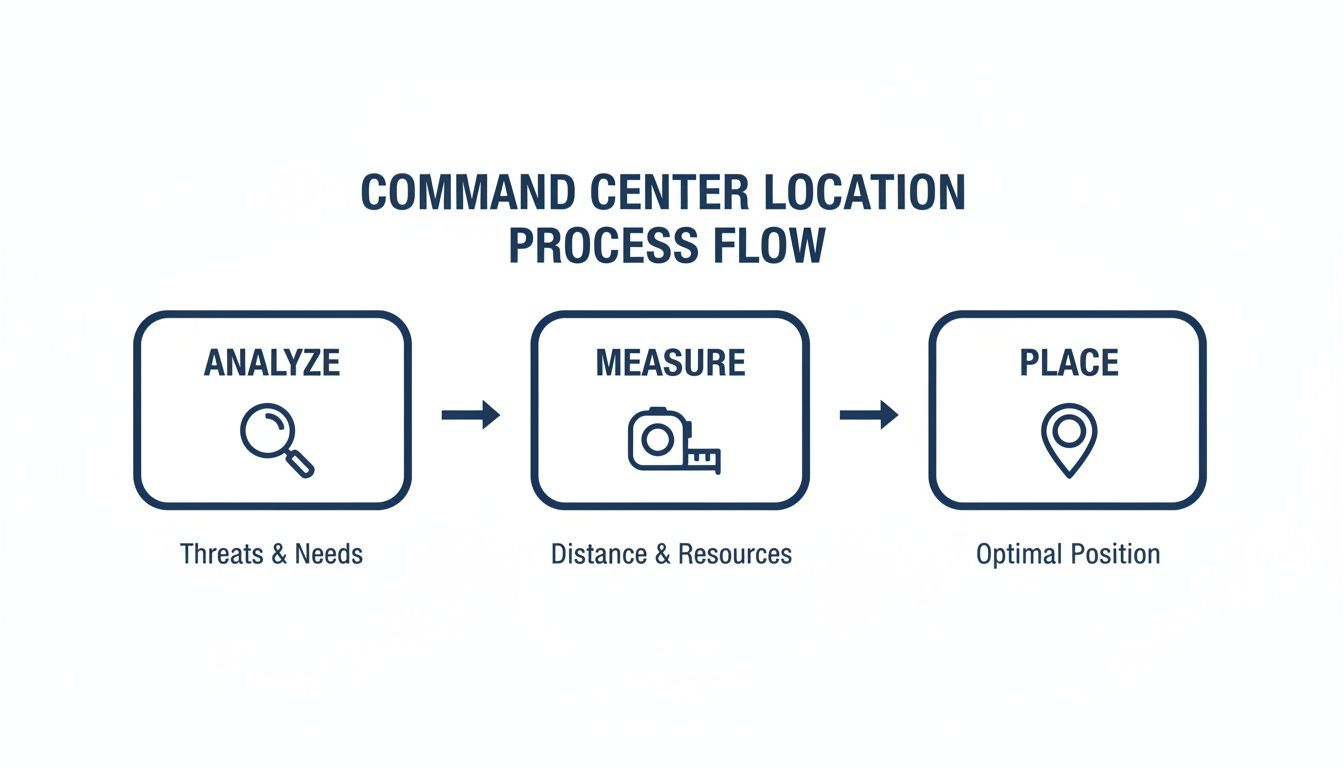
It’s a simple three-step method—Analyze, Measure, Place—that guarantees your command center is built on a practical foundation, perfectly fitting into your family’s daily rhythm.
The Scheduling Zone
This is the absolute heart of any command center. It's a non-negotiable. Its entire mission is to answer one question: "What's happening, and when?" Without a central calendar, you're just flying blind.
There are so many ways to tackle this, from high-tech to classic analog. A big, stylish acrylic calendar is a popular choice right now for its modern look and how easy it is to wipe clean. But for families who prefer a more hands-on approach, a classic dry-erase board with color-coded markers for each person is still a powerhouse tool.
The best calendar is the one your family actually uses consistently. Whether it's a sleek digital display or a simple paper planner, its value comes from daily engagement, not its price tag.
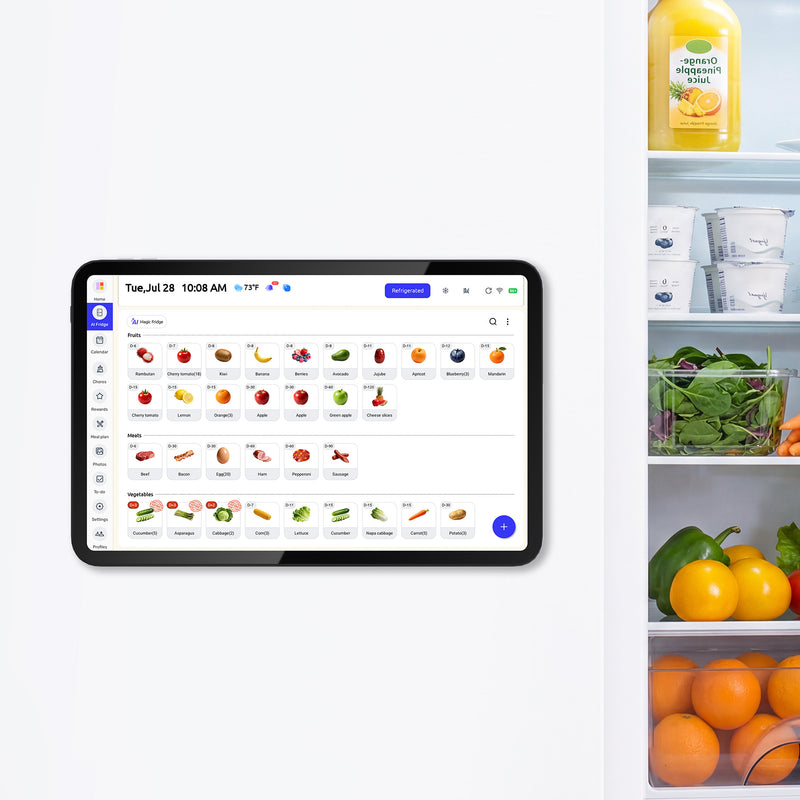
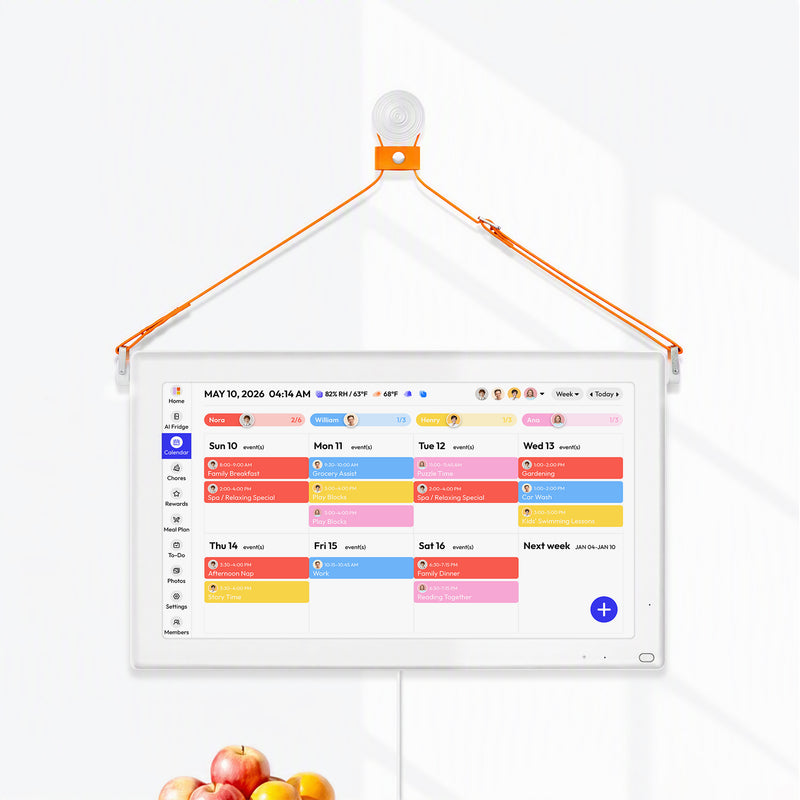
For the more digitally-inclined, a smart display like the Everblog is a game-changer, syncing everyone's calendars automatically. It kills double-bookings and makes sure everyone is looking at the most current information, all the time.
The Meal Management Zone
That daily "What's for dinner?" question can drain so much mental energy. A dedicated meal management zone puts an end to the last-minute scramble for good. This little area is all about planning ahead to save you time, money, and sanity.
Your meal zone should have a few key things:
- A Weekly Menu Board: A small chalkboard or dry-erase board is perfect for showing off the dinner plan for the week.
- A Grocery List: A tear-off notepad or a magnetic list on the fridge makes it ridiculously easy for anyone to add an item the moment it runs low.
- Recipe Storage: A simple pocket or clip can hold recipe cards or printouts for the week's meals.
This simple setup transforms meal prep from a dreaded daily chore into a streamlined, once-a-week task.
The Information Hub
Think of this zone as your family's central inbox and launchpad. It’s built to catch all the random papers and items that would otherwise take over your kitchen counters and entryway table. It’s the official spot for things coming into or going out of the house.
A few must-haves for an effective information hub:
- Mail Sorter: Simple "in" and "out" trays or labeled wall files can finally tame the paper monster.
- Key Hooks: Give every set of keys a permanent home. No more frantic morning key hunts.
- Bulletin Board: A cork or magnetic board is essential for those temporary-but-important papers like event flyers, permission slips, and birthday party invites.
This central hub concept isn't just a home hack; it mirrors professional command and control systems that coordinate complex operations. It’s been shown that organized families can save up to 15 hours a week on logistics—an efficiency boost similar to how these systems slash operational delays by 30% in critical industries. By pulling together a few simple tools, your family gains constant visibility and control over the day-to-day chaos.
Creating a Kid-Friendly and Engaging Space
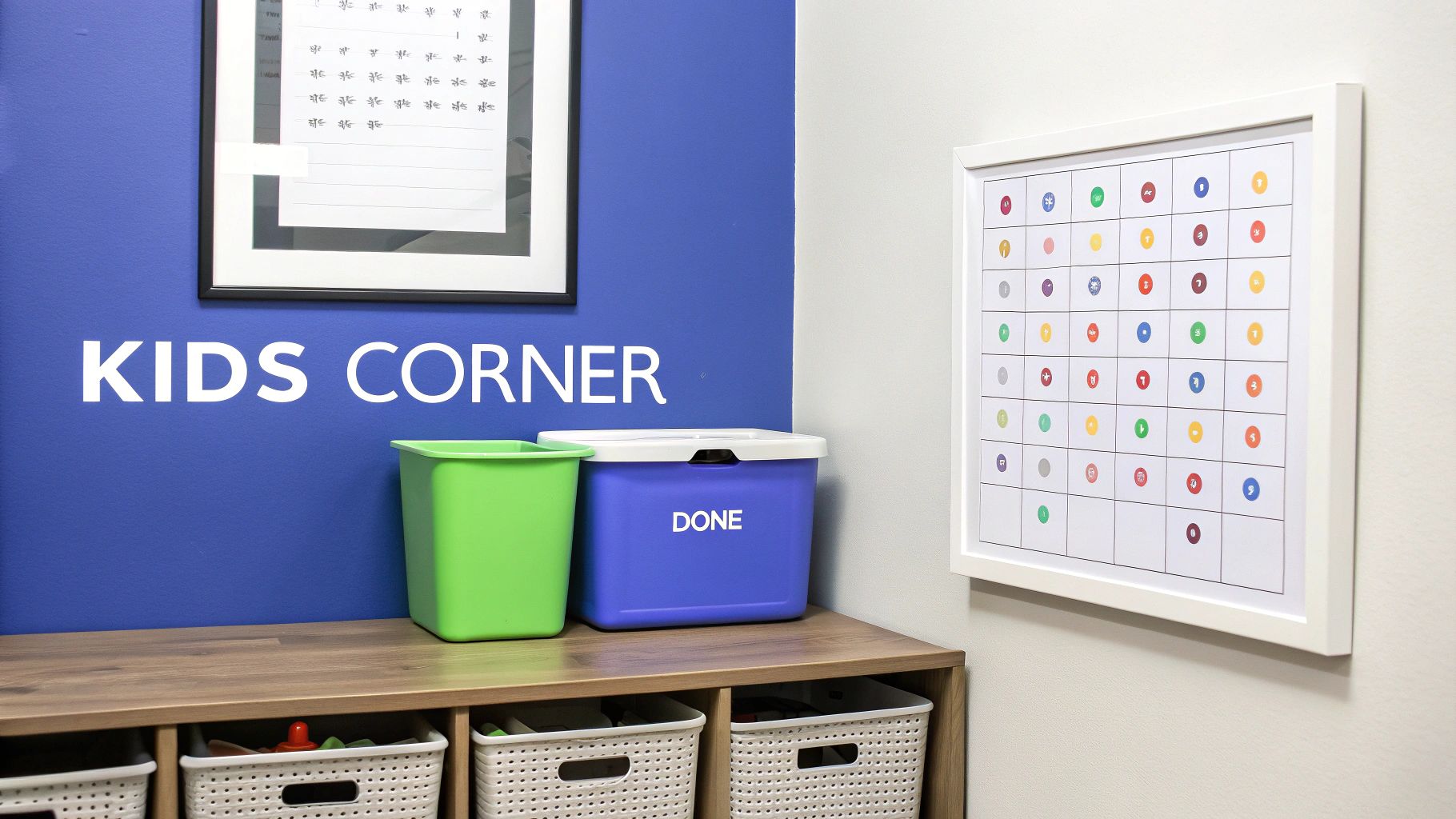
Let's be honest: a family command center is only as good as its weakest link. And if the kids aren't on board, the whole system can fall apart. The real magic happens when your command center transforms from "mom’s organization wall" into a genuine family hub that even the little ones are excited to use.
The secret is getting them invested from the very beginning. When kids feel a sense of ownership, they're far more likely to participate. Ask them what would make their mornings less chaotic or what color markers they want for their section. It’s a small step that gives them a real stake in making it work.
Designing Their Dedicated Zone
To make the space truly theirs, carve out a dedicated zone at their eye level. This isn't just about aesthetics; it's a practical move that empowers them to check schedules and manage their tasks without constantly yelling, "Mom, what do I do next?"
Here are a few things that work wonders in a kid-focused spot:
- Picture-Based Chore Charts: For pre-readers and visual learners, icons are everything. A picture of a dog food bowl is much clearer than the words "feed the dog."
- A "Done" Bin: There’s something incredibly satisfying about physically moving a task from the "to-do" list to the "done" pile. A simple box or basket where they can drop a token for a completed chore provides that tangible sense of accomplishment a checkmark just can't match.
- Weather and Clothing Guides: Help them build independence by setting up a visual weather station. A picture of a sun next to a t-shirt helps them connect the dots and learn to dress themselves for the day.
A kid-focused command center isn't just about managing tasks—it's a hands-on learning tool for developing crucial life skills like time management, responsibility, and planning.
This approach lightens your load while teaching them skills they'll use forever. If you need more inspiration, we have a whole guide filled with creative chore chart ideas for kids.
Giving children age-appropriate ways to interact with the command center is key to building their confidence and sense of responsibility. What works for a preschooler won't engage a tween, so it's important to tailor tasks and tools to their developmental stage.
Age-Appropriate Command Center Tasks
| Age Group | Kid-Friendly Tasks | Helpful Tools |
|---|---|---|
| Preschool (3-5) | Putting away toys, feeding a pet, matching socks, placing chore tokens in a "Done" box. | Picture-based charts, magnetic tiles, large colorful clips, sticker rewards. |
| Early Elementary (6-8) | Making their bed, setting the table, packing their own lunchbox, checking the daily schedule. | Dry-erase charts, checklist printables, simple digital reminders, pocket money trackers. |
| Upper Elementary (9-12) | Loading the dishwasher, helping with meal prep, managing homework deadlines, tracking their own activities. | Digital chore apps (like Everblog!), personal calendars, responsibility for a family pet. |
By scaffolding their responsibilities, you're not just getting help around the house; you're raising capable, independent people.
Fostering Emotional Well-Being
A great command center is about more than just logistics. It should also be a space that acknowledges and supports your child's emotional needs. After all, a calm and happy kid is much more likely to remember to pack their gym clothes.
Consider adding a "feelings chart" with different emoji faces where they can show you how they're feeling each day. It’s a simple, low-pressure way to open the door for important conversations. For kids who get easily overwhelmed, you might also find great ideas for incorporating dedicated calm down corners nearby.
These thoughtful additions send a powerful message: this hub is here to support the whole child, not just manage their to-do list.
Keeping Your Command Center Working for You
Getting your family command center built and looking beautiful is the fun part. The real challenge—and where the magic truly happens—is making it a lasting habit for the whole family. If it's not used consistently, a command center can quickly turn into just another pile of clutter, completely defeating its purpose.
The trick is to stop thinking of it as a one-and-done project. It's a living system, one that needs to evolve and adapt right along with your family’s schedules, seasons, and needs.
Implement a Simple Weekly Reset
One of the best things you can do for long-term success is what I call the "Sunday Reset." This is a quick, 15-minute routine, usually on Sunday evening, to get the command center and the family prepped for the week ahead. It’s not a deep clean; it’s a quick refresh.
Your Sunday Reset could look something like this:
- Clear the Clutter: Toss old permission slips, file away important papers, and sort through the inevitable mail pile.
- Update the Calendar: Erase last week’s events and add all the appointments, practices, and deadlines for the new week.
- Plan the Meals: Wipe the old menu clean, jot down dinners for the next seven days, and start your grocery list.
This simple habit makes sure the information on your board is always current and reliable. It’s kind of like how hospital command centers use real-time data to stay on top of everything. While they use complex systems to cut errors by 35%, a family’s weekly review can prevent scheduling disasters and trim overspending on duplicate groceries by about 20%. You can actually read about how data-driven hubs improve healthcare efficiency on futurewiseresearch.com.
A command center only works if your family trusts it. If they glance at it and see outdated info, they'll stop looking. A weekly reset builds confidence that the hub is always the single source of truth.
Troubleshooting Common Problems
So what happens when, despite your best efforts, nobody is using it? Don't worry, this is a common hurdle, and it’s almost always fixable. Before you get frustrated, get curious. It’s time to diagnose the problem.
Is the system too complicated? Maybe your teen would rather get a digital calendar alert than look at a physical board. For a deeper dive into this, check out how the Everblog calendar simplifies daily family scheduling.
Or maybe the kids keep "forgetting" their chores. Are the tasks clearly defined and age-appropriate? Sometimes a small tweak, like swapping a written list for a fun magnetic chart, can make all the difference.
The goal is to make using the command center easier than not using it.
Your Top Questions, Answered
When you're first diving into the world of family command centers, a few questions always come up. Let's tackle them head-on, so you can skip the guesswork and build a system that genuinely works for your family's unique rhythm.
Think of this as the practical, no-fluff advice you need to get started.
How Much Does a Family Command Center Really Cost?
Honestly, the cost can range from practically nothing to several hundred dollars. It all comes down to what you choose. You can pull together a super effective, budget-friendly setup using things you already have—an old corkboard, a few clipboards, and some free printable templates from online. That’s a fantastic way to start without a big investment.
On the other hand, if you're ready for something more polished, you might opt for a custom acrylic calendar, a smart display, or even built-in cabinetry for a completely seamless look.
My best advice? Start with the essentials that solve your biggest organizational headaches first. You can always add or upgrade pieces later as you learn what your family truly uses day-to-day.
What Are the 3 Absolute Must-Haves?
If all the ideas and options feel overwhelming, just breathe. You don't need to do it all at once. To get the biggest impact right away, focus on these three core items.
- A Big, Visible Family Calendar: This is the non-negotiable heart of your command center. It needs to be the one place everyone looks for appointments, practices, and events. One single source of truth.
- A Meal Planning Spot: Having the weekly menu and a running grocery list right where everyone can see it is a game-changer. This one simple thing can dramatically cut down on that "What's for dinner?" stress.
- An In/Out Box System: A simple set of trays or wall files for school papers, bills, and mail will instantly clear your countertops. No more losing permission slips or missing a bill.
Nailing these three solves the most common pain points and will immediately bring a sense of order and sanity back to your daily life.
How Do I Get My Family to Actually Use It?
This is the million-dollar question, and the answer is simple: involve them from the start. Engagement is everything. Don't just build it and expect them to use it.
Ask everyone—your partner, your kids—what their biggest organizational frustrations are. What drives them nuts? What do they think would help?
For your partner, you can frame it as a tool to reduce the mental load for both of you by making all the information visible and shared. For teens, lean into tech they already use, like syncing a shared Google Calendar with a central display.
The goal is to make it a collaborative tool that gives everyone more independence, not another chore being handed down. A quick, five-minute family huddle at the command center every Sunday evening is a great way to lock it in as a central part of your weekly routine.
Ready to create a truly seamless hub? The Everblog digital calendar brings your schedules, chores, and meal plans into one beautiful display, ending the chaos for good. Discover how Everblog can transform your family’s organization today.


