
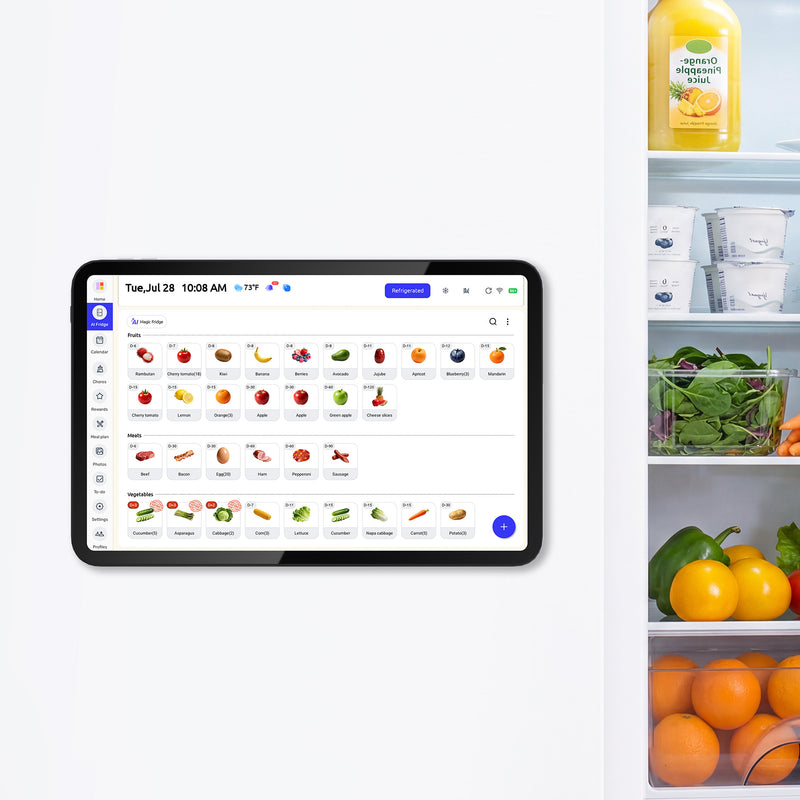



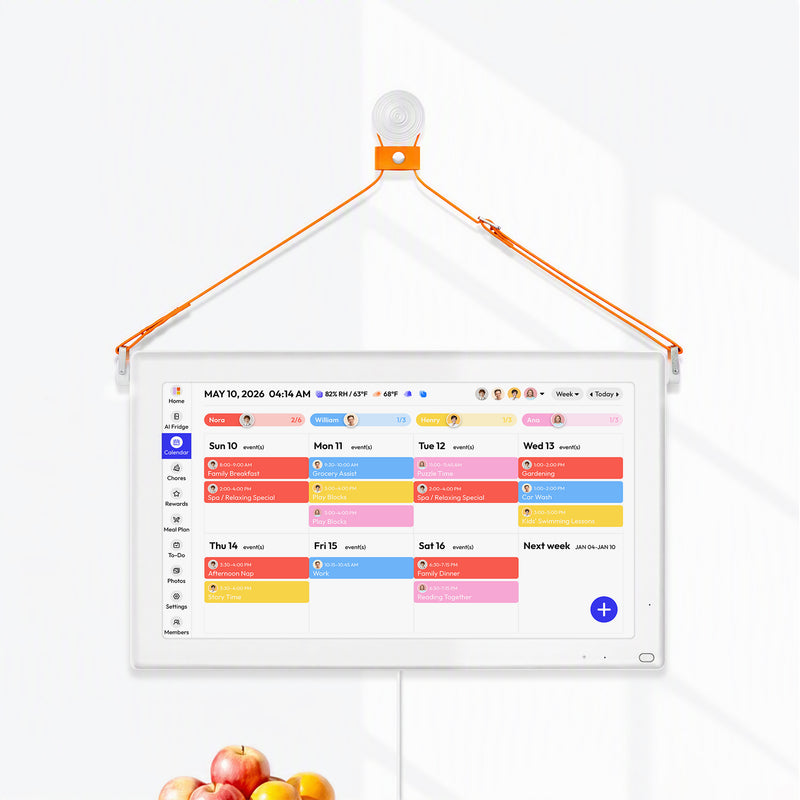



A successful stay at home mom daily schedule isn’t about a rigid, minute-by-minute plan. It’s about finding a flexible rhythm that cuts down on decision fatigue. The real goal is to build a supportive framework that works with your family’s natural energy, not against it, bringing a sense of calm and purpose to your day.
Building A Schedule That Actually Works For You
Before you start hunting for the perfect template, let’s get one thing straight. The best schedules aren't borrowed; they're built from the ground up to fit your family's unique personality and needs.
Trying to follow a strict plan is a recipe for frustration. A toddler skips a nap, a sick day throws a wrench in things, and suddenly the whole day feels like a failure. The secret is to focus on creating a predictable flow.

It’s all about moving from a chaotic, reactive mode to a calm, proactive one. You’re not trying to control every moment. You’re just creating reliable anchors throughout the day that you and your kids can count on.
To get started, let's look at the core components of a schedule that will actually stick.
Core Components Of A Flexible SAHM Schedule
| Component | Why It Matters | Example Action |
|---|---|---|
| Anchor Points | These are the non-negotiable parts of your day (e.g., meals, naps, school drop-off) that ground your schedule. | Set consistent times for breakfast, lunch, and dinner to create a predictable daily structure. |
| Energy Mapping | Planning activities based on when you and your kids have the most (and least) energy prevents burnout. | Schedule active, messy play in the morning when kids are energetic, and quiet time for the afternoon lull. |
| Built-in Buffers | Leaving white space between activities allows for spontaneity and prevents one delay from derailing the entire day. | Instead of scheduling back-to-back, leave a 15–30 minute buffer for transitions like getting shoes on. |
| Self-Care Slots | Intentionally scheduling small breaks for yourself is essential for maintaining your sanity and patience. | Plan for 15 minutes of quiet time with coffee after the kids are down for a nap or in their rooms. |
By weaving these elements together, you're not just making a to-do list; you're designing a day that supports everyone's well-being.
Identify Your Family's Natural Rhythms
The first step is simply to observe. When is your toddler a ball of energy? When do you feel most motivated to tackle the laundry pile? Figuring out these natural patterns is how you build a schedule that feels easy, not like you're constantly swimming upstream.
You might notice your preschooler is most creative and focused mid-morning, which is the perfect time for crafts or learning games. Maybe your own energy tanks around 3 PM—that’s your cue to institute "quiet time" for the kids while you recharge with a cup of tea.
A schedule's true purpose is to serve your family, not the other way around. Flexibility isn't a sign of failure; it’s the key to sustainability and a happier home environment.
Setting Realistic Expectations
The foundation of any good stay-at-home mom schedule is realism. It's so easy to draft an ambitious plan packed with educational activities, gourmet meals, and a spotless home, but that’s a fast track to burnout.
Real success is found in balancing productivity with connection and rest. Whether you’re organizing a full day at home or managing shared care, understanding comprehensive parenting time schedules is key to creating a routine that works for everyone. A great schedule always has breathing room built in for the messes, meltdowns, and magical moments that define motherhood.
Using Time Blocks To Bring Order To Your Day
Once you have a feel for your family’s natural rhythm, you can start giving your day a more intentional shape. One of the best ways I’ve found to do this is with time blocking. This isn't about micromanaging every single minute; it's about grouping similar tasks into dedicated chunks of time.
Instead of staring at a chaotic to-do list, your day suddenly has a series of focused blocks. It gives your day a predictable flow that you can always return to, even after that inevitable toddler meltdown or unexpected phone call throws you off.
Let's be real—the work of a stay-at-home mom is relentless. In fact, one study found that SAHMs often work the equivalent of 2.5 full-time jobs, logging nearly 14-hour days. You can read more about it in the Welch's study analysis. Time blocking is how you wrangle that incredible workload. It creates designated periods for different activities, which seriously cuts down on mental clutter and decision fatigue.
Creating Your Core Time Blocks
The trick is to think of your day in themes, not just a list of tasks. This approach keeps things flexible while still giving you that much-needed structure.
Here are a few common time blocks you can make your own:
- Morning Connection (7 AM - 9 AM): This is all about starting the day on a calm note. Think breakfast, getting dressed, a quick 5-minute tidy, and some quality connection time with the kids before the day really gets going.
- Active/Learning Time (9 AM - 11 AM): This is your window for high-energy stuff when everyone's minds are fresh. It could be a trip to the park, a messy craft project at the kitchen table, or story time at the local library.
- Lunch & Wind-Down (11 AM - 1 PM): A natural transition from active play to quiet time. This block covers making and eating lunch together, followed by a calming activity like reading a few books before naps.
- Quiet/Nap Time (1 PM - 3 PM): This is a sacred block—for them and for you. While the little ones rest, this is your time to tackle focused chores, work on a personal project, or just sit down and recharge.
By giving each part of your day a theme, you create a mental roadmap. When an interruption happens, you know exactly which "block" to return to, keeping the entire day from feeling like a total loss.
For instance, one day you might use "Quiet/Nap Time" to deep-clean the bathroom. The next, you might use that same block to catch up on emails or just drink a cup of coffee in peace. The labels are flexible; it's the structure that brings the calm.
Putting Time Blocking Into Practice
The real magic of time blocking is how adaptable it is. Start by sketching out your ideal day using these blocks. Then, you can map it out on a visual planner.
Having a shared family hub helps everyone see the day's flow at a glance, which means fewer questions and less confusion. If you want to dive deeper into this, check out our guide on why every mom needs a digital calendar. It's a simple shift that can turn a chaotic schedule into a manageable rhythm for the whole family.
Finding The Right Schedule For Your Family's Season
Every stage of motherhood moves to a different beat. A schedule that felt like a lifesaver with a newborn will feel completely out of sync once you have a toddler running around. The real goal is to find a framework that fits your family's current season of life—one that adds structure without feeling like a straitjacket.
The sample schedules below are just starting points, not rigid rules you have to follow. Think of them more like blueprints you can borrow from. Take what works, adjust the timing, and build a stay at home mom daily schedule that genuinely helps your days flow better.
This visual timeline gives you a bird's-eye view of how a day can be broken down into core blocks, helping you see the natural rhythm from morning hustle to evening wind-down.

Having anchor points in your day—like dedicated playtime and a consistent quiet hour—creates a predictable and comforting rhythm for kids and helps you keep your sanity.
Sample Schedule With An Infant
Life with a new baby revolves almost entirely around their needs: feeding, sleeping, and connection. This schedule is less about watching the clock and more about following your baby’s cues within a flexible routine.
- 7:00 AM: Wake, feed, and change. This is the perfect time for quiet snuggles and soft coos to start the day.
- 8:30 AM: First nap. While the baby sleeps, you might actually get to take a quick shower, start a load of laundry, or enjoy a coffee while it's still hot.
- 10:00 AM: Wake and feed, then some gentle playtime on a play mat for tummy time.
- 12:00 PM: Second nap. Use this precious time to eat your own lunch and tackle one quick household task.
- 2:00 PM: Wake, feed, and do something a little more interactive, like reading a board book or going for a stroller walk to get some fresh air.
- 4:30 PM: Catnap time. This short snooze is a lifesaver, bridging the gap to bedtime and preventing an overtired meltdown.
- 6:30 PM: Kick off the bedtime routine with a warm bath, a final feeding, and some lullabies.
The infant stage is all about being responsive. Let go of a strict timeline and focus on creating a predictable sequence of eat-play-sleep. This builds a sense of security for your baby and sanity for you.
Taming The Toddler Tornado: A Sample Schedule
Toddlers are just bundles of pure energy and endless curiosity. A good schedule for this age balances activities that burn off that energy with essential downtime to prevent meltdowns. It's also a great time to introduce tiny responsibilities.
- 7:30 AM: Wake up, breakfast, and get dressed. Give your toddler a little independence by letting them pick their own shirt.
- 9:00 AM: "Go Time." This is your block for getting out of the house—hit the park, go to library story time, or meet up for a playdate.
- 11:30 AM: Lunch, followed by a quick "toy tidy-up" where they help put things back where they belong.
- 1:00 PM: Nap or Quiet Time. Even if they've given up naps, an hour of looking at books in their room is a vital reset for everyone.
- 3:00 PM: Creative or Sensory Play. Break out the play-doh, washable paints, or a sensory bin for some focused, hands-on fun at home.
- 5:00 PM: Let them "help" with dinner prep (washing veggies, stirring with a spoon) before a little bit of screen time.
- 7:00 PM: The final stretch: bath, stories, and the bedtime routine.
This hands-on parenting is no joke. Research shows stay-at-home moms average 18 hours per week on child-care activities alone—that's seven more than working moms. For single SAHMs with three or more kids, that number jumps to 20 hours.
The Multi-Kid Juggle: A Combined Schedule
When you're managing kids of different ages, you basically become a master of multitasking and strategic planning. The goal is to sync up schedules where you can (like mealtimes) and carve out little pockets of one-on-one time for each kid.
A shared visual calendar isn't just nice to have—it's non-negotiable. It keeps everyone on the same page. For a closer look at this, check out our complete guide to co-parenting calendars.
Weaving Chores And Meals Into Your Daily Flow
Let’s be honest: the endless loop of cooking, cleaning, and tidying up can completely derail an otherwise perfect stay-at-home mom schedule. The secret isn't to treat these tasks as annoying interruptions, but to actually build them into the rhythm of your day.
When you weave household tasks into your existing time blocks, they stop feeling like a constant battle. For example, you could use your toddler's "Quiet Time" block to chop veggies for dinner. Or, while the kids are getting their 20 minutes of screen time before bed, you can do a quick kitchen 'closing shift'—wiping counters and loading the dishwasher so you wake up to a fresh start.
Making Meal Planning Work For You
The mental drain of figuring out "what's for dinner?" every single night is real. This is where a simple, no-fuss approach to meal planning isn't just helpful—it's a total game-changer for your sanity.
Learning how to plan weekly meals is a skill that pays you back tenfold. By setting aside just one hour a week for it, you can eliminate a huge source of daily decision fatigue. It sounds simple, but it works.
Here are a couple of my favorite strategies:
- Theme Nights: This is a classic for a reason. Assigning a theme to each night (like Meatless Monday, Taco Tuesday, or Pasta Thursday) makes planning so much faster because it narrows down the universe of options.
- Batch Cooking: Spend a little time on Sunday cooking up foundational ingredients. Think ground beef, shredded chicken, or a big pot of quinoa. It makes throwing together quick meals during a busy week incredibly easy.
Getting The Kids Involved In Chores
Bringing chores into the daily mix isn't just about lightening your own load (though that’s a definite perk!). It’s about teaching your kids responsibility and how to work together as a team. The trick is to make tasks age-appropriate and just a normal part of the routine, not a punishment.
Even a toddler can help put their own toys in a basket or wipe up a small spill with a cloth. For older kids, having clear expectations is everything. You can find some fantastic systems and printables in our guide to chore chart ideas for kids. This helps turn "helping out" into a predictable and even rewarding part of the family’s daily life.
A 15-minute "family tidy-up" before dinner can be surprisingly powerful. Just turn on some fun music and have everyone pitch in to reset the main living areas. It keeps the mess from getting out of control and shows kids that everyone is responsible for the home.
The reality is that running a household is a massive, often invisible, part of the job. As more mothers choose this path—with some estimates suggesting nearly 25% of U.S. moms will be stay-at-home by 2025—finding systems that actually work is critical. One analysis even tallied up the hours, estimating that moms spend over 48 hours a year on meal planning alone, and that doesn't even count the shopping or cooking. By integrating these tasks right into your daily schedule, you start to reclaim that time and energy for yourself.
Making Time For Yourself Without The Guilt
Let's be honest: finding a moment for yourself when you're a stay-at-home mom can feel totally impossible. It’s so easy to let your own needs slide to the very bottom of a massive to-do list when you're juggling everyone else's. But self-care isn't some luxury you earn—it’s the one thing that keeps you from burning out.
The trick isn’t to magically find a two-hour block of free time. It’s about spotting and claiming those small, quiet pockets that are already hiding in your day. This all starts with a mindset shift: you have to stop seeing these moments as selfish and start seeing them as essential.

It really boils down to letting go of the guilt. Taking 15 minutes to recharge doesn't make you a bad mom. In fact, it does the opposite. It refills your cup so you have more patience and energy for the people who need you most.
Practical Ways To Weave Self-Care Into Your Schedule
You don’t need to blow up your entire routine to fit in some "me time." All it takes is a little creativity to make the most of the little gaps you already have.
Here are a few real-world ideas you can try this week:
- The 15-Minute Morning. Try waking up just 15 minutes before the kids do. Use that precious quiet to sip your coffee while it's still hot, do a few stretches, or just sit and breathe. It sets a calm, proactive tone for the whole day.
- The Naptime Reset. I know the temptation—the second the baby is asleep, you want to fly around the house cleaning everything. Resist it. For the first 20 minutes of naptime, do something just for you. Read a book, listen to a podcast, or mess around with a hobby. The laundry can wait.
- The Strategic Screen Time Break. Use screen time to your advantage. When the kids are watching their favorite show, don't just scroll on your phone. Pop in your earbuds for a quick workout video or call a friend you haven't talked to in ages.
Self-care isn't always a bubble bath or a spa day. It's about finding micro-doses of peace throughout your day. A five-minute walk around the block to get some fresh air can be just as restorative as an hour of alone time.
Schedule It To Make It Real
If it's not on the schedule, it's not happening. The single best way to make sure you get a break is to write it down and treat it like any other important appointment.
Maybe it's a weekly "Mom's Hour Off" on the family calendar, where your partner takes over completely so you can actually leave the house. Or it could be something as simple as a daily, non-negotiable "quiet reading time" for everyone after lunch.
When you make it an official part of the stay at home mom daily schedule, you're telling yourself—and your family—that your well-being matters.
Got Questions? We’ve Got Answers.
Even with the perfect template, real life happens. Crafting a daily schedule that actually works is a deeply personal process, and it’s completely normal to wonder how to handle the curveballs motherhood loves to throw.
Let's dive into some of the most common questions moms have when they’re trying to bring a little more rhythm and a lot less chaos to their days. This is where a good plan becomes a great one—by learning to adapt with grace.
How Do I Stick To A Schedule When Kids Are Sick?
The second you hear that dreaded cough or feel a warm forehead, the schedule's goal shifts instantly. Forget productivity. It’s all about comfort and care now.
This is your permission slip to throw the routine out the window and switch to "sick day mode."
Pare everything down to the absolute essentials: medicine timers, pushing fluids, and endless snuggles. The laundry pile can wait. Structured learning activities? Not today. Your "Outdoor Adventure" time block just became "Couch Cuddles and a Movie Marathon."
The most important thing is giving yourself permission to press pause. On sick days, a rigid schedule is just another source of stress. A flexible one is a comforting rhythm you can all return to once everyone’s feeling better.
What Is The Best Way To Manage A Schedule With Multiple Kids?
Ah, the multi-kid juggle. This is a true art form, but there's a secret to making it work: anchor your day around the child with the most fixed needs. Nine times out of ten, that’s your youngest.
Use their non-negotiable nap and feeding times as the cornerstones of your day. Everything else gets layered on top. For example, when the baby goes down for a nap, that’s your golden window for some focused one-on-one time with your preschooler—break out the Play-Doh or a puzzle you can do together.
Look for simple ways to sync everyone up, even for a few minutes:
- Shared Snack Time: A mid-afternoon snack can bring everyone to the table at the same time for a quick reset.
- Team Tidy-Up: Set a timer for 10 minutes before dinner and have everyone pitch in. It’s amazing what you can get done.
- Combined Bedtime Routine: You can read a story together as a group before staggering individual bedtimes.
A visual family calendar is a game-changer here. It helps everyone see the plan and feel like they’re part of the team.
How Can We Sync Routines If My Partner's Schedule Is Inconsistent?
When your partner has an unpredictable schedule, a fixed daily plan can feel completely pointless. The key here isn't a rigid schedule, but a flexible rhythm built on two things: consistent communication and a shared digital calendar.
At the start of each week, sit down for a quick five-minute huddle. Map out their known work hours, appointments, or late nights. This lets you see the pockets of time where you'll have backup, so you can plan your own appointments, errands, or much-needed breaks. You're shifting your focus from a daily plan that's bound to break to a weekly flow you can both count on.
Trying to pull all these moving parts together is exactly why we built Everblog. Instead of wrestling with apps, paper lists, and mental notes, you can see everyone's schedules, chores, and meal plans in one central, at-a-glance hub. See how Everblog can bring calm and clarity to your family's daily rhythm.


