






Getting a nutritious dinner on the table every night feels like a secondary job, especially when family members walk into the kitchen at 5:00 PM asking what is for dinner. Managing different tastes and nutritional needs often leads to last-minute takeout or processed convenience foods. Placing a fridge calendar right in the center of your kitchen changes this dynamic immediately. When healthy meals are visible to everyone, eating well becomes an automatic, shared family habit rather than a daily cooking struggle.
Why Feeding a Family Well Is Harder Than It Looks
A busy kitchen often becomes a chaotic space where good nutritional intentions clash with daily time constraints.
Every Person Has Different Nutritional Needs
Growing kids require iron and healthy fats for brain development, while adults often focus on lean proteins and weight management. Managing these varied requirements in a single meal without cooking separate dishes takes intentional planning
The Gap Between Knowing What's Healthy and Actually Cooking It
Most parents know that a plate should be half covered in vegetables and balanced with whole grains. However, when you are tired after work, that knowledge loses the battle against the convenience of a frozen pizza.
Disorganized Kitchens Lead to Nutritionally Empty Meals
When you cannot see what ingredients you have, fresh produce hidden in the bottom crisper drawer spoils silently. You end up relying on shelf-stable, processed pantry items simply because they are visible and easy to grab.
The Link Between Meal Visibility and Healthier Eating Choices
Your environment shapes your eating habits far more than your willpower does. By putting your weekly food plan in a high-traffic area, you naturally steer your family toward better choices.
What Behavioral Research Says About Food Cues at Home
Families eat what they see first, meaning visual cues dictate daily snack and meal choices. If a clear menu plan is the first thing your family notices upon entering the kitchen, their minds prepare for that specific meal.
Seeing the Meal Plan Changes What Families Actually Eat
When kids and spouses see a structured meal plan on the wall, it eliminates the constant question of what is available to eat. It builds mental anticipation for home-cooked food, which reduces requests for fast-food stops on the way home.
A Fridge Calendar Keeps Nutrition in Sight – Literally
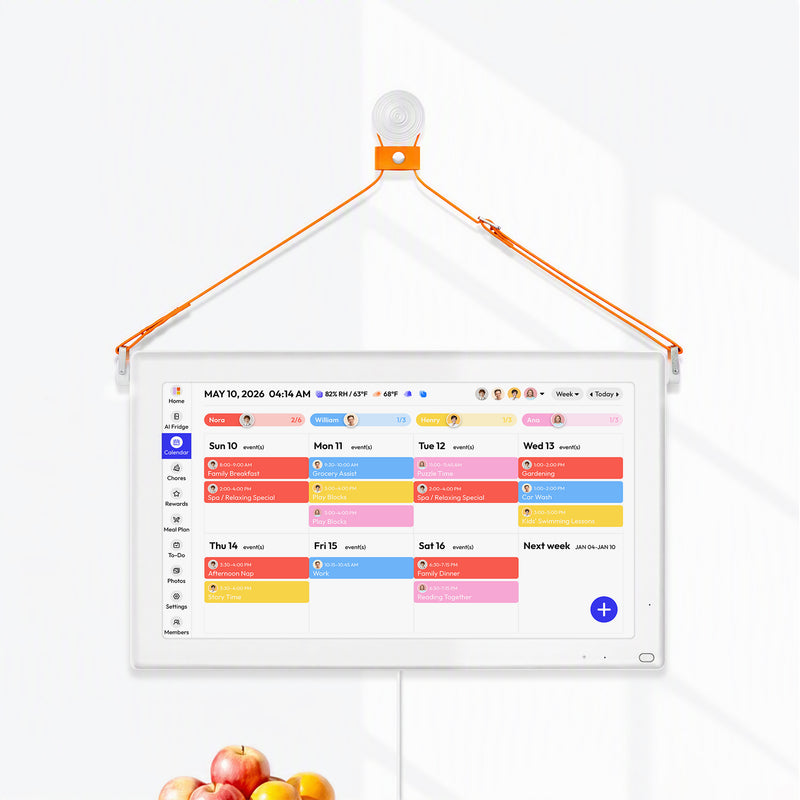
A magnetic meal planning calendar transforms your refrigerator door into the central communication hub of the home. It takes the invisible mental load of nutrition out of Mom's head and displays it clearly for the entire household to see.
Setting Up a Nutritionally Balanced Weekly Meal Plan on Your Fridge Calendar

A successful meal plan balances different food groups while staying simple enough to execute on a chaotic Tuesday night. Organizing your week visually helps you spot nutritional gaps before they happen.
|
Planning Component |
Strategic Goal for the Week |
Family Benefit |
|
Protein Rotation |
Alternate chicken, beef, fish, and plant-based proteins. |
Prevents meal fatigue and ensures diverse amino acids. |
|
Vegetable Targets |
Assign a specific green or colorful veggie to every dinner. |
Meets daily fiber and micronutrient goals easily. |
|
Grain Selection |
Switch from white rice and pasta to quinoa, oats, or brown rice. |
Provides sustained energy throughout the school day. |
Mapping Protein, Vegetables, and Whole Grains Across the Week
Start by writing down your main protein source for each day directly onto the grid, then build around it. Add one or two colorful vegetable sides to every dinner slot to ensure the family meets their fiber goals.
Planning for Different Needs – Kids, Adults, and Picky Eaters
Use a smart calendar setup to list base meals that everyone eats, like taco night, while noting simple modifications on the side. Adults can turn tacos into a salad bowl, while picky kids can keep the ingredients separated on a divided plate.
Building in Flexibility Without Losing the Nutritional Structure
Never fill out every single square with a complex, multi-step recipe that requires hours of prep work. Mark Thursday nights as "Leftover Buffet" or "Kitchen Clean-out" to give yourself a break while reducing household food waste.
Using the Fridge Manager to Avoid Gaps in Key Ingredients
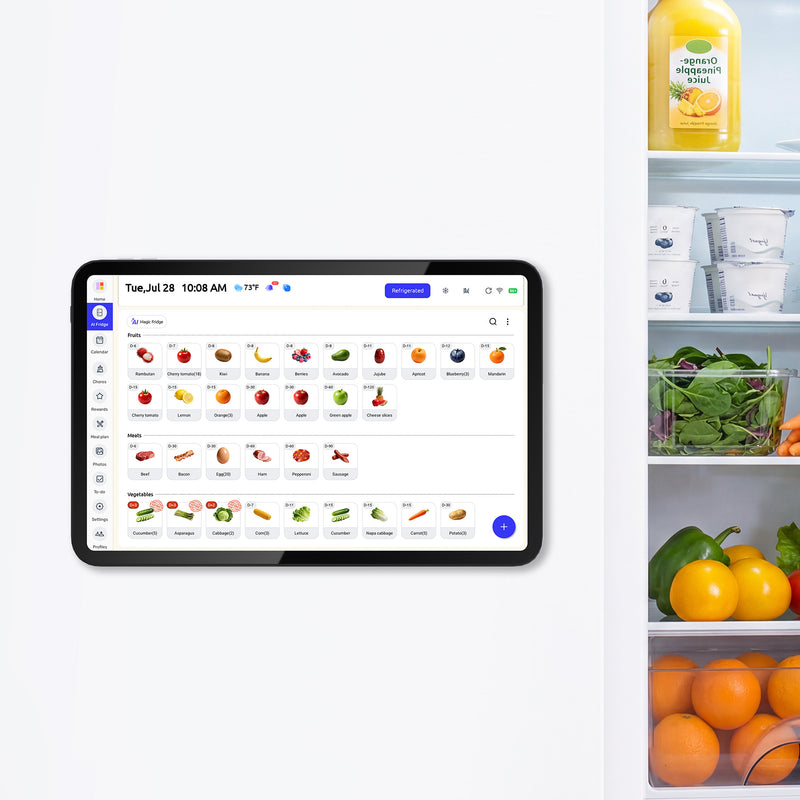
A quick glance at the physical schedule lets you know exactly which fresh ingredients you need to use first. You can cross off meals as you cook them, keeping everyone updated on what fresh proteins are left in the fridge.
How Families Use Their Fridge Calendar to Handle Special Dietary Needs
Managing food allergies, health changes, or selective eating phases can overwhelm a home cook if the routine is not organized. Keeping these variations visible prevents accidental cross-contamination and cooking mistakes.
Planning Around Family Member with Dietary Restrictions
When dealing with a gluten or dairy intolerance, use the notes section of your family nutrition planner to list safe substitutes. This allows older kids or your spouse to help cook without constantly asking which ingredients are safe to use.
Navigating Illness-Related Dietary Changes Without Disrupting Everyone Else
If a family member needs low-sodium dishes or soft foods temporarily, note the modifications clearly next to the main menu. You can cook the base meal for everyone and pull out a portion to modify before adding spices or salt.
Supporting Kids Through Picky Phases While Keeping Nutrition on Track
Let children use a dry-erase marker to check off the healthy meals they tried throughout the week. Giving them a sense of control over the schedule reduces dinner-table power struggles and encourages them to try new vegetables.
From Meal Plan to Grocery List: How to Close the Loop on Family Nutrition
A healthy meal plan is only as good as the ingredients waiting in your pantry and refrigerator. Connecting your visual schedule directly to your shopping habits keeps your kitchen stocked with nutritious options.
- Audit your pantry every Sunday before writing the new weekly menu to use up items you already own.
- Write your grocery list in exact chronological order based on how your local supermarket is laid out.
- Sync your kitchen schedule with a digital family calendar so your spouse can grab missing ingredients on the way home.
- Prep fresh vegetables immediately after shopping so they are ready to cook when the calendar demands them.
Why Nutrition Planning Falls Apart at the Shopping Stage
Many healthy eating initiatives fail because parents buy random healthy ingredients without a clear plan for how to use them. Unplanned vegetables quickly rot in the crisper drawer, leading back to processed box meals.
Fridge Calendar Connects What You Eat to What You Buy
When your shopping list mirrors the specific days on your healthy meal prep tracker, you buy only what you need. This direct connection saves money at checkout and guarantees you have the exact ingredients required for Tuesday's dinner.
Tracking What's Running Low Before It Affects Your Meal Plan
Keep a running list right next to your weekly grid so family members can jot down items the moment they empty a container. This prevents the frustration of starting a healthy recipe only to find out someone used the last tablespoon of olive oil.
Use the Everblog FridgeCal™ Calendar to Simplify Family Nutrition
Building healthy eating habits does not require gourmet cooking skills or hours of daily kitchen prep work. It simply requires making your nutritional goals visible, organized, and accessible to every member of the household. Moving your food plan out of your head and onto the refrigerator door creates shared accountability and less daily stress for Mom. The Everblog FridgeCal™ Calendar serves as the perfect digital planner for families looking to simplify their dinner routines. Update your kitchen hub today to make wholesome, stress-free family dinners a natural part of your daily life.
FAQs About Fridge Calendars for Family Nutrition
Q1: How do you meal plan for a family with different dietary needs?
Focus on cooking versatile base meals where proteins, grains, and vegetables are prepared separately rather than mixed together. Displaying this base menu clearly on a large screen like the Everblog FridgeCal™ Calendar allows everyone to customize their own plates with safe toppings or substitutes without messing up the main schedule.
Q2: What should I store in my fridge for quick, easy, healthy meals?
Keep pre-washed leafy greens, pre-chopped vegetables, eggs, plain Greek yogurt, and pre-cooked lean proteins like chicken breast on hand. Storing these items at eye level ensures family members grab nutritious whole foods when opening the refrigerator door for a quick snack.
Q3: How many vegetables should kids eat each day?
Toddlers need about 1 cup of vegetables daily, while older children and teenagers require 1.5 to 3 cups per day. Tracking vegetable sides on your weekly kitchen schedule helps ensure your kids meet these nutritional guidelines consistently.
Q4: What is the easiest way to eat healthy as a busy family?
The easiest way is to dedicate one afternoon hour to prepping ingredients for the upcoming week's menu. Listing these prepped meals on an easy-to-read smart calendar right on the fridge means anyone who arrives home first can start cooking without confusion.
Q5: How do you stop your family from eating unhealthy?
Replace processed snacks with visible, easy-to-grab whole foods like cut fruit, baby carrots, and string cheese on the middle refrigerator shelves. When you display your wholesome dinner plan on the refrigerator door, it sets a clear expectation for the upcoming meal.


