




Weekly meal planning works better when meals, grocery notes, schedules, and cleanup expectations live in one shared place. A visible hub turns dinner from one person’s mental load into a routine the whole household can follow.
Does dinner planning keep breaking down somewhere between school pickup, the late meeting, and the empty fridge? Families usually do better when they start small, and even three shared meals a week is linked with better nutrition and well-being for kids. You can set up a simple system for the next seven days without redesigning your whole home.
Why Weekly Meal Planning Still Feels Chaotic
The problem is usually hidden work
Most families are not failing at dinner. The invisible labor of family dinner piles up all day through small decisions about timing, preferences, ingredients, budget, leftovers, and cleanup.
That is why dinner can feel stressful even when you already “have a plan.” If the menu is on a sticky note, the grocery list is on a cell phone, and the pickup schedule is in someone’s head, the handoffs keep breaking.
Shared meals are worth protecting
Regular shared family meals are associated with better fruit and vegetable intake, better mental health, and stronger eating habits for children and teens. A shared meal still counts when only one parent or caregiver is at the table, which makes the goal more realistic for busy homes.
For many households, time is the main barrier to regular family meals. A planning hub helps because it reduces last-minute decisions, shows what the evening really looks like, and makes simple meals easier to repeat.
What to Put in One Shared Planning Hub
Keep the menu and schedule together
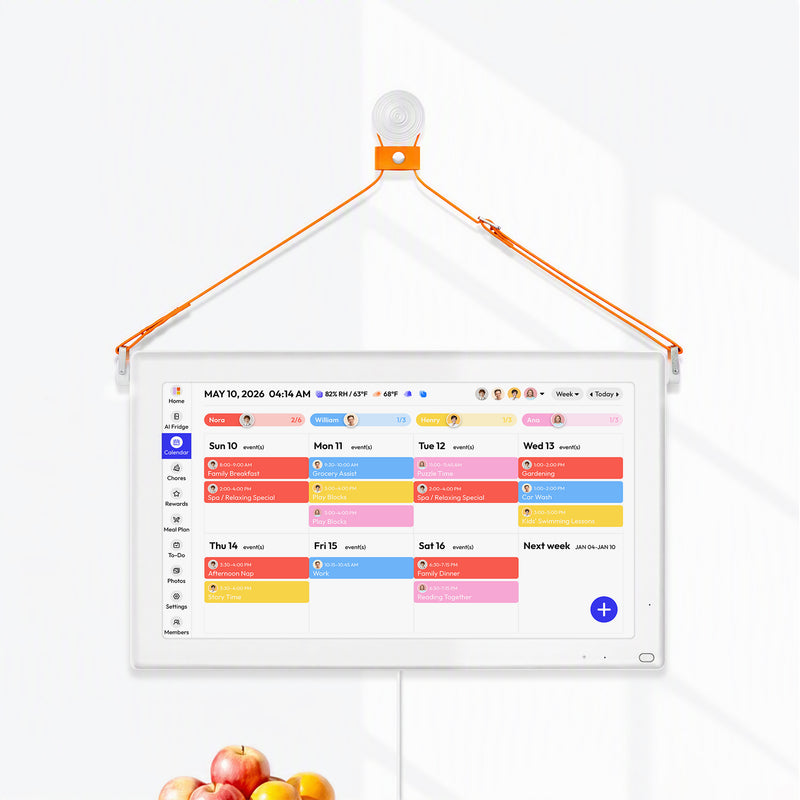
A shared planning hub works best when meals sit next to the family calendar, reminders, and chore information. When practice, work, and dinner are in the same view, you stop planning for an imaginary week and start planning for the one you actually have.
A good weekly meal view does not need a lot of detail. Each day usually needs only the meal name, the cook if that changes, and one prep note such as “thaw chicken” or “leftovers after late practice.”
Put grocery notes beside the plan
A shared family dashboard is most useful when the grocery list updates from the meal plan instead of being rebuilt from scratch. That keeps shopping tied to the actual week, not to whatever someone happens to remember in the store.
This is where short notes matter. “Pasta” is helpful, but “pasta, jar sauce in pantry, buy salad kit” is much easier for another adult or older kid to act on without asking questions.
Make the hub easy to see
A central place to check information cuts down on repeated questions because everyone knows where to look first. For many families, that means a kitchen wall, mudroom, garage entry, or hallway that gets used several times a day.
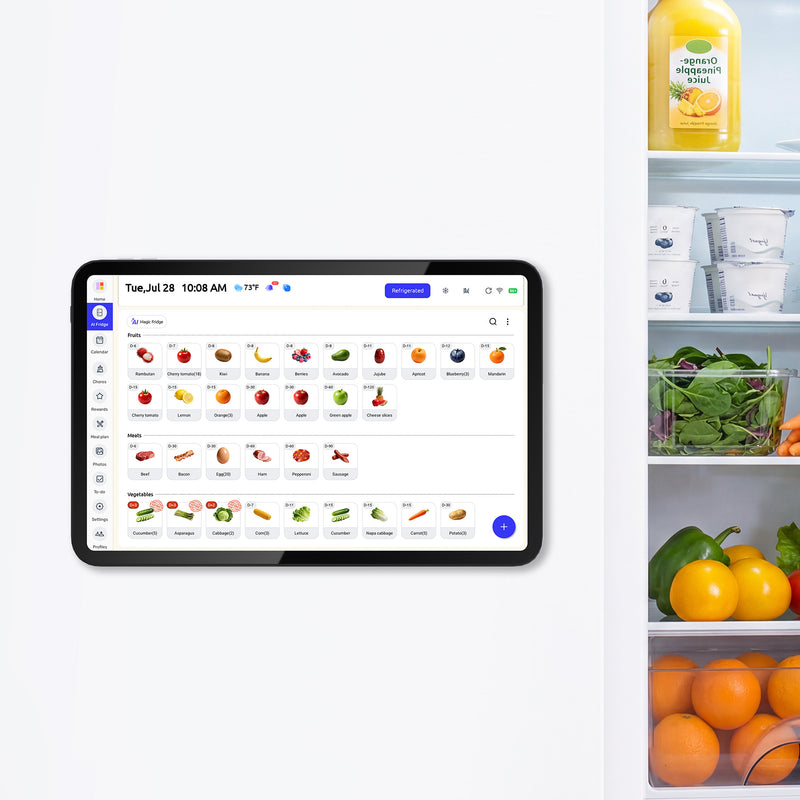
You do not have to force every paper and reminder into one perfect corner. Some homes do better with one main meal-and-calendar zone and a second small spot for school papers or mail, while others use a wall-mounted shared display such as the Everblog digital calendar to keep meals, events, and chores in one visible place.
Build a Weekly Rhythm That People Can Keep
Hold one short planning session
A weekly meal plan created on weekends works because it gives the week a clear starting point. Spend 10 to 15 minutes on Saturday or Sunday looking at the next seven days, choosing meals, and writing quick prep reminders such as “crock pot on at 11:00 AM” or “use leftovers Thursday.”

Keep that session plain. Check the calendar first, then pick meals that match the busy nights, then write the grocery list.
Start smaller than your ideal week
Shared meals do not have to be complicated, and they do not need to happen every night to matter. If your house is in a rough season, start with one or two planned shared dinners and build from there.
That small start matters because early success keeps the system alive. A simple taco night that happens is more useful than a detailed seven-day plan nobody follows.
Build in rescue options
Simple shortcuts for busy nights include bagged salad greens, frozen vegetables, rotisserie chicken, slow cookers, and air fryers. These are not “cheats.” They are how a real weekly system survives late meetings, traffic, and tired parents.
Try keeping one flex night every week. That can be leftovers, breakfast-for-dinner, soup and grilled cheese, or a pantry meal that needs almost no prep.
Share the Work, Not Just the Menu
Assign jobs that are easy to see
The mental load around family dinner gets lighter when jobs are named clearly. Instead of “help with dinner,” assign one person to shop, one to cook, one to pack leftovers, or one to clean up.
This works even when one adult still carries more of the cooking. The goal is not perfect fairness every night. The goal is fewer hidden tasks and fewer missed handoffs.
Make cleanup part of the plan
In one family command center routine, each person clears their own place after a meal while a parent still helps direct or finish the dishes. That kind of baseline rule protects the next day, because a meal plan is much easier to repeat when the kitchen is not starting from a mess.
Flexibility also helps. In that same example, older kids still had weekly and monthly chores even with jobs and activities, but they had some choice about when the work got done.
Give kids a real role
Involving kids in age-appropriate meal prep can make dinner easier to sustain and teach useful life skills at the same time. Younger children can wash produce, carry napkins, or help match ingredients to the grocery list.

Older kids can do more than stir once and leave. They can check the hub after school, start rice, pack leftovers, or own one simple dinner each week.
Choose the Format Your Household Will Actually Use
Pick the surface before the features
The digital family calendar space now includes phone-based tools and wall-mounted touchscreens, but the basic trade-off is simple. Digital systems are easier to update away from home, while visible wall-based systems are easier for everyone to notice.
A hybrid setup is often the easiest place to start. Keep one visible weekly view at home, then use a shared digital view for schedule changes, reminders, or shopping updates during the day.
Keep the setup small at first
Starting with a smaller setup makes follow-through more likely. Begin with only four pieces: the weekly meal plan, one grocery list, the family calendar, and one simple cleanup or chore rule.
You can add recipe storage, school forms, or bill reminders later if the system is holding. Most families do better when the first version feels light and obvious.
Refresh the system when life shifts
A routine refresh after schedules change can fix a hub that people stopped using. New sports seasons, summer hours, or holiday changes often break a system that worked two months ago.
When that happens, do not add more layers. Remove stale notes, rewrite the next seven days, and bring the hub back to the few things your family actually checks.
FAQ
Q: Do we need a wall display or a special device?
A: No. A whiteboard, fridge sheet, clipboard station, or shared digital planner can all work. The better choice is the one your household will see and update without extra effort.
Q: What if one adult still does most of the cooking?
A: Keep that reality visible and split the surrounding work anyway. Shopping, prep notes, table setup, leftovers, and dishes can still be assigned so one person is not carrying every step alone.
Q: How many meals should we plan each week?
A: Plan only the meals you are likely to make. If your week is overloaded, start with one or two shared dinners and one backup meal, then add more once the routine feels steady.
Practical Next Steps
Try this for the next seven days, not forever.
- Pick one shared surface by this weekend: wall board, fridge planner, or shared digital hub.
- Hold one 10 to 15 minute planning session on Saturday or Sunday.
- Write down the week’s schedule first, then choose meals that fit the busy nights.
- Add one short prep note to each meal and build one grocery list from that plan.
- Assign who shops, who cooks, and what cleanup rule happens after dinner.
- Review the plan once midweek and move one meal if real life changes.
If this system removes even two nightly questions, keep it. If people still ignore it, make it smaller and more visible until the next week feels easier.


