
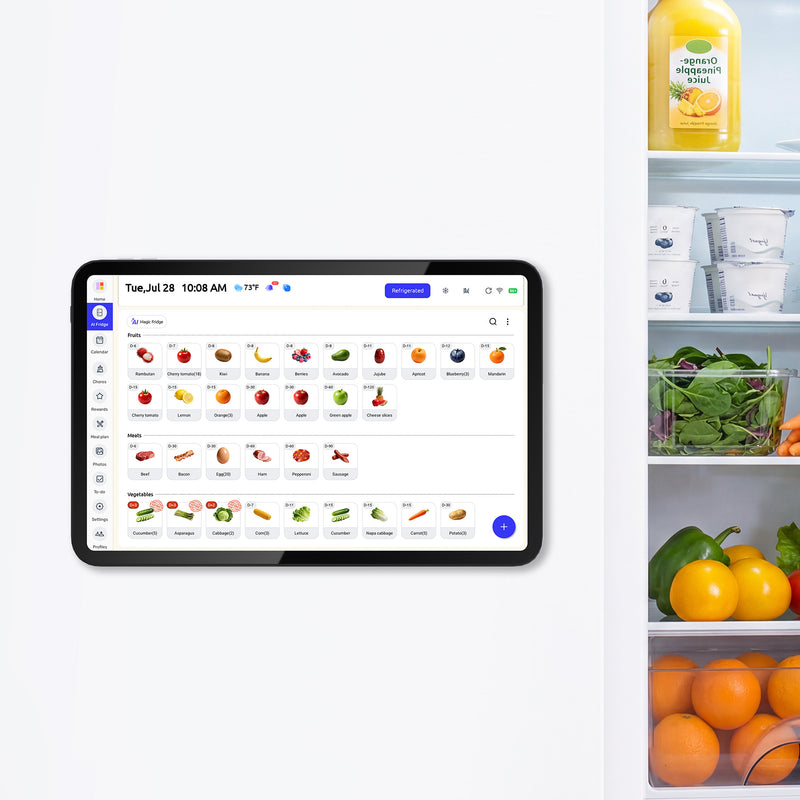
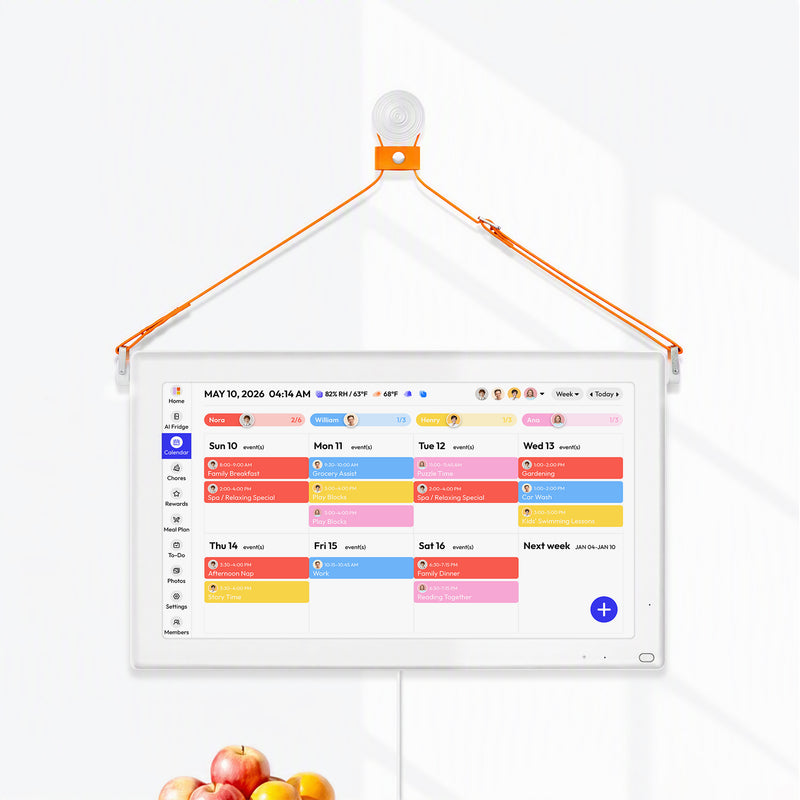

A digital fridge calendar puts your training schedule and your meal plan on one screen in the kitchen, so what you eat each day matches what you do at the gym. Walk into the kitchen after a hard workout and the plan is right there on the fridge door. Today was a strength day, so the prepped chicken is waiting instead of turning into a what-do-I-cook scramble. Training days and rest days each pull their own set of meals, and the whole week stays in view while you cook.
Why Meal Prepping Around a Workout Schedule Is Harder Than It Looks
Most people who train regularly already know what they should eat. The gap is almost always in execution, not knowledge.
The Timing Problem Around Training
A carb-forward meal works well ahead of a longer endurance session. A protein-heavy plate works well after a strength workout. When your meal plan ignores your training calendar, you end up eating for the wrong day, or eating whatever is left in the fridge.
How Inconsistent Prep Habits Undercut Fitness Goals Over Time
Skipping prep on a busy week resets the whole routine. By the following week the fridge is empty by Wednesday, and you order takeout on a day you trained hard. The fitness goal stays the same, but the structure that supports it falls apart.
Why Most People Quit Meal Prep Within a Few Weeks
The cause is rarely lack of motivation. It is friction. When the plan lives inside a phone app or a notes file you rarely open, it disappears into the noise of the day. A habit with no steady visual cue in your environment is hard to hold past the first few weeks.
How a Fridge Calendar Connects Your Training Days to Your Meal Plan

The reason a fridge calendar works for this comes down to where the plan sits and how your eye reads it.
Why Seeing Training Days and Rest Days Together Changes Your Eating
A weekly view gives every day a label your eye reads in a second. Monday reads as a strength day, Wednesday as rest, Saturday as a long run. Because each label sits next to the others, you eat in the context of the whole week instead of reacting to one day at a time.
Why Day-Type Templates Cut Down on Daily Decisions
Decision fatigue is what ends most eating plans. When training days and recovery days each map to a fixed meal template, you remove the nightly question of what to cook. The calendar answers it for you, which is why the habit survives a stressful week.
Why a Repeating Weekly Structure Sticks Better Than Fresh Planning
Rebuilding a meal plan from zero every week takes effort few people sustain. A repeating structure asks far less of you, since the template carries over and you only adjust for what is on sale or already in the fridge. Lower effort is what keeps the routine alive month after month.
Why the Fridge Door Is the Right Place for the Plan
The plan only works if you actually see it, and the fridge door is the one surface everyone in the house opens several times a day. A screen that stays stuck there, instead of sitting in a drawer or living in an app, turns into part of the room. You read the week without deciding to, the same way you notice a magnet or a photo on the door. That is why the door beats every other spot: the plan meets you where you already are.
How to Set Up a Workout-Aligned Meal Prep System on Your Fridge Calenda? The setup itself takes only one session the first time.
Step 1: Enter Your Weekly Training Schedule Into the Digital Planner
Block out every training session for the week: type, duration, and intensity. This anchors the rest of the plan. Color-coding workout days differently from rest days makes the week readable at a glance.
Step 2: Define Your Nutrition Targets Per Day Type
Assign a simple category to each day. Carb-forward on endurance days. Protein-heavy on strength days. Lighter maintenance meals on active rest days. You do not need exact macros on the calendar; the category label alone guides what gets prepped and how much. The next section breaks down what each category looks like on the plate.
Step 3: Match Meals to Goals Using AI-Powered Recipe Suggestions
Once your day types are set, use recipe suggestions to find meals that fit each category. A smart digital fridge calendar with AI-powered recipe suggestions, organized by ingredient, with calorie info shown, cuts research time sharply. You pick from what you already have instead of planning around a fresh shopping trip.
Step 4: Set Prep Day Reminders and Grocery Alerts
Choose one or two prep days a week and set reminders directly on the calendar. Add a grocery alert the day ahead of each prep session so you are not standing in a store trying to recall what you need. The reminder shows up on the display, not buried in a notification list you already swiped past.
Step 5: Track What's in the Fridge So Nothing Gets Wasted
The system breaks down when food gets forgotten. Scanning items into a fridge inventory as you unpack groceries gives you a live view of what is on hand, so you cook from what you have rather than what you meant to buy three days ago. Expiration alerts flag items at risk, which keeps both the budget and the prep schedule on track.
Practical Meal Prep Strategies by Workout Type
The training you do on a given day shapes what belongs in the fridge that week.
Strength Training Days: High-Protein Prep Shortcuts
Batch-cook protein in large portions: chicken thighs, ground turkey, hard-boiled eggs, or canned fish. These hold for three to four days in the fridge and pair with almost anything. A bulk protein cook on Sunday means strength-day meals take under ten minutes to assemble during the week.
Cardio and Endurance Days: Carb-Forward Meals That Are Quick to Prep
Cook a large pot of rice, quinoa, or sweet potatoes at the start of the week. Pair them with roasted vegetables and a simple sauce. These reheat fast and sit well around longer cardio sessions. Keep portions slightly larger on high-mileage days.
Active Rest Days: Light Meals That Still Support Recovery
Rest days do not mean eating less. They mean eating differently. Lean toward leafy greens, lean protein, and lighter meals that support muscle repair, like salmon, whole grains, or plates built around olive oil and vegetables. A salad base prepped ahead makes rest-day eating easy without feeling like a step backward.
Bulk Prep Sunday: Planning One Session for the Whole Week
Sunday prep works best when it tracks the week's training calendar rather than running on instinct. Look at the week, count the training days, and prep to match. Four training days and three rest days call for a different volume of food than two training days and five rest days.
For cooked proteins, plan to finish Sunday's batch within three to four days. A second prep session on Thursday covers the back half of the week within safe storage limits. That rhythm works for a solo schedule. When more people share the same fridge, the coordination needs the same visibility.
How a Smart Digital Fridge Calendar Keeps the Whole Household on the Same Page
Fitness-focused meal prep rarely happens in isolation. Others in the home eat from the same fridge and share the same kitchen schedule.
Sync Individual Workout Schedules With Shared Family Meal Planning
When one person's training day is blocked on the shared calendar, everyone can see it. A partner knows whether tonight's dinner should run protein-heavy or whether a lighter shared meal fits. The training schedule and the family meal plan sit in the same place, and anyone walking into the kitchen can read them.
Avoid the Meal Mismatch Problem
Mismatches are a common friction point in homes where one person trains seriously. Someone cooks pasta on a rest day. Someone else grabs the prepped chicken meant for a post-workout meal. When the schedule lives on the display instead of in one person's head, you stop running into those collisions.
Why a Visible Kitchen Display Beats a Phone App for Daily Habit Reinforcement
A phone app waits for you to open it. A screen never moves from the fridge door, so it is already in front of you when you walk in for water at 6 a.m., no stand on the counter and no cord to trip over. That passive visibility is what reinforces the habit. You see the plan ahead of any decision for the day, with no separate step to check an app.
What Features Actually Matter in a Digital Fridge Calendar for Meal Prep
Not every digital calendar handles the link between training and nutrition well. Six features separate a meal-prep-ready fridge calendar from a basic scheduling tool.
|
Feature |
Why It Matters for Fitness Meal Prep |
|
Meal planner per day type |
Lets you assign training vs. rest day templates |
|
AI-powered recipe suggestions |
Matches meals to what you already have in the fridge |
|
Smart Fridge Manager |
Tracks inventory and flags items as they near expiration |
|
Shared calendar sync |
Keeps the household aligned on training days |
|
Expiration alerts |
Cuts waste between prep sessions |
|
Color-coded member schedules |
Separates individual training days from shared meals at a glance |
The point is not the feature list. It is walking into the kitchen on a strength day and already knowing the prepped protein is there, without checking your phone or guessing what is left.
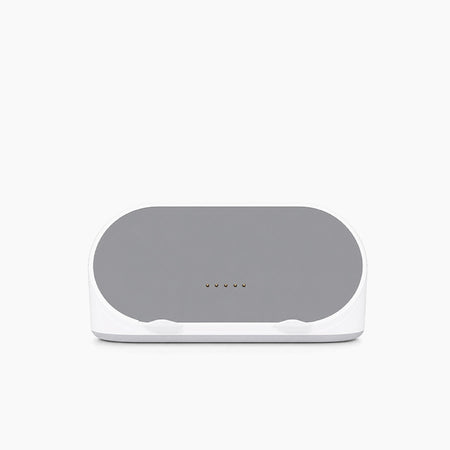
For one device that covers all of the above, the Everblog FridgeCal™ Calendar was built for exactly this kind of week. It holds on the fridge door with a built-in magnetic mount, no tools and no drilling, and works on 99% of fridges. Your training week, your meal plan, and what is actually inside the fridge all sit on one 13.4-inch screen you pass every time you walk through the kitchen, so the plan does the remembering instead of you.
Build Your Digital Fridge Calendar Meal Prep Routine
Your training schedule already lives on your phone. Your meal plan already lives in your head. Moving both onto the fridge display is what makes the habit easy enough to keep. Map your workout days, match meals to each one, and let the kitchen screen handle the reminders. The plan stays in front of you, and your eating finally keeps pace with your training.
FAQs About Using a Digital Fridge Calendar for Meal Prep
Q1. Can a Digital Fridge Calendar Track Calories or Macros for My Workouts?
Partly. It shows calorie information on its recipe suggestions and lets you log the meals you eat, so daily intake stays visible on the screen. It is not a full macro tracker, so pair it with a dedicated app if you count grams closely.
Q2. Do Digital Fridge Calendars Need Wi-Fi to Work?
Yes, for syncing. The calendar uses Wi-Fi to pull events from Google or Outlook and update across everyone's phones. If the connection drops, the screen keeps showing your existing plan, and only new changes wait until Wi-Fi returns.
Q3. Will a Digital Fridge Calendar Stay Put on a Fridge Door?
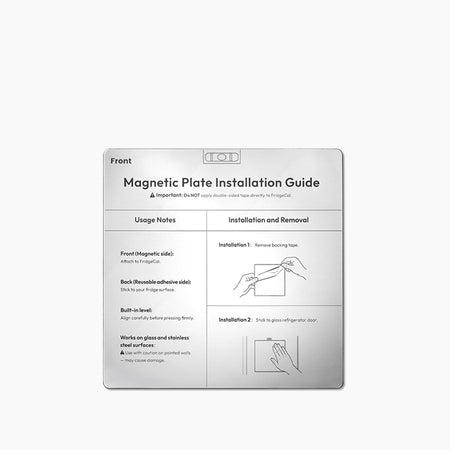
Yes. These calendars use a strong magnetic mount that grips stainless steel and painted metal doors. For glass or non-magnetic fridges, models usually include adhesive magnetic stickers, so the screen holds securely with no tools or drilling.
Q4. How Is a Digital Fridge Calendar Better Than a Paper One for Meal Prep?
A paper calendar cannot update when your training schedule shifts or flag food before it expires. A digital fridge calendar syncs from your phone, suggests meals based on what you have, and adjusts the week instantly, so the plan keeps pace with your workouts.
Q5. How Do You Meal Prep for a Family When Everyone Eats Differently?
Prep shared base ingredients like grains, roasted vegetables, and a protein source, then let each person build their own plate. A shared calendar with color-coded member schedules shows who needs what on which day, so one prep session covers several different meals.


