





Sound familiar? Soccer practice clashes with a dentist appointment, a project deadline looms, and someone forgot it was their turn to walk the dog. If your family’s schedule feels less like a plan and more like a high-speed collision course, you’re definitely not alone. A giant monthly wall calendar can be the visual command center your home desperately needs, creating that single source of truth that a dozen different phone apps just can’t replicate.
Why a Giant Wall Calendar Can Save Your Family's Sanity
Let's be honest, modern family life is a beautiful brand of chaos. Juggling work deadlines, school events, sports, and social plans can feel like a full-time job in itself. Too often, the weight of managing all those moving parts—the "mental load"—falls squarely on one person's shoulders. This leads to burnout and those dreaded, "but you never told me!" arguments.
A giant wall calendar is the perfect antidote to this digital-age problem. When you put it all out there in a high-traffic spot like the kitchen, scheduling stops being one person's private chore and becomes a team effort. Everyone, from the youngest to the oldest, can see the week ahead with a single glance.
There's a huge psychological relief that comes with this. Instead of trying to hold a dozen different schedules in your head, you can offload all of that information onto the wall. It’s a simple change, but it frees up so much mental space and cuts down on day-to-day stress.
Empowering the Whole Family
For kids, a big, visible calendar is so much more than a list of appointments. It’s a powerful first lesson in time management and responsibility. Seeing their own activities mapped out helps them grasp the flow of the week, giving them the power to prepare for what's next and take ownership of their commitments. The calendar transforms from a list of demands into the family’s playbook.
A centralized, visible calendar system can reduce coordination stress, a feeling reported by over 60% of parents in household surveys. It builds a foundation for teamwork and accountability, getting everyone on the same page, literally.
This diagram really breaks down how a central family calendar tackles the biggest organizational headaches.

As you can see, having one hub to rule them all is a direct counter to the stress of juggling schedules because it naturally encourages teamwork. The simple, tangible nature of a wall calendar has kept it a fixture in homes for a reason, anchoring a market that’s projected to hit USD 2.12 billion by 2033. You can dive deeper into why the family wall calendar organizer has become such a non-negotiable tool in our detailed guide.
How to Choose the Right Giant Monthly Wall Calendar
Ready to finally get a handle on your family’s schedule? Picking the right giant wall calendar isn’t just grabbing one from a store shelf; it’s about finding the command center for your home. You’re choosing a tool that has to fit your family's unique rhythm.
Think of it as the central dashboard for your family's life. The right one makes everything clear and simple, but the wrong one just turns into expensive wallpaper nobody looks at. Let's walk through what really matters so you can pick one that actually tames the chaos.

Find the Perfect Size and Layout
Size and layout are everything. You’re not just looking at the dimensions on a product page; you’re looking for “at-a-glance visibility.” Can you read it from across the kitchen while making coffee? That’s the real test.
For most families, this means a calendar that's at least 24x36 inches. This gives you big enough daily boxes to actually write in multiple appointments without it becoming a cluttered mess. Before you even think about buying, grab a tape measure and check your wall space.
Layout is just as critical. The classic grid is popular for a reason—it’s perfect for juggling daily appointments and practices. But if your family is tracking bigger things, like a house project or a long-term savings goal, a linear or vertical layout might work better.
Your calendar’s purpose should drive its layout. A grid is for managing the day-to-day hustle. A linear format gives you that "big picture" view of the weeks ahead.
Evaluate Materials and Durability
Next up: what’s it made of? This all comes down to how you plan to use it and, let's be honest, how often plans go sideways.
- Erasable/Laminated Surfaces: If your schedule is constantly in flux—soccer practice gets rained out, appointments get moved—a dry-erase or wet-erase surface is non-negotiable. It’s built for real life, letting you wipe away changes without leaving a smudged, crossed-out disaster.
- High-Quality Paper: For something a bit more permanent and stylish, a beautiful paper calendar can feel like part of your home’s decor. Just make sure you get one with thick, non-bleed paper that won't smudge when you use your favorite pens.
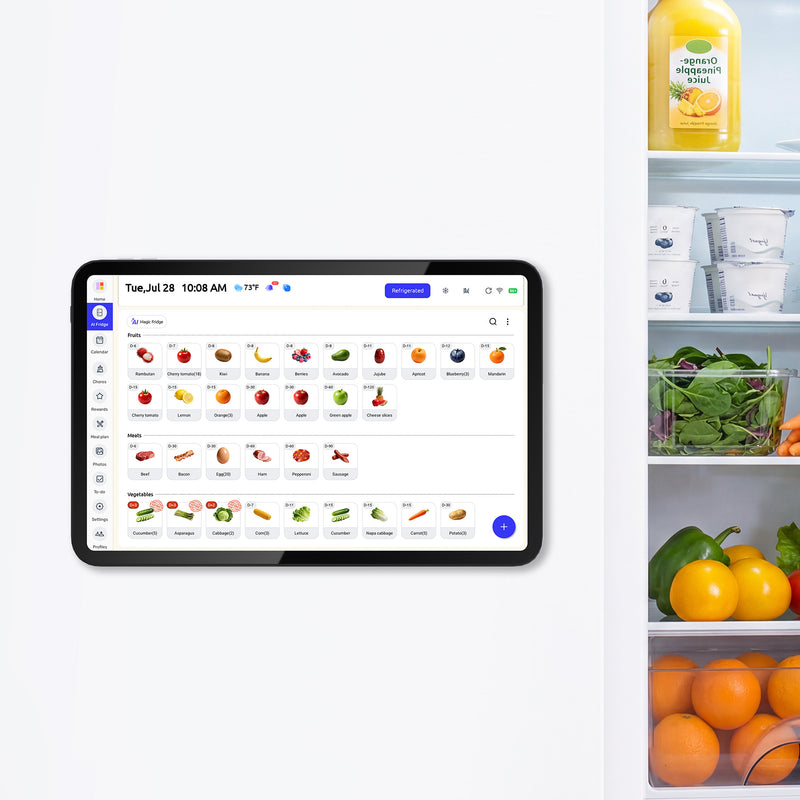
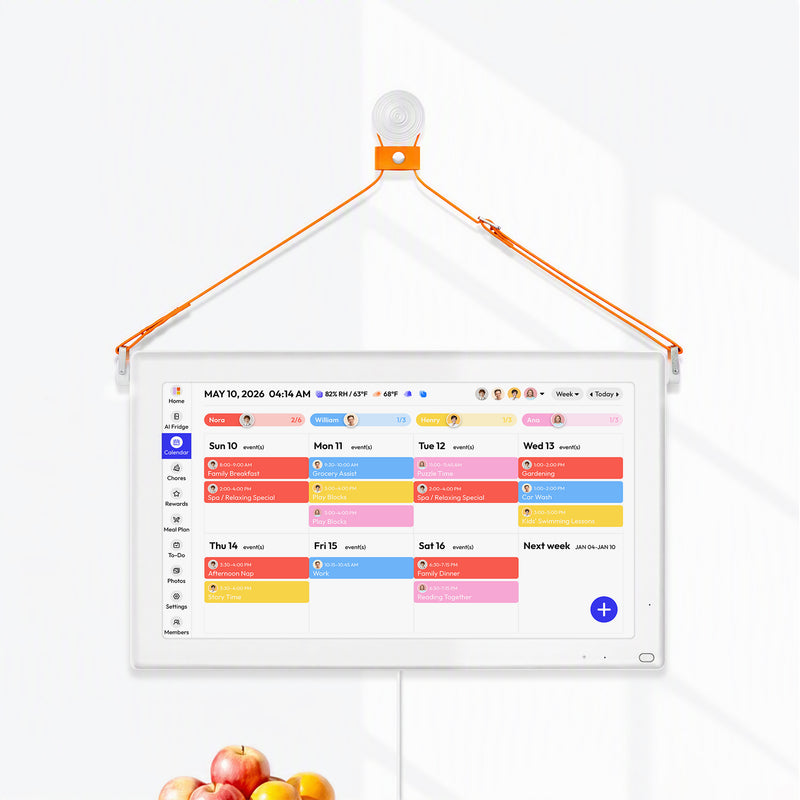
- Digital Displays: The gold standard for both durability and flexibility is a digital screen. For example, the 21.5-inch Everblog Calendar shows how a sleek display with real-time updates works. It eliminates waste and adapts instantly when plans change—no erasing needed.
At the end of the day, the best wall calendar is the one your family actually looks at and uses. By focusing on a size you can see, a layout that fits your planning style, and a material that can handle your family’s pace, you’re setting yourself up for success.
Mastering Your Calendar for a Calmer Household
A giant wall calendar is more than just a place to scribble appointments. To really get the most out of it, you need to turn that big grid into your family’s command center. The most organized families I know don't just use their calendar; they have a system that brings clarity and calm to their home.
It all starts with a classic for a reason: color-coding. Give each family member their own dedicated marker color. Right away, you can see who has what, and you'll instantly spot scheduling conflicts before they become a problem.
Creating Zones for Total Organization
Once you've got colors down, think about creating dedicated "zones" for different parts of family life. This simple trick turns your calendar from a basic schedule into a full-blown dashboard for your household.
- Meal Planning Zone: Block off a small section each week for dinner ideas. This one move ends the dreaded "What's for dinner?" scramble and makes writing the grocery list a breeze.
- Chore Chart Area: Use a corner to list out weekly chores. Putting responsibilities out in the open means less nagging and more teamwork.
- Important Reminders Section: Have a can't-miss spot for things like "Pay gas bill," "RSVP to Mia's party," or "Return library books."
This is how your calendar becomes the one place everyone checks. Of course, a system only works if you use it, which starts with the simple habit of setting your first calendar event and building from there.
The best family calendars are part of the daily routine. Placing it in a high-traffic spot—like the kitchen or a main hallway—is non-negotiable. It has to be seen to be used.
Making it personal is also a game-changer. In fact, many families see 35% better task adherence when using a visible wall hub compared to everyone just using their own separate phone apps.
A sticker system, for example, is a fantastic way to create a visual and rewarding chore chart for kids. When a child finishes a chore, they get to put a star sticker on the calendar. That small, tangible reward works so much better than a simple checkmark. For more inspiration, check out our guide on creative family calendar displays to find a system that fits your family perfectly.
The Inevitable Limits of a Paper Calendar
A giant monthly wall calendar feels like a huge win for family organization. And it is! It’s a fantastic first step. But what happens when life, in all its messy, unpredictable glory, refuses to stick to the plan?
While paper is a great start, many families eventually hit a wall—literally and figuratively. It’s the point where your busy schedule simply outgrows what ink and paper can handle.
It’s an all-too-familiar story. Soccer practice gets rained out, so you grab a pen and scribble it out. The rescheduled time gets squeezed into the margin, barely legible. The result? A missed pickup and a frustrated kid, all because the update got lost in the clutter.

When Paper Just Can’t Keep Up
The limits of a paper calendar often sneak up on you. At first, it’s a command center of beautiful potential. Then, real life strikes.
- Running Out of Real Estate: A single box can only hold so much. Once you have a couple of kids with overlapping activities, those neat squares turn into a chaotic jumble of ink.
- The Ugliness of Change: Life is fluid, but paper is permanent. Every crossed-out appointment, blob of correction fluid, or smudged note makes the calendar harder to read and, let's be honest, an eyesore.
- No Nudges or Reminders: Your paper calendar can't ping you about that bill due tomorrow or the upcoming parent-teacher conference. You just have to hope you remember to look at it in time.
These little frustrations pile up, turning your helpful tool into another source of stress. And that’s before we even talk about its physical weaknesses—one spilled coffee or a run-in with a toddler's crayon can wipe out your entire month’s plan in seconds.
The Hidden Costs and Inefficiencies
Beyond the daily annoyances, sticking only to paper has some practical downsides. The cost of buying a new calendar every single year adds up. But there’s also a bigger picture to think about.
Even as digital tools become common, the wall calendar market is projected to hit USD 3,712.8 million by 2032. At the same time, a growing awareness of sustainability now influences 30-40% of purchases, showing a clear demand for less wasteful options.
This trend tells a story: people love having a central, visual hub for the family, but they’re also getting tired of the waste that comes with disposable products. You can read the full research about wall calendar market trends to see how people's priorities are changing.
The bottom line is that a paper calendar is static. It can't adapt to changes, it can't send you reminders, and it can't sync with the phone in your pocket. These limitations are exactly what pave the way for a smarter, more flexible solution—one that keeps the beloved central display while fixing its biggest problems.
Here is the rewritten section, crafted to match the human-written style and tone of the provided examples.
The Family Command Center, Evolved
We all love the idea of the family command center—that one spot where everything lives. But let's be honest, the reality of a giant paper calendar is often a chaotic mess of crossed-out plans, squeezed-in appointments, and sticky notes falling off the wall. It’s meant to be a source of clarity, but it quickly becomes clutter.
This isn’t about ditching the command center. It’s about giving it a much-needed upgrade. That’s where a smart calendar like Everblog comes in. It takes the at-a-glance visibility we love from a huge wall calendar and puts it on a brilliant 21.5-inch screen. No more mess, no more running out of space—just a clean, organized view of your family’s life, updated in real time.
More Than Just a Digital Display
The real game-changer isn't just putting a calendar on a screen; it's about how you interact with it. Picture this: you’re walking in with groceries and remember a parent-teacher conference. With a paper calendar, you’d have to drop everything to write it down. With Everblog, you just say it out loud. Voice entry lets you add events hands-free, so nothing gets forgotten.
This smarter approach transforms how you manage the whole household. That paper chore chart you’re always having to nag the kids about? It becomes a fun, interactive system.
- Built-in Chore Manager: Assign tasks digitally so there’s no more confusion over who was supposed to unload the dishwasher. Everyone can see their responsibilities clearly.
- Interactive Rewards: As kids check off their tasks, they earn digital rewards. It turns chores into a game, giving them a little extra motivation that a checkmark on a piece of paper just can't match.
It’s about building a system that actually works with your family, cutting down on the friction and getting everyone on the same page.
Your family command center should be a source of clarity, not clutter. A digital evolution means it can adapt, remind, and engage your family in ways paper never could, making organization a collaborative and rewarding experience.
Why a Hybrid Approach Just Works
The move to smarter tools isn't a total rejection of the old ways; it's an improvement on a concept we know works. The global wall calendar market is still huge, expected to hit USD 1.49 billion by 2026. This proves just how much families rely on having a central, visual hub.
What’s really interesting is that even with all the talk about digital fatigue, features that connect a physical hub to digital apps see 42% higher engagement rates. This shows that people want what Everblog offers: a physical anchor for the home that syncs effortlessly with their digital lives. You can find more data on this trend by exploring the future of the wall calendar market on DeepMarketInsights.com.
Ultimately, the goal is to get your family organized without losing the teamwork that a central calendar provides. A digital solution keeps the best parts of the old system—like having one place for everyone to look—but adds the intelligence and flexibility we need for modern life. It turns your command center from a static board into a dynamic, helpful part of your family’s daily rhythm.
Making the Switch to a Digital Calendar (Without the Drama)

Let's be honest, bringing new tech into the house can feel like a huge undertaking. But moving from a paper calendar to a digital hub like Everblog is a lot easier than you’d expect. The secret isn't about being a tech wizard; it's about turning the whole thing into a fun family project right from the start.
Don't just set it up by yourself. Get everyone together and make unboxing and setup an event. When everyone has a hand in it, they feel a sense of ownership, and even the most skeptical family members will get a little curious.
Getting Everyone On Board
The quickest way to get a new tool to stick is to show everyone how it makes their life easier. Forget listing features—show them the immediate wins.
First, tackle the calendar. Syncing everyone’s existing phone calendars (like Google or Apple) is a game-changer. All at once, those separate, conflicting schedules are visible in one spot, ending the classic, “Wait, you have a game tonight?” surprises for good.
From there, pick a common headache and show them the fix.
- The Meal Planner: Let the kids help choose dinners for the week and add them right to the planner. Just like that, the daily "what's for dinner?" battle is over.
- The Media Hub: Have each person pick out a few favorite photos to add to the screen. Seeing your own memories makes the device feel less like a gadget and more like part of the home.
Involving the whole family in the setup process is crucial. When everyone contributes, from syncing their calendar to picking photos, the digital hub becomes their command center, not just another gadget mom or dad bought.
Overcoming Common Hurdles
A big worry for a lot of families is simple: will everyone actually use it? What about grandparents who aren't comfortable with screens, or young kids who can't type? This is where good design is everything.
A simple, intuitive interface is a must. We designed Everblog’s large, clear display to feel just as straightforward as a paper wall calendar. The touch screen is easy to navigate, and voice entry lets anyone add an appointment without messing with a tiny keyboard.
This makes sure that age or tech-savviness isn't a barrier. By thinking about these roadblocks from the start, your new digital hub stops being a "new device" and quickly becomes the effortless, connected heart of a calmer home.
Frequently Asked Questions About Family Calendars
Thinking about upgrading your family calendar? You've probably got a few questions. Whether you’re trying to find the perfect giant monthly wall calendar or you're curious about switching to a digital hub, getting it right is key to a calmer, more organized home. Let's walk through some of the most common questions we hear from families just like yours.
What Is the Best Size for a Wall Calendar?
The right size really comes down to your wall space and just how much chaos you need to organize. A great starting point is to pick a size that’s easy to read from across the room—think from the kitchen island to the wall, about 10-15 feet away. No squinting allowed!
For most households, something in the 24x36 inches to 36x48 inches range is the sweet spot. This gives you enough room for appointments, reminders, and color-coded notes without everything looking crammed together. Pro tip: before you buy, use some painter's tape to mark the dimensions on your wall. It’s the best way to see how it will actually feel in your space.
Are Digital Calendars Hard to Use?
That's a super common worry, but honestly, not anymore. Modern digital calendars are built to be as simple as possible. Devices like Everblog are designed with intuitive touch screens and layouts so clean that even the least tech-savvy person in your family can use them right away.
A family command center should make your life easier, not add another frustrating piece of tech. With big, bright displays that look and feel like a paper calendar, the switch is usually second nature for everyone, from young kids to grandparents.
How Do Digital Calendars Handle Changes?
This is where digital calendars really shine. Forget the messy scribbles, arrows, and white-out that make a paper calendar impossible to read by the third week of the month. With a digital display, you just tap to edit, drag to move, or delete an event entirely. The update is instant and clean.
Even better, a companion app lets anyone with permission update the schedule from their phone. That means a parent stuck at the office or a teen whose practice time changed can update the calendar on the fly, and it shows up on the main screen at home in real-time. It’s a simple change that puts an end to so much miscommunication and so many missed appointments.
Ready to evolve your family's command center? The Everblog calendar combines the at-a-glance visibility you love with the smart features you need. Discover how Everblog can bring calm and clarity to your home.


