

From Kitchen Chaos to Campfire Calm
It's the night before the trip. One kid is asking where the marshmallows went, someone else already packed the spatula with the beach towels, and the kitchen counter is covered with bread, cheese, snack bags, and one produce drawer that suddenly looks suspicious. Your paper list says “food??” and somehow that felt useful an hour ago.
That's the moment when grocery list camping either falls apart or gets easy.
A smooth camping food plan doesn't start with buying more. It starts with building a system that matches cooler space, trip length, and the gear you're bringing. Standard camping guides tend to center on a tight group of practical staples like bread, eggs, fruit, vegetables, cheese, potatoes, cereal, oats, pasta, snacks, and simple drinks, plus separate cooking supplies such as utensils, fuel, foil, and cleaning items, which is exactly why an organized list works better than improvising at the store. Fresh Off The Grid's food safety rule, cited in KOA's overview, is one of the clearest planning benchmarks: use a 2:1 ice-to-food ratio for cooler packing.
That single rule changes everything. It tells you your list isn't just a menu. It's logistics.
If you're also sorting stoves and cookware, it helps to review essential gear for NZ outdoor trips before you finalize food that depends on it.
1. Proteins & Meat Products
Protein is where most camping grocery mistakes happen. People either overpack raw meat and run out of cooler space, or they underpack easy options and end up feeding everyone crackers at sunset while the stove heats up.
For family camping, I keep protein in three lanes. First night proteins that need the coldest storage. Backup proteins that are ready fast. Emergency proteins that work even if dinner gets delayed by weather, tired kids, or a late return to camp.

Build your protein layer
Good camping choices include ground beef or turkey frozen in flat portions, chicken packed for one meal at a time, pre-cooked bacon, hot dogs, sausages, canned tuna, canned salmon, and freeze-dried camping meats from brands like Mountain House or Peak Refuel. The flat-pack method matters because thick bundles thaw unevenly and create cooler clutter.
A practical dinner sequence looks like this:
- Night one: Burgers, tacos, or skillet meat that uses your rawest protein first.
- Night two: Sausages or pre-cooked bacon with potatoes or pasta.
- Backup meal: Tuna wraps, salmon pasta, or freeze-dried meals if the day runs long.
Practical rule: If a protein needs a cutting board, long cook time, and strict cooler babysitting, it belongs early in the trip or not on the list at all.
The easiest way to prevent overbuying is to attach each protein to a specific meal before you shop. A shared planner helps because you can assign “Friday burgers,” “Saturday sausage pasta,” and “Sunday tuna lunch” instead of writing “meat” and hoping for the best. If you want a model for quantity planning across a big household, this guide to meal prep for large families translates well to camping because the same portioning logic applies.
What works and what doesn't
What works is pre-portioning at home, labeling every bag, and freezing proteins before they go into the cooler. What doesn't work is tossing in family-size packs straight from the store and assuming you'll sort it out later at camp. You won't. You'll be doing cooler archaeology while everyone waits to eat.
2. Grains, Breads & Starches
If protein is the stress point, starches are the stabilizer. They make a sparse camp dinner feel complete, they stretch leftovers, and they rescue the meal when the weather kills your original plan.
Bread, tortillas, oats, cereal, pasta, and potatoes show up on nearly every practical camping list for a reason. They're flexible. They also don't all travel the same way, which is where the packing process can become disorganized.
Choose by durability, not by habit
Bread works for short trips, but it crushes easily and goes stale fast if it's bouncing around in the car. Tortillas and wraps usually travel better because they don't collapse under cooler lids and duffel bags. Instant oatmeal, granola, cereal, quick rice, instant mashed potatoes, and boxed pasta are dependable because they need little fuel and little attention.
Use simple pairings that can shift if plans change:
- Wraps: For lunch, breakfast burritos, or leftover sausage.
- Pasta: For canned sauce, tuna, or one-pan cheese dinners.
- Oats and cereal: For fast mornings when nobody wants to cook much.
- Potatoes: For foil packets, breakfast hash, or campfire sides.
A lot of grocery list camping gets easier when you stop thinking in recipes and start thinking in base ingredients. One sleeve of tortillas can cover lunch, dinner, and breakfast. One bag of pasta can solve two meals if one dinner gets pushed.
Put the planner to work
Digital planning is especially useful here because starches repeat. That's ideal for automation. Once you set up your usual camping menu, a family planner can duplicate those staples across trips and save you from rewriting “wraps, oats, pasta, cereal” every time.
Grains should carry the meal, not complicate it. If a starch needs specialty equipment or too much cleanup, leave it home.
What doesn't work is packing delicate bakery items because they sounded fun in the store. What works is bringing foods your family already knows how to eat in three different ways.
3. Fruits, Vegetables & Produce
Produce is where a camping list goes from survival food to real meals. It also creates waste fast if you buy like you're stocking your home kitchen.
Hardy produce wins. Apples, oranges, carrots, potatoes, celery, radishes, and sturdy fruit cups hold up far better than soft berries, loose greens, and anything that bruises if you look at it wrong. For short trips, fresh vegetables make camp meals feel normal. For longer trips, preserved options save the plan.

Split produce into early-trip and late-trip food
This is the simplest produce system I know:
- Early-trip fresh items: Bananas, cut veg, salad components, yogurt pairings.
- Hardy fresh items: Apples, oranges, carrots, potatoes, onions.
- Shelf-stable backups: Dried fruit, applesauce, canned corn, canned green beans, sun-dried tomatoes, dried mushrooms.
That split matters because camping food now sits across two worlds. Traditional grocery staples still dominate most family trips, but a specialty convenience market has grown around dehydrated options. One industry estimate values the global dehydrated backpacking and camping food market at USD 121.4 million in 2024, USD 137.76 million in 2025, and USD 332.35 million by 2035, with an 8.6% CAGR projection. In practice, that means more families are mixing fresh groceries with lightweight shelf-stable products instead of choosing one or the other.
Real-world use at camp
A useful pattern is fresh produce on day one, hardy produce through the middle, and preserved produce at the end. If your family likes fajitas on the first night, pack peppers and onions. If the last night is pasta, dried mushrooms and canned tomatoes are far less fussy.
What doesn't work is buying produce with good intentions and no assigned meal. What works is writing the meal next to the item in your planner, so “carrots” becomes “carrots for snack bin and foil packets,” and “apples” becomes “car breakfast and trail snacks.”
4. Dairy, Cheese & Refrigerated Items
Dairy makes camp food better fast. A little cheese, butter, milk option, or yogurt can turn a basic meal into something everyone wants to eat. But dairy also punishes lazy packing.
Hard cheese is usually the smart choice. Cheddar, gouda, and vacuum-sealed slices tend to be more forgiving than soft cheeses or oversized tubs that get opened repeatedly. Yogurt belongs near the front of the trip, not the back.
Organize the cooler by use order
Most families think about the cooler as one cold box. It's better to treat it like a timeline. Top layer for first-use breakfast and lunch items. Bottom layer for the coldest, longest-holding items. Butter, cheese, and milk alternatives should be packed according to when you'll need them, not just wherever they fit.
A few refrigerated items that travel well with decent planning:
- Hard cheese: For wraps, pasta, burgers, and snack boards.
- Butter: Better in a sealed container, especially if pre-chilled.
- Shelf-stable or powdered milk: Easier than hauling a large carton.
- Cream cheese or yogurt: Fine early in the trip if you'll use them.
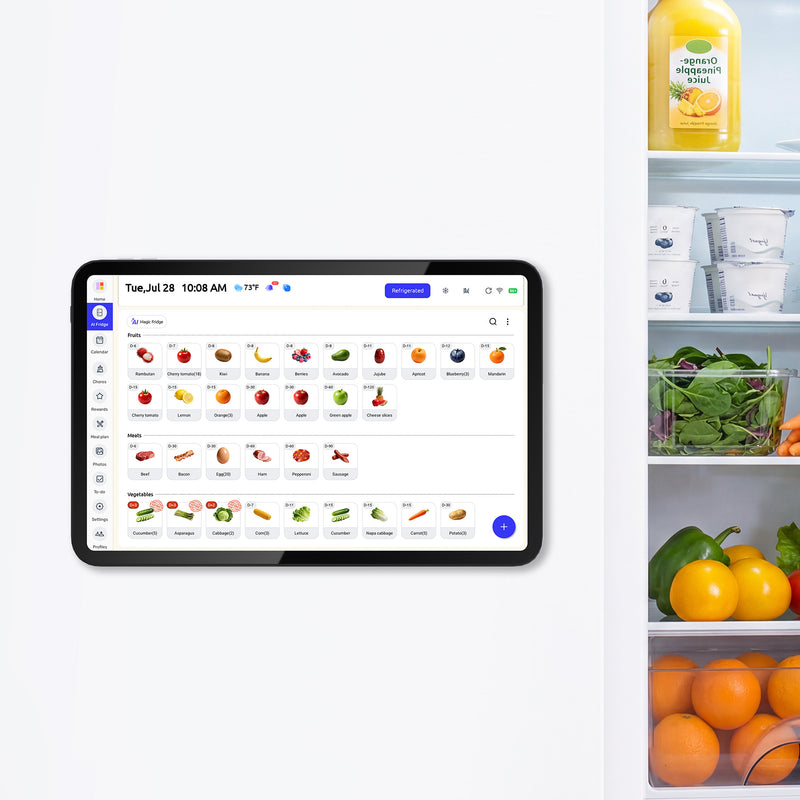
For a visual on arranging cold storage at home and adapting that logic to a campsite cooler, these fridge organization ideas are useful because the same principle applies. Put the first-use items where tired people can find them without unpacking the entire system.
Here's a quick visual before the next point:
Cooler math matters more than good intentions
A lot of people try to solve dairy planning by bringing less. The better move is bringing smarter items and respecting cooler limits. As noted earlier, the ice load is not optional if you want safe food for the length of the trip.
The best dairy item for camping is the one you'll fully use before it turns into cooler clutter.
What doesn't work is opening the cooler all day for drinks and expecting dairy to stay in top shape. If possible, keep food and drinks in separate coolers so your meal ingredients aren't exposed every time someone wants a cold can.
5. Pantry Staples & Seasonings
Dinner falls apart fast when the bag with oil, salt, and basic sauces never made it into the car. The protein can be packed. The cooler can be cold. None of that helps much if the rice is bland, the skillet sticks, and nobody can find the can opener.
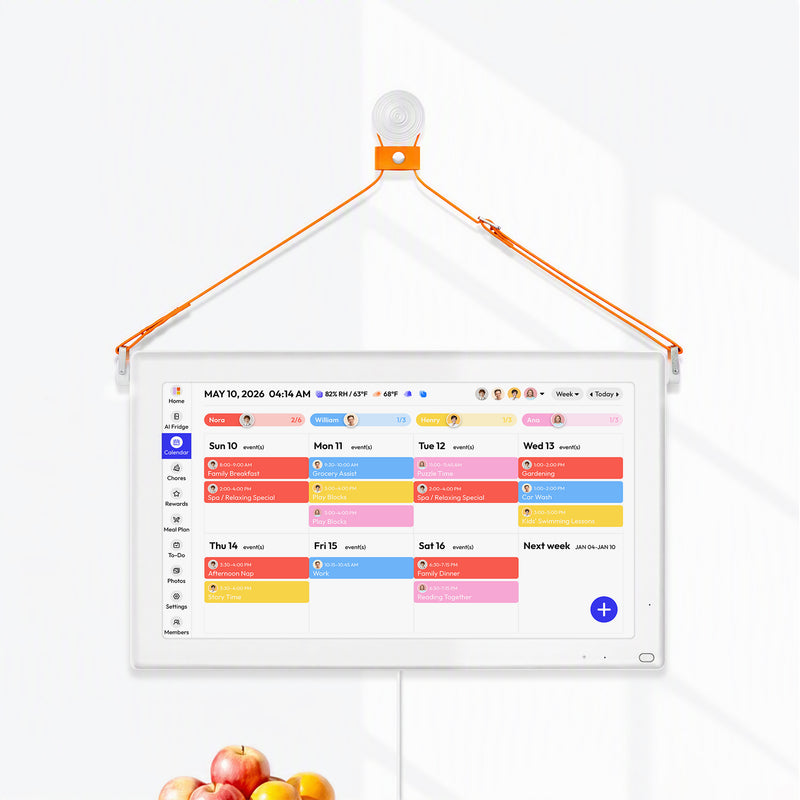
A better system is a permanent camp pantry box tied to your family planner. Keep the physical kit packed year-round, then use your trip template in Everblog to flag what needs a refill before each trip. That turns pantry shopping into a quick restock job instead of a memory test on departure week.
Build a pantry box around how you actually cook
Use a sturdy bin and transfer staples into small, leak-resistant containers. Pack the items that solve common camp meals for your family: oil, salt, pepper, garlic powder, onion powder, paprika, bouillon, peanut butter, jam, ketchup packets, mustard packets, hot sauce, soy sauce, sugar, and a small amount of flour or baking mix if you cook over the fire.
The key is job-based packing. Every item should earn its space.
- Oil in small squeeze bottles: Easier to control at a camp stove and far less messy than a full-size bottle.
- Core seasonings in labeled containers: Salt and spice blends look identical in low light.
- Bouillon and soy sauce for fast flavor: Both rescue rice, noodles, soups, and one-pan meals.
- Condiment packets over bottles: Less bulk, less waste, fewer half-empty containers coming home.
- One backup opener and one backup lighter: Tiny items, trip-saving value.
Keep duplicates of the repeat offenders in the box. Salt, foil, dish soap, trash bags, wipes, and a sponge are the items families swear they packed.
Use one master staple list and let the system do the counting
Pantry staples are the easiest category to standardize because the list changes slowly. Set up a reusable checklist once, assign default quantities by trip length, and review it against your menu. A three-night trip with tacos, pasta, and oatmeal needs very different support items than a weekend built around burgers and sandwiches.
A shared digital system pays off in real life. A grocery list app for family coordination lets one person restock dry goods, another grab packets and sauces, and everyone see what is already covered. No duplicate peanut butter. No fifth bottle of mustard. No assumption that someone else packed the seasoning tote.
I also recommend storing pantry items in zones inside the bin. Cooking fats and spices together. Breakfast spreads together. Cleaning and utility supplies in a separate pouch. That setup saves time at camp because people can grab what they need without digging through the whole box.
What fails is rebuilding this category from memory every trip. Pantry planning works best as a repeatable system, not a last-minute scavenger hunt.
6. Beverages & Hydration
Hydration planning gets treated like an afterthought right up until the campsite is hot, the kids are cranky, and all the cold space has been wasted on drinks nobody's finishing.
Water comes first. Coffee comes second for many adults. Everything else needs to justify the space it takes.
Pack drinks by purpose
At camp, beverages usually fall into four jobs. Daily hydration, breakfast routine, activity support, and morale. Once you sort them that way, the list gets cleaner.
A practical drink setup might include water jugs, reusable bottles for each person, coffee or instant espresso, tea bags, and one or two powdered drink mixes. Powder wins because it adds variety without taking over the cooler.
What works well:
- Water in shaded storage: Keeps it usable without draining cooler ice.
- Coffee pre-portioned at home: No scooping at a picnic table in the wind.
- Electrolyte mixes for hot or active days: Better packed as powders or tablets.
- Shelf-stable milk alternatives: Useful for cereal, coffee, and oats.
Don't let drinks sabotage the food system
The biggest beverage mistake is filling precious cold space with bulky bottles before you've packed meals. If your site has access to potable water, your drink list can stay lean. If it doesn't, that needs to shape the whole trip plan from the beginning.
Another market signal is worth noticing here. Business Research Insights values the dehydrated backpacking and camping food market at USD 0.17 billion in 2025, with a projection to reach USD 0.41 billion by 2035 at an 8.6% CAGR, and notes a 68% boost in product adoption in North America. That same convenience mindset shows up in beverages too. Families are choosing lighter, compact options because transport and cooler management matter as much as taste.
If a drink takes a lot of space and solves no real problem, skip it.
7. Snacks & Quick Energy Foods
Snacks can save a trip or wreck dinner. That depends on how you pack them.
A random bag of chips shoved beside the stove gear isn't a snack plan. A dedicated snack bin with grab-and-go food is a system. Families need that system because people don't all get hungry at the same time, especially after hiking, swimming, or long car rides.
Build one snack bin, not ten loose piles
The best snack foods are portable, dry, and easy to portion. Trail mix, nuts, jerky, dried fruit, granola bars, crackers, fruit pouches, and nut butter packets all hold up well. Chocolate and candy have their place too, especially for morale after a wet day, but they shouldn't be your only fast energy.
A campsite snack system should include:
- Individual portions: Helpful for hikes, car rides, and avoiding giant open bags.
- One visible snack container: Easy for kids to use without digging through meal gear.
- A split between everyday and treat snacks: So dessert doesn't become lunch.
- Wildlife-aware storage: Especially important anywhere animals are active.
Older kids can help a lot here if someone assigns the job. Instead of vague instructions, give them ownership of “restock the snack tote” or “load tomorrow's trail snacks into the daypack.” Shared family planning tools make that easier because the task is visible and repeatable rather than verbal and forgotten.
Use snacks to protect dinner
Snacks should bridge time, not replace meals. A small afternoon snack before dinner prep keeps everyone steady and stops that campsite meltdown where dinner gets rushed because everyone's already starving.
What doesn't work is scattering snacks across backpacks, coolers, and car doors. What works is one home base plus a small day-use stash.
8. Breakfast Essentials & Morning Supplies
Six-thirty at camp is when weak meal planning shows up. Someone wants coffee first, someone else is already hungry, and the kids are asking what breakfast is before the stove is even out. A good breakfast plan removes that daily debate and turns morning food into a repeatable setup.
The meals that hold up best are the ones you can assign to specific mornings before the trip. Oatmeal, eggs, bagels, cereal, breakfast burritos, and pancake mix all work. What matters is matching each one to time, cleanup, and cooler space.
Set a breakfast rotation before you pack
Breakfast should already be decided in your planner, not negotiated at camp. I build a simple rotation tied to the trip schedule, then save it so the next trip starts with a template instead of a blank list. In Everblog or any shared family planner, that means one recurring breakfast block can generate the grocery quantities, assign who brings coffee or fruit, and show which meals need a pan versus just hot water.
A practical sequence looks like this:
- Departure morning: Bagels, peanut butter, fruit, coffee
- First full day: Eggs, pre-cooked bacon, toast or tortillas
- Early activity day: Instant oatmeal, granola, bananas, hot drinks
- Slow camp morning: Pancakes from a just-add-water mix
That system cuts waste too. You buy for four known breakfasts, not a hopeful pile of breakfast foods that all need cooler room.
Buy breakfast by workload, not by optimism
Morning meals need to fit the day. If camp is breaking down early, choose food that is fast and light on dishes. If the family is staying put for a while, a skillet breakfast makes sense.
Cleanup is a major trade-off. Pancakes are fun once. Eggs are great if you already have a pan out. Yogurt cups and fresh berries sound easy, but they take up cooler space that might be better used for dinner items on a longer trip.
I plan breakfast in three buckets:
- No-cook or boil-only: cereal, bagels, instant oatmeal, granola
- Quick hot breakfast: eggs, pre-cooked sausage, breakfast wraps
- Slow morning meals: pancakes, hash browns, full skillet breakfasts
That split makes the shopping list easier to build and easier to repeat.
A lot of families now mix online ordering with an in-store stop for the final shop, as noted earlier. Breakfast is one of the easiest categories to handle that way. Reorder your standard items digitally, then pick up the fragile or short-shelf-life pieces, like eggs, fruit, and bagels, right before departure.
8-Category Camping Grocery Comparison
| Item | 🔄 Implementation complexity | ⚡ Resource requirements & efficiency | ⭐ Expected outcomes (quality) | 📊 Ideal use cases | 💡 Key advantages & tips |
|---|---|---|---|---|---|
| Proteins & Meat Products | 🔄🔄 Moderate, requires cooking/cooler management | ⚡ Low efficiency for refrigerated items; shelf-stable options available | ⭐⭐⭐ High, sustained energy & recovery | Family dinners, active days, multi-day trips with cooler access | Pre-portion and freeze; pack frozen at bottom of cooler; plan ~5–6 oz/person |
| Grains, Breads & Starches | 🔄 Low, simple prep, minimal gear | ⚡⚡ Efficient, shelf-stable, low weight | ⭐⭐ Reliable, provides steady energy base | Budget trips, base-for-meals, quick-prep breakfasts/lunches | Pre-portion into day containers; use instant varieties; store airtight |
| Fruits, Vegetables & Produce | 🔄🔄 Low–Moderate, depends on fresh vs. preserved | ⚡⚡ Moderate, fresh needs cooler, dried/canned are efficient | ⭐⭐⭐ High, vitamins, fiber, nutritional balance | Early-trip fresh consumption; long trips use dehydrated/canned options | Use hardy produce early; mesh bags for airflow; plan 1–1.5 cups/meal |
| Dairy, Cheese & Refrigerated Items | 🔄🔄🔄 High, temperature-sensitive handling | ⚡ Low, significant cooler/ice needs unless powdered | ⭐⭐ High nutritional value but spoilage risk | Short trips or early consumption; families needing dairy nutrients | Choose hard cheeses, pre-freeze butter, use powdered milk; schedule early consumption |
| Pantry Staples & Seasonings | 🔄 Low, minimal process, easy to kit | ⚡⚡⚡ Very efficient, lightweight, long shelf life | ⭐⭐⭐ High impact, improves flavor dramatically | Any trip needing variety and flavor with limited cooking | Build a camping spice kit; use small labeled containers; secure oils |
| Beverages & Hydration | 🔄 Low, simple distribution and prep | ⚡⚡ Variable, water is heavy; powdered mixes are efficient | ⭐⭐⭐ Essential, prevents dehydration, supports performance | All trips, high-activity days, hot weather | Plan ≥3 L/person/day; use powdered electrolytes; bring reusable bottles |
| Snacks & Quick Energy Foods | 🔄 Low, no prep required | ⚡⚡⚡ Efficient, high calories per weight, shelf-stable | ⭐⭐⭐ Immediate energy, morale and appetite management | Hikes, between-meal energy, kid-friendly morale boosts | Pre-portion servings; avoid high-sugar in wildlife areas; ~200–300 cal/snack |
| Breakfast Essentials & Morning Supplies | 🔄 Low, quick-prep options | ⚡⚡ Efficient, many instant/just-add-water choices | ⭐⭐⭐ Supports routine, energy for morning activities | Family mornings, fast starts before hikes/activities | Pre-measure mixes, rotate menu to avoid monotony; plan 300–400 cal/person |
Your Action Plan for the Perfect Camping Menu
A solid grocery list camping plan doesn't depend on having the fanciest cooler or the most ambitious menu. It depends on making fewer decisions at the campsite. That's the major win. When meals are assigned to days, proteins are packed in use order, produce is split by durability, and pantry staples live in a permanent camp box, the trip feels lighter before you even leave the driveway.
Start with meals, not ingredients. Pick your breakfasts, lunches, dinners, and snacks by day. Then build the grocery list under each meal so every item has a purpose. That one shift cuts down duplicate purchases, random “just in case” food, and the usual pile of leftovers nobody touches.
Next, separate the list into two layers. One layer is food. The other is support items like foil, fuel, utensils, soap, wipes, and trash bags. Camping lists fail when those two layers get mixed together and someone assumes the spatula or can opener is already packed. Standard camping guides consistently treat food and cooking supplies as separate planning categories for good reason. They serve different jobs and need different checkoffs.
Then make the process reusable. Save a base camping menu with your family's repeat winners. Keep a standing pantry checklist. Reuse the snack bin format. Reuse the breakfast rotation. Update only the variables, like trip length, weather, and whether you'll have full cooler access or need more shelf-stable food. That's where a shared planner becomes practical instead of gimmicky. If you're using Everblog, the meal planner, grocery list, and household task tools fit naturally into this process because one person can map the menu, another can shop, and older kids can take on packing jobs without everything living on loose paper notes.
The best system is the one your family can repeat when everyone is busy. If that means fewer recipes and more dependable staples, that's usually the right call.
For breakfast inspiration that fits outdoor cooking, this hearty breakfast for outdoor cooking is a useful reminder that camp food can still feel like a real meal without becoming a production.
Leave for the trip with a clean list, a labeled cooler, and meals that already have a place. That's how you get the campfire calm everyone wants.
If you want one shared place to organize your next trip, Everblog gives families a way to keep meals, grocery lists, chores, and packing tasks visible in one hub so the camping plan doesn't live on scraps of paper and half-remembered texts.


