


You’re probably looking at a favorite photo right now and thinking, “I wish this held more than the image.”
Maybe it’s your toddler’s crooked grin after preschool. Maybe it’s a picture of Grandpa holding a baby who is now in middle school. The photo captures the scene, but not the laugh, the joke, the tiny voice saying “Love you, Mommy,” or the story behind the moment.
That is where a picture frame that records voice feels so appealing. It promises something warm and simple. Press a button, save a message, and turn a still picture into a keepsake with sound. For busy parents, that idea makes immediate sense. Family life moves fast, and anything that helps you preserve meaning without a complicated setup gets your attention.
Bringing Your Photos to Life with Sound
A voice recording frame usually enters family life through emotion, not tech.
A parent finds one while shopping for a Mother’s Day gift. A sibling uses one to preserve a grandparent’s voice. Someone records a child saying goodnight, slips the frame onto a desk, and suddenly the photo does more than sit there. It speaks.

That emotional pull lines up with a broader shift in what families want from home displays. Digital photo frames saw 15% year-over-year growth in family-oriented sales between 2024 and 2025, driven by demand for more connected home hubs, according to NexFoto’s discussion of interactive memory-sharing devices.
Why sound changes the meaning of a photo
A printed image freezes a moment. Audio brings back context.
A beach photo becomes the sound of waves and a child yelling that the sandcastle is “finished.” A wedding snapshot becomes a parent’s voice offering a blessing. A baby picture becomes priceless when paired with the rough, sleepy voice of a new father recording a message at 2 a.m.
That is why these frames stay popular as gifts. They feel personal without needing a long learning curve.
A good voice frame does one thing very well. It helps a family save a feeling, not just a file.
Where parents start to want more
The first experience is often delightful. The second question is usually practical.
Can more than one person add messages? Can you update the recording often? Can this help with daily reminders, not just memory keeping?
That tension matters. A voice frame works beautifully as a keepsake. Family life, though, is rarely one message and done.
How a Picture Frame That Records Voice Works
The simplest way to think about this device is as a tiny answering machine attached to a photo.
You press a record button, speak into a built-in microphone, and the frame saves that sound inside the device. Later, someone presses play and hears the message through a small speaker.
The basic recording process
Most models follow the same pattern:
- Press record and hold or tap, depending on the design.
- Speak your message into the microphone.
- Save automatically when you release the button or finish the prompt.
- Play it back using a separate button.
That is the whole experience on many gift-style frames. No app. No cloud account. No syncing.
For parents, that simplicity is a real advantage. A grandparent can use it without downloading anything. A child can replay a message without navigating menus.
What keeps the message from disappearing
One common worry is battery loss. Parents often assume a dead battery means a lost recording.
That is not how these frames usually work. Many use non-volatile memory, such as EEPROM or flash storage, which keeps recordings intact even when power is removed. Talking Products notes that this type of storage preserves messages without continuous power, so the recording remains even if batteries are depleted or replaced, which is especially important for keepsakes stored over time on the Voice Pad Talking Photo Frame product page.
That matters if the frame sits on a shelf for months before someone changes the batteries.
Simple voice frames versus digital frames
There are really two different categories hiding under one idea.
| Type | Best for | What it usually does |
|---|---|---|
| Basic voice frame | Gifts and one-time messages | Records and plays a short audio clip tied to one photo |
| Digital frame with audio features | More media-rich display use | Shows multiple photos and may support broader audio or video playback |
A simple frame is closer to a greeting card that lasts longer. A digital model is closer to a small home display.
If you’ve been comparing gift-style products with more advanced screens and wondering why the features seem all over the place, that’s the reason. They solve different problems. If you want a broader look at what modern display-style frames can do, this overview of a touch screen digital picture frame is a useful comparison point.
If your goal is preserving one heartfelt message, simple is often best. If your goal is ongoing household use, the category changes quickly.
Essential Features to Evaluate Before You Buy
The difference between a charming gift and a frustrating gadget usually comes down to a handful of details.
On the box, many voice frames sound similar. In real life, they do not feel similar at all. One records clearly and plays back reliably. Another sounds muffled, eats batteries, or is so awkward to use that nobody touches it again after the first week.

Recording quality matters more than most buyers expect
If the voice is hard to understand, the novelty fades fast.
AGC Sound explains that audio quality depends on the frame’s analog-to-digital converter and sampling range, typically 8-16kHz, and that microphone placement also affects results. Front-facing microphones tend to reduce breathing artifacts, while rear-facing microphones can pick up unwanted noise, as described in AGC Sound’s guide to voice recording picture frame audio characteristics.
For a family buyer, that translates into a simple rule. If you can, choose a design where the speaker talks toward the microphone naturally rather than around the back of the frame.
The five features worth checking
- Message length: Some products are built for very short greetings. Others allow more breathing room. Think about whether you want a quick “I love you” or a fuller story from a grandparent.
- Playback controls: Separate buttons for record and play are usually easier for kids and older relatives than combo controls.
- Power setup: Battery-powered frames are flexible for gifting. Plug-in models reduce upkeep if the frame will stay in a fixed spot.
- Re-recording: Many frames allow you to overwrite the message. That is useful if you want a reusable family note rather than a permanent keepsake.
- Physical build: A sturdy frame, responsive buttons, and clear labeling make a bigger difference than fancy packaging.
A quick buyer checklist
Ask these questions before you click buy:
| Question | Why it matters |
|---|---|
| Who will use it most? | A child, grandparent, and parent all need different levels of simplicity. |
| Is this for a keepsake or regular updates? | One-time gifts and everyday tools need different features. |
| Will it live on a desk, shelf, or wall? | Placement affects power access, microphone use, and speaker clarity. |
| Can someone re-record by accident? | Important if kids will handle it often. |
| Do you need digital extras? | Some families really want a broader display experience, not just a recorded greeting. |
If your search has expanded beyond single-message products, this roundup of the best digital frame options helps clarify what changes once you move into smart display territory.
Buy for the job, not the gimmick. A sentimental gift and a household communication tool are not the same category, even if both start with a frame.
Creative Ways Families Use Voice Recording Frames
The sweetest uses are often the simplest.
A parent places a frame on a child’s dresser with a school photo and a short nightly message. A daughter records her mother telling the story behind an old black-and-white wedding picture. A partner leaves a frame on a work desk with a voice note that says, “You’ve got this. See you tonight.”

Memory keeping that feels more alive
A grandparent’s voice changes everything.
Families often worry that children will remember the face in a photo but forget the sound. A voice frame helps preserve cadence, accent, little pauses, and family sayings. That is especially meaningful when the photo itself already carries history.
For families building a larger remembrance project, resources about how to memorialize loved ones digitally can also spark ideas beyond a single frame.
Small rituals that become big ones
Some families use these frames in recurring ways:
- College send-offs: A dorm-room frame with messages from siblings can soften the first hard weeks away.
- Deployment comfort: A child can replay a parent’s goodnight message during an uncertain season.
- New parent gifts: A baby photo paired with the other parent’s voice becomes a keepsake that grows in meaning over time.
A first-time dad gift can work especially well in this format. If you’re pairing a frame with a sentimental written note, thoughtful ideas like these first Father's Day cards can help make the moment feel complete.
Where creative use runs into practical limits
This is the point where many parents pause.
The frame is wonderful for one special message. But once a family tries to use it for reminders, schedule updates, or rotating notes from multiple people, the experience starts to feel cramped. One person records over another. The message is outdated by Tuesday. Nobody knows whose turn it is to update it.
That does not make the product bad. It just reveals what it was built for.
Smart Buying Tips for Your Voice Recording Frame
A low price can be tempting in this category. It can also be expensive in frustration.
The biggest buying mistake I see is assuming all voice frames age the same way. They don’t. Some work nicely as short-term gift items. Others hold up better when you expect regular use.
Think about lifespan before sentiment
Marketing usually focuses on the emotional moment of giving the frame.
Real ownership is less glamorous. Batteries need replacing. Buttons wear down. Audio can weaken. Reviews on e-commerce sites often mention reliability problems, and an estimated 25% of negative ratings relate to audio degradation or battery failure, according to the Walmart voice recording picture frame category page.
That does not mean you should avoid the category. It means you should buy with the right expectations.
Match the product to the job
If the frame is for a one-time gift, you can accept more limitations.
If you want it handled often by kids, replayed daily, or updated regularly, be pickier. In that case, look for:
- Clear controls: Tiny hidden switches create confusion fast.
- Accessible power: If battery changes are awkward, the frame gets neglected.
- Solid speaker output: Weak playback defeats the purpose.
- Visible return or warranty terms: Reliability matters more than packaging.
Use better recording habits from the start
You can improve audio quality even with a modest frame.
Try these simple setup habits:
- Record in a quiet room. Turn off the TV and step away from the dishwasher.
- Hold the frame naturally. Don’t cup the microphone area with your hand.
- Speak slower than normal. Small speakers make rushed speech harder to understand.
- Test once before gifting. A practice recording catches muffled sound or button confusion.
The best recording is usually the calmest one. Quiet room, short message, natural voice.
When to spend more
Spend more if the frame needs to be durable, easy for multiple generations to use, or polished enough to become part of everyday family life.
Spend less if the goal is narrow and sentimental. A birthday message, a holiday surprise, or a keepsake from a child can still be meaningful in a simpler product.
The key is honesty. Many parents buy a nostalgic gadget expecting an organizational tool. That gap is where disappointment starts.
Beyond Keepsakes The Rise of Integrated Family Displays
A voice frame succeeds when the message stays mostly the same.
Family life almost never does.
Today’s households juggle pickups, after-school activities, medication reminders, grocery needs, changing meal plans, shifting custody schedules, and the eternal question of who is supposed to empty the dishwasher. A single-message frame cannot carry that load, even if it is lovely on a shelf.

The emotional promise versus the daily reality
The promise of a picture frame that records voice is intimate and nostalgic.
The daily reality of parenting is operational. You do not just need to save a voice. You need to manage many voices, many updates, and many moving parts. One child needs a reminder about cleats. Another needs to know who is picking them up. A co-parent needs the revised appointment time. Grandma wants new photos. Nobody wants five different apps and three sticky notes on the fridge. Here, the category starts to split.
Why single-message devices fall short for coordination
Parents often want features that go beyond the traditional voice frame format. They ask for multi-user recording, scheduled playback, or app syncing. As described earlier, that demand exists because most voice frames are still designed around one-time messages rather than shared, ongoing routines.
That creates a mismatch between memory tools and coordination tools.
A classic voice frame is strong at:
- Preserving one special message
- Giving a thoughtful physical gift
- Keeping tech demands low
It is weak at:
- Frequent updates
- Shared household input
- Routine scheduling
- Managing changing information
What integrated family displays do differently
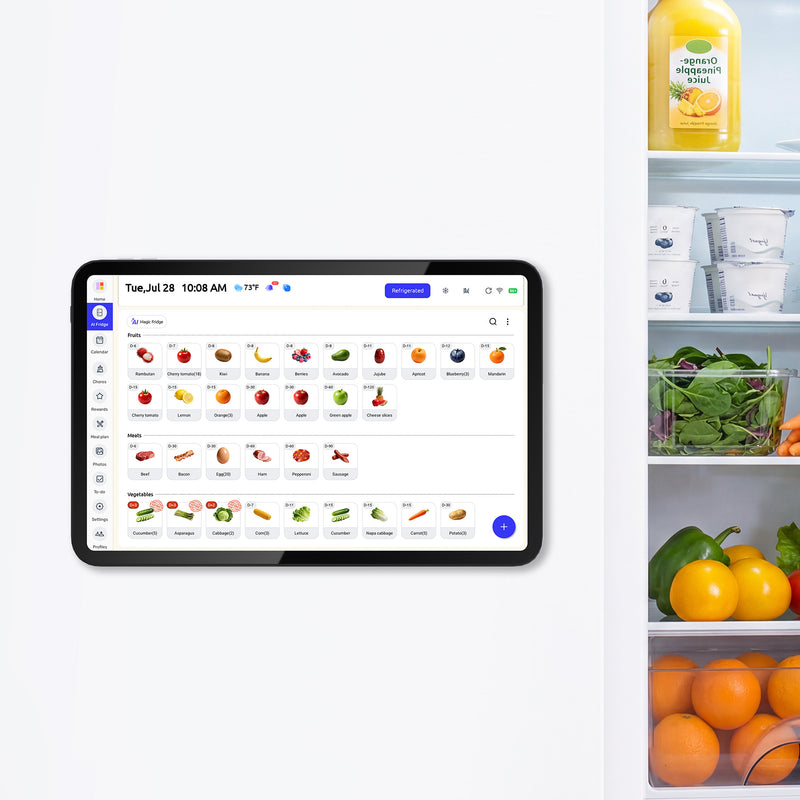
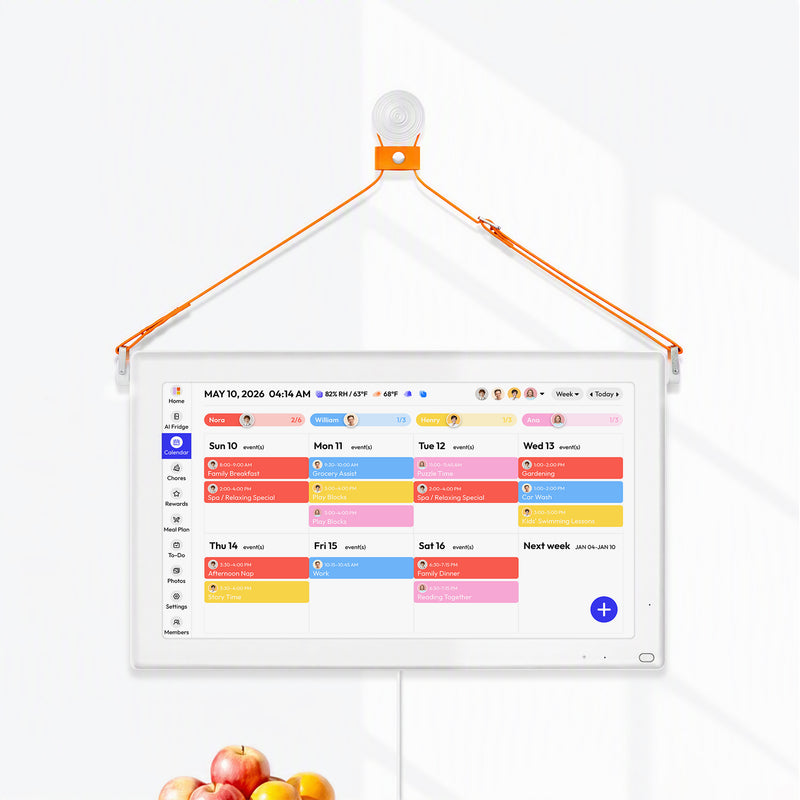
A family display treats the screen as a home communication center, not just a keepsake.
Instead of one audio clip attached to one photo, an integrated display can combine visuals, reminders, lists, and shared inputs in a way that matches how families operate. Some households also pair these screens with other memory formats, such as a personalized book of memories, so they preserve stories while keeping daily logistics separate.
Here is the practical distinction:
| Need | Voice frame | Integrated family display |
|---|---|---|
| Save one heartfelt message | Strong fit | Can do this in broader media form |
| Update family information often | Awkward | Much better fit |
| Support multiple users | Usually limited | Designed for shared visibility |
| Help with routine planning | Poor fit | Core purpose |
| Act as a household hub | Not built for it | Built for it |
A keepsake frame preserves yesterday well. A family hub helps with today.
Why this shift matters for busy parents
Parents are not wrong to want both.
You may want the tenderness of a child’s recorded voice in one room and a central place for schedules, chores, and meal plans in another. Those are different jobs. Problems start when one product is expected to do both.
The most useful mindset is to stop asking whether a voice frame is “worth it” in general. Ask whether it fits the role you need it to play.
If you want a sentimental object, it can be a wonderful choice.
If you want a calmer morning routine, fewer forgotten tasks, and one visible place where the household stays in sync, you are looking for a different kind of device.
Frequently Asked Questions About Voice Recording Frames
Can you re-record the message
Usually, yes.
Many voice recording frames let you overwrite the existing audio by pressing the record button again. That is helpful if you want to refresh a message for a birthday, holiday, or new photo. Check the product description carefully, because some gift-style items are meant to feel permanent even when they are technically replaceable.
How long do recordings usually last
It depends on the model.
The available product information in this category shows short-message designs are common, with many products built around brief recordings rather than long narration. If you want to save a fuller story, confirm the time limit before buying.
Will the message disappear if the battery dies
Often, no.
Many models use non-volatile storage, so the audio stays saved even when batteries are depleted or replaced. That makes them much safer for long-term keepsakes than people assume.
Are voice messages private
Private in a basic physical sense, yes. Secure in a modern account-based sense, not always.
Most simple frames do not connect to the internet, which limits digital exposure. But anyone holding the frame may be able to play or overwrite the message if there are no user controls. If privacy matters, think about where the frame will sit and who can handle it.
Do voice recording frames need a subscription
Simple voice frames usually do not.
More advanced digital displays vary. Some work as standalone hardware, while others tie certain features to apps or services. Read the fine print so you know whether you are buying a one-time keepsake or entering a broader platform.
Are they good for family reminders
For occasional reminders, maybe.
For ongoing family coordination, they are usually not the best tool. A single-message device becomes limiting fast when multiple people need to update information regularly.
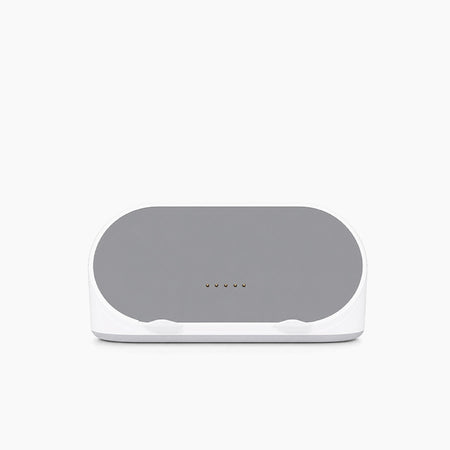
If you love the warmth of a voice frame but need something that also helps your household stay organized, Everblog is worth a look. It brings schedules, chores, meals, grocery lists, photos, and videos into one shared family display, with voice entry, no subscription, and a 2-year warranty. For busy parents who want more than a one-message keepsake, it offers a more practical way to keep family life visible and connected.


