






Somewhere between dinner cleanup and lights out, the evening can turn into a slow-moving standoff. One child cannot find pajamas. Another suddenly remembers a homework question. Someone needs water, then a different cup, then one more hug, then one more story. You are not failing because bedtime feels hard. You are dealing with a transition that asks tired kids to stop, separate, and settle, usually at the exact time adults are running low on patience too.
A workable kids bedtime routine does not depend on saying the right thing in the right tone every night. It depends on building a rhythm that keeps moving even when everyone is a little off. The families who seem calm at bedtime usually do not have easier children. They have fewer decisions left to make.
That is the shift that matters. Stop treating bedtime like a list you have to remember and start treating it like a family system. When the sequence is visible, predictable, and shared by every caregiver, the battles get shorter and the evenings feel less personal.
Why Your Current Bedtime Routine Is Not Working
At 7:45 p.m., everything looks close to done. Teeth are brushed. Pajamas are on. Then the stalling starts.
A child wants to show you a drawing. Another says the blanket feels wrong. Someone remembers they are hungry, even though they ignored dinner. You give one more reminder, then five more. By the time the room is quiet, you are frustrated, they are wired, and nobody feels good about how the night ended.
That pattern usually points to one problem. The routine exists in your head, not in the household.
Effort is not the issue
Most parents are already trying. They have a bath on some nights, stories on others, maybe a general bedtime target. What is missing is the repeatable structure that tells kids, without negotiation, what happens next.
Children handle transitions better when they can predict them. If the order changes every night, or if the end point keeps moving, kids keep testing. Not because they are manipulative. Because the system is unclear.
A bedtime routine fails when it has these traits:
- Too many decisions: Kids choose every step, every book, every snack, every delay.
- No fixed endpoint: Lights out keeps sliding depending on mood, mess, or parent energy.
- Different caregiver rules: One adult allows roughhousing after pajamas. Another expects immediate quiet.
- Late stimulation: Screens, bright lights, sibling chaos, and rushed cleanup all keep the brain activated.
Small inconsistency shows up the next day
The cost of bedtime chaos is not just a longer evening. It follows your child into the next morning.
According to CDC data on regular bedtimes and daytime tiredness in school-aged children, children with regular bedtimes were about half as likely to feel tired during the day, 5.9% compared with 13.0% for children without regular bedtimes. That matters for school, mood, and patience at home.
A strong kids bedtime routine is not a parenting performance. It is a predictable pattern your child can follow even on an imperfect night.
What works better
The fix is usually less dramatic than parents expect. You do not need a Pinterest routine or a perfect sleeper. You need:
- A short sequence
- The same order each night
- One adult response to stalling
- A visible finish line
When bedtime starts feeling easier, it is rarely because children suddenly love going to bed. It is because they know what comes next, and there is less room to bargain about it.
The Building Blocks of a Successful Bedtime Routine
A good bedtime routine is simple enough to repeat when life is busy. If it only works on calm nights, it is not a real system.

Think in signals, not tasks
Kids do not fall asleep because parents said “it’s bedtime” enough times. They fall asleep more easily when the hour before bed sends the same signals, in the same order, night after night.
The strongest signals are boring on purpose. Lower light. Quieter voices. Fewer choices. Familiar steps. Nothing in that list is exciting, and that is exactly why it works.
A useful way to build your routine is to make sure it includes four parts:
| Part | What it does | Examples |
|---|---|---|
| Wind-down | Lowers the pace of the house | Bath, dim lights, quiet play |
| Hygiene | Anchors the routine with practical tasks | Toilet, teeth, pajamas |
| Connection | Helps kids feel safe enough to separate | Reading, cuddling, brief chat |
| End point | Removes uncertainty | Song, kiss, lights out |
If one of these pieces is missing, bedtime often drifts. The child does not know when it really starts, or when it is over.
Keep the routine short and repeatable
Parents often overload bedtime with every good intention they had all day. Extra books because you feel guilty. Long talks because you were busy. A late snack because dinner was rushed.
That usually backfires.
For most families, the strongest bedtime routines are compact. A short sequence is easier to defend when you are tired, and easier for kids to memorize. If your child cannot tell you the order, the routine is probably too loose.
Build the room for sleep
The environment matters because it either supports the routine or fights it.
Focus on these basics:
- Light: Dim the house before bed. Bright light tells the brain to stay alert.
- Noise: Keep the sound steady. Quiet music or white noise can help if the home is busy.
- Temperature: Aim for comfort, not stuffiness. Overheated rooms can make settling harder.
- Clutter: Too many toys in sight can pull children back into play mode.
The physical setup should make sleep the easiest next step.
Screens are the usual routine killer
Many bedtime problems start before bedtime technically begins. A child who comes straight from a fast show, game, or scrolling session into pajamas is rarely ready to settle.
The issue is not just the device itself. It is the speed, novelty, and emotional charge that comes with it. Screens make it harder to shift into the slow rhythm bedtime needs.
If your family wants a practical reset, create a simple rule. Screens end before the bedtime sequence starts. Then the routine can do its job.
Adults need one shared script
A bedtime routine gets stronger when every caregiver handles it the same way. That includes parents, grandparents, babysitters, and co-parents.
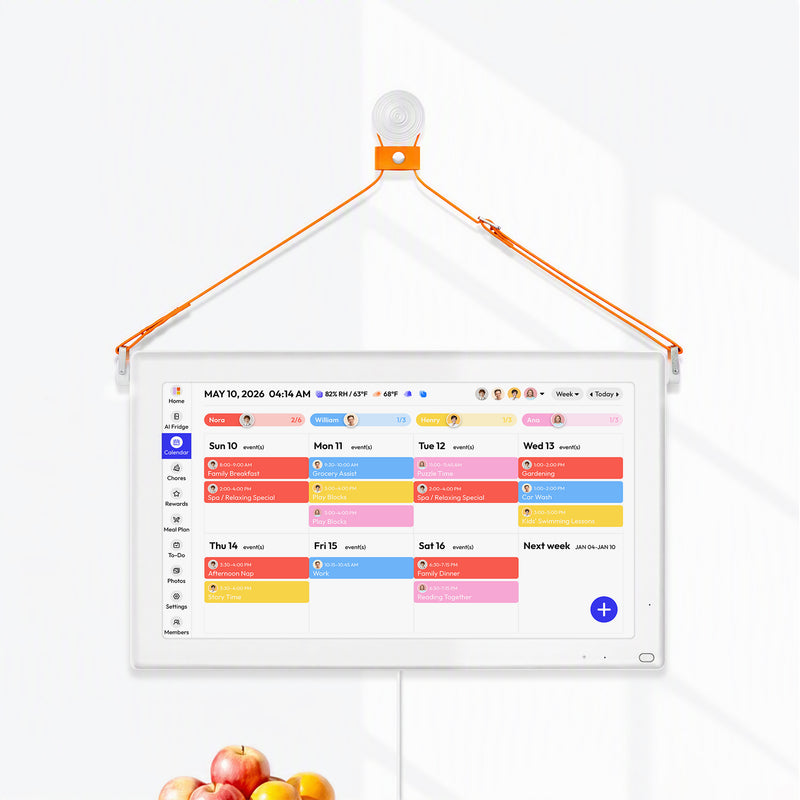
The easiest way to do that is to put the routine somewhere visible and shared. A digital family calendar can help centralize routines and caregiver expectations, especially when pickups, activities, and handoffs change through the week.
If adults improvise every night, children will test every night. Consistency from caregivers creates calm faster than extra reminders do.
What works in real homes
The bedtime routines that hold up usually have these traits:
- Predictable order: Bath or wash up, teeth, pajamas, story, bed
- Limited choices: “Blue pajamas or green pajamas?” works better than open-ended discussion
- Clear handoff into sleep: A final phrase, song, or back rub that signals the routine is done
- No reopening the routine: Once lights out happens, you do not add snacks, extra books, or fresh negotiations
A useful kids bedtime routine does not aim to make the child happy at every step. It aims to make bedtime familiar enough that resistance loses momentum.
Age-by-Age Bedtime Routine Blueprints
What works for a toddler often irritates a school-age child. What helps a preschooler feel secure may overstimulate an infant. The routine should match the child’s stage, not just the clock.

Infants
For infants, the goal is not a perfect schedule. The goal is recognizable sleep cues.
At this age, the sequence matters more than the exact minute. Keep it calm and repetitive. A feed, a diaper change, a sleep sack or swaddle if appropriate, a short song, then into bed drowsy but calm is often enough.
A sample flow might look like this:
- Feeding: Keep the room quiet and lights low.
- Changing: Treat it like part of the sleep cue, not playtime.
- Comfort step: Rocking, humming, or gentle swaying.
- Into bed: Put baby down before they become fully asleep if that works for your family.
What does not work well is turning the whole process into a long social event. Bright light, loud talking, and extended stimulation make it harder for infants to settle.
A simple script helps adults stay calm too: “It’s sleep time now. Feed, change, cuddle, bed.”
Toddlers
Toddlers need two things at bedtime. Predictability and controlled choice.
This is also the stage when consistency pays off early. Research on toddlers found that 63% of 12-month-olds had a bedtime routine on most nights, rising to 85% by 24 months, and early consistency at 12 months predicted better emotional regulation at 15 months in this toddler bedtime routine study.
That finding lines up with what many parents see at home. Toddlers who know the order often melt down less because they are not guessing what comes next.
A practical toddler routine often works best in a fixed order:
- Bath or wash-up
- Teeth
- Pajamas
- Two books
- Song or cuddle
- Bed
The key is to make choices small and safe.
Try saying:
- “Do you want the duck pajamas or the striped pajamas?”
- “Do you want Mommy to read first or sing first?”
- “You can hold the bear or the bunny in bed.”
Do not ask, “Are you ready for bed?” That invites a debate.
Here is the line I like most for toddlers: “You don’t have to like bedtime. You do have to do bedtime.”
Later in the routine, keep language short. Too much talking wakes toddlers back up.
A short video can help some parents visualize the flow before trying it at home.
Preschoolers
Preschoolers usually understand the routine well enough to participate, which means bedtime can either become smoother or turn into a courtroom.
This age asks “why” at exactly the moment you want speed. The answer is not longer explanations. The answer is a routine they can almost run by themselves.
Use a simple order and let them help complete it. Many preschoolers respond well when they can “finish” each step and feel competent.
A sample preschool plan:
| Time window | Step | Parent job |
|---|---|---|
| Start of routine | Bathroom and teeth | Supervise, keep pace brisk |
| Middle | Pajamas and room reset | Give one clear direction at a time |
| Connection | One or two books | Keep reading calm, not silly |
| Finish | Brief recap of tomorrow, hugs, lights out | End warmly and firmly |
Preschoolers often stall with language. They ask for one more question, one more thought, one more explanation.
Use scripts that close the loop:
- “That is a good question. We can talk about it tomorrow.”
- “You may choose one book. After that, lights out.”
- “I hear that you want more time. Bedtime is still now.”
Give choices early in the routine. Hold the line late in the routine.
Another useful move is to stop changing the rules midstream. If books are part of bedtime, decide the number before you start and keep it there. Preschoolers are excellent negotiators when they sense uncertainty.
School-age kids
School-age children can handle more responsibility, but they still need structure. Many bedtime problems at this stage come from drifting. Homework runs late. Sports end late. Kids start reading in bed, then ask for a snack. Parents assume older kids need less routine, so the routine weakens.
They still need one.
A strong school-age routine usually includes:
- A clear start time
- Independent prep tasks
- A short connection moment
- A consistent lights-out time
Try this format:
- Independent zone: Wash up, teeth, pajamas, school stuff ready for morning
- Parent check-in: Brief talk about the day or tomorrow
- Quiet settle: Read alone for a short period if that helps the child wind down
- Lights out: Same phrase, same end point
What works well with this age group is shifting from hands-on help to accountability. You are not doing every step for them. You are checking whether the routine happened.
A script for this age sounds different:
- “Your job is to finish the checklist before story time.”
- “If the routine starts late, the steps stay the same but free time shrinks.”
- “You can read until lights out. After that, the room rests.”
Teenagers
Teens push back for different reasons. They are less interested in a ritual and more affected by schedule creep, homework, social life, and screens.
Keep the bedtime routine less childlike, but still structured. Focus on sleep hygiene, device boundaries, and a consistent night rhythm. A teen may not want a parent-led bedtime, but they often still benefit from a predictable shutdown sequence.
Useful anchors include:
- device cutoff
- shower or face wash
- prep for the next morning
- low-light quiet time
- consistent sleep target
Do not treat teens like toddlers, but do not assume they can regulate late nights well without support. They still need a system. It just needs to respect more independence.
Gamify and Manage Your Routine with Everblog
A kids bedtime routine breaks down in two places. First, adults forget or improvise. Second, children stop cooperating when every step depends on verbal reminders.
That is why a management system matters.

Turn the routine into something visible
Children do better when they can see progress. Adults do better when the routine is not trapped in memory.
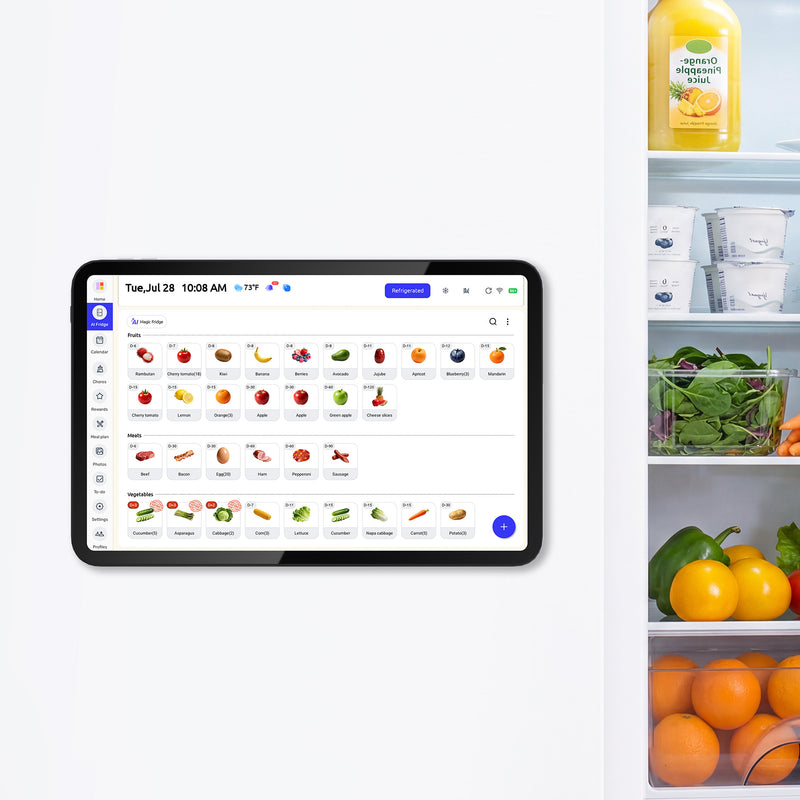
One practical option is Everblog, a shared digital family wall calendar with tools such as a Chore Manager, Rewards Tracker, companion app, and voice entry. For bedtime, that means you can turn “get ready for bed” into a visible sequence instead of a vague instruction.
A bedtime checklist might include:
- Bathroom first: Toilet, wash hands, brush teeth
- Room reset: Dirty clothes in hamper, backpack in place
- Bed prep: Pajamas on, water bottle filled if that is part of your plan
- Connection step: Story, song, or cuddle
- Finish: Lights out
When the routine lives on a central display, the adult stops being the only source of truth. The screen shows the order. The child follows the order. That alone can reduce a lot of repeated nagging.
Use motivation before you need conflict
Some kids respond well to verbal praise. Others need a more concrete incentive, especially when the routine includes several tasks they do not enjoy.
A digital chore chart can help turn repeated bedtime steps into a trackable routine. The point is not to bribe children for basic life skills forever. The point is to build a habit until the sequence feels normal.
Examples that work better than random rewards:
- Completion-based rewards: A child completes the full bedtime list for several nights and earns a privilege.
- Routine streaks: Visual progress helps kids who like seeing a chain continue.
- Sibling fairness: Everyone can see what counts, which cuts down on “that’s not fair” arguments.
What does not work is moving the target. If one night “done” means teeth and pajamas, and another night it includes reading and room cleanup, kids learn that the system is flexible and worth testing.
Keep caregiver communication in one place
Bedtime often gets messy when one caregiver starts the routine and another finishes it. Or when a grandparent handles pickup. Or when a co-parent has a different assumption about what “bedtime” means.
Centralizing the routine helps because everyone can see the same plan. Voice entry is useful here too. If you realize during dinner that a child still needs a bath or hair wash, you can add it quickly without stopping the whole evening to rewrite a paper list.
The less bedtime depends on memory, the more likely it is to survive a busy week.
Use the tool to support the routine, not replace parenting
No wall calendar or app puts a child to bed for you. The value is in removing friction.
It can help you do three important things:
- Make the routine concrete
- Keep all caregivers aligned
- Reduce how much you repeat yourself
That changes the feel of the evening. Instead of chasing every step, you guide the routine and hold the boundary at the end.
Troubleshooting Common Bedtime Battles
Even the strongest routine gets tested. Children get overtired, parents get delayed, and some nights fall apart for reasons nobody can control. The answer is not to abandon the routine. The answer is to know what to do when the common problems show up.

When your child stalls for time
Stalling is rarely about the water, blanket, question, or missing stuffed animal. It is about delaying separation.
That means logic usually does not help much. Speed and predictability help more.
Use this response pattern:
- Acknowledge once: “You want more time with me.”
- State the next step: “Now it’s pajamas.”
- Do not open a discussion: Move physically toward the next part of the routine.
If the same requests appear nightly, build them into the routine or remove the opening for them. If your child always asks for water after lights out, place water by the bed before the final story. If they always ask what tomorrow looks like, add a two-minute tomorrow preview before the last cuddle.
What does not work is giving a little extra every time. Children learn quickly which delay tactics buy time.
When your child leaves the room repeatedly
This one needs a calm, boring response.
Walk them back. Use very few words. Put them back in bed. Repeat.
The goal is not to deliver a better speech each time. The goal is to make leaving the room uninteresting and bedtime more predictable than the alternative.
Useful scripts:
- “It’s bedtime. Back to bed.”
- “I’ll see you in the morning.”
- “No more talking now.”
Do not restart the whole routine after each exit. That teaches the child that getting up earns more attention.
When fear shows up at bedtime
Fear of the dark, fear of being alone, and fear after a hard day are common. Children need comfort, but they also need the boundary to stay recognizable.
You can validate without turning bedtime into a long reassurance loop.
Try this approach:
| If the child says | Parent response |
|---|---|
| “I’m scared.” | “I hear that. I’m staying calm, and you are safe in your room.” |
| “Don’t leave.” | “I will check on you in a few minutes.” |
| “I need all the lights on.” | “We can use a small light, and the room stays restful.” |
A comfort object, a dim nightlight, or a predictable check-in can help. Long debates about whether the fear is reasonable usually do not.
When siblings disrupt each other
Shared rooms and close bedtimes can be tricky. One child wants to talk. Another wants silence. Someone gets silly the second the lights dim.
In that case, bedtime needs more separation in the process even if sleep happens in the same room.
Options that work:
- Stagger the final steps: Read to one child outside the room, then tuck both in.
- Assign clear room rules: Whisper only, bodies stay in bed, no toys after lights out.
- Use different settling tools: One child reads briefly, the other listens to white noise.
The mistake here is trying to reason through every conflict after both children are already in bed. Solve the setup earlier.
When co-parents and blended families need one routine across homes
This is one of the biggest weak spots in bedtime advice. Many routines assume one household, one set of rules, and one parent managing the evening from start to finish. That is not reality for many families.
In the United States, many children live in blended families, and research cited in this area notes that establishing consistent routines across homes can reduce child stress by 25% in split families. That makes coordination more than a convenience. It is part of helping children settle across changing environments, as noted in this discussion of children in blended families and routine consistency.
The goal across homes is not identical decor or identical parenting style. It is a shared bedtime backbone.
Agree on:
- A similar start window: Keep bedtime from swinging wildly between homes when possible.
- The same core order: Bathroom, teeth, pajamas, reading, bed.
- The same language: Use one or two shared phrases so the routine feels familiar.
- The same clear boundaries: Screens off before bed, no snacks after a certain point, clear lights-out boundary.
A shared calendar matters here because handoffs often cause confusion. If one home has sports pickup and the other handles homework nights, the child still benefits from seeing a stable bedtime pattern.
For children who need fast feedback and clear reinforcement, short-term visual incentives can also help. This piece on reward charts for ADHD and short-term feedback loops is useful if bedtime falls apart because the child loses momentum halfway through the sequence.
Across two homes, consistency does not mean sameness in every detail. It means the child can recognize bedtime no matter whose house they are in.
When parents become the biggest variable
Sometimes the routine is solid and the problem is adult inconsistency. One night you are patient. The next night you are exhausted and skip half the steps. Then the next night you overcorrect.
That happens. But children notice.
The fix is to lower the routine to the version you can repeat. If your current bedtime takes too long, trim it. If every step depends on one parent doing everything, delegate. If nights feel reactive, write out the exact order and stop improvising.
A workable bedtime routine is not the one that sounds nicest. It is the one your household can carry on an ordinary Tuesday.
Your Weekly Workflow for Lasting Bedtime Success
The families who keep bedtime steady usually rely on a weekly reset, not nightly willpower. They take a few minutes before the week starts and make the routine easier to repeat.
Call it a Sunday Sync or any name your family will remember. The point is simple. Review the week before the week starts running you.
The five-minute reset
Use one short check-in to confirm:
- Schedule changes: Late practices, evening appointments, pickups, family events
- Bath nights and hair wash nights: Decide them ahead of time
- Caregiver handoffs: Who starts bedtime, who finishes, who is handling which child
- Routine expectations: Any temporary adjustment for illness, travel, or a late event
That quick review helps you avoid the most common bedtime collapse, which is acting surprised by a week you already knew was coming.
The nightly rhythm that lasts
Once the week is set, evenings get simpler. You are no longer deciding everything in real time.
A lasting kids bedtime routine usually follows this pattern:
- Same start cue each night
- Same core order
- Same end point
- Short review if something failed
If a night goes badly, do not redesign the whole routine at 9:30 p.m. Make one note. Fix one problem the next day. Most bedtime issues improve through repetition, not through constant reinvention.
What to track each week
Do not track everything. Track the few things that tell you whether the system is holding.
Good questions include:
- Did bedtime start roughly when we planned?
- Did every caregiver follow the same order?
- Which step caused the most friction?
- What can we remove, simplify, or make more visible?
Consistency beats perfection. A simple routine repeated most nights works better than an ideal routine used once in a while.
Bedtime becomes calmer when the household stops negotiating it from scratch every evening. Start smaller than you think you need to. Keep the sequence tight. Make the expectations visible. Then repeat it long enough for everyone to trust the pattern.
If you want one place to manage routines, schedules, chores, and bedtime expectations across the whole household, take a look at Everblog. It gives families a shared hub for the details that usually slip through the cracks, which makes calm evenings easier to sustain.


