


A shared planning hub gives your household one clear place for schedules, papers, meals, and reminders. When everyone knows where to look, daily coordination gets calmer and faster.
Do mornings feel like a scavenger hunt for permission slips, practice times, and the one key everyone needs? The payoff from one shared hub is simple and measurable: you spend less time repeating the same answers and less energy recovering from preventable mistakes. You can set up a version that fits your space, your kids’ ages, and your routine without turning the wall into another source of stress.
What One Shared Planning Hub Actually Means
A family calendar is a shared system for organizing household schedules, appointments, activities, and important dates in one place. A family command center goes one step further by combining that calendar with the supporting items that keep daily life moving, such as school papers, meal notes, keys, mail, and short reminders. In practice, the hub becomes the household’s single source of truth, which matters far more than whether it is pretty, large, or expensive.

A family command center works best when it is built around real family behavior rather than a photo-perfect template. In homes with kids, the most useful setup is usually the one that answers the same daily questions before anyone has to ask them. If your family asks, “What’s for dinner, who has practice, and did anyone sign the form?” your hub should solve those problems first.
Why Families Do Better With One Visible Source of Truth
Digital wall calendars exist because phone calendars are not always visible to the whole household, while paper calendars require manual updates. That gap is where many families get stuck. A parent may have the right information on a phone, but if a child, grandparent, or partner cannot see it easily, the system is still fragile.
A centralized family calendar can reduce chaos because it improves communication and coordination across the household. The reason is straightforward: visible plans lower the mental load on one person. If two adults and two kids each ask only two schedule questions per day, that is eight interruptions. Put those answers in one consistent place, and the household stops depending on one parent to act like a live help desk.
A family command center near a high-traffic area is usually used more than one tucked by a side door or hidden in a private office. That pattern appears across family organization advice for a reason. Shared tools only work when people naturally pass them, glance at them, and trust them to be current.
Where the Hub Should Live
Small homes can still support a strong command center because the best location is not the biggest wall but the place that reduces friction during the busiest part of the day. If your household has a hard 7:45 AM exit time, put the hub where that deadline is felt most clearly: near the kitchen, garage entry, mudroom, side of the fridge, or inside a cabinet door by the breakfast area. That is where forgotten library books, missing checks, and last-minute form signatures usually surface.

Visibility matters more than aesthetics when choosing the exact spot. A command center that is too hidden becomes decorative storage. One that is too exposed can become visual clutter. The sweet spot is a shared path your family already uses every day without letting the hub take over the main living room.
A cohesive command center should hold only the items your family needs to act on regularly. For most households, that means a calendar, a place for incoming papers, a short meal plan, a drop zone for keys or bags, and one board or file area for items that still need attention. If it becomes a dumping ground for everything, it stops being a planning hub and turns into a guilt wall.
Paper, Digital, or Hybrid?
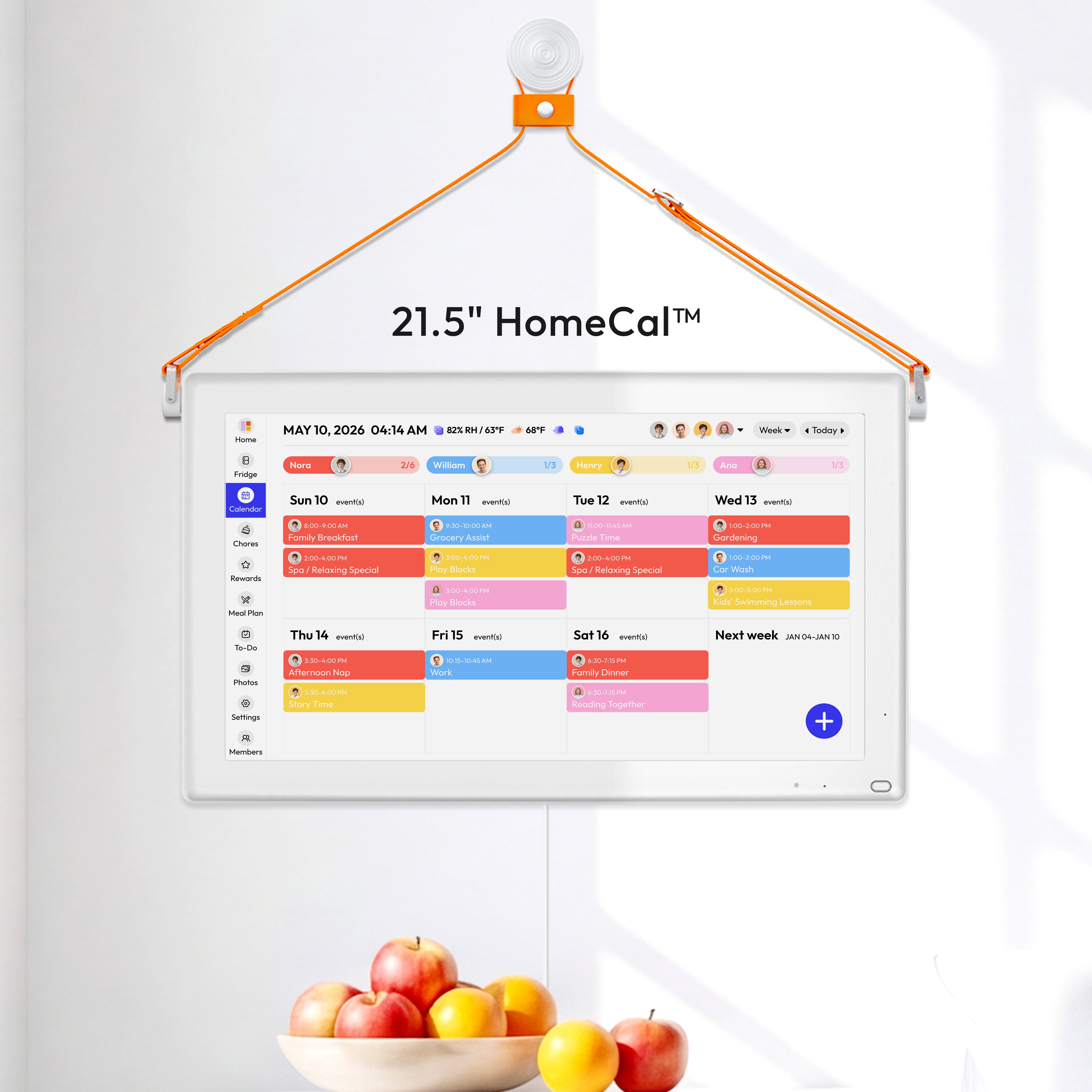
A shared display in the kitchen or morning routine area is often more effective than a digital tool hidden on personal devices, but that does not mean every family needs a smart screen. The right format depends on who needs access, how often plans change, and whether reminders need to sync automatically.
Format |
Best fit |
Main advantage |
Main limitation |
Paper wall calendar |
Families who want a simple, visible monthly view |
Easy to glance at, easy for kids to understand, no login needed |
Manual updates, limited reminders, harder to sync |
Digital display |
Families with frequent schedule changes across multiple devices |
Auto-sync, alerts, shared visibility, often combines chores and lists |
Higher cost, power and Wi-Fi dependence, can add complexity |
Hybrid setup |
Families who want both visibility and portability |
Big-picture wall view plus on-the-go updates from phones |
Requires discipline to keep both views aligned |
A dry-erase monthly view paired with a mobile calendar is often the most practical middle ground. The wall gives children and tired adults a clear snapshot of the week, while the phone handles alerts, schedule changes, and details like addresses. That combination is especially helpful when one parent is out of the house but still needs to update everyone else in real time.

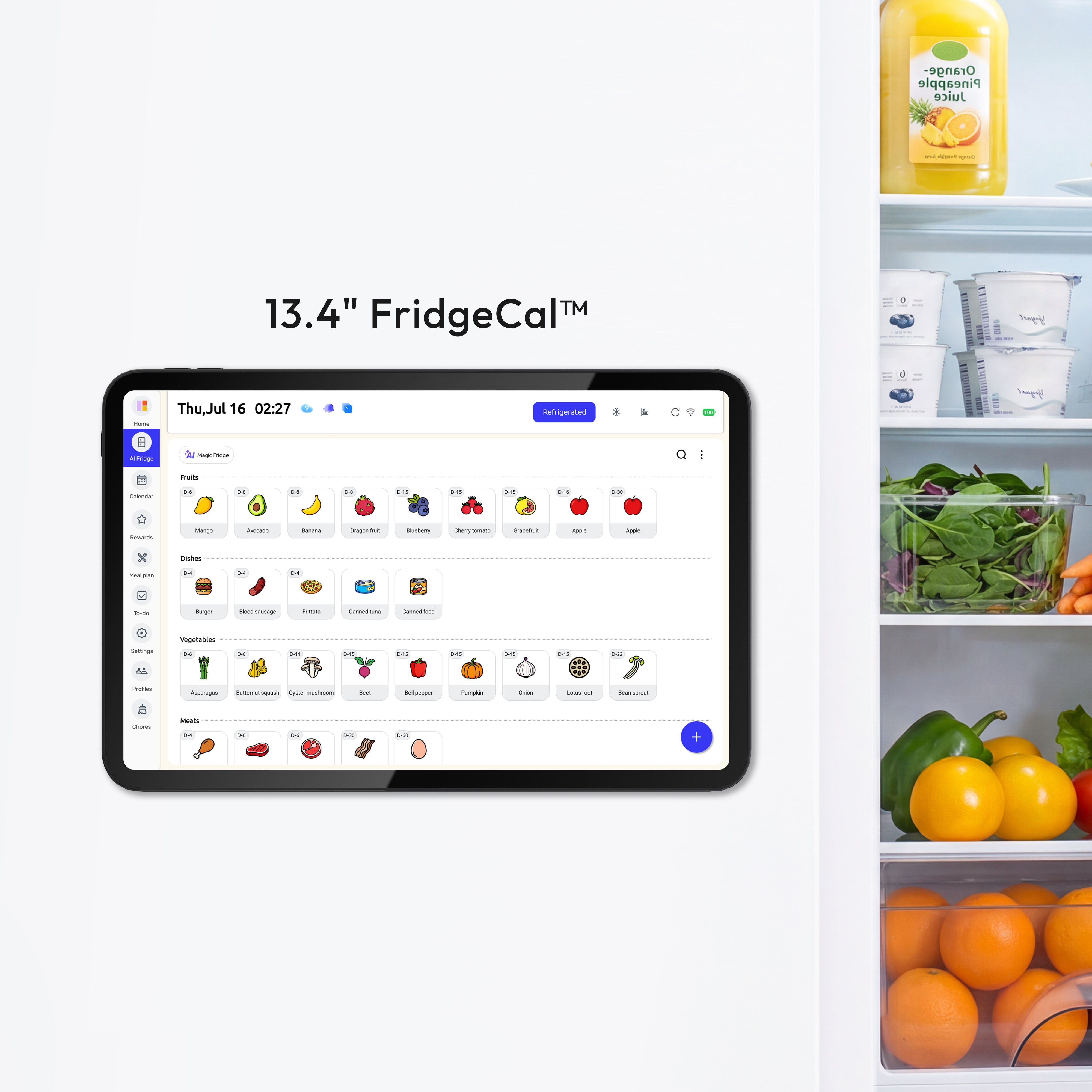
Smart family calendar products can also combine chores, meal planning, and task lists into the same shared view. That can be genuinely useful if your household already juggles multiple apps for the same routine. The downside is that extra features help only if your family will actually use them; otherwise, they become expensive clutter with a power cord.
How to Set It Up Without Creating Another Chore
A good command center starts with priorities and practicality, not with buying every organizer at once. The calmest setup starts small. Pick the one or two failures that cause the most stress, then build around them. If dinner decisions fall apart at 5:30 PM and forms go missing on Thursdays, your first version should include a weekly meal area and a paper-action zone before anything else.
Morning-use items deserve the first claim on the space. That rule is blunt, but it works. If you need it before school or work, it belongs in or near the hub. If you rarely use it, store it somewhere else. That is how a small planning station stays useful instead of becoming overloaded.
Family calendars stay reliable when they are reviewed daily and reset weekly. In practice, that means a quick parent check-in each day and a short family review once a week, often on Sunday evening. A realistic weekly reset takes about 10 minutes: add new events, clear finished papers, note meals for the week, and check whether anyone needs supplies, signatures, or rides. Short and repeatable beats elaborate and abandoned.

Paperwork should trigger an immediate next step, not just a place to sit. When a form comes into the house, add the due date to the calendar right away, note any related errand, and file it in the action slot. That single habit prevents many of the “I saw it, but I forgot it” failures that make family systems feel unreliable.
When a Smart Digital Display Is Worth It
Independent testing suggests these devices are convenience tools, not magic fixes. They are worth the investment when your family already relies on shared digital calendars, schedule changes are frequent, and you need everyone to see updates without asking. They are less compelling when your schedule is stable, your kids are very young, or a simple dry-erase board already solves most of your coordination problems.
A smart shared calendar with remote updates can be especially helpful for households balancing work shifts, sports, school events, and chores in the same week. The strongest use case is not novelty; it is reducing the lag between “a plan changed” and “everyone knows it changed.” If that lag causes real friction in your home, a digital hub may earn its place quickly.
A steady home usually does not need more information. It needs one trusted place for the right information. Build the hub around your hardest daily moments, keep it visible, and keep it current, and the whole house will feel lighter.


