


When a dad’s job brings danger, overnight shifts, and sudden schedule changes into family life, stability comes from reliable routines, honest communication, and backup plans. This article explains how families can reduce stress, help children feel safer, and protect their relationship.
Does your whole evening change when a shift runs long, a phone call comes in, or your child asks, “Is Dad safe?” Families in police and fire life do better when they stop chasing a normal calendar and start building reliable routines around the reality they actually live.
Why First Responder Family Life Feels Harder Than Ordinary Shift Work
Family resilience is the set of habits and processes a household uses to adapt, recover, and keep functioning under stress. In police and fire families, that stress is not just about long hours. It often includes missed holidays, sudden overtime, safety fears, emotional spillover from traumatic calls, and the constant need to rework family plans quickly.

That strain affects children too. Children of first responders often live with persistent worry, separation anxiety, and social isolation because they know the job carries real risk and because the schedule can pull a parent away from school events, bedtime, and weekend plans. At the same time, many kids also feel proud of what their parent does, which is why this life can feel confusing: pride and fear often exist side by side.
A useful definition here is secondary trauma, sometimes called vicarious trauma. It means a spouse or child is affected by the emotional impact of someone else’s traumatic work, even if they were not present at the event. In daily family life, that may look less like dramatic scenes and more like irritability at dinner, emotional distance after a shift, a child who clings at school drop-off, or a partner who feels they are carrying the whole household alone.
Build Stability Around Anchor Routines, Not Perfect Schedules
Nonstandard schedules are one of the most common family stressors in first responder research, so the most practical fix is not a rigid timetable. It is an anchor routine: a few things that happen consistently no matter what shift Dad is working. In many homes, that means a short video call before bed when he is on duty, pancakes after a 24-hour shift once he has rested, and one protected family block on the calendar each week.

This approach works better than trying to make every day look the same. A rigid routine gives kids something to expect, but police and fire work can disrupt it constantly, which makes everyone feel as if they are failing. A flexible anchor routine still gives children predictability, but it bends when the job changes. If Dad works two 24-hour shifts in one week, the family may protect only three key touchpoints instead of trying to preserve every meal and activity.
Parenting around shift work also improves when the parent returning home does not move straight from fatigue into full family demand. A short recovery nap, a quick update from the at-home parent, and then one-on-one time with each child often works better than forced togetherness. In practice, that can look like 20 to 30 minutes to shower, eat, and reset, followed by 15 focused minutes with each child before the evening gets busy.
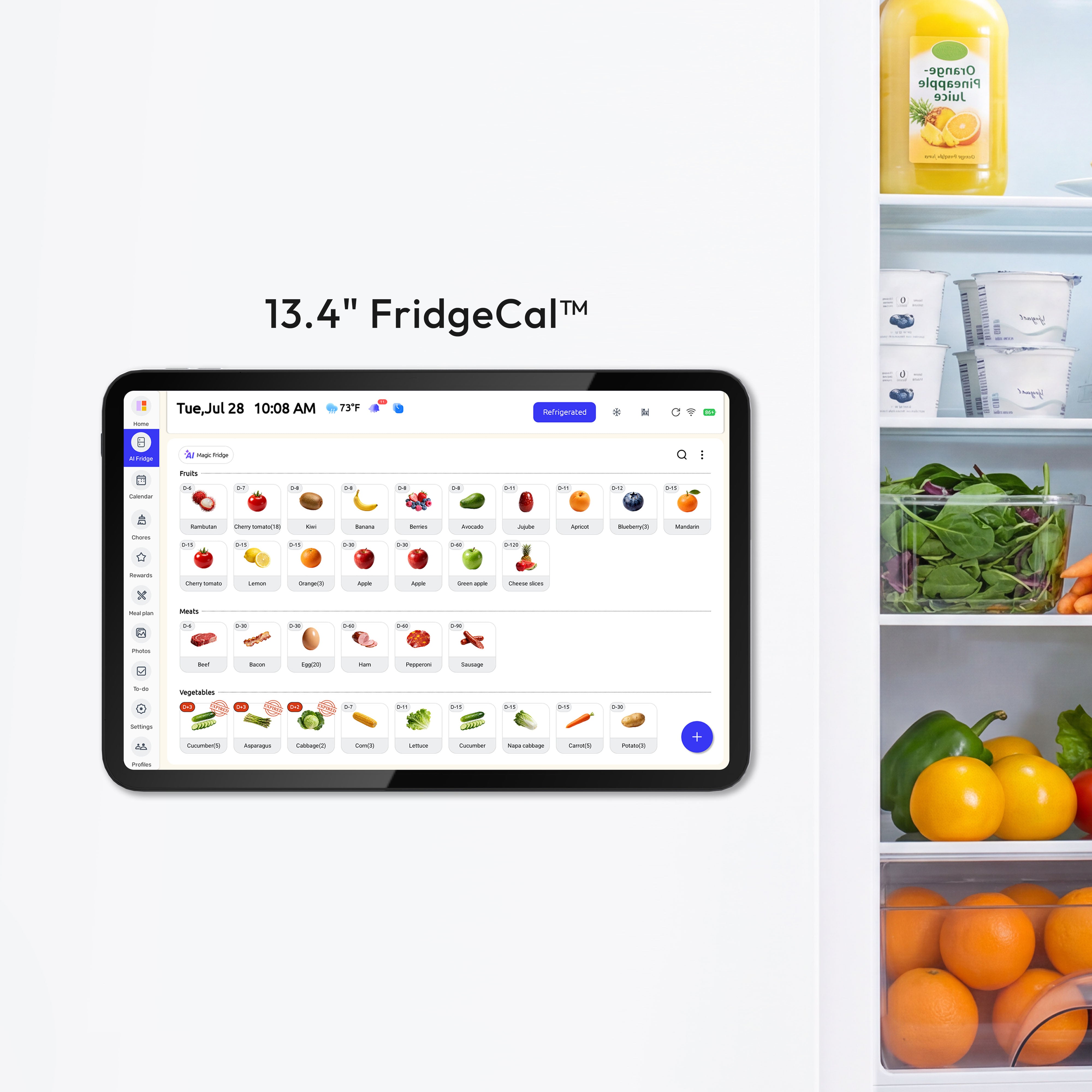
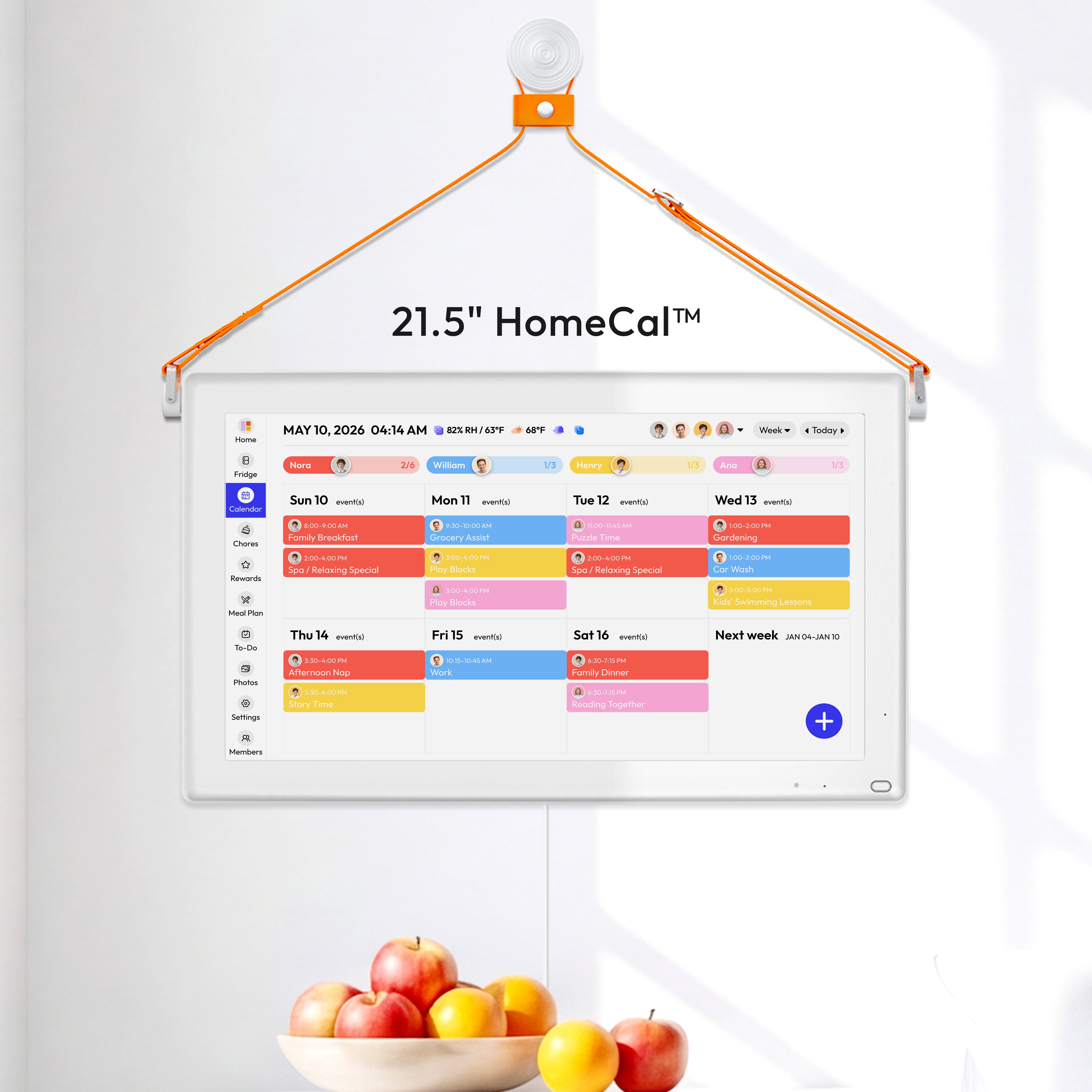
Practical home organization matters more than many families realize. A shared digital calendar, a visible meal plan, and a simple backup plan for when Dad gets held over can reduce decision fatigue. The calmer the logistics, the less emotional stress each schedule change creates.
Help Children Feel Safe Without Making Promises You Cannot Keep
Age-appropriate truth is usually the healthiest approach for kids in first responder homes. Younger children do best with simple, concrete language such as, “Dad helps keep people safe, and his job can change quickly, but we always have a plan.” Older children and teens usually need more room for questions, especially after they hear news stories, community criticism, or comments at school.
What helps most is not a long explanation but repetition. Children calm down when the same reassuring facts keep proving true: someone picks them up on time, they know who to call, dinner still happens, and the adults tell the truth. Family routines such as shared meals, short device-free check-ins, and breaking big worries into smaller steps support emotional regulation just as much as they support school success.

Police families sometimes carry an added burden during periods of public tension. Stigma and peer judgment can leave children feeling isolated or reluctant to talk about their parent’s job. If that is happening, it helps to give your child a few calm sentences they can use, such as, “My dad’s job is complicated, and our family talks about it respectfully at home.” That kind of script prevents children from feeling cornered when classmates or other adults make comments.
Protect the Marriage by Planning for Decompression
Communication is one of the strongest protective factors in first responder families, but good communication does not mean talking immediately or sharing every detail. Many couples do better with a decompression ritual, which is a short, agreed-on transition between work mode and home mode. A common example is 20 quiet minutes after a shift, followed by a real check-in once Dad is present enough to listen.
Discussing work at home has tradeoffs. The benefit is that the first responder does not feel emotionally alone and the spouse is not left guessing. The downside is that too much graphic detail can increase distress for the family. Healthy boundaries usually look like this: talk honestly about stress, mood, and what support is needed, but do not bring every traumatic image into the kitchen.
Family-specific support gaps are still common, which means many couples wait too long to get help. Counseling can be especially useful when the pattern becomes predictable: Dad withdraws after hard shifts, Mom becomes overloaded and resentful, and the children start reacting to the tension. The best fit is usually a counselor who understands police or fire culture, not just general family stress.
Prepare for the Critical Incident Before It Happens
A critical incident is a major event such as a line-of-duty injury, shooting, fatal fire, or other traumatic emergency that affects both the responder and the family. Planning for it does not create fear; it reduces chaos. Families cope better when they already know who would notify them, who can pick up the kids, which documents are current, and who the spouse should call first.

An emergency plan should cover communication, transportation, child care, and basic household continuity. The practical standard from preparedness guidance is simple: know where to go, how to reach each other, and what to take if normal life stops suddenly. If your family has not already set emergency contacts and backup caregivers, that is one of the highest-value tasks you can complete this week.
Trusted communication matters when minutes count. The American Red Cross emergency communication service is designed for military families rather than police or fire households, but it illustrates a principle every first responder family can use: gather critical names, numbers, department contacts, and identifying details before a crisis so the right message reaches the right people quickly.
When Extra Support Is the Strong Choice
Family mental health deserves attention before a household reaches a breaking point. If your child is having frequent meltdowns when Dad leaves, if your spouse feels numb or constantly on edge, or if home life is starting to revolve around one parent’s recovery from work, that is a sign to add support early.
Structured relationship education can help some couples, especially when the issue is not a lack of love but a lack of tools. Skills-based programs for first responder families have reached large numbers of service families with practical training in communication, intimacy, and reconnection. The value is not in having a perfect relationship. It is in learning how to recover faster after strain.
A calmer first responder home is rarely built with one big fix. It is built with a shared calendar, honest words, realistic expectations, and a plan for the hard days before they arrive. When your family knows how to reconnect after disruption, the job stops running the house.


