





A shared digital calendar can make deployment feel more manageable by turning a long stretch of uncertainty into visible milestones, routines, and connection points. When it is set up well, it helps families stay organized and feel closer across the distance.
A deployment can leave families stuck between “How many days are left?” and “When can we call again?” A visible calendar gives everyone one calm place to track time, routines, and touchpoints. The practical benefit is simple: fewer repeated questions, fewer missed check-ins, and a steadier sense of togetherness.
Why a deployment countdown helps more than a regular calendar
Deployment changes how a family experiences time. Days can feel slow for the parent at home and fast for a child waiting for the next video call, school event, or holiday. A countdown gives that waiting some structure. Instead of one large unknown, your family can see smaller markers such as “14 days to care package day,” “3 days to Sunday call,” or “1 week to homecoming month.”

That matters because a shared family dashboard can keep everyone aligned on schedules, activities, and tasks in one place. During deployment, that shared view is not just about efficiency. It lowers the mental load for the adult managing the household and gives children a concrete way to understand what is coming next.
A digital countdown also handles change better than a mental countdown. Leave dates, school events, unit schedules, and communication windows can all shift. A paper countdown can be comforting, but a digital system is easier to update without crossing out half the month and creating more confusion.
What a digital deployment calendar should include
A deployment calendar is most useful when it does more than count days. Shared family calendars with countdown features often combine events, chores, meal plans, and countdowns for birthdays, vacations, and holidays. For a military family, that same structure can be adapted to track deployment milestones, communication windows, and the routines at home.
The most helpful version usually includes three layers. One is emotional, with events like “100 days down,” “Dad’s birthday,” or “send drawings today.” Another is practical, with bill due dates, school programs, child care handoffs, and sports. The third is relational, with repeating events for calls, message windows, or recording a short bedtime video. When those layers live in one place, the deployed parent stays connected to real family life instead of hearing only the highlights afterward.
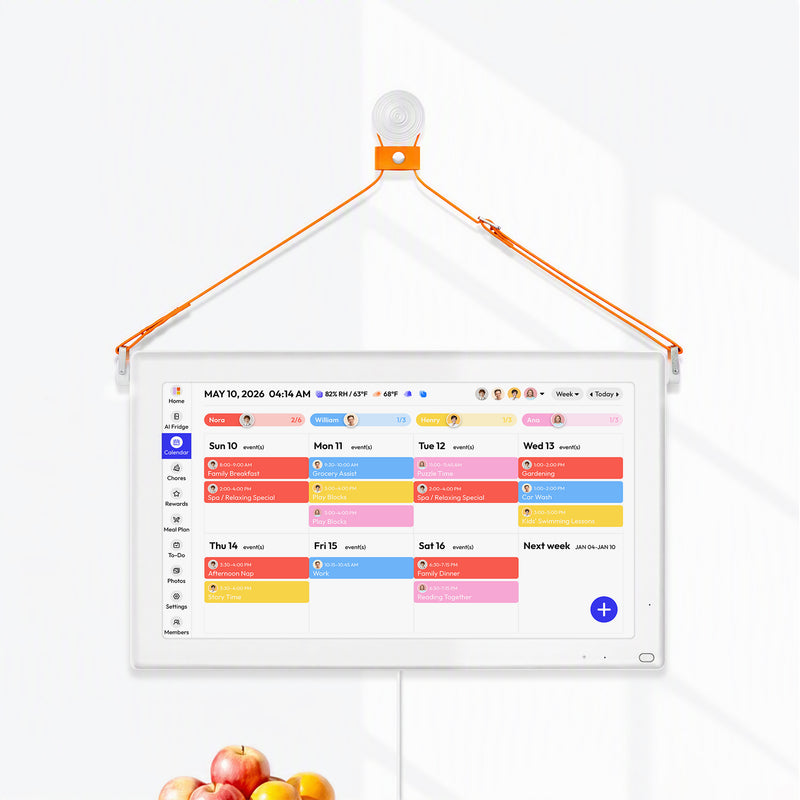
A good example is a family that places a calendar display in the kitchen, where everyone passes it before school and dinner. A child can see that the next call is Wednesday at 7:00 PM, the parent at home can add a rescheduled dentist appointment from a cell phone, and the deployed parent can still feel included because the week is visible and clearly named.

How to set it up so it actually reduces stress
Start with one shared source of truth
The first job is not adding features. It is choosing one calendar the household trusts. Shared systems work best when schedules and household information live in one hub instead of being split across texts, sticky notes, and memory.
For deployment, create one family calendar and use plain labels. Use one color for the deployed parent, one for the parent at home, one for each child if needed, and one shared color for family events. Then add a separate visual tag for deployment-related items, such as “countdown,” “call window,” or “care package.” If a child is young, simple event names matter more than extra categories.
Use recurring reminders, not memory alone
A countdown helps emotionally, but reminders are what protect the routine. Text-message reminders for shared household coordination are especially useful when not everyone will install the same app, because texts can still reach a grandparent, co-parent, or teen directly. That matters in military families, where support networks often extend beyond one household.
This is also where the research becomes practical. An interactive reminder study found that active reminders helped people remember and complete everyday activities, but adoption worked best when the tool fit real routines and users got support while learning it. In plain terms, the reminder should arrive where the person already looks, and the system should be simple enough to repeat under stress.
A useful setup might look like this: the family calendar holds the weekly video call every Sunday at 6:30 PM, the parent at home gets a 30-minute reminder, the child gets a 10-minute reminder, and a grandparent who helps with transportation gets a text on school-performance days. The calendar is doing the remembering so the adults can focus their energy on the call itself.

Keep the display human, not just automated
Automation helps, but too much of it can make a family feel managed rather than supported. Research on human agency suggests that convenience can gradually reduce a person’s sense of control when systems make too many decisions for them. In a deployment context, that means reminders and imports are useful, but your family should still decide what matters most.
That is why the strongest deployment calendars usually include one manual ritual. Maybe a child marks off each completed week. Maybe the parent at home adds one positive family event every Friday. Maybe the deployed parent records a short note for the next milestone. Those small actions keep the calendar from becoming just another screen.
When children, caregivers, or mixed-tech households are involved
Deployment rarely affects only two adults. Sometimes a grandparent is handling pickup, a teen ignores app notifications, or a family member is already stretched thin by caregiving. In those homes, simpler and more visible systems usually work better than feature-heavy ones.
Practical strategies for memory and routine support emphasize routine, visible cues, and breaking tasks into smaller steps when memory, stress, or cognitive overload are factors. That advice translates well to deployment. If mornings are chaotic, do not rely on everyone to remember the evening call on their own. Put it on the shared calendar, add a reminder, and reduce the number of steps between “I forgot” and “we made it.”
This is also where mixed access matters. A wall display in the kitchen may anchor the household, while text reminders reach the person who never opens the app. A young child may need a visual countdown. A deployed parent may need mobile access. A grandparent may only need texts and a printed snapshot for the week. The best system is the one each person can actually use.

Pros, limits, and what to watch for
Consideration |
What helps |
What to watch for |
Visibility |
A shared screen keeps deployment milestones and family routines in view |
If the calendar is placed in a low-traffic area, people stop noticing it |
Flexibility |
Digital edits are easier when call times or schedules change |
Too many categories and alerts can create noise |
Inclusion |
Shared apps and text reminders can involve kids, caregivers, and relatives |
Some features may depend on subscriptions or app adoption |
Emotional support |
Countdowns give children concrete markers and reduce uncertainty |
A countdown alone does not replace active connection rituals |
One practical example is a family using a countdown for the return month while also marking smaller anchors such as school concerts, care package dates, and weekend calls. The child is not staring only at the final homecoming box; they can see meaningful points in between. That usually eases the emotional drag of “not yet.”
A note on deployment boxes and calendar pairing
Some families pair the calendar with a physical countdown tradition. Monthly countdown boxes for military children can work well alongside a digital calendar. The calendar handles dates, reminders, and recurring routines, while the box gives the child something tangible to open and anticipate.
That pairing can be especially helpful if a child understands time better through objects than through dates. The digital tool keeps the household organized, while the physical ritual makes the waiting feel more concrete and shared.
Choosing the right kind of calendar for this season
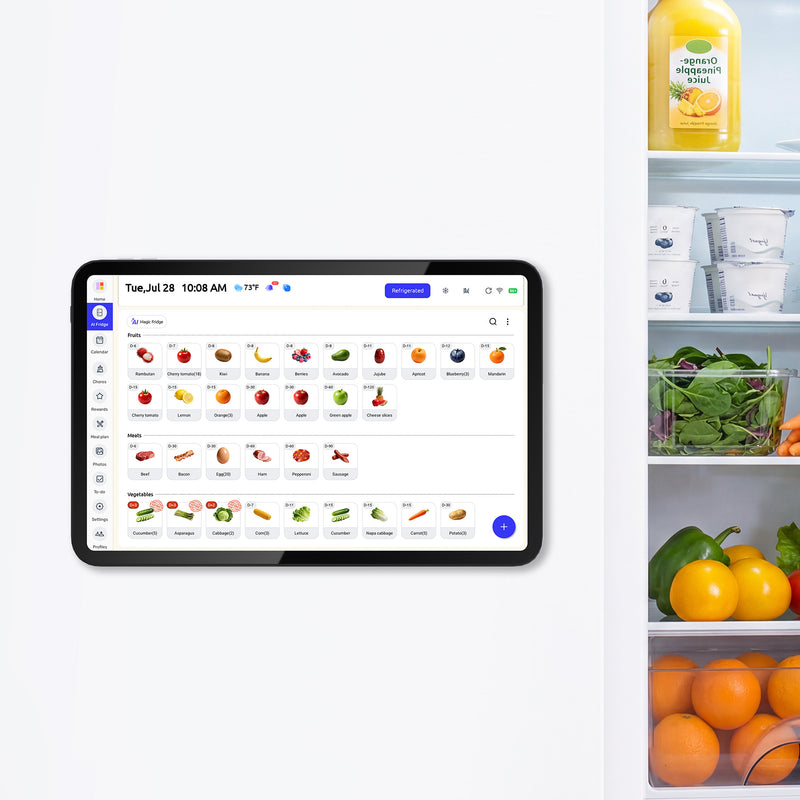
If your family already relies on phone calendars, a shared platform may be enough. If children need a constant visual anchor, a dedicated display is often easier because it stays visible without anyone unlocking a device. Central home displays work well for at-a-glance use, while shared dashboards and text reminders can extend access beyond the kitchen wall.
The right choice usually comes down to three questions: Can everyone see it? Can the right people get reminders? Can it stay simple when the schedule changes? If the answer is yes, you already have the foundation of a strong deployment support system.
A calmer home during deployment does not come from tracking every detail perfectly. It comes from making the next step visible, the important moments easy to catch, and the people you love easier to reach across the distance.


