






When one parent becomes the accidental household project manager, the problem is usually not effort or love. It is that the family’s schedule, chores, meals, and school details are being carried in one person’s head instead of a shared system.
Do you feel like everyone asks you what time practice starts, what’s for dinner, and whether the form was signed, even when the information already came through the house once? One family organizer guide cites a study in which 68% of families still preferred a visible wall calendar and reported up to 40% fewer missed appointments than phone-only systems. What follows is a practical way to spot what is breaking, make the right details visible, and build a household planning setup other people can actually use.
How the Role Forms
A home organization system is really a set of shared processes, not just a neat counter or matching bins. When those processes are missing, one parent often becomes the human backup plan. That parent remembers early dismissal, notices the milk is low, answers the school email, and mentally checks whether anyone has clean cleats for Saturday.

It usually starts with small handoffs
This role often forms by accident. One parent is the first to reply to the teacher, the first to book the dentist, or the first to notice the birthday party RSVP. After a few weeks, everyone else starts treating that person as the place where the answer lives.
That does not mean the rest of the family does not care. It usually means the information is not easy to see, and the handoff is incomplete. If a practice time is buried in one parent’s cell phone, or a grocery need is mentioned out loud but never written down, the household defaults to the person with the strongest memory or fastest follow-through.
What Breaks When Planning Lives in One Person’s Head
A single source of truth for schedules, chores, and meal plans reduces forgotten plans and cuts down on one parent’s mental load. Without that shared view, the house can still function, but it becomes fragile. A sick day, a late meeting, or one missed text can throw off dinner, pickup, homework, and bedtime in one chain reaction.
The warning signs are usually ordinary
The first signs are rarely dramatic. They look like repeated questions, last-minute scrambles, duplicate errands, and missed handoffs between adults. One parent says, “I told you about that,” and the other says, “I never saw it.”
Meals and chores often break next. A family dashboard that combines calendar items with dinner planning, to-do lists, and shopping lists makes it easier to act without waiting for instructions. If dinner ideas, grocery needs, and after-school timing all live separately, the “helpful” parent still has to manage the sequence.

Kids feel this too. A visible family organizer can help children see commitments and build ownership, which means fewer “What are we doing today?” questions. The goal is not to make children manage the whole system. The goal is to stop making one adult hold the whole system alone.
What to Make Visible First
A family command center works best in a visible, high-traffic spot, such as the kitchen, mudroom, hallway, or near the door people actually use. Placement matters more than perfection. A beautiful setup in a back office will lose to a simple board by the garage door.
Start with four visible categories
Most families do not need a giant overhaul. They need four things in one easy-to-check place: the calendar, the next few meals, current chores or to-dos, and a paper spot for forms or reminders. That basic setup matches what several command-center guides keep coming back to: calendar, message area, task list, meal planning, and paper handling.
A simple command center often works better when it includes a visible calendar, a drop zone, and easy paper storage. That might mean one monthly wall calendar, one grocery list, one basket for school papers, and a few hooks for keys or backpacks. It does not need custom carpentry or a whole wall.
If space is tight, the system can be split. A family command center does not have to live in one exact spot. A refrigerator calendar plus a small entryway paper station still counts, as long as everyone knows where to look.
Digital, Paper, or Both?
A shared digital calendar is often the backbone of the system because it updates in real time. That matters when adults are in different places, a caregiver helps with pickup, or plans change during the day. Digital also helps when you need recurring events, alerts, and shared access from work, school, and home.
When digital helps most
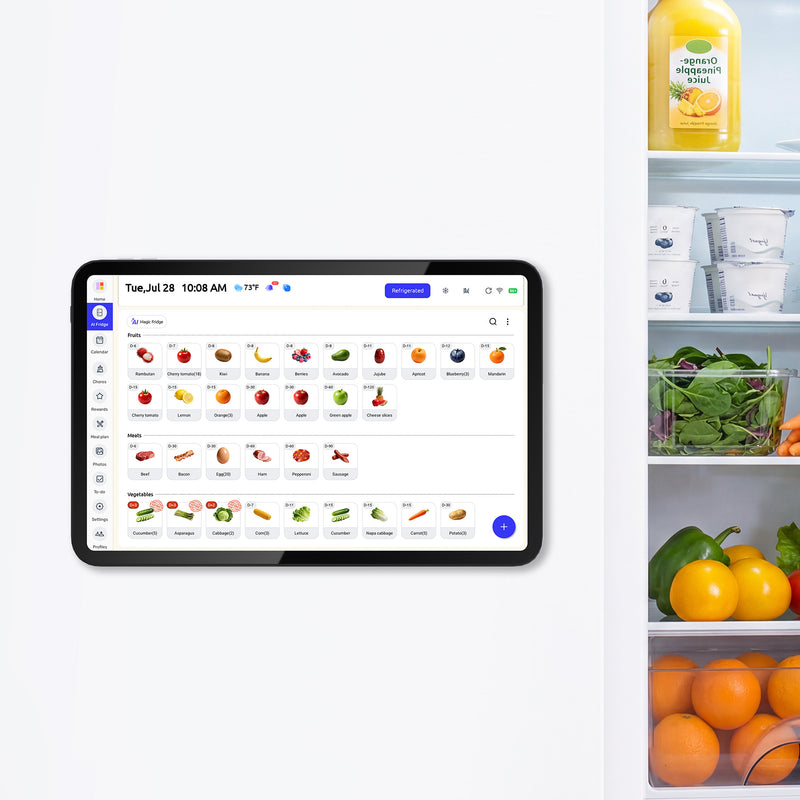
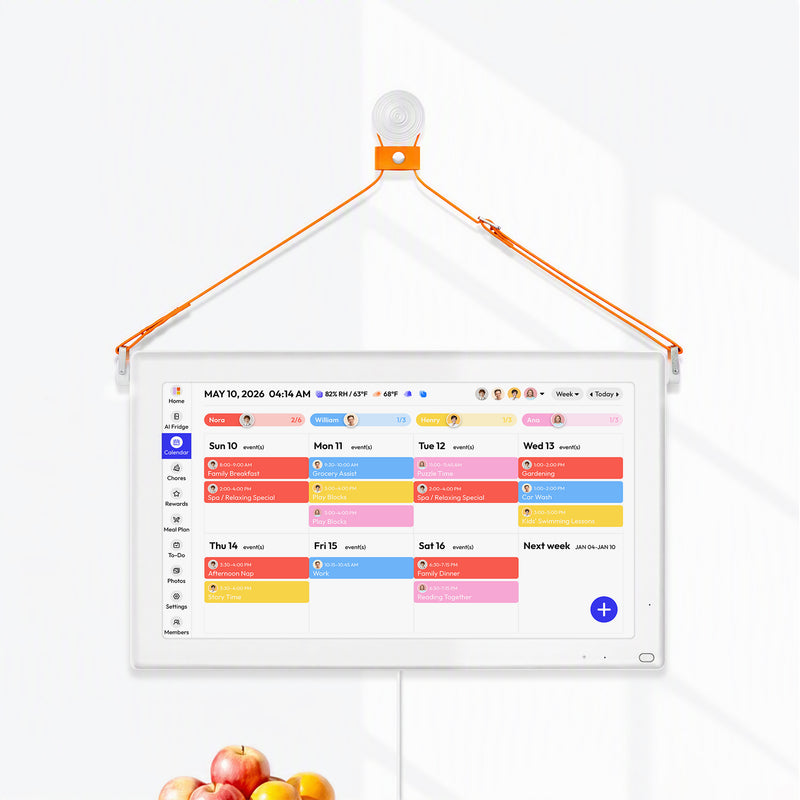
Digital is usually strongest for moving parts: schedule changes, carpools, medical appointments, and school events that arrive by email. Some family calendar apps can sync outside calendars and combine schedules with shared lists. Others add tools like email forwarding that turns event details into calendar entries, which can reduce manual retyping and lost information. For families who want that flexibility in a shared home view, a wall-mounted display like the Everblog 21.5" Digital Calendar can help keep plans, chores, tasks, and events visible on one screen.
When a wall calendar helps more
A visible wall calendar stays “on” in a way phones do not. It helps with the daily “What’s happening today?” problem. It is also easier for younger kids, visiting grandparents, or a rushed adult carrying lunch boxes and looking for the soccer bag.
For many families, the best answer is both. Use a shared digital calendar for live updates, and keep a visible weekly or monthly view at home for quick reference. That hybrid setup lets the system travel with you without disappearing into one parent’s cell phone.
How to Share the Planning Work Without Creating a New Reminder Job
A 15-minute Sunday family huddle and quick daily check-ins during busy periods often works better than endless text threads. The point is not another meeting. The point is to do one shared “data dump” of school emails, practices, appointments, meals, and errands before the week starts.
Assign ownership, not helper status
Shared planning works when people own pieces of the system. One adult can own the school calendar updates for the week. Another can own groceries and the Wednesday dinner plan. A teen can check the family calendar each night and add their activity times. Ownership reduces the pattern where one parent still does all the noticing and then delegates tiny tasks.
A command center can shift some organizing responsibility away from one parent by encouraging each family member to manage their own tasks. Color-coding can help here. So can recurring tasks, fixed paper spots, and one standard time to review tomorrow’s schedule.

Keep the system easy to enter and easy to trust
A planning tool fails when it takes too long to update or when people stop believing it is current. That is why it helps to start with one or two tools, explain the purpose, and hold a weekly sync. If the household needs a calendar and a grocery list, begin there. Add meal planning or chore tracking after the first two pieces are reliable.
This matters even more if someone in the house struggles with planning, memory, or starting tasks. Executive function is the brain’s ability to organize and follow steps. If that is hard for one parent, one child, or both, what may help is fewer places to check, clearer routines, and visible handoffs instead of verbal reminders that vanish in five minutes.
For families across two households, imported shared calendars can reduce setup time and cut down on event-by-event texting. That keeps the focus on logistics: exchange times, practices, appointments, and what the kids need to bring.
FAQ
Q: Does a shared family calendar actually reduce stress, or does it just look organized?
A: It can reduce stress when it becomes the place everyone checks first. The benefit is not the calendar itself. The benefit is fewer hidden details, fewer repeated questions, and fewer missed handoffs.
Q: Should we choose a wall calendar or a digital family calendar?
A: Choose based on your main failure point. If plans change constantly and multiple adults need access away from home, digital usually helps more. If the issue is that no one remembers to look at their phone calendar, a visible wall setup may help more. Many families do best with both.
Q: What if one parent still has to remind everyone to use the system?
A: That usually means the setup is still too dependent on that parent. Make the system easier to see, reduce the number of tools, assign clear ownership, and tie calendar checks to existing routines like breakfast, after school, or after dinner.
Practical Next Steps
A maintainable command center usually starts small and grows only after the habit is real. The goal is not a perfect family dashboard by Friday. The goal is a household where plans are visible enough that more than one person can carry them.
Use this checklist:
- Pick one shared home location that people already pass at least twice a day.
- Put up one calendar view that shows the next 2 to 4 weeks clearly.
- Add one shared list for groceries, meals, or urgent to-dos.
- Hold one 15-minute weekly planning huddle, and put every known event into the system.
- Assign ownership for at least three repeat tasks so the same parent is not always the tracker.
- Review the next day’s schedule at one fixed time, such as after dinner or before bed.
When one parent becomes the household project manager by accident, the fix is usually not “try harder.” It is to make the work visible, reduce private memory jobs, and build a planning system the whole family can see and trust.
Disclaimer
This article is for household planning education only. It is not a substitute for mental health care, medical advice, legal advice, or crisis support. If safety, custody orders, or a diagnosed condition are involved, work with the appropriate licensed professional.
References
- Everblog family wall calendar organizer
- a brand household organization systems
- a platform digital wall calendars
- a brand family command center
- a brand family command centers
- a platform family organizer
- a company family calendar press post
- a brand digital family calendar article
- a brand family command centers
- a brand DIY command center ideas


