





The best family command center is the one your household can see in passing, use in seconds, and tidy without effort. When the calendar, meal plan, and chore tools fit the room instead of taking it over, they help more and annoy less.
If your counters collect school papers, charger cords, and takeout flyers, but nobody can tell what is happening on Thursday, the problem is usually placement. One real-parent test found setup for a leading family calendar app took under 10 minutes, which is a good reminder that the hard part is not the tech. It is building a planning zone that works in a real kitchen, hallway, or mudroom and still feels calm.
Choose the Spot Before You Choose the Tools
A command center works best in a high-traffic area that people already pass several times a day, which is why kitchens and mudrooms are such common command-center locations. The best spot is usually where someone naturally pauses for five seconds, like near the garage entry, beside the pantry, or on the wall between the kitchen and dining room. Good sightlines matter more than a large blank wall, because a pretty board nobody looks at will not reduce missed tasks.

Balance sightlines and traffic flow
The sweet spot is high-traffic but not too exposed, a placement idea that shows up in many real-home setups. That keeps the system easy to check without making the whole room feel like an office. If traffic flow is tight, avoid a wall where someone has to stop in front of the fridge, block a doorway, or stand in the cooking path just to read tomorrow’s practice time.
Small spaces still work
Small homes and apartments do not need a full wall. A narrow strip beside the refrigerator, an unused corner, a countertop edge, or the back of a cabinet door can all work as a small-space command center. If your layout is awkward, split the system in two: keep the shared calendar where adults glance at it most, and put bins, hooks, or paper storage closer to the drop zone.
Keep the Wall Useful and Quiet
The most attractive command centers are edited, not packed. Many family command center ideas rely on just a few pieces: a calendar, one note surface, labeled storage, and maybe hooks or a charging spot. Once every function gets its own board, tray, or sign, the setup starts to read as clutter even if everything is technically organized.
Use the P.A.C.T. filter
A simple way to decide what earns wall space is the P.A.C.T. method: Purge, Assess, Contain, and Tag. First remove what does not need to live there. Then decide what your family truly checks every day, such as the weekly calendar, tonight’s meal, permission slips, and one shared grocery list. Last, give each item a container or display method and label it so nobody has to guess where things go back.

A calm look usually comes from consistency, not expensive decor. Use one finish for bins, one label style, and one color system for the calendar. Limit visible school papers or art to one current item per child, a practical anti-clutter rule that keeps the zone from spreading across the whole kitchen.
Pick the Right Mix of Digital and Visible
A shared digital calendar earns its place because it pulls school events, sports, appointments, chores, and to-dos into one central family view. That cuts down on text-message relay and the classic “I thought you knew” problem. For most households, the best-looking command center is not all paper or all screen. It is a digital system for updates plus one visible home base for fast glances.
When an app-first setup is enough
If everyone already checks a phone, pick the lightest tool that matches your device mix. Cross-platform family calendar options work well when you need shared visibility and color coding, while homes centered on one brand’s devices can often stay simple with a platform’s built-in sharing. If meals, grocery lists, and chores keep leaking into separate apps, a household-planning platform is a better fit because it combines scheduling with household lists and task assignment.
When a wall display earns its space
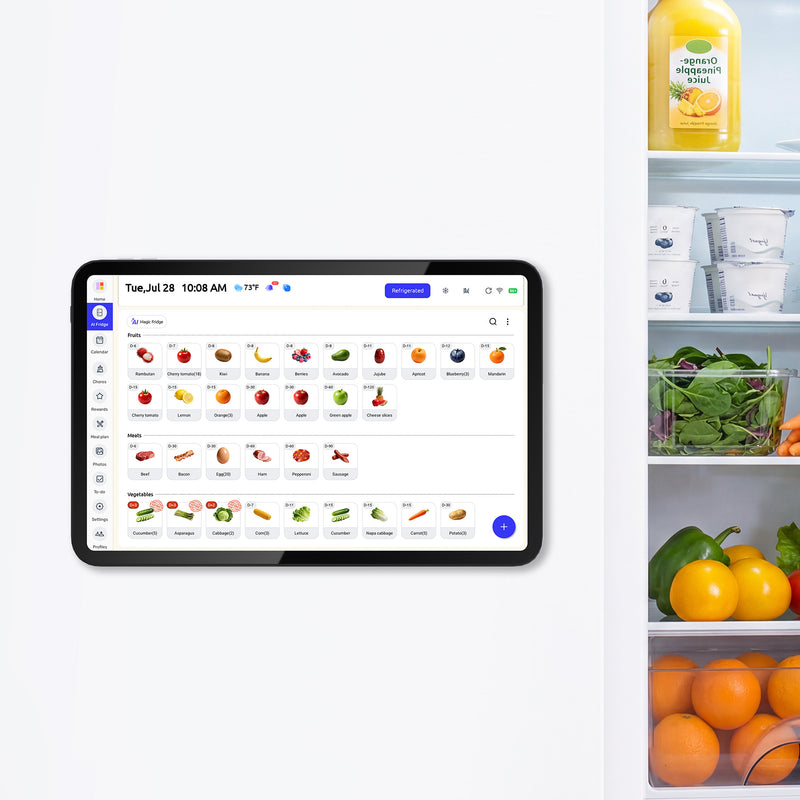
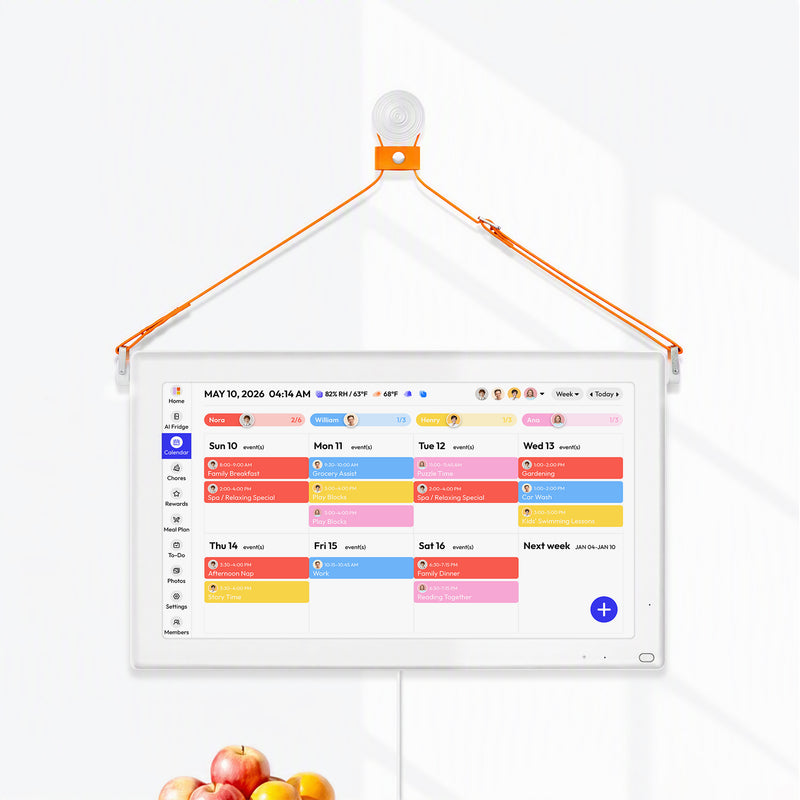
A wall display is worth the hardware only when glanceability changes behavior. The 2026 digital family calendar comparison puts wall-mounted options from a brand in the $169.99 to $599 range, plus $79 a year for extra features, so they make the most sense when kids do not use phones yet, schedules change often, or one parent is carrying too much of the household memory; a white wall-mounted option like the Everblog 21.5" Digital Calendar can also fit if a household wants one shared screen for plans, tasks, chores, and events. Otherwise, a shared app plus a framed weekly board often does enough for less money and less visual weight.

Mount for Glanceability, Not for Show
Mount the planning zone for a fast glance, not a dramatic reveal. In most homes, placing the center of the main calendar around 57 to 60 inches from the floor keeps it readable for adults, while lower bins or clipboards let kids reach what belongs to them. Stand at the sink, island, or main entry and test the sightlines before you hang anything. If you cannot read Monday’s plans while walking by, the wall height or placement is off.
Watch glare, outlets, and cords
If you use a screen, nearby outlets matter as much as wall space. Shared family dashboards can sync across phones and desktop devices, but the home display still needs reliable power, clean cord routing, and enough Wi-Fi signal to stay useful. Avoid placing the screen opposite a bright window or directly under a harsh ceiling light, because glare makes a calendar unreadable from the exact angle where you want a quick glance.
Kitchen mess should also decide placement. Keep paper planners away from splatter zones near the stove, sink, coffee maker, and toaster oven. A wall just outside the kitchen often beats a wall inside the cooking zone, because traffic flow stays clear and you are not wiping grease, steam, or sticky fingerprints off the meal plan every night.
Show the Right Information and Hide the Rest
The wall should show only the information people need right now. A shared family calendar works best when each person has a consistent color and whole-family events share one common color, so soccer, dentist visits, school concerts, and no-school days are easy to read at a glance. Then add just two or three supporting elements: this week’s meals, today’s top chores, and a place for papers that still need action.
Show less, store more
Separate display from storage. Keep the visible area for current decisions, then use labeled folders, wall pockets, or bins for permission slips, receipts, and forms, a pattern that appears in many pretty but functional command centers. The point is to stop treating the wall as an archive. If an item does not affect today or this week, it probably belongs in a folder, not in plain sight.
Families with younger kids often do better with picture cues, simple color blocks, or one mini station per person rather than dense text. Kid-friendly examples use labeled baskets and visual charts, which helps when a child can follow icons faster than a written list. That is not decor for decor’s sake. It is a faster way to make routines visible.
FAQ
Q: Should the command center go in the kitchen if my kitchen is always messy?
A: Usually near the kitchen is better than inside the messiest part of it. Try a wall by the pantry, the side of the fridge area, or the hall between the kitchen and garage entry so the system stays in sight without sitting in the splash zone.
Q: Is a wall screen better than a dry-erase calendar?
A: It is better only if your family benefits from live syncing and remote updates. A mobile-first organizer already gives many families shared calendars, reminders, lists, and meal planning, so a screen is most useful when a visible display changes who actually notices the plan.
Q: What if I rent and cannot drill into the wall?
A: Use the back of a closet or cabinet door, a magnetic fridge setup, removable adhesive hooks, or a framed paper insert on a narrow ledge. Renters usually do best with lighter pieces that can move with the lease and adapt when the room layout changes.
Practical Next Steps
Smaller systems usually last longer because they are easier to maintain, which is why many DIY command center plans recommend starting small and expanding only if the first version gets used.
- Stand in three places you already pause, like the garage entry, sink, and pantry, and choose the wall with the best sightlines and the least blocked traffic flow.
- Measure the space and aim to place the center of the main calendar around 57 to 60 inches from the floor.
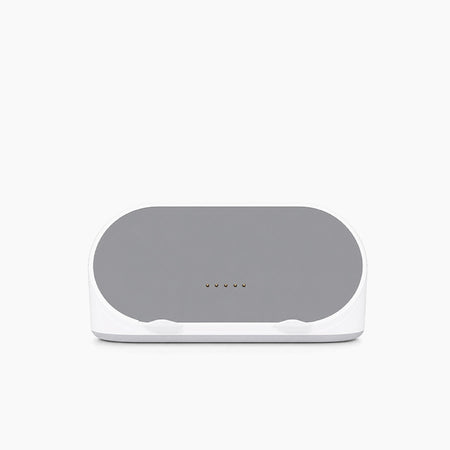
- Check glare at two normal times, such as early morning and early evening, and confirm there is a nearby outlet if you want a screen or charging dock.
- Pick one shared calendar system based on device mix: simple scheduling for households already centered on a major platform, or a household-planning platform if you need chores, meals, and grocery lists too.
- Limit the visible setup to a calendar, a meal area, an action-paper zone, and one labeled bin or hook set per person.
- Run a 10-minute reset once a week to clear old papers, update the next seven days, restock pens, and wipe the board or screen.
A family command center should look like part of the home, not like a control panel bolted onto it. If the setup is easy to see, easy to reach, and easy to reset, it will keep working long after the first organizing weekend.


