


The simplest fix is to make after-school snacks planned, timed, and portioned so they calm hunger instead of replacing dinner. Match the snack to the clock and your child's real hunger, and the evening usually gets calmer fast.
Does 3:45 PM at your house feel like backpacks dropped at the door, a pantry raid, and then a child who claims to be "too full" at 6:00 PM? That pattern is predictable when lunch happened early and dinner is still far away. Many kids go a long stretch between meals and need a bridge, not a free-for-all. A few calm rules can help you choose the right snack, set it up so kids can manage it, and protect dinner without turning food into a daily argument.
Why the snack battle happens
Many kids go six hours or more between lunch and dinner, so the after-school crash is usually not defiance or bad manners. It is real hunger mixed with fatigue, routine changes, and the fact that the easiest foods to grab are often the ones least likely to hold a child until the evening meal.

A useful after-school snack is a small, planned eating opportunity between school and dinner that reduces hunger and adds nutrition without becoming a second dinner. The trouble starts when snacking turns into grazing, meaning kids nibble without a clear time, portion, or stopping point. In most family kitchens, that leads to two problems at once: children do not feel satisfied for long, and parents end up refereeing food all afternoon.
Rule 1: Let the clock decide the snack
Snack timing should match your child's schedule, including when lunch happened, whether they already ate at school or an activity, and what time dinner will be served. That rule is more useful than any "good snack" list, because the same granola bar can be too much at 5:00 PM and not enough at 7:30 PM.
Time until dinner |
Best snack style |
Simple example |
About 1 hour or less |
Light, produce-first |
Apple slices, berries, cucumber, or carrots with a small dip |
About 2 to 3 hours |
More filling, two-part snack |
Apple with peanut butter, yogurt with fruit, crackers with cheese |
More than 3 hours or post-activity |
Mini-meal |
Turkey roll-up with fruit, soup with crackers, half a sandwich |
If your child gets home at 4:00 PM and dinner is at 5:00 PM, a light snack works best because it takes the edge off without stealing appetite. If dinner is not until 7:30 PM, a more filling snack is the better choice. This is where many well-meaning parents get stuck: they serve the same snack every day instead of adjusting to the actual gap.
Rule 2: Build snacks to do two jobs
A snack with two different food components is a smart home rule because it helps snacks satisfy hunger more steadily than a single packaged food. Think of the snack as doing two jobs: calming immediate hunger and supporting energy until dinner.

When dinner is soon
If dinner is close, a fruit or vegetable is often enough, especially when your child will be sitting down to eat within the hour. This is the moment for orange slices, grapes, sliced bell peppers, snap peas, or a few cucumber rounds with hummus. The advantage is obvious: your child feels seen and fed, but still arrives at dinner ready to eat. The exception is a child who had a tiny lunch or an intense sports practice, so timing should not overrule common sense.
When dinner is later
Pairing protein with fiber helps snacks satisfy longer, which is why apples with peanut butter work better than apples alone, and yogurt with berries works better than yogurt sweetened like dessert. In practical terms, the most reliable combinations are fruit with cheese, vegetables with hummus, whole-grain crackers with nut butter, or leftovers in a small portion. In real family life, these are the snacks that reduce the 5:30 PM meltdown and the 6:45 PM "What's for dinner?" repeat.
Packaged snack foods are convenient, but they often solve only the first five minutes of hunger rather than the whole afternoon. Their benefit is speed and ease. Their drawback is that many children finish them quickly, stay hungry, and then bargain for seconds before dinner is ready.
Rule 3: Make the right snack the easiest snack
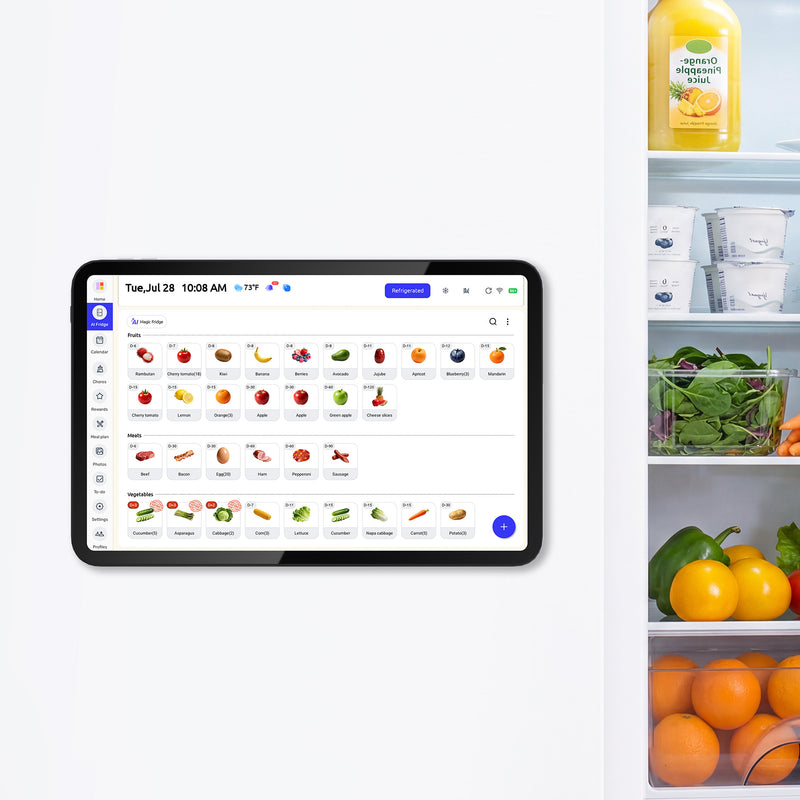
Healthy snacks are easier to choose when they are visible and ready to eat, so the smartest family system is not a lecture but a setup. Put washed fruit on the counter, place yogurt, cheese sticks, and cut vegetables at the front of the fridge, and keep one child-reachable snack zone for approved choices. When kids see the good options first, they are far more likely to take them without a fight.

Everyday snacks are easier to manage when they are easy to see and reach. A low pantry shelf, one fridge bin, and a small basket for grab-and-go items are enough. The upside is that children gain independence and stop roaming through the whole kitchen. The downside is that parents need to restock and reset the system regularly, or it turns into another clutter zone by the end of the week.
Portion size matters, and eating straight from the bag makes it harder for kids to notice when they have had enough. Pre-portioning crackers, popcorn, trail mix, or dried fruit into small containers is one of the most effective peacekeeping moves in a busy home. A child feels they got a real snack, and you avoid the "I only had a little" debate that starts when half a family-size bag disappears.
Rule 4: Use calm rules instead of ongoing negotiation
A snack rule works best when it is short enough to repeat the same way every day. "You may have one snack now." "Dinner is at 6:15 PM, so this is a light snack day." "If you are still hungry after school, choose one option from the snack zone." Rules like these lower stress because they remove decision-making from the most chaotic moment of the day.
Offering children a choice between two healthy snacks can reduce pushback while keeping the boundary clear. That might sound like, "Would you like apple slices with cheese or carrots with hummus?" Parents keep the limit, children keep some autonomy, and the emotional temperature stays low. The tradeoff is that you need to decide the options ahead of time, which takes a little prep before the week begins.
Approach |
Short-term effect |
What usually happens by dinner |
Open grazing |
Fewer immediate complaints |
Appetite fades, requests keep coming, dinner turns into a battle |
Planned snack window |
May require one firm no |
Hunger is steadier, expectations are clearer, dinner goes more smoothly |

Flex the plan when the day is different
Some children may already be getting a substantial after-school meal, especially if they attend an eligible school or enrichment site. That matters at home. If your child has already eaten a full meal at a program, the evening meal may need to become a lighter family table moment instead of a full second dinner. A bowl of fruit, a small sandwich, or a simple sit-down with everyone else may be enough.
Afterschool food programs are also designed to support access to food, which is a helpful reminder that after-school hunger is not a character issue but a routine issue. On heavy activity days, late-commute days, or days when lunch was barely touched, a bigger snack is reasonable. On early-dinner days, lighter is better. The goal is not rigid perfection. The goal is helping your child come to dinner hungry enough to eat and calm enough to enjoy the table.
A peaceful snack routine does not require fancy food or strict food rules. It requires a little structure, visible choices, and a steady message: you will get fed, and dinner still matters.


