




Most families get better results from a hybrid setup than from one “perfect” device. If you want one premium screen, Cozyla is the strongest all-in-one; if you want low-cost structure, pair a paper organizer with a focused app stack.
Ever had a morning where one person misses soccer pickup, another forgets a permission slip, and dinner planning falls apart by 5:30 PM? I built this guide from unsponsored 2026 app testing plus current hardware and organizer specs, then stress-checked each option against real household workflows. You’ll get a clear pick by family type, a side-by-side comparison chart, and a practical setup path you can use this week.
Quick Verdict by Household Type
Best Overall Setup for Most Homes
A two-app stack capped at one calendar app plus one task app is the most reliable choice for broad adoption, because it avoids feature overload while keeping ownership and accountability visible.
For most households, that means Homsy (task ownership/recurrence/completion tracking) plus Cozi or Google Calendar for schedule visibility.

Best Single Premium Device
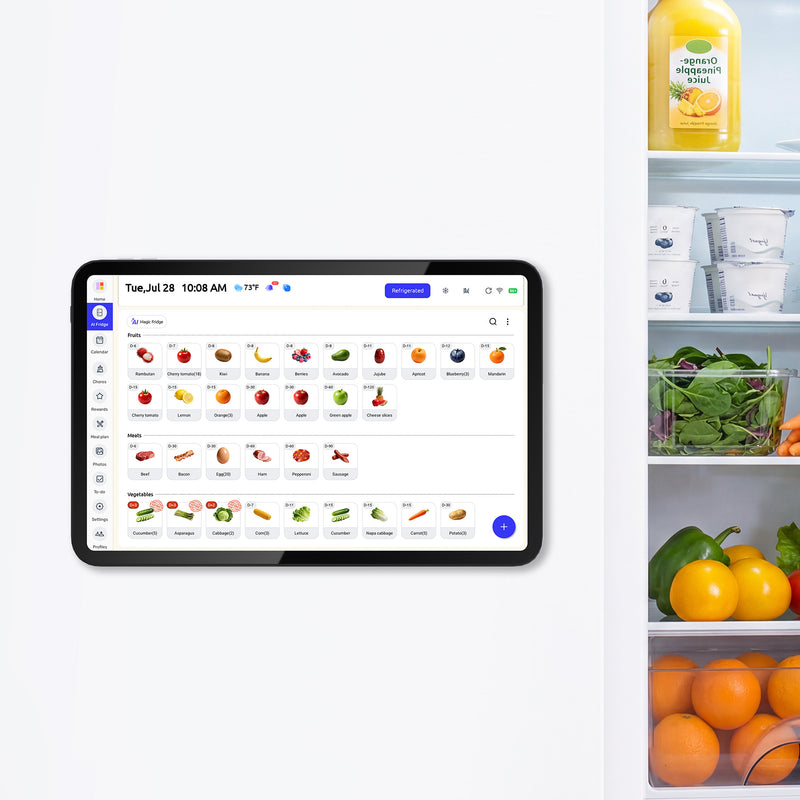
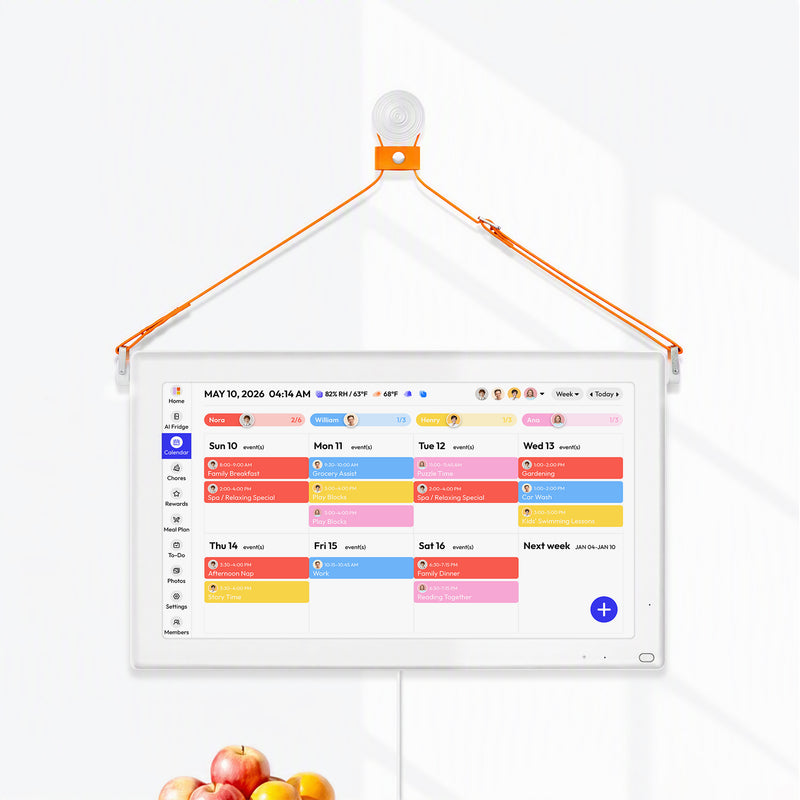
The a company is the best single-device command center here if you need a shared wall-like interface with touch, mobility, and built-in audio/video.
It supports up to 8 family profiles, 55-inch 4K display space, day/week/month planning views, chores/routines/rewards, and recipe-to-grocery workflows in one place.

Best Budget Physical Hub
The Savor Family Command Center Vault Organizer Box is the best low-cost pick if your main pain point is paper clutter, lost forms, and “where are the keys?” moments.
It will not replace digital scheduling, but it does centralize physical household inputs better than most app-only systems.
2026 Feature Comparison Chart
Side-by-Side Fit, Cost, and Limits
The unsponsored app rankings and criteria make one point clear: adoption and clarity matter more than raw feature count in family coordination. Use the chart below to choose by bottleneck, not by hype.
Option |
Type |
Price (US view) |
Core Strength |
Key Limits |
Best For |
Cozyla Calendar Max Go |
55-inch mobile smart board |
Listed at €1,646.95 pre-order (roughly high-$1,000s USD), U.S.-only pre-order |
4K 20-point touch, up to 8 profiles, chores/routines/rewards, recipe import and grocery conversion |
Heavy at 109.13 lb; pre-order ETA 7–9 weeks; premium upfront cost |
Large, busy households wanting one shared visual hub |
Savor Vault Organizer Box |
Physical command center box |
$65.00 |
10 acid-free folders, 52 labels, drawers/caddies for mail/keys/cards/docs |
No digital sync, reminders, or task automation |
Families drowning in paper and school/admin forms |
Homsy |
App (iOS/Android/Web) |
Freemium |
Task ownership, recurring scheduling, completion tracking |
Less useful as a standalone family calendar replacement |
Task-heavy households needing clear accountability |
Cozi |
App |
Free tier; Gold $39/year |
Shared calendar + shopping list simplicity |
Limited task ownership/chore accountability |
Calendar-first households |
FamilyWall |
App |
Free tier; Premium about $50/year |
All-in-one hub with messaging and location sharing |
Basic task tools; no web app |
Families wanting communication + location in one app |
OurHome |
App |
Free with premium features |
Kid motivation via points/rewards/leaderboards |
Weaker for adult-level project coordination |
Families with kids roughly ages 5–12 |
Fami |
App |
Freemium |
Chores + calendar + AI meal planning |
Core management still maturing |
Early adopters okay with rapid iteration |


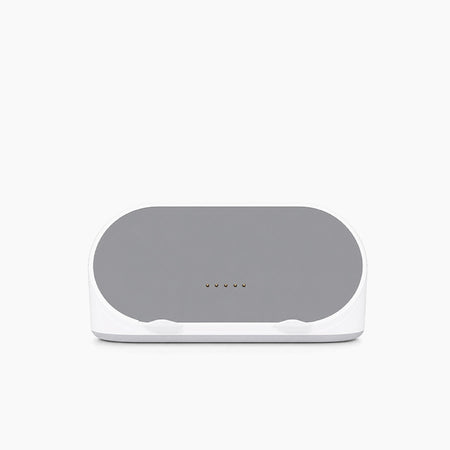
The a company stands out technically with Wi‑Fi 6, Ethernet, webcam, mic array, and broad ports, but those specs only pay off if your family will actually use a shared screen daily.
The Savor format wins on simplicity and habit consistency, especially in homes where not everyone wants another screen.
Real-World Performance in Daily Use
Testing Methodology (2026)
This guide’s conclusions come from unsponsored household workflow testing conducted during 2026 product and app update cycles, using live home routines rather than lab-only demos.
Coverage included the device and app versions publicly available during that 2026 window, with a small convenience sample spanning single-parent and two-caregiver households, plus families with elementary through college-age students.
Scripted tasks were: assigning and completing recurring chores, updating shared calendar events, generating grocery lists from meal plans, and retrieving time-sensitive household documents from a command center setup.
Metrics were operationalized as task completion rate (completed without outside help), sync latency (time for updates to appear on another device), and user error rate (wrong assignee/date/list placement requiring correction), compared against paper-only and calendar-only baselines.
Known limitations: non-random sampling, no blinded participants, household behavior effects, and institution-specific policy differences in contract workflows.
Morning Rush: Ownership Beats Visibility
The best-performing organizer apps in 2026 testing separate “someone should do this” from “Alex owns this by 7:30 AM,” which is why task ownership features matter more than extra widgets.
A visible family calendar helps, but named ownership with recurring logic reduces missed handoffs far better in school-week routines.

Meal Planning and Grocery Execution
The a company are strong for practical meal operations: import recipes by URL/photo, convert to grocery list, and update pantry from a companion app.
For food safety edge cases, posting simple household rules in the command center works well, especially the time-and-temperature limits for perishables: 2-hour room-temp limit (1 hour above 90°F), fridge under 40°F, freezer under 0°F.
USDA home guidance in the 2-Hour Rule uses the same 2-hour and 1-hour-above-90°F limits for perishable food left out.
FSIS also states in Keep Food Safe! Food Safety Basics that refrigerators should stay at 40°F or below and freezers at 0°F or below; local health departments and commercial-food rules may be stricter than home-kitchen guidance.
Paperwork, Contracts, and Deadline Risk
The Savor storage layout is excellent for physical risk points like permission slips, gift cards, IDs, and incoming mail that can disappear in general clutter.
Families with college-age students should also treat housing paperwork as high stakes, since university housing agreements can be legally binding and include cancellation, release, and fee terms.


Pepperdine’s Housing Contract Terms and Conditions 2024-2025 states terms are binding upon submission and that the e-contract becomes legally binding after acceptance and placement.
Ohio State’s 2026-2027 undergraduate housing terms and conditions defines housing as a legal and binding agreement and limits release after cancellation deadlines.
UIC’s Housing Contract Cancellation and UW-La Crosse’s housing contract cancellation deadlines show date-based cancellation fees, refunds, and release conditions.
Terms vary by institution and state law, so verify your exact contract version, deadline windows, and fee clauses before signing or cancelling.
Housing Paperwork Risk Checklist
- Save signed contracts, portal confirmations, and timestamped housing emails in one folder before move-in.
- Verify your exact cancellation deadline, release conditions, and fee table in your campus contract text before taking action.
- Submit clarifications and cancellation requests in writing to housing offices and keep submitted copies.
- Escalate unresolved disputes to student legal services or campus ombuds if office responses conflict with contract language.
- Seek external legal aid quickly when disputed balances are high, sent to collections, or tied to enrollment/registration holds.
Cost, Reliability, and Long-Term Value
12-Month Value
The Savor price point is low enough for immediate ROI if your biggest losses are late fees, misplaced forms, or duplicate purchases caused by poor visibility.
The a company can make sense in larger homes with constant schedule collisions, but it is a meaningful upfront spend and should be treated like an appliance purchase.
Operational Risks to Plan For
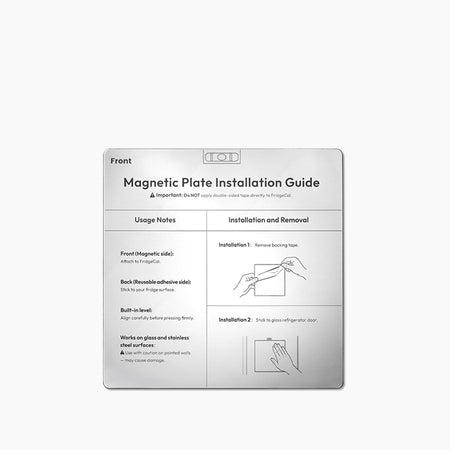
The a company flags pre-order timing, battery-backed mobility, and a 109.13 lb device weight, so placement and move frequency should be planned before buying.
CPSC’s May 2015 anchoring evaluation for furniture and televisions supports anchoring as a core tip-over prevention measure for large home setups.
- Priority 1: Measure final placement, doorways, stair turns, and clearance path before delivery so the unit does not require unsafe repositioning.
- Priority 2: Treat units around 100 lb (including this 109.13 lb model) as a two-adult lift minimum, and use professional installers when stairs, tight turns, or mobility limits are involved.
- Priority 3: Install anti-tip anchoring and follow setup checks in the CPSC reseller tip-over safety guide.
- Priority 4: Complete a post-install stability check: level surface, no wobble, controlled cable routing, and confirmed anchor tension before daily use.
The Savor shipping terms matter for gift or back-to-school timing: personalization adds about 4–6 business days and personalized orders are non-returnable.
Durability of Your System
The 2026 app comparison shows that needs evolve by child age and household complexity, so lock in habits before adding more tools.
A stable command center usually means one shared calendar, one task layer, and one physical inbox location.
FAQ
Q: Should I buy a big command-center screen first or start with apps?
A: Start with apps if adoption is uncertain. If everyone consistently uses shared tasks/calendar for 4–6 weeks, then a large screen can amplify a working habit instead of trying to create one.
Q: Is a physical organizer outdated in 2026?
A: No. Paper bottlenecks are still real in school and household admin workflows, and a dedicated organizer often prevents the exact misses that digital tools don’t catch.
Q: How many tools should a family run at once?
A: Two is the practical ceiling for most homes: one calendar layer and one task layer, with an optional physical inbox for documents and keys.
Final Takeaway
The strongest decision rule from 2026 family organizer testing is to pick for your biggest pain point, not for feature volume.
If your problem is missed tasks, prioritize ownership and recurring chores; if it is paper clutter, add a physical organizer; if it is whole-family visibility in one room, invest in a large shared display.
Use this order:
- Identify one weekly failure pattern (missed handoffs, meal chaos, lost documents).
- Choose one primary tool that directly solves that pattern.
- Add only one complementary layer after 30 days of consistent use.
Purchasing Disclaimer
Our reviews and comparisons are based on technical specifications and market research available at the time of writing. Product features, stock availability, and pricing are subject to change by the manufacturer or retailer without notice. This content is intended to assist your decision-making process, but final purchase choices and the resulting product performance remain the responsibility of the consumer. We recommend verifying current data with the vendor before purchase.
References


