


The best family command center is the one that moves key household memory out of one adult’s head and into one shared, visible system. For most families, that means a trusted shared calendar, one home base for papers and reminders, and clear ownership for meals, chores, and school logistics.
If you are the person who remembers library day, the dentist form, the birthday gift, and who needs a ride at 5:30 PM, the problem is not that you are failing. The relief usually comes when the family stops depending on spoken reminders and starts using one place that shows the week, the food plan, and who owns what. You will find a practical way to build that kind of command center here, without turning your house into a control room.
Why one adult ends up carrying the schedule
The mental load is the invisible work of remembering, planning, anticipating, and keeping family life moving. It is different from unloading the dishwasher or driving to soccer because it does not really end. Someone is still tracking the next appointment, the missing permission slip, the groceries, the birthday RSVP, and whether anybody noticed the milk is almost gone.
That hidden work often lands unevenly. A 2022 household management gap described women averaging 21 hours a week on unpaid household management compared with 8 hours for men, and a 2019 U.S. study summarized by a health publication found that 88% of partnered mothers mainly managed home routines. Those numbers matter because they explain why one adult can feel “always on” even when everyone in the house seems busy.

The system also breaks when help still depends on the overloaded adult noticing, deciding, and delegating. A household division is still unequal if one partner has to remind or monitor the other, and the common question “What can I do?” can add work instead of removing it, because the answer still has to be managed by the person already carrying the map of the week.
What the best family command center should include
A calendar everyone trusts
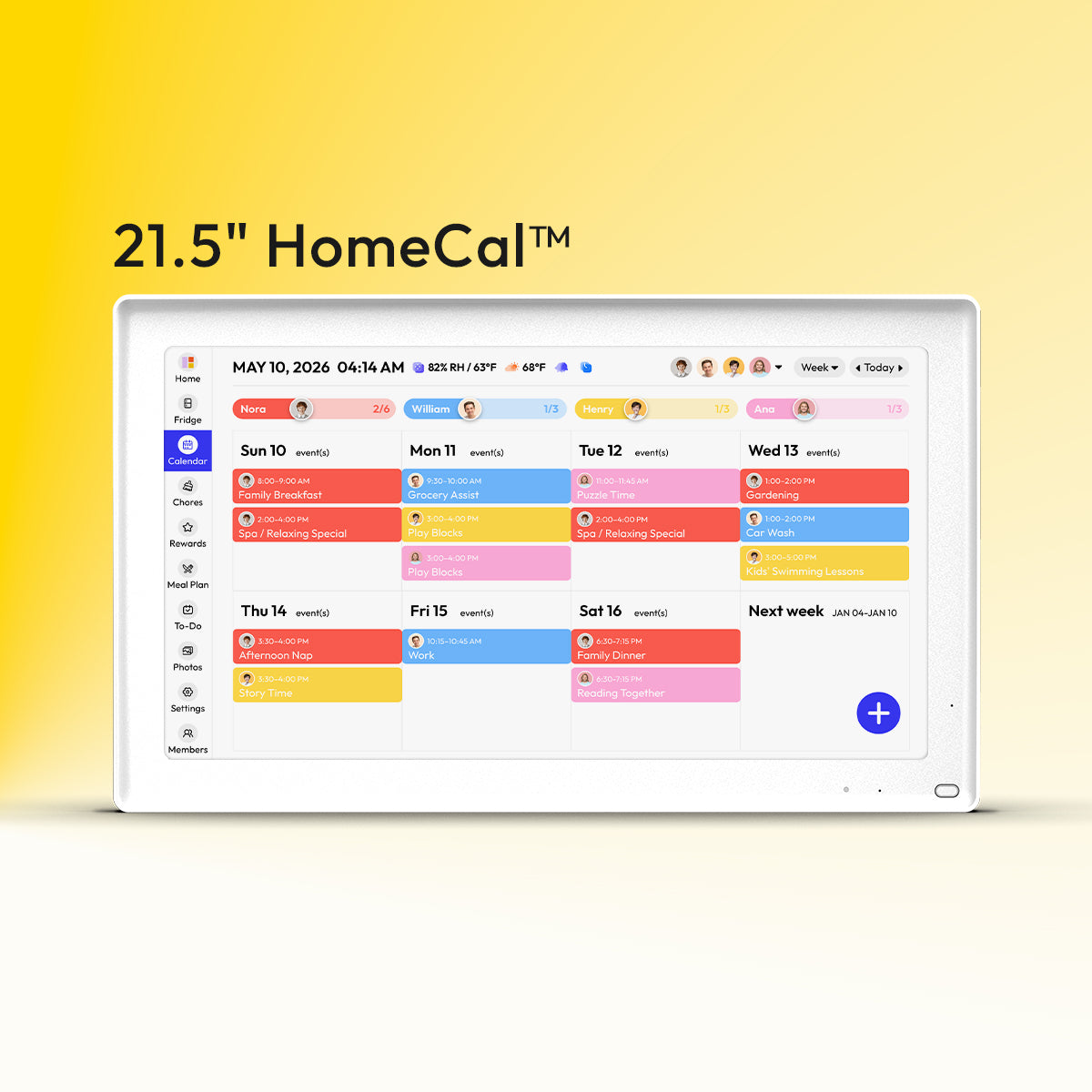
A shared family dashboard works best when it holds school events, work conflicts, appointments, activities, birthdays, and pickup plans in one place. The key is not fancy features. The key is that everyone believes this is the real calendar, so there is no second guessing and no “I didn’t know that was tonight.”
A visible wall calendar or command center still matters because phones are private and easy to ignore. A home command center gives the family one central place for schedules, notes, chores, homework, and related information. That visual layer is what reduces repeated questions, especially in the morning rush or right after school.
A meal and shopping lane
A command center should also hold a simple weekly food plan. A family organization system works better when meal planning turns directly into a shopping list, because that closes the gap between “we should plan dinners” and “someone still has to remember what to buy.” For most homes, a 5-night dinner plan is enough. It does not need to be ambitious. It needs to be visible.

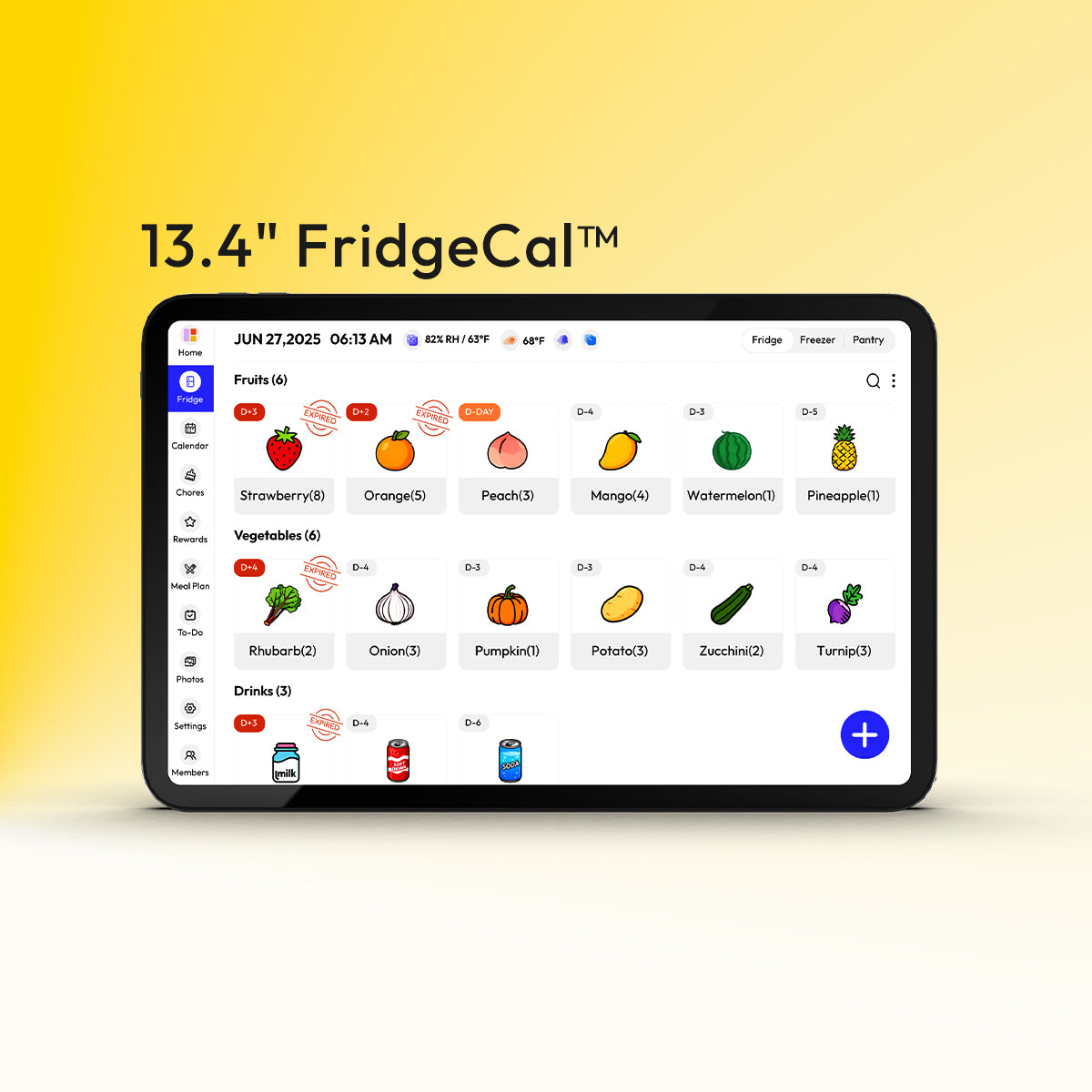
Digital tools can support this without creating extra upkeep. A family planning app can combine meal planning, shared lists, and grocery conversion in one place, which helps when one adult usually carries both the calendar and the food memory. If a recipe or meal choice lives in the same system as the shopping list, handoffs get easier.
A chore and paper flow
A working command center usually needs four practical parts: a visible calendar, a drop zone, paper storage, and simple low-maintenance organization. That means incoming school papers need a home, mail needs a first stop, and recurring chores need a clear owner. Without those homes, paper stacks and verbal reminders creep right back in.
Children can take part in this system in age-appropriate ways. A paper-pocket setup with one slot per child can reduce lost homework and “Where is my form?” searches, while a basic chore chart makes expectations visible instead of verbal. The goal is not perfect follow-through. It is fewer tasks that depend on one adult remembering for everyone else.
Digital tools and wall systems work best together
A shared digital calendar is strong at live updates, reminders, and syncing across phones. A wall-based command center is strong at visibility, routine, and quick check-ins from people who would never open an app just to ask what is for dinner. Most families with heavy scheduling load do best when they combine the two: digital for updates, visible for daily follow-through.
A family command center does not have to be one single spot That matters because the best setup is often a pair: one digital system that updates automatically and one physical home base near the kitchen, mudroom, or entry point. In some homes, that visible layer may be a wall-mounted shared screen such as the Everblog digital calendar, which is designed for wall mounting and can help families keep plans, chores, and events on one screen. When those two layers mirror each other, the family can stop relying on one adult to translate the week out loud.
Setup |
What it does well |
What often breaks |
Shared app only |
Great for reminders, calendar sync, and updates away from home |
People forget to open it, and paper still floats around the house |
Wall board only |
Easy to see, good for kids, good for meals and school papers |
Schedule changes require rewriting, and phone reminders are missing |
App + visible command center |
Best mix of live updates and household visibility |
Needs a simple weekly reset so both layers stay current |

The budget range can stay modest if you keep the system simple. A digital family calendar roundup lists free options like a calendar platform, lower-cost app subscriptions such as a paid family-planning app at $39.00 a year, and wall-screen hardware like a smart display brand from $169.99 to $599.00 plus a $79.00 yearly subscription. If one adult already feels buried, start with the lowest-upkeep version before buying a screen.
How to set it up so it lowers the load instead of decorating the wall
A visible, accessible location matters more than style. Put the command center where the family naturally passes through: near the kitchen, garage door, mudroom, pantry, or entryway. A pretty board hidden in a home office will not carry a household. A plain one by the cereal boxes often will.
The next step is ownership. A better delegation system means handing over full responsibilities, not tiny errands. “School lunch” is a responsibility. “Pack snacks, notice low bread, order field-trip lunch, and wash the lunchbox” are the parts inside it. When one adult owns the whole domain, the other adult stops being the backup memory for every step.
A regular family planning rhythm keeps the board alive. Most families do not need a long meeting. They need 10 or 15 calm minutes once a week to update activities, decide dinners, review papers, and confirm who owns transport, forms, and supplies. This works best when it happens before the week gets chaotic, not during a late-night scramble.
When stress, ADHD, or burnout changes what may help
A family calendar as an “external hard drive” for memory can be especially useful when a parent is overloaded, forgetful, sleep-deprived, or managing ADHD-related executive function challenges. Executive function is the set of brain skills that help you start tasks, remember steps, switch attention, and finish what you began. A command center does not treat any of that. It simply reduces how much has to be held in working memory.

What often helps is fewer places to check and fewer decisions to remake. A low-cost home command center can work well because it limits where school papers go, where chores are posted, and where the month is visible. For some homes, one master calendar, one grocery list, and one paper drop zone will do more than five apps.
Children should be included without turning the system into another management job for the already overloaded adult. A family system that starts chores early can give kids simple, visible responsibilities, and by about age 10 many children can manage basic household chores when taught safely. In practice, that may look like a child checking their own paper pocket, reading the dinner plan, or owning one repeatable after-school task.
Practical Next Steps
The best command center for busy families is usually the simplest one people will actually use. Start with the smallest setup that makes the invisible work visible, then refine it after two weeks of real family life.
- Pick one shared calendar as the source of truth.
- Place one visible command center in a high-traffic area.
- Add only five core zones: calendar, meal plan, shopping list, paper drop, and chore ownership.
- Assign full domains, not helper tasks, to each adult.
- Give each child one visible place for papers and one repeatable responsibility.
- Hold a short weekly reset to update events, meals, and handoffs.
- Remove anything the family is not actually checking.
FAQ
Q: Do we need an expensive digital wall calendar to fix scheduling problems?
A: No. A free or low-cost digital calendar option plus a simple wall board often gives families the main benefit: shared visibility. A wall screen makes more sense when schedules change constantly and the household will truly use a large display every day.
Q: What if my partner says, “Just tell me what to do”?
A: A shared mental load approach works better when responsibility includes noticing, planning, and following through, not just doing the final task. Pick one domain, define what “done” means, and let that adult own it without waiting for reminders.
Q: Should kids be on the same system too?
A: Yes, but only at the level they can use. A family command center with child-specific pockets and charts gives kids a way to check papers, chores, and plans without needing a long verbal briefing every day.
Disclaimer
This article is for household planning education only. It is not a substitute for mental health care, medical advice, legal advice, or crisis support. If safety, custody orders, or a diagnosed condition are involved, work with the appropriate licensed professional.
References
- A counseling brand: Shouldering the Mental Load
- A family-focused brand: Simplify the Mental Load
- A health publication: Mental Load in Relationships
- A family-planning platform
- A productivity platform: Best Digital Family Calendar for Planning & Chores in 2026
- An organization brand: Family Organization Complete Guide
- A lifestyle brand: Family Command Centers
- A parenting brand: Home Command Center
- A home-organization brand: Family Command Centers
- A university platform: Five Ways to Share the Mental Load in Marriage


