






The “village” doesn’t come back through good intentions alone. It comes back when families design a shared operating system for help: rides, meals, and last-minute coverage.
That matters more than ever. In the U.S., about 1 in 3 adults report feeling lonely and about 1 in 4 report lacking social and emotional support. At the same time, transportation remains a major household and community burden, with transportation responsible for 29% of U.S. greenhouse gas emissions in 2022. A coordinated carpool-and-support network reduces duplicated trips and increases practical support.

The Neighborhood Support Architecture (5 Layers)
1) Membership Layer: Define the network boundary
Start with a clear scope:
- Same school or activity zone
- Similar pickup windows
- Shared expectations on punctuality, communication, and safety
Use a lightweight role model:
- Coordinator: owns weekly plan
- Driver pool: commits to slots
- Backup pool: handles disruptions
- Meal support pool: covers dinner handoffs during high-load days
This keeps help predictable, not heroic.
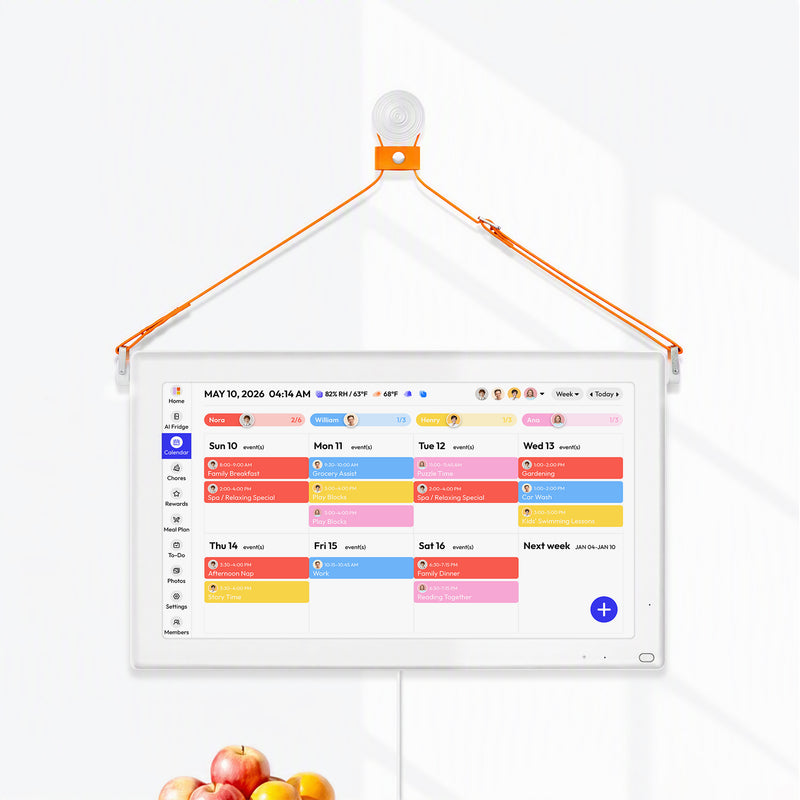
2) Calendar Layer: Use one shared event language
Your system breaks when every family tracks logistics differently. Use one shared event format and naming convention.
A practical event schema:
- Event type: RIDE, MEAL_DROP, BACKUP
- Time window: start, hard latest arrival
- Location: pickup + drop-off
- Participants: kids, adult owner, backup adult
- Constraints: car seat type, allergies, late policy
Interoperability improves when your tools speak the same format. RFC 5545 (iCalendar) defines a standard event model independent of any specific calendar service, which is why cross-platform calendar syncing is easier when families normalize around shared event structure.
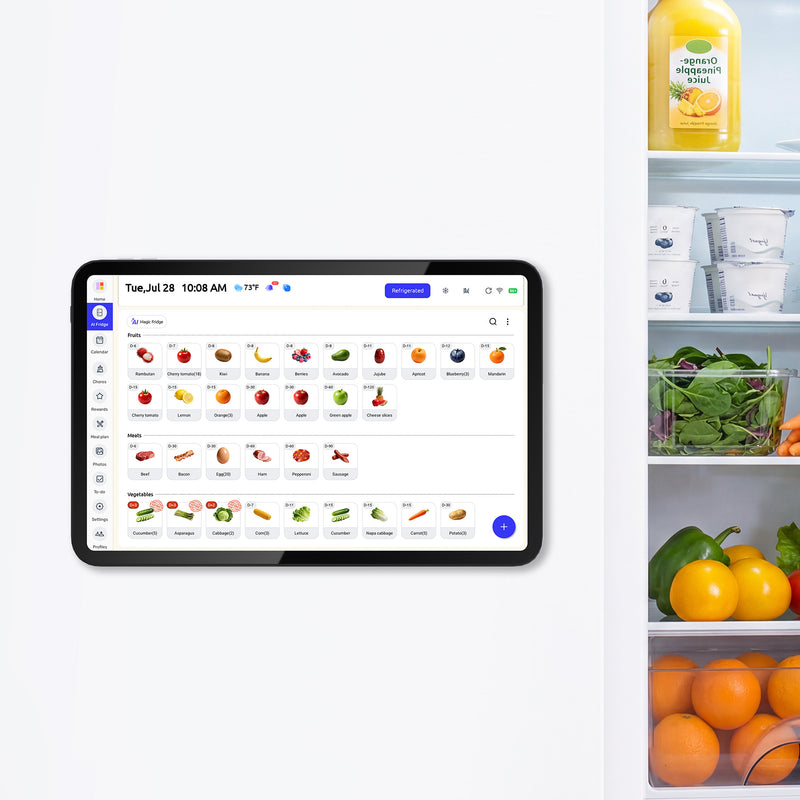
For kitchen-centered workflows, a fridge-based tool like the a company can keep meal plans, freshness reminders, and shopping capture in one visible place.
3) Safety Layer: Non-negotiables before convenience
Support systems fail when safety is implicit instead of explicit.
For rides:
- Child seat type must be stored per child profile
- Vehicle fit is verified before first ride
- Emergency contact is attached to each child profile
Baseline rule set should align with NHTSA child passenger guidance, including keeping children in the back seat through age 12 and matching restraint type to age/size.
Use car seat inspection practices before any child is assigned to a new driver: verify restraint type and fit, confirm installation and emergency contacts, record driver/vehicle verification, require two-adult sign-off on first ride, run monthly random re-checks, and retain compliance logs for 12 months with access limited to coordinators and guardians.

For meal support:
- Label meals with prep date/time
- Track “serve by” and “freeze by” windows
- Use handoff confirmations for perishable items
Food handling should follow practical limits such as refrigerating perishables within 2 hours (1 hour above 90°F) and keeping refrigerators at 40°F or below. For leftovers, plan around a 3-to-4-day window.
Add an auditable safety record flow: each perishable meal handoff gets a temperature, timestamp, and receiver sign-off entry; incidents get a timeline, corrective action owner, and due date; and records are summarized monthly for the group and retained for at least 12 months under restricted access, consistent with time-temperature preventive controls. Escalate immediately to emergency/clinical care and insurer reporting for crashes, injuries, or suspected foodborne illness.
4) Workflow Layer: Design for normal weeks and bad days
Build two flows, not one.
Normal-week flow:
- Publish rides by Sunday night.
- Confirm by Monday morning.
- Auto-alert at T-30 and T-10 minutes.
- Log completion and exceptions.
Disruption flow:
- Driver marks “can’t make it.”
- Backup offer broadcast to pre-approved pool.
- First accepted backup is auto-assigned.
- Families receive updated ETA immediately.
Meal-support flow:
- Family flags “high-load day” by 10:00 AM.
- Neighbor claims meal slot.
- Meal handoff window is confirmed.
- Freshness reminder triggers same evening.
5) Habit Layer: Run weekly retrospectives
Without review, this becomes another abandoned group chat.
Track only a few metrics:
- On-time pickup rate
- Backup fill rate
- Missed handoffs
- Meal waste events
- Family stress hotspots (qualitative)
A 15-minute weekly check-in is enough:
- What failed?
- What repeated?
- What rule needs simplification?
30-Day Rollout Plan
Week 1: Foundation
- Recruit 4-8 households
- Agree on safety and communication rules
- Set event naming schema and roles
Week 2: Pilot
- Run carpools for one school route only
- Run one meal-support day per week
- Capture all exceptions
Week 3: Expand
- Add one more route or activity
- Add backup rotation
- Introduce freshness/reminder habits for shared meals
Week 4: Stabilize
- Remove unused rules
- Fix bottlenecks (usually confirmation timing)
- Lock in recurring schedules for the next month
After Week 4, scale only when KPI gates are met (for example, active participation >=80%, on-time pickups >=90%, low incident rate, and balanced volunteer load), then formalize role ownership (community coordinator, operations support, compliance/safety lead), plus standard onboarding, offboarding, and dispute workflows; publish a monthly dashboard using input, process, and outcome program indicators.
Common Failure Points (and Fixes)
Failure Point |
Why It Happens |
Practical Fix |
“Everyone thought someone else had it” |
No ownership at event level |
Assign one adult owner per event |
Last-minute cancellations cascade |
No backup protocol |
Pre-approve backup drivers and auto-notify |
Meal support creates waste |
No freshness windows |
Add prep timestamp and “use by” reminders |
Group chat noise hides critical updates |
Mixed signal types |
Separate channels: alerts vs discussion |
Burnout on one “super helper” |
Uneven contribution |
Rotate coordinator role every 2-4 weeks |
Action Checklist
- Define your support circle and roles this week.
- Standardize one calendar event format for rides and meal handoffs.
- Document child-seat, emergency contact, and pickup rules before first shared ride.
- Add freshness rules: 2-hour chill window, 40°F fridge target, 3-to-4-day leftovers limit.
- Run a 2-week pilot, then simplify based on missed handoffs and late pickups.
Important Note
The planning templates and organizational systems provided here are intended as adaptable blueprints. Every family’s needs, dietary requirements, and physical capabilities are different. We recommend tailoring these schedules to your specific health needs and household dynamics. Results from productivity or meal-planning systems may vary, and consistency remains the responsibility of the individual user.
References


