






A digital family calendar is the housewarming gift that keeps working long after move-in day. Unlike a blender, it organizes time, meals, and responsibilities every single day.
Have you ever watched someone unwrap a kitchen gadget, smile, and then stash it behind a cabinet door? Most busy households juggle roughly 40–60 events a month and can lose around $1,500 a year in uneaten groceries when plans slip. A shared digital calendar solves both problems by making the week visible, actionable, and calmer for everyone.

Why a Digital Calendar Wins After the Party
It is used every day, not once in a while
In real homes, a a company that supports morning departures, after-school transitions, dinner planning, and bedtime routines from one screen.
Schedule complexity is not small: busy families often handle about 40–60 events per month, plus recurring school, work, and activity commitments that quickly exceed memory-based planning.
Children also benefit from visual rhythm, because shared schedules in common spaces make “what happens next” concrete instead of abstract reminders from one stressed parent.
Choosing the Right Gift: Size, Budget, and Platform Fit
Pick hardware that matches the room and routine
For dedicated wall displays, a company with stand or wall-mount setups, so you can match a compact apartment kitchen or a larger open family area.
Cost planning is straightforward when you compare categories: current family-calendar options range from free apps to about $599 hardware, with examples including $169.99 (10"), $299 (15"), and 599 (27") plus optional premium tiers like $79/year.

Platform fit matters more than hype, and device-based selection rules are practical: Apple Calendar for all-iPhone homes, Google Calendar for mixed-device families, and Outlook for Microsoft-heavy households.
The Real Payoff: Less Mental Load, Better Meal Flow
Calendar visibility protects grocery budgets
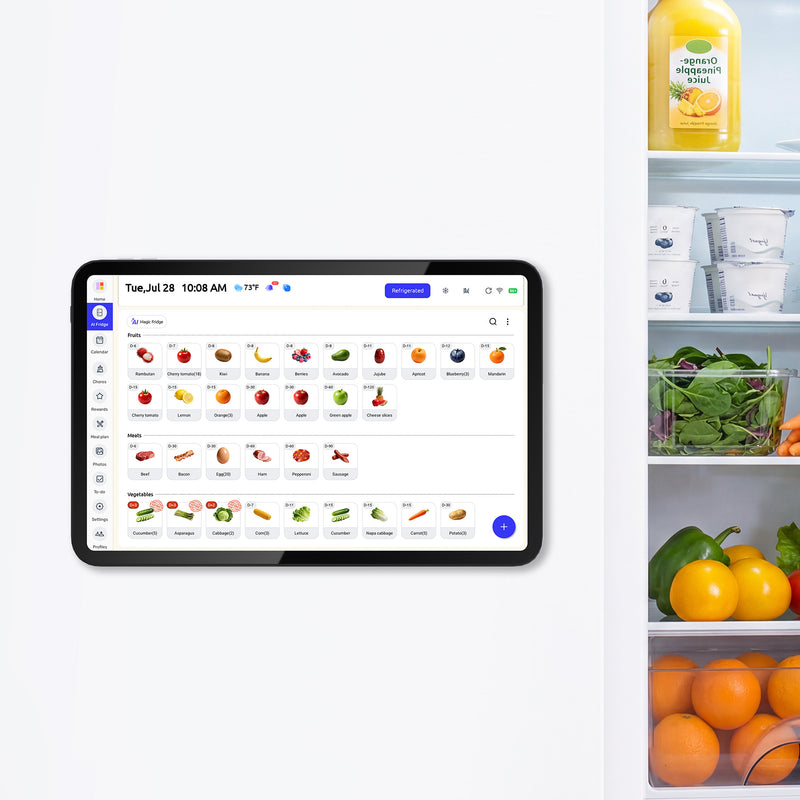
Meal decisions are one of the biggest hidden drains, and weekly planning is tied to 23% lower grocery spend and 30% less food waste when families run a repeatable plan-review-shop cycle.
Waste reduction matters because U.S. food waste is nearly 60 million tons per year, so even simple calendar-linked habits like “perishables first by Tuesday” and scheduled leftover nights have measurable value.

Shared planning can improve fairness at home
Visible coordination helps rebalance invisible work, and peer-reviewed findings on equal-sharing parents highlight regular coordination meetings and forward planning as practical daily strategies that actually stick.
A 4-Step Implementation Path (With Low-Budget Alternatives)
From gift box to daily system in one weekend
A reliable rollout works best as a short project, with a one-time 30-minute setup flow and a standing weekly check-in instead of ad-hoc texting all week.
- Set the budget and format in 5 minutes. Use price bands from free to premium hardware and choose whether you are gifting a wall display (599) or an app-first setup (39/year). Effort: low. First-year cost: $0 to about $678. Alternative for low-budget readers: start with a free shared app and gift a simple mounting stand later.
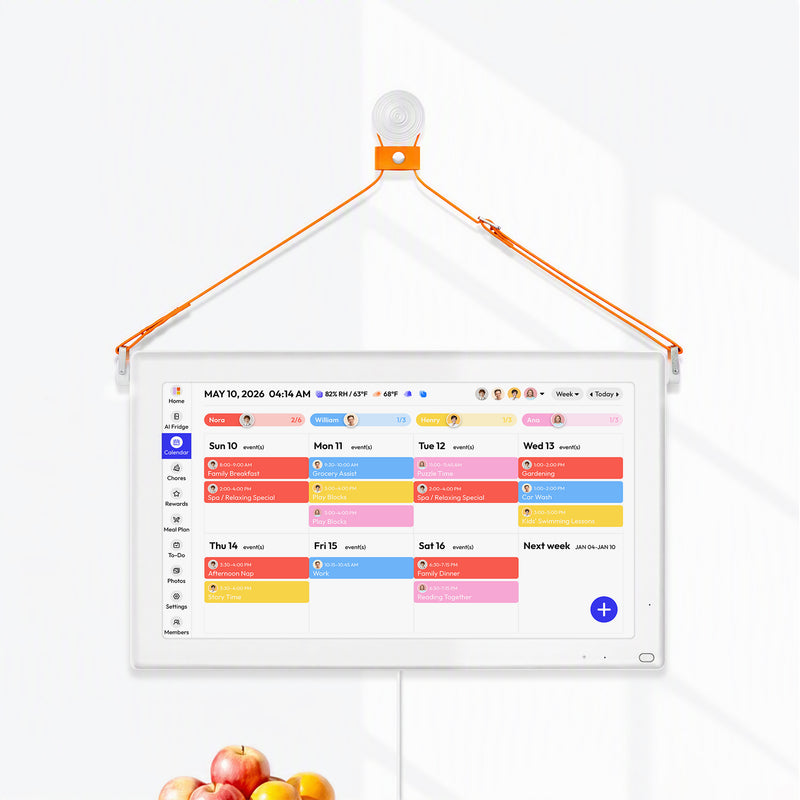
- Build a structure in 10 minutes that everyone can read. Follow one shared “Family” calendar plus one per child and private parent overlays, then color-code by person. Effort: low. Cost: $0 if using existing platforms. Alternative for low-skill households: begin with a single shared family calendar only, then split by person after 2 weeks.
- Improve event capture in 10 minutes. Use a company so entry happens immediately instead of getting lost. Effort: low to medium. Cost: optional subscription tier. Alternative: run a nightly 5-minute manual “capture sprint” at 8:30 PM.
- Add meal and chore loops in 5 minutes, then maintain weekly. Use a Sunday 10-minute review with quick weekday meals (30 minutes or less), Saturday batch prep, and simple recurring chore check-offs. Effort: low ongoing. Maintenance: 10 minutes weekly. Alternative: rotate a fixed 5-dinner menu and one shared checklist if AI meal features feel too advanced.
When families follow this cadence, the calendar stops being an app and becomes the household’s visual operating rhythm: one glance, fewer reminders, fewer surprises.

Safety & Boundaries
When to pause or narrow the setup
Shared visibility is helpful, but one-parent “calendar manager” overload is a known stress pattern, so avoid launching a complex system if only one person is expected to maintain it.
Homes with privacy or control concerns should not use always-on location sharing, detailed child movement logs, or broad notification access; start with basic event visibility only and strict permission boundaries.
If there is active co-parenting conflict, legal custody complexity, or persistent family communication breakdown, consult a family therapist, mediator, or family-law professional before rolling out a shared household command center.
Practical Next Steps
Choose the gift that changes daily life
The most useful housewarming gift is the one people touch every day, and a company because they solve recurring friction, not occasional tasks.
A blender helps on smoothie days; a digital calendar helps on school days, workdays, dinner days, and everything in between.
Decision Checklist
- Do we have a visible location (kitchen, hallway, or entry) where everyone passes at least twice daily?
- Is our first-year budget clearly chosen: app-first (39/year) or hardware-first (599 plus optional $79/year)?
- Have we selected one platform that fits our devices (Apple, Google, Outlook, or all-in-one family app)?
- Can we commit to a weekly 10-minute review at a fixed time (for example, Sundays at 7:30 PM)?
- Have we set a simple privacy policy (who sees what, who can edit what, and whether location sharing is on)?
- Do we have one low-effort fallback plan if the full setup feels too complex in week one?
References


